

Free Lake Champlain Islands Travel Guide & Mobile App
Explore Lake Champlain Islands with free travel guides. Discover regional history, expert tips, proposed trips, and audio guides on web or mobile app.


Explore Vermont's Lake Champlain Islands for orchard roads, lake parks, Abenaki and French history, fossil reefs and quiet boating landscapes.
Read more about Lake Champlain Islands
Getting to and around Lake Champlain Islands
How to get there
Transportation
Best attractions in Lake Champlain Islands
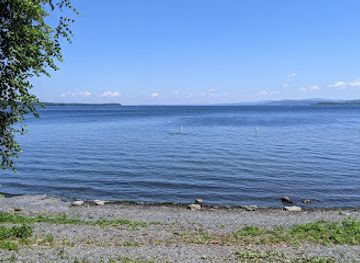
The Lake Champlain Islands offer a compact but varied set of attractions rooted in lake landscapes, rural life and unusual geology. South Hero and Grand Isle are the main bases for public recreation, with Sand Bar State Park, Grand Isle State Park and Knight Point State Park providing beaches, picnic grounds, woodland walks, camping and access to sheltered Lake Champlain waters. The Sand Bar Causeway itself is a notable scenic crossing, linking the islands to the mainland across wetlands and shallow water. Orchard roads, farm stands and small agricultural attractions add seasonal interest, especially in late summer and autumn. North Hero is suited to quiet cycling, boating and lakeside exploration, while Isle La Motte has a stronger historical and geological focus. Goodsell Ridge Fossil Preserve and other Chazy Reef exposures reveal marine fossils formed in the Ordovician period, making the island significant for visitors interested in deep time as well as landscape. St Anne's Shrine combines religious heritage, archaeological associations and lake views. There are also opportunities for kayaking, sailing, fishing and birdwatching, although conditions and access vary by season. The attraction landscape is deliberately low-key: visitors come for connected experiences across several islands rather than a concentration of large museums or amusement sites.
-
Tourist attraction
Spirit of Ethan Allen
Discover the stunning scenery and rich history of Lake Champlain on a delightful cruise aboard the Spirit of Ethan Allen in Burlington, Vermont.
-
State park
Grand Isle State Park
Explore Grand Isle State Park: A gem of Vermont offering outdoor adventures and breathtaking views of Lake Champlain.
-
Tourist attraction
Kill Kare State Park
Explore the beauty of nature at Kill Kare State Park, a serene escape on the shores of Lake Champlain, perfect for swimming, picnicking, and kayaking.
-
Tourist attraction
Burlington Earth Clock
Experience the unique Burlington Earth Clock, where nature and art converge on the shores of Lake Champlain in Vermont.
Best landmarks in Lake Champlain Islands
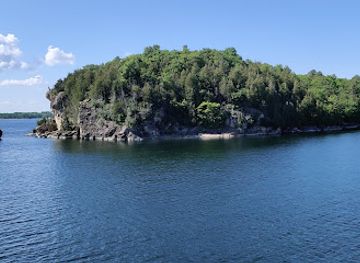
The Sand Bar Causeway is one of the region's defining landmarks, a narrow road crossing that visually demonstrates how roads and engineering connected the islands with mainland Vermont while retaining the character of a shallow lake passage. On Isle La Motte, St Anne's Shrine occupies the historic setting associated with the former Fort Saint Anne and remains the islands' most important religious and colonial-era landmark. The island's Chazy Reef limestone formations, particularly at Goodsell Ridge Fossil Preserve, are landmarks of geological rather than architectural significance: their exposed rock and fossils record a marine environment hundreds of millions of years old. The lake-facing grounds and chapel give the shrine a distinctive sense of place. Grand Isle State Park and Knight Point State Park are important landscape landmarks, with wooded shorelines, open water views and historic recreational use. In South Hero, the low agricultural skyline, orchard country and access points along the lake are more characteristic than monumental buildings. Together, these places express the islands' principal identities: a strategic waterway, a rural agricultural community, a centre of religious history and an unusually accessible record of ancient marine life.
-
Historical landmark
Fort Ticonderoga
Discover the captivating history of Fort Ticonderoga, a remarkable fortress and museum that brings America's revolutionary past to life.
-
Cruise agency
Spirit of Ethan Allen
Discover the breathtaking beauty of Lake Champlain aboard the Spirit of Ethan Allen, where scenic cruises and delightful dining await.
-
Historical landmark
His Majesty's Fort at Crown Point
Discover the rich history and stunning views at His Majesty's Fort at Crown Point, a must-visit historical landmark on Lake Champlain.
-
State park
Grand Isle State Park
Explore the scenic beauty and outdoor adventures at Grand Isle State Park in Vermont, a perfect getaway for nature lovers and families.
Explore Lake Champlain Islands on the map
Plan your trip on one map. See where the top cities, national parks and sights are, and book hotels and experiences in a few clicks.
Best hotels in Lake Champlain Islands
Best restaurants in Lake Champlain Islands
Dining in the Lake Champlain Islands reflects a rural, seasonal economy rather than a dense restaurant district. South Hero and Grand Isle have the broadest choice of cafés, casual restaurants, general stores and places serving familiar New England and American dishes, while North Hero and Isle La Motte offer fewer options and require more planning outside peak periods. Local farm produce, apples, berries, maple products, dairy goods and baked items are prominent at farm stands and seasonal markets. Lake fish and seafood may appear on menus, although the region is not defined by a single signature dish. Visitors can expect relaxed service, outdoor seating in suitable weather and a mixture of pub-style food, sandwiches, breakfasts and contemporary American cooking. Self-catering is practical, particularly for campers and visitors staying in rural accommodation, but provisions should be bought before late evening. Autumn orchard produce and locally made preserves make useful food souvenirs, while Vermont-produced beer, cider and maple products are widely associated with the wider state rather than exclusively with the islands.
-
Restaurant
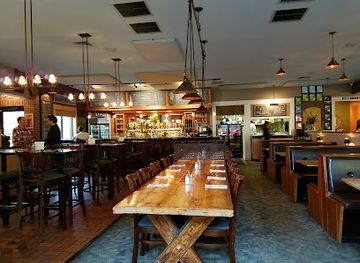
Farmhouse Tap & Grill (Vermont)
Discover Farmhouse Tap & Grill in Burlington, VT - where local ingredients meet innovative American cuisine in a cozy atmosphere.
-
Brewery
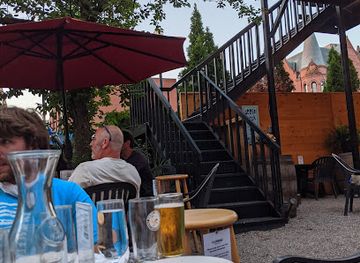
American Flatbread Burlington
Experience the taste of Vermont at American Flatbread Burlington with artisan pizzas and craft brews in a vibrant setting.
-
Steak
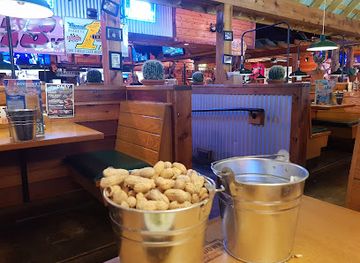
Texas Roadhouse
Discover the vibrant flavors of America at Texas Roadhouse in Williston - where every meal is a celebration of taste and tradition.
-
Steak
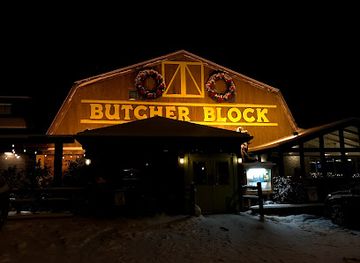
Butcher Block
Discover culinary excellence at Butcher Block in Plattsburgh - where every meal is crafted with passion and flavor.
Best bars in Lake Champlain Islands
Evening life in the Lake Champlain Islands is quiet and community-oriented. South Hero, Grand Isle and North Hero provide the greatest likelihood of finding a pub, restaurant bar or seasonal venue for an evening meal and drink, while Isle La Motte is principally a daytime destination. Traditional bars, casual gathering places and occasional live music are more characteristic than nightclubs or late-night entertainment. Summer visitors may find busier evenings around accommodation, marinas and lakeside businesses, but schedules and opening arrangements vary considerably by season. Rural darkness and long distances make driving after drinking particularly important to plan around; designated transport should be arranged in advance rather than assumed. Visitors seeking a larger choice of theatres, music venues and late-night bars generally travel outside the islands to Burlington, which is a nearby regional city but not part of the Lake Champlain Islands.
-
American
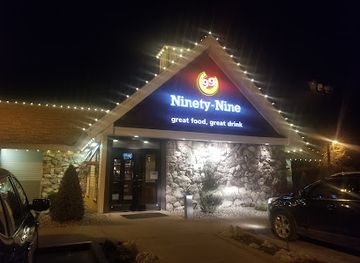
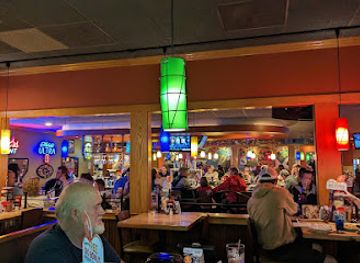
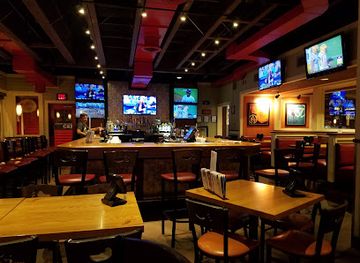
99 Restaurants
Discover the best of American cuisine at 99 Restaurants in Plattsburgh, where flavor and hospitality come together in a delightful dining experience.
-
Restaurant
Applebee's Grill + Bar
Savor classic American dishes in a friendly atmosphere at Applebee's Grill + Bar, the perfect family dining experience.
-
Bar
Chili's Grill & Bar
Discover the vibrant flavors of Chili's Grill & Bar in Williston, where Tex-Mex delights meet classic American comfort food for all ages.
-
Restaurant
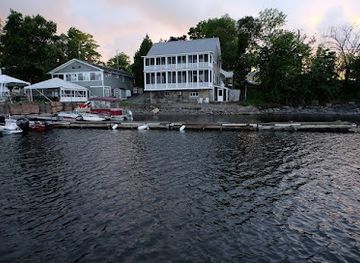
The North Hero House Inn & Restaurant
Discover the charm of The North Hero House Inn & Restaurant, where stunning lake views and delectable cuisine create a perfect getaway in Vermont.
Best nightclubs in Lake Champlain Islands
Evening life in the Lake Champlain Islands is quiet and community-oriented. South Hero, Grand Isle and North Hero provide the greatest likelihood of finding a pub, restaurant bar or seasonal venue for an evening meal and drink, while Isle La Motte is principally a daytime destination. Traditional bars, casual gathering places and occasional live music are more characteristic than nightclubs or late-night entertainment. Summer visitors may find busier evenings around accommodation, marinas and lakeside businesses, but schedules and opening arrangements vary considerably by season. Rural darkness and long distances make driving after drinking particularly important to plan around; designated transport should be arranged in advance rather than assumed. Visitors seeking a larger choice of theatres, music venues and late-night bars generally travel outside the islands to Burlington, which is a nearby regional city but not part of the Lake Champlain Islands.
-
Lake
Lake Champlain
Explore the breathtaking beauty and rich history of Lake Champlain, a stunning natural wonder perfect for outdoor enthusiasts and relaxation seekers.
-
Night club
Retro Live
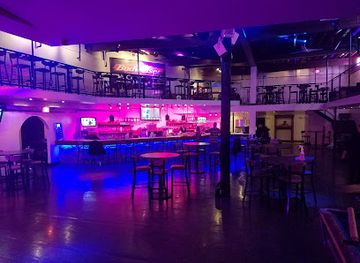
Experience the vibrant nightlife of Plattsburgh at Retro Live, where electrifying music and an energetic atmosphere await.
Best shops in Lake Champlain Islands
Shopping on the Lake Champlain Islands is centred on practical local businesses, farm stands and seasonal produce rather than large retail centres. South Hero and Grand Isle offer the broadest selection of groceries, cafés, small shops and locally made goods, while North Hero and Isle La Motte are more limited and dispersed. Orchard fruit, maple products, preserves, baked goods, honey, cheese and Vermont-made beverages are among the most useful regional purchases, with availability changing through the growing season. Farm stands often operate on an informal or seasonal basis, so carrying cash is sensible even where larger shops accept cards. Visitors may also find crafts, artwork, pottery, books and small gifts connected with the lake or wider Vermont traditions, especially near accommodation and visitor-oriented businesses. The most distinctive shopping experience is the search for produce and handmade goods along rural roads, not conventional high-street browsing. For a larger choice of clothing, specialist retail and galleries, Burlington is the nearest major shopping centre outside the islands.
-
Gift shop
The Green Frog
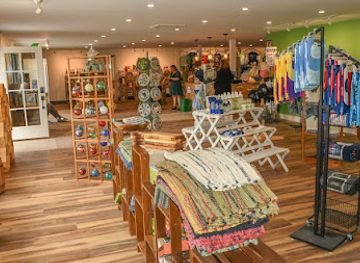
Explore The Green Frog, South Hero's premier gift shop, showcasing unique local art and handcrafted treasures perfect for any occasion.
-
Gift shop
Island Craft Shop
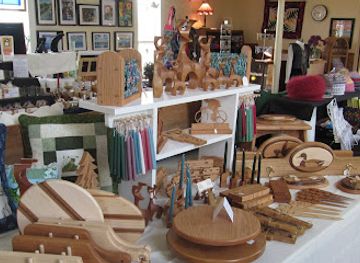
Explore the Island Craft Shop in South Hero, Vermont, where local artisans showcase their handcrafted treasures in a charming gift shop and art gallery.
Get your free copy of our complete guide to Lake Champlain Islands, delivered straight to you.
Everything on this page, from attractions and restaurants to essentials and local phrases, in one PDF you can read offline, print or share.
Already have an account? Sign in
Your Lake Champlain Islands guide is ready.
We'll send it to · Not you? Sign out

Getting your guide ready…
We are putting together a fresh copy of the Lake Champlain Islands guide. This can take up to a minute.
This can take a few moments. If your browser asks, choose Allow so the download can start. You'll find the guide in your Downloads folder.
Nothing happened? Download it again
Sorry, the guide is taking longer than usual. Please try again in a minute, or get it by email instead.
Lake Champlain Islands essentials
Currency and Payment
Safety
Emergency Situations
Do's and Don'ts
Local Tips
From Eve
Local phrases worth knowing
You don't need to get them perfect. A few words go a long way, and locals appreciate the effort.
Basics
| English | Local | Say it |
|---|---|---|
| Hello | Hey there | [hey thair] |
| Goodbye | See ya later | [see ya layter] |
| Yes | Yup | [yup] |
| No | Nope | [nohp] |
| Please/You're welcome | Please | [pleez] |
| Thank you | Thanks a lot | [thanks a lot] |
| Excuse me/Sorry | Sorry | [sorree] |
| How are you? | How's it going? | [how's it goin?] |
| Fine. And you? | Good. You? | [good. you?] |
| Do you speak English? | You speak English? | [you speak English?] |
| I don't understand | I don’t get it | [I dont get it] |
Eating & Drinking
| English | Local | Say it |
|---|---|---|
| I'd like to see the menu, please | Can I see the menu? | [can I see the menu?] |
| I don't eat meat | I'm a vegetarian | [I'm a vege-tair-ee-an] |
| Cheers! | Cheers! | [cheers] |
| I would like to pay, please | Can I get the bill? | [can I get the bill?] |
Emergencies
| English | Local | Say it |
|---|---|---|
| Help! | Help! | [help] |
| Go away! | Leave me alone! | [leave me alone] |
| Call the Police! | Call the cops! | [call the cops] |
| Call a doctor! | Get a doctor! | [get a doctor] |
| I'm lost | I can’t find my way | [I can’t find my way] |
| I'm ill | I’m not feeling well | [I’m not feelin well] |
Shopping
| English | Local | Say it |
|---|---|---|
| I'd like to buy... | I want to buy... | [I want to buy...] |
| I'm just looking | Just browsing | [just browsin] |
| How much is it? | What’s the price? | [what’s the price?] |
| That's too expensive | That costs too much | [that costs too much] |
| Can you lower the price? | Can you make it cheaper? | [can you make it cheaper?] |
Time & Numbers
| English | Local | Say it |
|---|---|---|
| What time is it? | What time ya got? | [what time ya got?] |
| It's one o'clock | It's one o’clock | [it's one o’clock] |
| Half past (10) | Half past ten | [half past ten] |
| Morning | Morning | [morning] |
| Afternoon | Afternoon | [afternoon] |
| Evening | Evening | [evening] |
| Yesterday | Yesterday | [yesterday] |
| Today | Today | [today] |
| Tomorrow | Tomorrow | [tomorrow] |
| 1 | One | [one] |
| 2 | Two | [two] |
| 3 | Three | [three] |
| 4 | Four | [four] |
| 5 | Five | [five] |
| 6 | Six | [six] |
| 7 | Seven | [seven] |
| 8 | Eight | [eight] |
| 9 | Nine | [nine] |
| 10 | Ten | [ten] |
Transport & Directions
| English | Local | Say it |
|---|---|---|
| Where's a/the...? | Where’s the...? | [where’s the...?] |
| What's the address? | What’s the address? | [what’s the address?] |
| Can you show me (on the map)? | Can you show me on the map? | [can you show me on the map?] |
| When's the next (bus)? | When’s the next bus? | [when’s the next bus?] |
| A ticket (to ....) | One ticket to... | [one ticket to...] |
History of Lake Champlain Islands
Abenaki Homelands and Lake Champlain
The islands lie within the homeland of Western Abenaki peoples, who used Lake Champlain and its islands as part of a wider network of travel, fishing, hunting and exchange. The lake was an important route linking the Champlain Valley with neighbouring regions long before European settlement. Indigenous history remains essential to understanding the islands, even though much of the visible built heritage dates from later periods. The name Champlain derives from the French explorer Samuel de Champlain, who travelled on the lake in 1609 during an expedition through the region.
French Fort Saint Anne, 1666
In 1666, French forces built Fort Saint Anne on Isle La Motte during a period of rivalry with the English and their Indigenous allies in the wider Champlain Valley. The small fort was among the earliest European military settlements in what is now Vermont. It was short-lived, but its location established Isle La Motte as one of the region's most important early colonial sites. St Anne's Shrine and related historical interpretation preserve the memory of this French presence, while the surrounding landscape makes clear why the island's position on the lake had strategic value.
Revolutionary-era Lake Champlain
Lake Champlain became a strategic corridor during the American Revolutionary period. Military movements, supply lines and naval activity affected the lake and its shores, although the islands were not the setting for all the major engagements associated with the conflict. The nearby Champlain Valley was contested because control of the waterway offered access between the Hudson River and the St Lawrence basin. The islands' geography, with sheltered channels and open crossings, placed them within this larger military landscape and later contributed to their importance as a route between communities.
Farming, Orchards and Quarrying
During the nineteenth century, the islands developed as agricultural communities producing hay, grain, dairy goods and fruit. Orchards became especially associated with South Hero and Grand Isle, where fertile soils and the moderating influence of the lake helped shape farming patterns. Isle La Motte also became known for quarrying its distinctive limestone, a material connected to the island's ancient reef geology. Farmsteads, lanes and surviving agricultural buildings still provide much of the islands' visual character, even as modern commerce and seasonal tourism have become increasingly important.
Bridges, Causeways and Changing Connections
For much of their history, the islands depended on boats and ferries for links with the Vermont mainland and neighbouring communities. Roads, bridges and causeways gradually changed that relationship, making regular movement of people, farm goods and visitors easier. The Sand Bar Causeway is the most recognisable of these connections, joining South Hero with the mainland across shallow lake waters and wetlands. Improved access encouraged tourism and second-home development while leaving the islands relatively low-density compared with the larger towns of the Champlain Valley.
Twentieth-century Recreation and Heritage
In the twentieth century, inexpensive car travel, organised parks and growing interest in boating and rural holidays added a seasonal economy to the islands' agricultural base. State parks on South Hero and Grand Isle made public access to the lake more reliable, while St Anne's Shrine continued its religious and historic role on Isle La Motte. The modern visitor landscape therefore combines working farms, protected shorelines, geological interpretation and small-scale accommodation rather than a single urban or resort centre.
Lake Champlain Islands in Photos
Browse through our photo collection highlighting the charm and character of the destination.
Neighbouring regions of Lake Champlain Islands
The closest regions to Lake Champlain Islands, if you have time for more than one.
-

-

-

-

-


Swipe for more regions
Explore more

Explore more of Vermont
Discover Vermont: A year-round haven of natural beauty, charming towns, and rich heritage in the Green Mountain State.
Explore Vermont