

Free Chittenden County Travel Guide & Mobile App
Explore Chittenden County with free travel guides. Discover regional history, expert tips, proposed trips, and audio guides on web or mobile app.


Explore Chittenden County for Burlington's lakefront, Vermont farms, historic museums, cycling trails and views across Lake Champlain.
Read more about Chittenden County
Getting to and around Chittenden County
How to get there
Transportation
Top city travel guides in Chittenden County
The cities of Chittenden County, and the easiest places to base yourself.

Swipe for more cities
Destinations in Chittenden County
Resorts, valleys and scenic spots worth a trip of their own.
-

-

-

-

-

-


Swipe for more destinations
Best attractions in Chittenden County
Chittenden County's attractions combine Burlington's cultural institutions with lake recreation, historic estates and working countryside. In Burlington, the waterfront, ECHO Leahy Center for Lake Champlain and the pedestrian-friendly Church Street Marketplace make a useful cluster, while the University of Vermont contributes museums, galleries and a collegiate setting. The Island Line Trail and Colchester Causeway offer cycling and walking over and beside Lake Champlain, with broad views towards the Adirondacks across the water. South of Burlington, Shelburne Museum is a substantial collection of American art, decorative arts and historic buildings, and Shelburne Farms interprets conservation, agriculture and estate history across an extensive landscape. The Ethan Allen Homestead gives context to an important Revolutionary-era figure. Smaller communities such as Jericho, Underhill, Charlotte and Hinesburg provide access to village roads, forests, wetlands and foothill trails rather than concentrated visitor complexes. Seasonal activities include paddling, sailing, birdwatching, cycling, hiking, museum visits and farm-based experiences; winter brings snowshoeing and other cold-weather recreation, subject to conditions. The county's appeal lies in the contrast between an established small city and a working rural landscape that remains close at hand.
-
Park
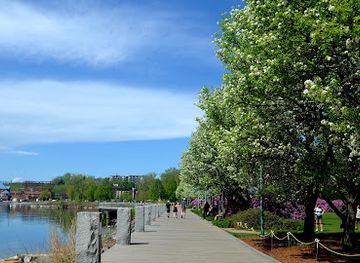
Waterfront Park
Experience the beauty and tranquility of Waterfront Park, a scenic gem along Lake Champlain perfect for outdoor enthusiasts and nature lovers alike.
-
 Resort hotel
Smugglers' Notch Resort
Experience the ultimate year-round adventure at Smugglers' Notch Resort, where skiing, summer camps, and water parks await in Vermont's stunning landscapes.
-
Museum
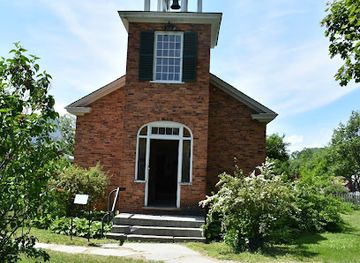
Shelburne Museum
Discover the rich tapestry of American art and culture at Shelburne Museum, Vermont's premier destination for art enthusiasts and history lovers alike.
-
Science museum
ECHO, Leahy Center for Lake Champlain
Discover the wonders of science and nature at ECHO, Leahy Center for Lake Champlain, where interactive exhibits meet breathtaking lake views.
Best landmarks in Chittenden County
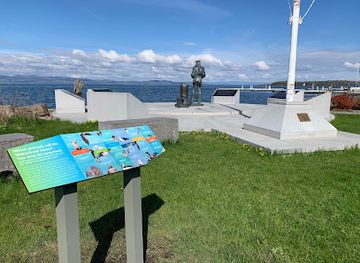
The most recognisable landmark in Chittenden County is Burlington's Lake Champlain waterfront, whose open parks, piers and views towards New York's Adirondack Mountains express the county's geographical identity. In the city centre, the distinctive commercial buildings of Church Street and the surrounding historic streets show Burlington's development as a port and regional centre, while the University of Vermont's hilltop campus adds an important institutional presence. The Ethan Allen Homestead is a tangible reminder of the revolutionary figure associated with early Vermont politics. Shelburne Museum's collection of historic structures and the preserved steamboat Ticonderoga form an unusual cultural landmark landscape, while Shelburne Farms is significant for its buildings, designed estate landscape and continuing agricultural use. The Colchester Causeway and its lake crossings are less monumental but memorable as engineering and recreational landmarks, linking shore and water in a way that makes the Champlain setting legible. The Old Red Mill in Jericho represents the county's village and milling heritage, and the open farmland of Charlotte and Shelburne remains an important landscape landmark in its own right.
-
Park
Waterfront Park
Experience the natural beauty and vibrant atmosphere of Waterfront Park, a serene escape on the shores of Lake Champlain in Burlington, Vermont.
-
Resort hotel
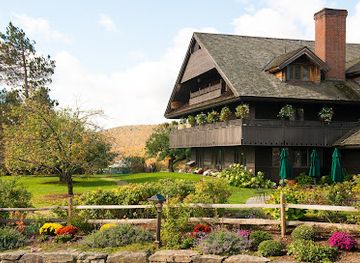
Trapp Family Lodge
Experience the magic of Trapp Family Lodge in Stowe, Vermont - where luxury meets adventure in a stunning alpine setting.
-
Historical landmark
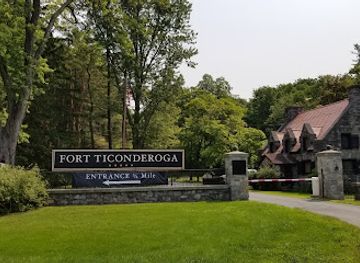
Fort Ticonderoga
Discover the storied past of Fort Ticonderoga, a historical landmark that offers immersive experiences and breathtaking views of Lake Champlain.
-
Museum
Shelburne Museum
Discover the artistic treasures and historic charm of Shelburne Museum in beautiful Vermont, a unique blend of culture and nature awaits you.


Explore Chittenden County on the map
Plan your trip on one map. See where the top cities, national parks and sights are, and book hotels and experiences in a few clicks.
Best hotels in Chittenden County
Best restaurants in Chittenden County
Dining in Chittenden County is shaped by Vermont produce, Lake Champlain geography and Burlington's sizeable student, professional and creative communities. Burlington offers the widest range, from cafés, bakeries and casual international food to contemporary restaurants and long-established restaurants around the downtown and waterfront areas. Menus commonly draw on regional cheese, apples, maple products, seasonal vegetables, local meat and freshwater or lake-associated themes, although the availability of particular ingredients changes through the year. Shelburne, Charlotte and the rural towns add farm shops, seasonal stands, country restaurants and meals connected to working agricultural properties. Craft beer is prominent in the local drinks landscape, alongside cider, spirits and non-alcoholic products made by Vermont producers. Farmers' markets are useful for picnic supplies and for understanding the county's food economy, especially in warmer months. Restaurant tipping follows United States practice, with gratuity normally expected for table service, and sales tax is generally added to displayed prices.
-
Restaurant
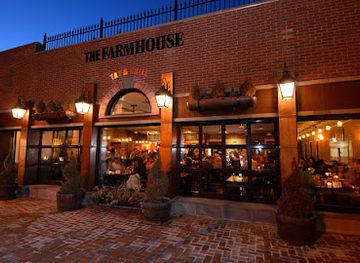
Farmhouse Tap & Grill (Vermont)
Experience the flavors of Vermont at Farmhouse Tap & Grill – where local ingredients meet culinary creativity.
-
Brewery
American Flatbread Burlington
Experience the best artisanal pizza and craft beer at American Flatbread Burlington - where local ingredients meet unforgettable flavors.
-
Steak
Texas Roadhouse
Indulge in flavorful steaks and classic American dishes at Texas Roadhouse in Williston – where every meal feels like a celebration!
-
Restaurant
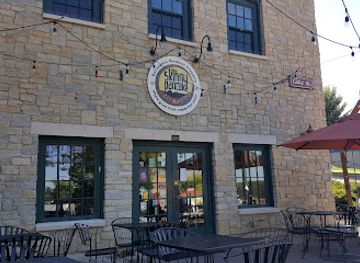
The Skinny Pancake Burlington
Experience delicious crepes made from local ingredients at The Skinny Pancake Burlington—where flavor meets sustainability!

Best bars in Chittenden County
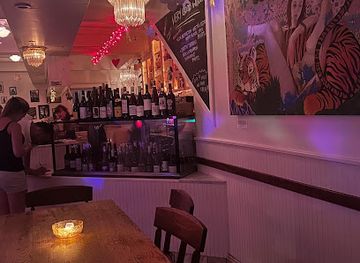
Burlington is the county's main centre for evening activity, with pubs, breweries, cocktail bars, live-music rooms and restaurants concentrated around downtown, Church Street and nearby waterfront areas. The University of Vermont helps sustain a youthful element, but the evening scene also includes quieter wine bars, neighbourhood establishments and venues serving a broad local community. Burlington's music culture ranges from small performances to larger programmed events, though schedules and venues change. Outside the city, nightlife is more dispersed and generally focuses on historic inns, taverns, breweries, restaurants and community events rather than a large club circuit. South Burlington, Winooski and nearby Essex add further dining and drinks options, while rural towns tend to close earlier and require a planned ride home. Visitors should check current transport and venue arrangements, particularly in winter, and should not rely on walking between widely separated rural establishments.
-
Restaurant
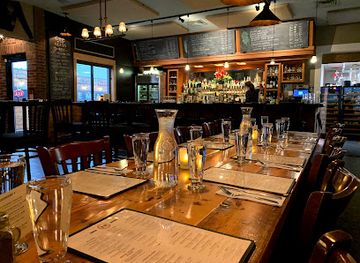
Farmhouse Tap & Grill (Vermont)
Discover the flavors of Vermont at Farmhouse Tap & Grill, where local ingredients meet craft beer in a warm, inviting atmosphere.
-
Bar
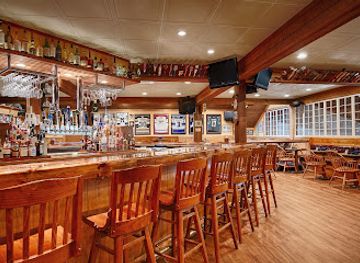
Windjammer Restaurant & Upper Deck Pub
Experience a blend of seafood and steakhouse delights at Windjammer Restaurant & Upper Deck Pub in South Burlington, Vermont.
-
Brewery
Foam Brewers - Burlington
Experience the essence of Vermont's craft beer scene at Foam Brewers in Burlington, where innovative brews meet lively music and a vibrant atmosphere.
-
Irish pub
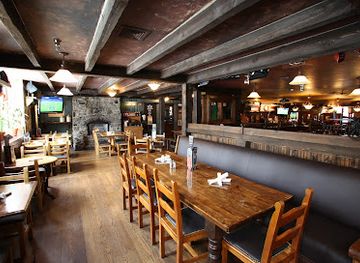
Rí Rá Irish Pub
Discover the vibrant heart of Ireland at Rí Rá Irish Pub, where authentic cuisine and a lively atmosphere await every visitor.

Best nightclubs in Chittenden County
Burlington is the county's main centre for evening activity, with pubs, breweries, cocktail bars, live-music rooms and restaurants concentrated around downtown, Church Street and nearby waterfront areas. The University of Vermont helps sustain a youthful element, but the evening scene also includes quieter wine bars, neighbourhood establishments and venues serving a broad local community. Burlington's music culture ranges from small performances to larger programmed events, though schedules and venues change. Outside the city, nightlife is more dispersed and generally focuses on historic inns, taverns, breweries, restaurants and community events rather than a large club circuit. South Burlington, Winooski and nearby Essex add further dining and drinks options, while rural towns tend to close earlier and require a planned ride home. Visitors should check current transport and venue arrangements, particularly in winter, and should not rely on walking between widely separated rural establishments.
-
Bar
Red Square
Discover Red Square in Burlington, Vermont – a lively bar and nightclub perfect for unforgettable nights filled with music and fun.
-
Night club
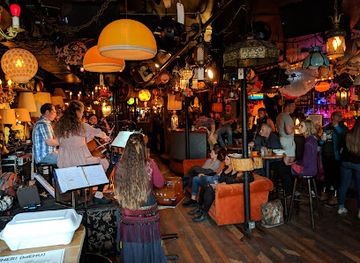
Light Club Lamp Shop
Experience the vibrant nightlife at Light Club Lamp Shop in Burlington, VT – a night club with eclectic decor and live music.
-
Cocktail bar
Devil Takes A Holiday
Discover the vibrant cocktail culture of Burlington at Devil Takes A Holiday, where innovative drinks and a lively atmosphere await.
-
Social club
St. John's Club
Discover Burlington's vibrant social scene at St. John's Club, where community and great music come together in a welcoming atmosphere.


Best shops in Chittenden County
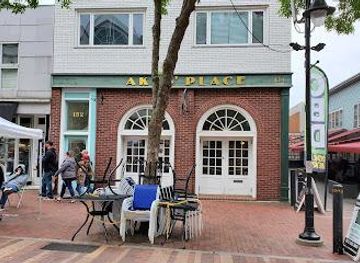
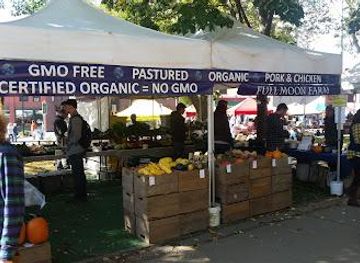
Burlington provides Chittenden County's broadest shopping choice, with independent retailers, bookshops, galleries, cafés and national brands centred on Church Street Marketplace and adjoining downtown streets. The city is a useful place to look for Vermont-made food, ceramics, textiles, jewellery, books and outdoor equipment, although visitors should distinguish genuinely local products from generic souvenirs. Winooski and South Burlington offer further retail and dining areas, while Shelburne, Charlotte and the smaller towns are better suited to farm stands, producers' shops, antiques, craft studios and gallery browsing than to extensive high-street shopping. Farmers' markets, particularly in the warmer season, are good places to find maple syrup, cheese, preserves, baked goods, apples and seasonal produce; operating days vary. Local breweries and food producers also sell packaged goods that travel well, subject to customs and airline rules. Rural shopping often involves driving between locations, so check opening arrangements and bring reusable bags where appropriate.
-
Shopping mall
Church Street Marketplace
Experience the lively atmosphere of Church Street Marketplace in Burlington, where shopping, dining, and culture come together in a vibrant pedestrian hub.
-
Shopping mall
Essex Experience
Explore the Essex Experience for a perfect blend of shopping, dining, and entertainment in the heart of Vermont's vibrant community.
-
Farmers' market
Burlington Farmers Market
Experience the vibrant culture and fresh flavors at the Burlington Farmers Market, where local farmers and artisans come together every Saturday.
-
Gift shop
Vermont Gift Barn
Explore Vermont Gift Barn for unique local crafts, art, and gifts that capture the essence of Vermont's rich culture and artistry.


Get your free copy of our complete guide to Chittenden County, delivered straight to you.
Everything on this page, from attractions and restaurants to essentials and local phrases, in one PDF you can read offline, print or share.
Already have an account? Sign in
Your Chittenden County guide is ready.
We'll send it to · Not you? Sign out

Getting your guide ready…
We are putting together a fresh copy of the Chittenden County guide. This can take up to a minute.
This can take a few moments. If your browser asks, choose Allow so the download can start. You'll find the guide in your Downloads folder.
Nothing happened? Download it again
Sorry, the guide is taking longer than usual. Please try again in a minute, or get it by email instead.
Chittenden County essentials
Currency and Payment
Safety
Emergency Situations
Do's and Don'ts
Local Tips
From Eve
Local phrases worth knowing
You don't need to get them perfect. A few words go a long way, and locals appreciate the effort.
Basics
| English | Local | Say it |
|---|---|---|
| Hello | Hey there | [Hey thair] |
| Goodbye | See ya | [See yah] |
| Yes | Yup | [Yup] |
| No | Nope | [Nope] |
| Please/You're welcome | Please/No problem | [Pleez/No prob] |
| Thank you | Thanks | [Thangs] |
| Excuse me/Sorry | Excuse me/Sorry | [Exkyooz mee/Soree] |
| How are you? | How's it going? | [Hows it goin?] |
| Fine. And you? | Good. You? | [Good. Yoo?] |
| Do you speak English? | Do ya speak English? | [Doo yah speek English?] |
| I don't understand | I don't get it | [I dont get it] |
Eating & Drinking
| English | Local | Say it |
|---|---|---|
| I'd like to see the menu, please | Can I see the menu, please? | [Can I see the menoo, pleez?] |
| I don't eat meat | I'm vegetarian | [Im vejitarian] |
| Cheers! | Cheers! | [Cheers!] |
| I would like to pay, please | Can I get the check, please? | [Can I get the chek, pleez?] |
Emergencies
| English | Local | Say it |
|---|---|---|
| Help! | Help! | [Help!] |
| Go away! | Leave me alone! | [Leev me aloon!] |
| Call the Police! | Call the cops! | [Call the cops!] |
| Call a doctor! | Get a doctor! | [Get a doctor!] |
| I'm lost | I'm kinda lost | [Im kinda lost] |
| I'm ill | I'm not feeling well | [Im not feelin well] |
Shopping
| English | Local | Say it |
|---|---|---|
| I'd like to buy... | I want to buy... | [I want to buy...] |
| I'm just looking | Just browsing, thanks | [Just browsing, thangs] |
| How much is it? | What's the price? | [Whats the price?] |
| That's too expensive | That's a bit pricey | [Thats a bit pricey] |
| Can you lower the price? | Can you make it cheaper? | [Can you make it cheepr?] |
Time & Numbers
| English | Local | Say it |
|---|---|---|
| What time is it? | What time is it? | [What time is it?] |
| It's one o'clock | It's one | [Its wun] |
| Half past (10) | Half past ten | [Half past ten] |
| Morning | Morning | [Morning] |
| Afternoon | Afternoon | [Afternoon] |
| Evening | Evening | [Evening] |
| Yesterday | Yesterday | [Yesterday] |
| Today | Today | [Today] |
| Tomorrow | Tomorrow | [Tomorrow] |
| 1 | One | [Wun] |
| 2 | Two | [Too] |
| 3 | Three | [Three] |
| 4 | Four | [For] |
| 5 | Five | [Fiv] |
| 6 | Six | [Six] |
| 7 | Seven | [Sevuhn] |
| 8 | Eight | [Ait] |
| 9 | Nine | [Nin] |
| 10 | Ten | [Ten] |
Transport & Directions
| English | Local | Say it |
|---|---|---|
| Where's a/the...? | Where's the...? | [Wheres the...?] |
| What's the address? | What's the address? | [Whats the address?] |
| Can you show me (on the map)? | Can you point it out? | [Can you point it out?] |
| When's the next (bus)? | When's the next bus? | [Whens the next bus?] |
| A ticket (to ....) | A ticket to ... | [A tiket to ...] |
History of Chittenden County
Abenaki homelands and Lake Champlain travel
The Champlain Valley has long been part of the homeland and travel landscape of Western Abenaki peoples, whose communities used the lake, rivers, wetlands and surrounding forests for transport, fishing, hunting and cultivation. European descriptions often reduced these complex Indigenous relationships to a backdrop for later settlement, but the region's history begins earlier. Lake Champlain formed a natural corridor between the Hudson and St Lawrence watersheds, connecting communities across what are now Vermont, New York and Quebec. Contemporary visitors can encounter Abenaki history through regional interpretation and should understand that Indigenous communities remain part of Vermont's present, not only its past.
European exploration and colonial rivalry
French explorer Samuel de Champlain travelled on the lake that now bears his name in 1609, entering a region already shaped by Indigenous diplomacy and competition. During the seventeenth and eighteenth centuries, the Champlain Valley became a contested frontier between French and British imperial interests, with military and trading activity concentrated farther north and south as well as along the lake. Permanent European settlement developed gradually, influenced by waterways, agriculture and access to timber. The county's location made it a meeting point between New England, the Hudson Valley and the St Lawrence corridor.
The Green Mountain Boys and the American Revolution
In the years before and during the American Revolution, the territory that became Chittenden County was involved in disputes over land titles and political authority. Ethan Allen, associated with the Green Mountain Boys, became a prominent figure in resistance to New York's claims over the New Hampshire Grants. His capture at the outbreak of the Revolution and later career helped make him one of Vermont's best-known historical figures. The Ethan Allen Homestead in Burlington preserves part of this story, although the revolutionary struggle involved many communities and cannot be reduced to one individual.
Burlington's port and commercial growth
Burlington's position on Lake Champlain transformed it from a small settlement into Vermont's principal commercial centre. Water transport connected the town with the Champlain Valley, the Hudson River and communities in New York and Quebec, while timber, agricultural goods and manufactured products moved through the port. The lake's importance was later reinforced by canals and railways, which broadened Burlington's trading reach. Waterfront activity changed over time as shipping, industry and transport technologies evolved, but the city's orientation towards the lake remains one of the clearest historical features of the county.
Railways, industry and urbanisation
Nineteenth-century railway expansion altered the county's economy and settlement pattern. Rail links strengthened Burlington's role as a distribution centre, encouraged industrial development and connected inland communities to the lake port. Agriculture remained important, particularly in Shelburne, Charlotte and the rural eastern towns, while mills and later manufacturing supported growing settlements. The region's built environment still records this transition through historic commercial blocks, railway-related infrastructure, village mills and farm landscapes. The long-term shift from water and rail freight towards roads and modern logistics changed the waterfront and helped shape the suburban growth surrounding Burlington.
Education, reform and civic culture
The University of Vermont, founded in Burlington in 1791, became a major intellectual and civic institution in the county and one of the oldest universities in the United States. Its presence contributed to the city's educational, medical and cultural development, alongside institutions such as the University of Vermont Medical Center and a network of museums and arts organisations. Burlington's civic identity was also shaped by reform movements, public parks and debate over the uses of its waterfront. These institutions help explain why the county has a cultural life disproportionate to its population.
Conservation, farms and the modern visitor economy
During the twentieth century, changing agriculture, suburban expansion and the decline of traditional industrial activity altered the county's rural and urban landscapes. Shelburne Farms, Shelburne Museum and other institutions helped preserve important buildings, collections and working landscapes while presenting them to the public. Burlington's waterfront was gradually reshaped around parks, recreation and civic use, and local food, brewing and outdoor tourism became increasingly prominent. Today Chittenden County combines a growing metropolitan area with protected shorelines, farms and village landscapes, creating the balance between development and conservation that defines many contemporary debates in Vermont.
Chittenden County in Photos
Browse through our photo collection highlighting the charm and character of the destination.
Neighbouring regions of Chittenden County
The closest regions to Chittenden County, if you have time for more than one.
-
-

-

-

-


Swipe for more regions
Explore more

Explore more of Vermont
Discover Vermont: A year-round haven of natural beauty, charming towns, and rich heritage in the Green Mountain State.
Explore Vermont