

Free Franklin County Travel Guide & Mobile App
Explore Franklin County with free travel guides. Discover regional history, expert tips, proposed trips, and audio guides on web or mobile app.


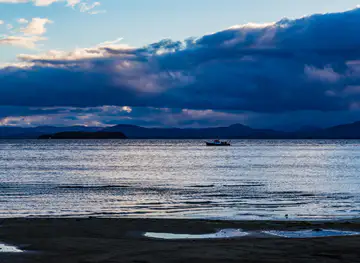
Franklin County, Vermont, combines Lake Champlain shores, maple farms, wildlife wetlands, dairy country and St Albans' railway-era heritage.
Read more about Franklin County
Getting to and around Franklin County
How to get there
Transportation
Top city travel guides in Franklin County
The cities of Franklin County, and the easiest places to base yourself.

Swipe for more cities
Destinations in Franklin County
Resorts, valleys and scenic spots worth a trip of their own.
-

-

-

-


Swipe for more destinations
Best attractions in Franklin County
Franklin County's attractions are rooted in landscape, working agriculture and regional history rather than a concentration of large commercial sights. St Albans offers heritage interpretation, a historic downtown and the annual Vermont Maple Festival, which explains the importance of sugaring to northern Vermont. The Missisquoi National Wildlife Refuge is the county's principal nature destination, protecting marshes, river habitats and fields used by migratory birds; trails and observation points are best approached with patience and seasonal clothing. The Missisquoi River and its valley provide opportunities for wildlife watching, paddling in suitable conditions and exploring quiet rural scenery. The Missisquoi Valley Rail Trail follows a former railway corridor through farms, woods and villages and is used by walkers, cyclists and snowmobilers according to the season. Lake Champlain's St Albans Bay brings open-water views and boating possibilities, while the county's maple farms, dairy landscapes and covered bridges reveal its agricultural character. Small museums, local historical societies, village greens and farm shops add context to the larger natural attractions. There is little need to rush between sites: the county is best understood through a combination of short heritage visits, trail time, scenic drives and conversations with the region's food and farming traditions.
-
State park
Lake Carmi State Park
Explore Lake Carmi State Park, Vermont: A natural paradise for outdoor adventures, serene landscapes, and unforgettable experiences in nature.
-
 Tourist attraction
Franklin County fair
Discover the vibrant Franklin County Fair in St. Albans, Vermont, where local culture, fun rides, and delicious food come together for an unforgettable experience.

Best landmarks in Franklin County
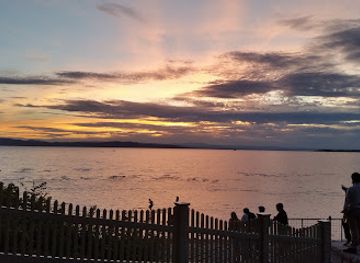
St Albans' historic centre and civic buildings are the county's most recognisable architectural landmarks, expressing the prosperity that railways and commerce brought to the town in the nineteenth century. The St Albans railway station remains a reminder of the town's former role as a major northern Vermont transport junction, while local museums interpret the 1864 Confederate raid and the area's agricultural history. Along the Missisquoi River, the Missisquoi National Wildlife Refuge is both a geographical landmark and a significant conservation landscape, with broad wetlands and open views that differ sharply from Vermont's mountain scenery. Lake Champlain and St Albans Bay form the county's western natural edge, offering changing perspectives across the water towards the Adirondacks. Highgate Falls Covered Bridge is a characteristic example of the timber bridge tradition found in Vermont's rural valleys. The Missisquoi Valley itself, shaped by the river, farms and wooded rises, is perhaps the county's defining landscape landmark. Together these places show Franklin County's identity as a borderland of waterways, agriculture, rail transport and wetland habitat rather than a region dominated by monumental architecture.
-
Resort hotel
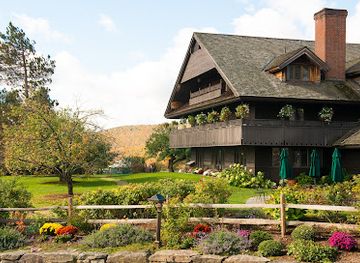
Trapp Family Lodge
Experience the ultimate mountain retreat at Trapp Family Lodge, combining Austrian charm with outdoor adventures in scenic Stowe, Vermont.
-
Monument
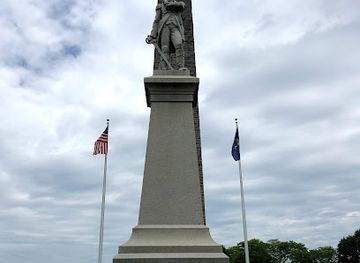
Bennington Battle Monument
Explore the iconic Bennington Battle Monument, an emblem of American history with breathtaking views and rich Revolutionary War heritage.
-
Event venue
Champlain Valley Exposition
Experience the vibrant Champlain Valley Exposition in Essex Junction, Vermont, where local culture, entertainment, and community come alive in an inviting atmosphere.
-
Historical place museum
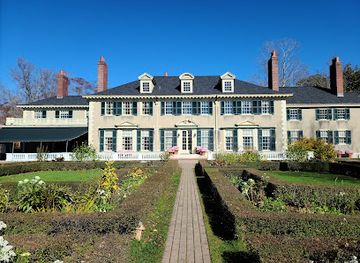
Hildene, The Lincoln Family Home- Welcome Center
Explore Hildene, the Lincoln Family Home, a historical gem in Vermont that offers a captivating journey through American history, gardens, and sustainable farming.

Explore Franklin County on the map
Plan your trip on one map. See where the top cities, national parks and sights are, and book hotels and experiences in a few clicks.
Best hotels in Franklin County
Best restaurants in Franklin County
Dining in Franklin County reflects northern Vermont's agricultural economy and its proximity to the Champlain Valley and Quebec. St Albans has the broadest selection of cafés, family restaurants, pubs and casual dining, while smaller towns and villages tend to offer fewer but locally rooted options. Menus commonly draw on Vermont dairy, cheddar and other regional cheeses, maple syrup, apples, seasonal vegetables and locally raised meat. Breakfasts, baked goods and hearty soups suit the county's farming and outdoor culture, and maple appears in both sweet and savoury preparations during the sugaring season. Farm stands and markets are useful for fresh produce, maple candy and pantry goods, although opening patterns can be seasonal. Rural inns and pub-style establishments provide a traditional setting, while newer cafés and contemporary restaurants reflect the presence of visitors, commuters and nearby university communities. Craft beer and Vermont-made cider are widely available within the state's broader food-and-drink culture. Visitors should distinguish between businesses in the county and the better-known culinary destinations elsewhere in Vermont, and check current opening arrangements before travelling to a rural dining spot.
-
Restaurant
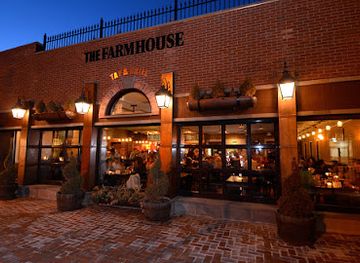
Farmhouse Tap & Grill (Vermont)
Experience farm-to-table dining at its finest in Burlington's beloved Farmhouse Tap & Grill - where local flavors meet a welcoming atmosphere.
-
Restaurant
Simon Pearce
Discover culinary excellence at Simon Pearce in Quechee, Vermont—where fine dining meets stunning artistry amidst breathtaking river views.
-
Breakfast
Maple Sugar & Vermont Spice
Discover authentic Vermont flavors at Maple Sugar & Vermont Spice - your go-to breakfast destination in beautiful Mendon.
-
Restaurant
The Bench
Discover The Bench in Stowe: A vibrant American restaurant offering comfort food and craft beverages amidst Vermont's beautiful scenery.
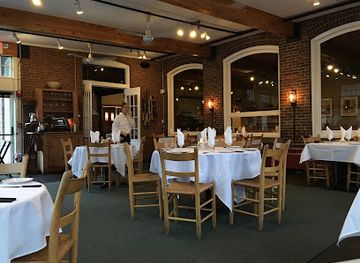
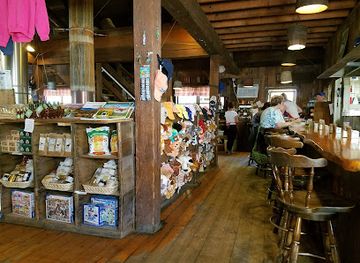
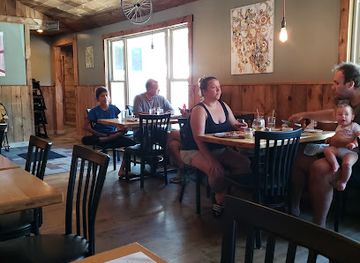
Best bars in Franklin County
Franklin County's evening life is modest and community-oriented rather than centred on large nightclubs. St Albans has the county's main concentration of bars, pubs and restaurants, with evenings often focused on food, conversation, televised sport or occasional live music. Traditional taverns and pub-style venues provide a place to sample Vermont beer and cider, while some restaurants offer cocktails and local products in a quieter setting. In smaller communities such as Swanton and Enosburg Falls, evening options are more limited and may depend on individual restaurants, seasonal events or local music programmes. The county's rural character means that many visitors return to accommodation after dinner, particularly outside summer and festival periods. Anyone planning a late night should arrange transport in advance, as taxis and app-based services may be scarce beyond St Albans. Alcohol is not central to every local social occasion, and breweries, cafés, community events and live performances can offer alternatives to bar-based nightlife.
-
Restaurant
Farmhouse Tap & Grill (Vermont)
Experience the best of Vermont's farm-to-table dining at Farmhouse Tap & Grill, where fresh, local ingredients meet a vibrant atmosphere.
-
Bar
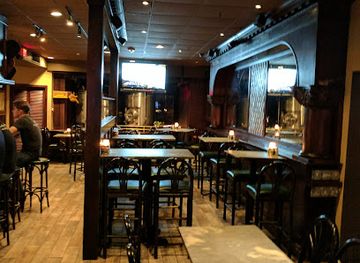
The Vermont Pub & Brewery
Discover the heart of Burlington at The Vermont Pub & Brewery, where local craft beer meets delicious dining in a warm and inviting atmosphere.
-
Restaurant
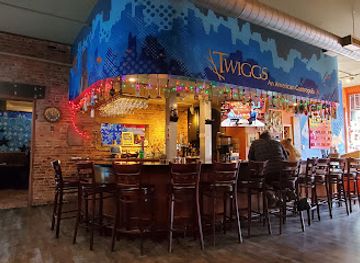
Twiggs American Gastropub
Experience the best of American cuisine at Twiggs American Gastropub, a local favorite in St. Albans City, Vermont.
-
American
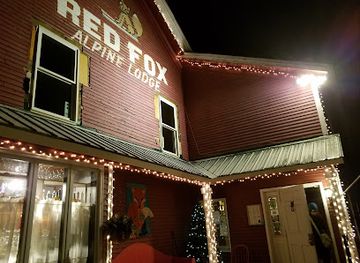
Martell's at the Red Fox
Discover the vibrant atmosphere and delicious American cuisine at Martell's at the Red Fox, a local favorite in Jeffersonville, Vermont.
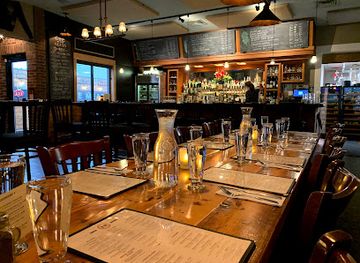
Best nightclubs in Franklin County
Franklin County's evening life is modest and community-oriented rather than centred on large nightclubs. St Albans has the county's main concentration of bars, pubs and restaurants, with evenings often focused on food, conversation, televised sport or occasional live music. Traditional taverns and pub-style venues provide a place to sample Vermont beer and cider, while some restaurants offer cocktails and local products in a quieter setting. In smaller communities such as Swanton and Enosburg Falls, evening options are more limited and may depend on individual restaurants, seasonal events or local music programmes. The county's rural character means that many visitors return to accommodation after dinner, particularly outside summer and festival periods. Anyone planning a late night should arrange transport in advance, as taxis and app-based services may be scarce beyond St Albans. Alcohol is not central to every local social occasion, and breweries, cafés, community events and live performances can offer alternatives to bar-based nightlife.
-
Bar
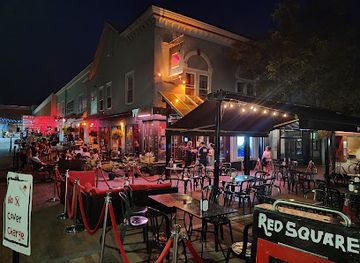
Red Square
Discover Burlington's vibrant nightlife at Red Square, a lively bar and nightclub offering great drinks, live music, and unforgettable experiences.
-
Night club
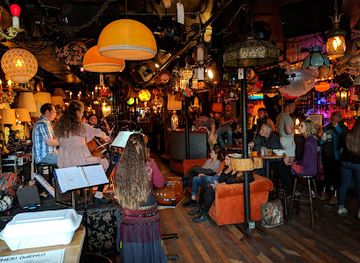
Light Club Lamp Shop
Experience Burlington's nightlife at Light Club Lamp Shop, where eclectic decor and live music create an unforgettable atmosphere.
-
Live Music
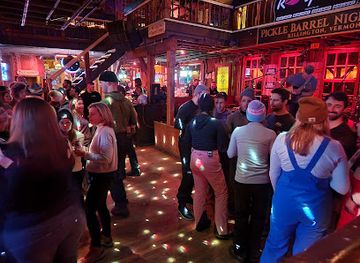
Pickle Barrel Nightclub
Experience the electrifying nightlife at Pickle Barrel Nightclub in Killington, Vermont – where live music and vibrant energy come together.
-
Social club
St. John's Club
Discover the vibrant atmosphere and friendly community at St. John's Club, Burlington's premier social destination.
Best shops in Franklin County
-
Shopping mall
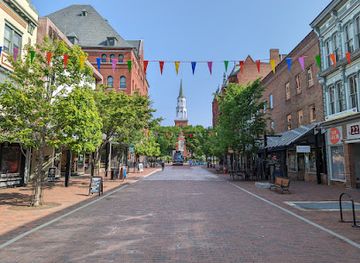
Church Street Marketplace
Experience the lively Church Street Marketplace in Burlington, Vermont, where shopping, dining, and entertainment come together in a vibrant pedestrian-friendly setting.
-
Gift shop
ECHO, Leahy Center for Lake Champlain
Explore ECHO, Leahy Center for Lake Champlain: A vibrant science museum with interactive exhibits, stunning lake views, and educational fun for all ages.
-
Gift shop
Lake Champlain Chocolates Flagship Store
Experience the sweet side of Burlington at Lake Champlain Chocolates Flagship Store, where exquisite chocolates and delightful treats await every visitor.
-
Ski resort
Stowe Mountain Resort
Explore Stowe Mountain Resort, Vermont’s premier destination for skiing and year-round outdoor adventures, surrounded by breathtaking mountain views.


Get your free copy of our complete guide to Franklin County, delivered straight to you.
Everything on this page, from attractions and restaurants to essentials and local phrases, in one PDF you can read offline, print or share.
Already have an account? Sign in
Your Franklin County guide is ready.
We'll send it to · Not you? Sign out

Getting your guide ready…
We are putting together a fresh copy of the Franklin County guide. This can take up to a minute.
This can take a few moments. If your browser asks, choose Allow so the download can start. You'll find the guide in your Downloads folder.
Nothing happened? Download it again
Sorry, the guide is taking longer than usual. Please try again in a minute, or get it by email instead.
Franklin County essentials
Currency and Payment
Safety
Emergency Situations
Do's and Don'ts
Local Tips
From Eve
Local phrases worth knowing
You don't need to get them perfect. A few words go a long way, and locals appreciate the effort.
Basics
| English | Local | Say it |
|---|---|---|
| Hello | Hiya | [Hiah] |
| Goodbye | See ya | [See yah] |
| Yes | Yup | [Yup] |
| No | Nah | [Nah] |
| Please/You're welcome | Sure thing | [Shur thing] |
| Thank you | Thanks a lot | [Thangs a lot] |
| Excuse me/Sorry | Pardon me | [Pardon me] |
| How are you? | How's it going? | [How's it goin'?] |
| Fine. And you? | Good, and you? | [Good, an' you?] |
| Do you speak English? | You speak English? | [Ya speak English?] |
| I don't understand | I ain't gettin' it | [I ain't gettin' it] |
Eating & Drinking
| English | Local | Say it |
|---|---|---|
| I'd like to see the menu, please | Can I see the menu? | [Can I see the menu?] |
| I don't eat meat | I ain't eatin' meat | [I ain't eatin' meat] |
| Cheers! | Cheers! | [Cheers!] |
| I would like to pay, please | Can I get the check, please? | [Can I get the check, please?] |
Emergencies
| English | Local | Say it |
|---|---|---|
| Help! | Help! | [Help!] |
| Go away! | Leave me be! | [Leave me be!] |
| Call the Police! | Call the cops! | [Call the cops!] |
| Call a doctor! | Get a doctor! | [Get a doc!] |
| I'm lost | I'm all turned around | [I'm all turned around] |
| I'm ill | I'm feelin' sick | [I'm feelin' sick] |
Shopping
| English | Local | Say it |
|---|---|---|
| I'd like to buy... | I wanna buy... | [I wanna buy...] |
| I'm just looking | Just lookin' | [Just lookin'] |
| How much is it? | What’s the price? | [What’s the price?] |
| That's too expensive | That's way too pricey | [That's way too pricey] |
| Can you lower the price? | Can ya do better on the price? | [Can ya do better on the price?] |
Time & Numbers
| English | Local | Say it |
|---|---|---|
| What time is it? | What time's it? | [What time's it?] |
| It's one o'clock | It's one | [It's one] |
| Half past (10) | Half past ten | [Half past ten] |
| Morning | Mornin' | [Mornin'] |
| Afternoon | Afternoon | [Afternoon] |
| Evening | Evenin' | [Evenin'] |
| Yesterday | Yesterday | [Yesterday] |
| Today | Today | [Today] |
| Tomorrow | Tomorrow | [Tomorrow] |
| 1 | One | [One] |
| 2 | Two | [Two] |
| 3 | Three | [Three] |
| 4 | Four | [Four] |
| 5 | Five | [Five] |
| 6 | Six | [Six] |
| 7 | Seven | [Seven] |
| 8 | Eight | [Eight] |
| 9 | Nine | [Nine] |
| 10 | Ten | [Ten] |
Transport & Directions
| English | Local | Say it |
|---|---|---|
| Where's a/the...? | Where’s a...? | [Where’s a...?] |
| What's the address? | What's the address? | [What's the address?] |
| Can you show me (on the map)? | Can you point it out? | [Can you point it out?] |
| When's the next (bus)? | When's the next bus? | [When's the next bus?] |
| A ticket (to ....) | A ticket to... | [A ticket to...] |
History of Franklin County
Abenaki Homeland and Missisquoi Valley
Before European settlement, the Missisquoi Valley and Lake Champlain shore formed part of the homeland and travel network of the Western Abenaki. The river, wetlands and lake supplied routes, fish, wildlife and fertile areas for cultivation. Abenaki history is not confined to the distant past: the Missisquoi Abenaki community and descendants continue to maintain cultural connections with the region. Place names, archaeological evidence and the enduring importance of the river all point to a landscape shaped by Indigenous use long before Vermont existed as a European-American political territory.
Colonial Settlement and the Northern Frontier
European-American settlement expanded in the eighteenth and early nineteenth centuries along the Missisquoi River, Lake Champlain and routes linking northern Vermont with Quebec. Farming communities developed around cleared land, mills and waterways, while the border remained a zone of movement and uncertainty. Towns including St Albans, Swanton and Highgate acquired civic institutions as Vermont's population grew. The resulting landscape of village centres, farmsteads, covered bridges and river corridors reflects the transition from Indigenous travel networks to settled agricultural communities.
Canals, Railways and St Albans' Rise
Transportation transformed Franklin County during the nineteenth century. The Champlain Canal connected Lake Champlain with the Hudson River system, while later railway construction gave St Albans an especially important position in regional trade. Rail links connected northern Vermont with Montreal, the Champlain Valley and New England markets, moving agricultural goods, timber and passengers. St Albans developed as a railway town, and its streets, commercial buildings and surviving railway facilities retain evidence of the prosperity and population growth brought by this new transport economy.
Dairy Farming and Agricultural Change
The county's broad valleys and relatively productive soils encouraged mixed farming, but dairy became particularly important from the nineteenth century onwards. Railways made it easier to move milk, butter, cheese and livestock to distant markets, encouraging specialised farm production. Dairy remains a defining part of Franklin County's working landscape, even as farm numbers and methods have changed. Maple sugaring, hay production and small-scale agricultural enterprises add further layers to a countryside still shaped by seasonal work and the relationship between farms, forests and local processing.
The St Albans Raid, 1864
On 19 October 1864, Confederate soldiers who had crossed into Canada raided St Albans during the American Civil War. They robbed local banks, killed a resident and attempted to create a diversion on the northern frontier before retreating across the border. The raid was small in military terms but had an outsized effect on local memory and national anxiety about border security. Museums and historic interpretation in St Albans preserve the story, while the event remains one of the most distinctive episodes in the town's past.
Border, Industry and Modern Connectivity
Franklin County's proximity to Quebec has continued to influence commerce, transport and family connections, although the international border also imposes formal controls and changing regulations. Railways became less dominant as roads and motor vehicles expanded, while manufacturing, food processing, education and service industries joined agriculture as important employers. The county's modern identity combines a working rural economy with access to Montreal, the wider Champlain Valley and northern New England. Historic infrastructure now shares the landscape with contemporary farms, conservation areas and cross-border transport routes.
Conservation and Heritage Tourism
During the twentieth and twenty-first centuries, protection of wetlands, river corridors and open countryside became increasingly important. The Missisquoi National Wildlife Refuge safeguards internationally significant wetland habitat, while rail trails and local heritage organisations give former transport routes new public uses. Heritage events, maple celebrations, museums and farm-based tourism interpret the county's agricultural and railway traditions without separating them from present-day life. This combination of conservation and community history has broadened Franklin County's appeal beyond its traditional role as a farming and transport district.
Franklin County in Photos
Browse through our photo collection highlighting the charm and character of the destination.
Neighbouring regions of Franklin County
The closest regions to Franklin County, if you have time for more than one.
-

-

-

-

-


Swipe for more regions
Explore more

Explore more of Vermont
Discover Vermont: A year-round haven of natural beauty, charming towns, and rich heritage in the Green Mountain State.
Explore Vermont