

Free Champlain Valley Travel Guide & Mobile App
Explore Champlain Valley with free travel guides. Discover regional history, expert tips, proposed trips, and audio guides on web or mobile app.


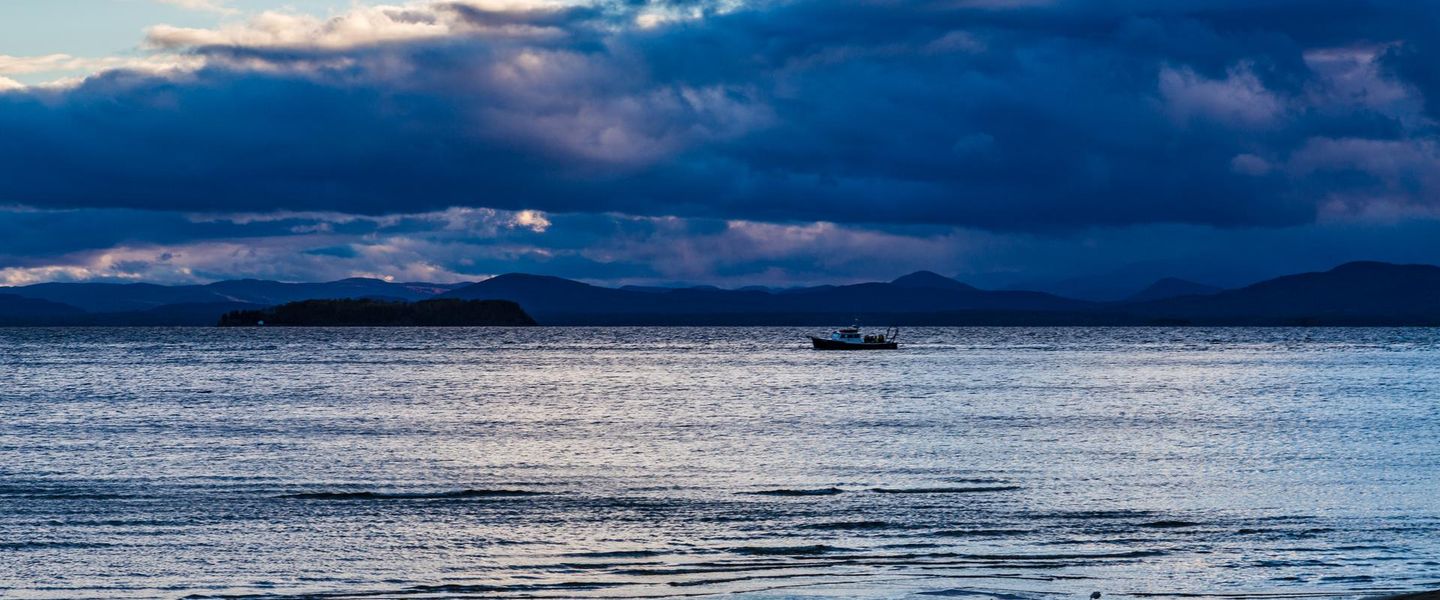


Explore Vermont’s Champlain Valley for lake views, historic towns, working farms, islands, cycling, museums and locally produced food.
Read more about Champlain Valley
Getting to and around Champlain Valley
How to get there
Transportation
Top city travel guides in Champlain Valley
The cities of Champlain Valley, and the easiest places to base yourself.
-

-

-


Swipe for more cities
Destinations in Champlain Valley
Resorts, valleys and scenic spots worth a trip of their own.
-

-

-

-

-

-


Swipe for more destinations
Best attractions in Champlain Valley
Champlain Valley attractions range from Burlington’s waterfront, bicycle path and lake-focused ECHO science centre to the extensive collections and historic buildings of Shelburne Museum. Shelburne Farms adds a working landscape of fields, woodland, shoreline and conservation education, while the Shelburne area also includes important historic houses and gardens. In Addison County, visitors can combine Middlebury’s museums and cultural institutions with rural drives, farm shops and access to the Otter Creek landscape. The islands offer beaches, birdwatching, orchards, farm stands and gentle cycling routes, while Sand Bar State Park provides a popular lakefront setting. Walkers can climb Mount Philo in Charlotte or Snake Mountain near Weybridge for broad valley views, and boaters, anglers and paddlers find opportunities on Lake Champlain and its tributaries. Historic sites such as Chimney Point State Historic Site and Rokeby Museum place the valley’s settlement, transport and social history in a more specific context. The attraction landscape is defined less by one concentrated resort than by the relationship between a small city, working countryside, a large lake and numerous places where environmental and human history overlap.
-
Ice Cream
Ben & Jerry’s
Experience the iconic Ben & Jerry’s in Waterbury, Vermont, where delightful ice cream flavors and a fun atmosphere create sweet memories.
-
Park
Waterfront Park
Explore Burlington's Waterfront Park: A scenic retreat on Lake Champlain ideal for relaxation, recreation, and unforgettable views.
-
Museum
Shelburne Museum
Discover the vibrant blend of art and history at Shelburne Museum, a must-visit destination in Vermont for culture enthusiasts and families alike.
-
Science museum
ECHO, Leahy Center for Lake Champlain
Explore science and nature at ECHO, Leahy Center for Lake Champlain, a must-visit destination for families and nature enthusiasts in Burlington, Vermont.

Best landmarks in Champlain Valley
Lake Champlain is the valley’s dominant natural landmark, forming a broad inland waterway whose changing light, islands and distant mountain horizons define views from Burlington, Charlotte and the northern shore. Burlington’s waterfront and its historic downtown form the region’s principal urban landmark ensemble, combining nineteenth-century commercial buildings with the city’s civic and cultural life. Shelburne Farms is significant not only as an estate but as a carefully preserved agricultural landscape that illustrates the valley’s relationship with farming, conservation and education. In Vergennes, the historic town centre and Otter Creek setting recall the importance of water-powered industry and early commerce. Chimney Point State Historic Site marks an important crossing and military corridor at the lake’s southern end, while Rokeby Museum in Ferrisburgh preserves a nationally significant story of social reform and African American history within a rural setting. Mount Philo provides one of the most recognisable elevated views over the Vermont shore, farmland and lake, and Snake Mountain offers a contrasting perspective from the central valley. Together these landmarks show that Champlain Valley identity rests on landscape, transport, agriculture and layered human history rather than on monumental architecture alone.
-
Museum
Shelburne Museum
Explore the Shelburne Museum, where art, history, and stunning landscapes converge to create a unique cultural experience in Vermont.
-
Historical landmark
His Majesty's Fort at Crown Point
Explore His Majesty's Fort at Crown Point, a historic landmark with stunning views of Lake Champlain and rich colonial history.
-
History museum
Calvin Coolidge Historic Site
Explore the Calvin Coolidge Historic Site in Vermont, a captivating journey into the life of America's 30th president amidst picturesque landscapes.
-
Museum
Ethan Allen Homestead Museum and Historic Site
Discover Vermont's revolutionary past at the Ethan Allen Homestead Museum, where history comes alive through engaging exhibits and beautiful grounds.
Explore Champlain Valley on the map
Plan your trip on one map. See where the top cities, national parks and sights are, and book hotels and experiences in a few clicks.
Best hotels in Champlain Valley
Best restaurants in Champlain Valley
Dining in the Champlain Valley reflects Vermont’s agricultural economy and the lake region’s mixed rural and urban character. Burlington has the broadest range of restaurants, from casual cafés and bakeries to contemporary kitchens that make use of regional vegetables, dairy products, meat, grains and seasonal fruit. Middlebury and Vergennes offer smaller-town dining alongside cafés, pubs and restaurants serving visitors passing through the valley. Farm stands, orchard outlets and producers provide opportunities to buy apples, cider, maple products, cheeses, preserves and baked goods, with availability changing through the year. Dairy farming is particularly important in Addison County and the wider valley, while local craft beer and spirits are common features of the modern food scene. Along the lake and on the islands, seasonal produce and relaxed outdoor eating are more prominent than formal waterfront dining. Menus change markedly between summer, autumn harvest and winter, so visitors should expect local sourcing to mean seasonality rather than a fixed regional menu.
-
Restaurant
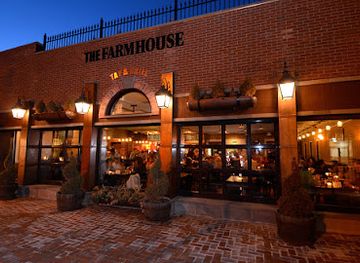
Farmhouse Tap & Grill (Vermont)
Discover the heart of Vermont's culinary scene at Farmhouse Tap & Grill – where local ingredients meet exceptional flavors.
-
Brewery
American Flatbread Burlington
Discover American Flatbread in Burlington - where artisan pizzas meet craft beer in a cozy atmosphere.
-
Restaurant
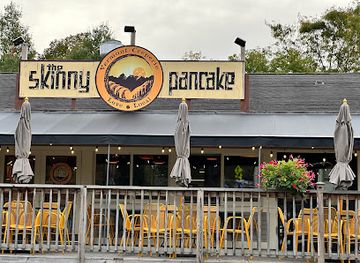
The Skinny Pancake Burlington
Discover the unique flavors of Vermont at The Skinny Pancake Burlington, renowned for its delicious crepes made with locally sourced ingredients.
-
American
Waterworks Food + Drink
Experience exquisite American cuisine at Waterworks Food + Drink in Winooski, VT - where stunning views meet exceptional flavors.
Best bars in Champlain Valley
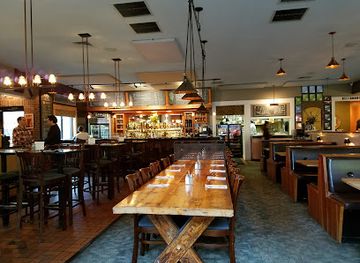
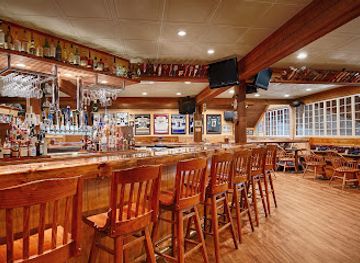
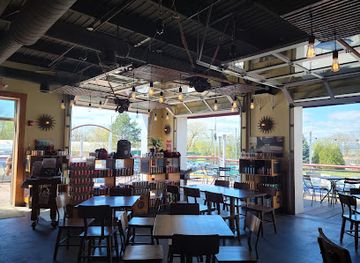
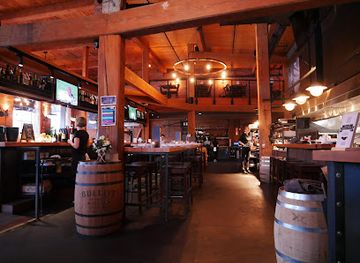
Burlington is the Champlain Valley’s main evening centre, with a concentration of pubs, breweries, cocktail bars, restaurants, live-music venues and small cultural spaces around downtown and the waterfront. The city’s nightlife is shaped by its university population and year-round local community, but it extends beyond student venues through established restaurants, theatres and performance spaces. Middlebury also has a modest evening scene supported by its college, with pubs, cafés and restaurants rather than a large club district. In Vergennes and the rural parts of Addison County, evenings generally centre on traditional pubs, dining rooms, brewery taprooms and community events. The islands and smaller lakeside settlements are quieter, with seasonal activity and early-closing businesses more typical than late-night entertainment. Visitors should treat drinking as one element of the evening rather than the region’s defining cultural activity, and arrange a designated driver or taxi when travelling between rural venues.
-
Restaurant
Farmhouse Tap & Grill (Vermont)
Discover the flavors of Vermont at Farmhouse Tap & Grill, where local ingredients meet creative cuisine in a cozy gastropub setting.
-
Bar
Windjammer Restaurant & Upper Deck Pub
Experience the best of seafood and steak dining at Windjammer Restaurant & Upper Deck Pub in South Burlington, Vermont, with family-friendly service and stunning views.
-
Cider bar
Citizen Cider
Citizen Cider: A Premier Cider Bar in Burlington, Vermont, Offering Craft Ciders and Delicious Brunch in a Welcoming Atmosphere.
-
American
Waterworks Food + Drink
Indulge in American cuisine with stunning river views at Waterworks Food + Drink, Winooski's finest dining experience.
Best nightclubs in Champlain Valley
Burlington is the Champlain Valley’s main evening centre, with a concentration of pubs, breweries, cocktail bars, restaurants, live-music venues and small cultural spaces around downtown and the waterfront. The city’s nightlife is shaped by its university population and year-round local community, but it extends beyond student venues through established restaurants, theatres and performance spaces. Middlebury also has a modest evening scene supported by its college, with pubs, cafés and restaurants rather than a large club district. In Vergennes and the rural parts of Addison County, evenings generally centre on traditional pubs, dining rooms, brewery taprooms and community events. The islands and smaller lakeside settlements are quieter, with seasonal activity and early-closing businesses more typical than late-night entertainment. Visitors should treat drinking as one element of the evening rather than the region’s defining cultural activity, and arrange a designated driver or taxi when travelling between rural venues.
-
Live Music
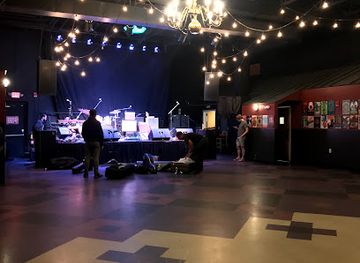
Higher Ground
Discover the vibrant live music scene at Higher Ground, South Burlington's premier venue for unforgettable concerts and craft beer experiences.
-
Bar
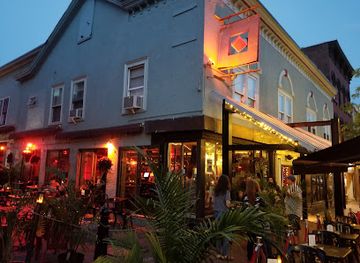
Red Square
Dive into Burlington's nightlife at Red Square, a bustling bar and nightclub known for its vibrant atmosphere, live music, and delicious drinks.
-
Bar
Monkey House
Discover the lively ambiance of Monkey House, a vibrant bar in Winooski, Vermont, offering great cocktails, live music, and delicious pizza.
-
Night club
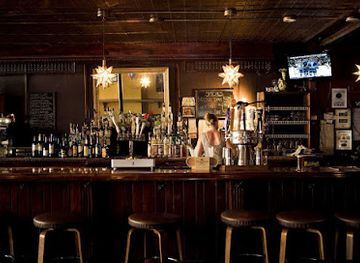
Light Club Lamp Shop
Discover the vibrant nightlife of Burlington at Light Club Lamp Shop, where eclectic decor and live music create an unforgettable experience.

Best shops in Champlain Valley
Burlington provides the valley’s broadest shopping choice, with independent boutiques, bookshops, galleries, outdoor retailers and food businesses concentrated around its downtown streets and waterfront area. Middlebury and Vergennes have smaller, walkable centres where visitors can browse independent shops, antiques, books, gifts and locally made goods. Across the rural valley and islands, farm stands and producer shops are often more distinctive than conventional retail: seasonal fruit, vegetables, cheese, maple syrup, cider, preserves, baked goods and craft beverages make practical regional purchases. Shelburne and the surrounding communities also have galleries and craft outlets associated with the area’s strong museum and arts presence. Farmers’ markets operate seasonally in several towns, with exact days and locations varying during the year. Vermont-made pottery, textiles, woodwork, jewellery and artwork are common souvenir choices, while locally produced food is easier to carry and more closely connected to the working landscape. In smaller communities, opening days may be limited, so a planned market or farm-shop visit is preferable to assuming every business operates daily.
-
Gift shop
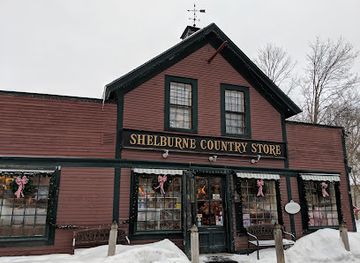
Shelburne Country Store
Explore the delightful Shelburne Country Store in Vermont, a treasure trove of unique gifts, gourmet foods, and local charm waiting to be discovered.
-
Farm shop
Farm Craft VT
Discover the heart of Vermont at Farm Craft VT, where organic produce and local goods come together in a charming farm shop experience.

Get your free copy of our complete guide to Champlain Valley, delivered straight to you.
Everything on this page, from attractions and restaurants to essentials and local phrases, in one PDF you can read offline, print or share.
Already have an account? Sign in
Your Champlain Valley guide is ready.
We'll send it to · Not you? Sign out

Getting your guide ready…
We are putting together a fresh copy of the Champlain Valley guide. This can take up to a minute.
This can take a few moments. If your browser asks, choose Allow so the download can start. You'll find the guide in your Downloads folder.
Nothing happened? Download it again
Sorry, the guide is taking longer than usual. Please try again in a minute, or get it by email instead.
Champlain Valley essentials
Currency and Payment
Safety
Emergency Situations
Do's and Don'ts
Local Tips
From Eve
Local phrases worth knowing
You don't need to get them perfect. A few words go a long way, and locals appreciate the effort.
Basics
| English | Local | Say it |
|---|---|---|
| Hello | Hi there | [Hai thair] |
| Goodbye | See you later | [See you lay-tur] |
| Yes | Yup | [Yup] |
| No | Nah | [Nah] |
| Please/You're welcome | Please/You're welcome | [Please/You're welcome] |
| Thank you | Thanks a lot | [Thangs a lot] |
| Excuse me/Sorry | Sorry about that | [Sorry 'bout that] |
| How are you? | How's it going? | [How's it goin'?] |
| Fine. And you? | Good. And you? | [Good. An' you?] |
| Do you speak English? | Do ya speak English? | [Doo ya speak English?] |
| I don't understand | I don't get it | [I don't get it] |
Eating & Drinking
| English | Local | Say it |
|---|---|---|
| I'd like to see the menu, please | Can I see the menu? | [Can I see the menu?] |
| I don't eat meat | I’m a vegetarian | [I’m a vege-tarian] |
| Cheers! | Cheers! | [Cheers!] |
| I would like to pay, please | Can I get the check? | [Can I get the check?] |
Emergencies
| English | Local | Say it |
|---|---|---|
| Help! | Help! | [Help!] |
| Go away! | Leave me alone! | [Leave me alone!] |
| Call the Police! | Call the cops! | [Call the cops!] |
| Call a doctor! | Get a doctor! | [Get a doctor!] |
| I'm lost | I’m all turned around | [I’m all turned around] |
| I'm ill | I’m not feeling well | [I’m not feelin' well] |
Shopping
| English | Local | Say it |
|---|---|---|
| I'd like to buy... | I want to buy... | [I want to buy...] |
| I'm just looking | Just browsing, thanks | [Just browsing, thangs] |
| How much is it? | What’s the price? | [What’s the price?] |
| That's too expensive | That's way too pricey | [That's way too pricey] |
| Can you lower the price? | Can you make it cheaper? | [Can you make it cheaper?] |
Time & Numbers
| English | Local | Say it |
|---|---|---|
| What time is it? | What time is it? | [What time is it?] |
| It's one o'clock | It's one o'clock | [It's one o'clock] |
| Half past (10) | Half past ten | [Half past ten] |
| Morning | Morning | [Morning] |
| Afternoon | Afternoon | [Afternoon] |
| Evening | Evening | [Evening] |
| Yesterday | Yesterday | [Yesterday] |
| Today | Today | [Today] |
| Tomorrow | Tomorrow | [Tomorrow] |
| 1 | One | [One] |
| 2 | Two | [Two] |
| 3 | Three | [Three] |
| 4 | Four | [Four] |
| 5 | Five | [Five] |
| 6 | Six | [Six] |
| 7 | Seven | [Seven] |
| 8 | Eight | [Eight] |
| 9 | Nine | [Nine] |
| 10 | Ten | [Ten] |
Transport & Directions
| English | Local | Say it |
|---|---|---|
| Where's a/the...? | Where's the...? | [Where's the...?] |
| What's the address? | What’s the address? | [What’s the address?] |
| Can you show me (on the map)? | Can you point it out? | [Can you point it out?] |
| When's the next (bus)? | When’s the next bus? | [When’s the next bus?] |
| A ticket (to ...) | A ticket to ... | [A ticket to ...] |
History of Champlain Valley
Indigenous Lake Champlain Corridor
Long before European settlement, the Champlain Valley was inhabited and travelled by Indigenous peoples, including communities connected with the Abenaki peoples and the wider Wabanaki world. The lake, rivers and portage routes provided movement, fishing, hunting and exchange, while fertile soils supported established seasonal patterns of life. Archaeological evidence across the valley records a deep human presence, although many sites are sensitive and are not public attractions. Understanding this earlier history is essential: the region was not an empty wilderness awaiting colonial development, but a lived-in landscape with its own political, cultural and ecological relationships.
French and British Contest for the Lake
Lake Champlain became a strategic waterway during the colonial rivalry between France and Britain. Fortifications and settlements at points such as Chimney Point reflected the lake’s role as a route between the St Lawrence Valley and the Hudson River corridor. Military movement often followed the water because the surrounding mountains limited overland travel. Although some of the best-known forts associated with the lake stand outside Vermont, the Vermont shore formed part of the same contested frontier. This period left a legacy of military roads, archaeological remains and place names that continue to shape the valley’s historical interpretation.
Independence and the Republic of Vermont
During the American Revolutionary era, the Champlain Valley was a zone of military movement and political uncertainty. Ethan Allen and the Green Mountain Boys became associated with the capture of Fort Ticonderoga across the lake in 1775, while Vermont’s own early political institutions developed amid disputes over land claims and jurisdiction. The limited winter transport and difficult terrain made the lake and its connecting waterways strategically important. Vermont entered the United States in 1791, and communities such as Vergennes, Burlington and Middlebury grew within the new state’s evolving political and commercial structure.
Lake Commerce and the Champlain Canal Era
In the early nineteenth century, improved lake navigation and connections to the Hudson River enlarged the valley’s commercial reach. Burlington became an important port, shipping timber, grain and other agricultural products, while steam navigation linked lakeside communities with markets beyond Vermont. The Champlain Canal, opened in 1823 and later improved, strengthened connections southwards. Otter Creek also supported trade around Vergennes and the lower Addison County valley. This transportation network helped turn the Champlain Valley from a relatively isolated agricultural district into a corridor integrated with wider northeastern commerce.
Railways, Agriculture and Industry
Railways transformed the valley during the nineteenth century, connecting Burlington, Middlebury, Vergennes and surrounding farming districts with regional markets. Dairy farming became particularly important, supported by fertile lowlands and improved transport, while lumber, quarrying, manufacturing and lake shipping added to the economy. Burlington developed as a commercial and industrial centre, whereas much of Addison and the island country retained a strongly agricultural character. The surviving railway alignments, historic stations, farmsteads and town centres reflect this period, even though contemporary passenger services are far more limited than the nineteenth-century network.
Modern Conservation and Regional Identity
During the twentieth century, the valley’s economy diversified, while public concern grew around water quality, farmland conservation and the ecological health of Lake Champlain. The creation and development of institutions such as Shelburne Museum, Shelburne Farms and Burlington’s waterfront cultural facilities helped preserve and interpret regional heritage. Agricultural conservation, wetland protection and lake research became increasingly important as communities addressed pollution and changing land use. Today, the Champlain Valley combines a metropolitan centre, college towns, working farms, recreation and conservation efforts, with Lake Champlain remaining both its defining landscape and a shared environmental responsibility.
Champlain Valley in Photos
Browse through our photo collection highlighting the charm and character of the destination.
Neighbouring regions of Champlain Valley
The closest regions to Champlain Valley, if you have time for more than one.
-

-

-

-

-


Swipe for more regions
Explore more

Explore more of Vermont
Discover Vermont: A year-round haven of natural beauty, charming towns, and rich heritage in the Green Mountain State.
Explore Vermont