

Tay Ho District (Hanoi) Travel Guide - Free
Explore Tay Ho District in Hanoi with Evendo's free guide. Find the best shops, historic streets, restaurants, and gems on web or mobile.


Tay Ho District, Hanoi, pairs West Lake sunsets, historic temples, flower markets, lakeside dining and relaxed cafés with a distinctly local rhythm.
West Lake and Waterfront Life
Tay Ho District occupies the broad northern and western shores of West Lake, Hanoi’s largest natural lake, where tree-lined roads, temple courtyards and modern apartment buildings meet a changing waterfront. The district is less uniform than its popular lakeside image suggests: quiet residential lanes lead towards busy Quang An, flower-growing villages remain around Nhat Tan, and broad embankments open to views across the water. At dawn, runners and cyclists circle the lake while local residents exercise beside pescatarian restaurants, cafés and small shrines.Read more about Tay Ho District
Temples, Villages and Contemporary Hanoi
Markets, Gardens and Evening Atmosphere
Best attractions in Tay Ho District
West Lake is Tay Ho’s principal attraction, offering broad water views, lotus-filled edges and a long, varied shoreline where residents walk, exercise and fish. Tran Quoc Pagoda, on a small peninsula at the lake’s south-eastern edge, is one of Hanoi’s most important Buddhist sites, while Van Nien Pagoda on the western shore provides a quieter temple setting beside the water. Phu Tay Ho Temple, reached on a peninsula in the northern part of the lake, is a significant destination for worshippers and visitors interested in Vietnamese religious culture. Quang Ba Flower Market offers a vividly local early-morning experience, particularly when seasonal flowers arrive from the surrounding horticultural areas. Further north, Nhat Tan’s gardens and the views around the Red River approaches reveal the district beyond its cafés and apartment compounds, while Ho Tay Water Park provides a more recreational, family-oriented attraction.
-
Ethnographic museum
Vietnam Museum of Ethnology
Explore the diverse cultures of Vietnam at the Vietnam Museum of Ethnology, where history and tradition come to life through captivating exhibits and experiences.
10 min drive · 3.4 km from neighbourhood centre
-
Buddhist temple
One Pillar Pagoda
Discover the One Pillar Pagoda, a unique Buddhist temple in Hanoi, embodying spiritual serenity and traditional Vietnamese architecture.
13 min drive · 4.4 km from neighbourhood centre
-
Water park
Ho Tay Water Park
Experience the thrill of Ho Tay Water Park in Hanoi, Vietnam, a top destination for family fun and aquatic adventures amidst stunning landscapes.
10 min walk · 0.8 km from neighbourhood centre
-
Tourist attraction
Thung lũng hoa hồ Tây
Discover the vibrant beauty of Thung Lũng Hoa HỒ Tây, a flower garden oasis in Hanoi, perfect for nature lovers and serene escapes.
14 min walk · 1.1 km from neighbourhood centre


Best landmarks in Tay Ho District
West Lake itself is Tay Ho’s defining landmark, a large natural water body that has shaped settlement, worship, horticulture and recreation for centuries. Tran Quoc Pagoda, standing on an islet-like peninsula connected by a causeway, is recognised for its Buddhist architecture and long religious history, while Van Nien Pagoda occupies another historic lakeside setting on the western shore. Phu Tay Ho Temple is a prominent spiritual landmark associated with the Mother Goddesses tradition and is especially important during ceremonial visits. The district’s built heritage is also found in smaller-scale places: village lanes, temple gates, garden walls and remnants of horticultural settlements around Nhat Tan and Quang Ba. The broad road approaches and embankments are more recent urban landmarks, showing how infrastructure has connected formerly distinct lakeside communities to the expanding capital.
-
Historical landmark
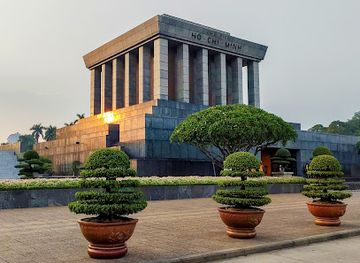
Ho Chi Minh's Mausoleum
Discover the historical significance of Ho Chi Minh's Mausoleum, a revered landmark in Hanoi celebrating Vietnam's beloved leader and revolutionary spirit.
13 min drive · 4.4 km from neighbourhood centre
-
Historical landmark
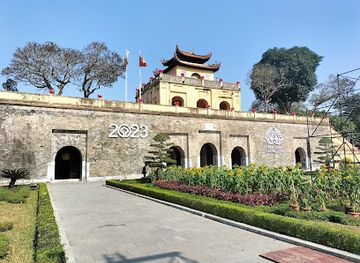
Imperial Citadel of Thang Long
Explore the Imperial Citadel of Thang Long, a UNESCO World Heritage site in Hanoi, where history and culture meet in a stunning ancient landscape.
15 min drive · 4.9 km from neighbourhood centre
-
Buddhist temple
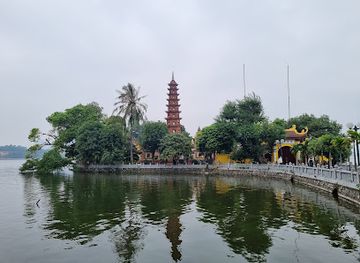
Tran Quoc Pagoda
Experience the tranquility and beauty of Tran Quoc Pagoda, Hanoi's oldest Buddhist temple, set against the stunning backdrop of West Lake.
11 min drive · 3.6 km from neighbourhood centre
-
Water park
Ho Tay Water Park
Experience the joy of water adventure at Ho Tay Water Park in Hanoi, where fun meets relaxation in a stunning lakeside setting.
10 min walk · 0.8 km from neighbourhood centre

Explore Tay Ho District on the map
A handpicked selection of must-see spots in Tay Ho District, mapped for you.
Best hotels in Tay Ho District
Best restaurants in Tay Ho District
Tay Ho has one of Hanoi’s broadest concentrations of contemporary dining, particularly around Xuan Dieu, To Ngoc Van, Dang Thai Mai and Quang An. Vietnamese cooking ranges from everyday noodle, rice and grilled dishes to seafood restaurants and more polished interpretations of regional food, while the district’s international residential community has encouraged a wide selection of restaurants serving food from Europe, East Asia, South Asia and the Middle East. Cafés and bakeries are central to the area’s daytime rhythm, with many venues arranged in converted villas or narrow shopfronts rather than large commercial complexes. Local specialities such as West Lake shrimp dishes and Hanoi-style snacks appear alongside familiar city-wide foods, although the district is better understood as a varied dining quarter than as a single culinary enclave. Quang Ba’s flower market is primarily a trading place, not a prepared-food destination, but nearby streets offer informal breakfast options for early visitors.
-
Restaurant
Chops Tay Ho
Experience gourmet hamburgers and New American cuisine at Chops Tay Ho in Hanoi, where every bite is crafted with care amidst stunning lakeside views.
6 min drive · 2.1 km from neighbourhood centre
-
Restaurant
6 Degrees
Discover culinary excellence at 6 Degrees in Hanoi—where local flavors meet modern dining experiences amidst stunning lakeside views.
9 min drive · 3.1 km from neighbourhood centre
-
Asian Fusion
Pépé La Poule
Experience the best of Asian Fusion cuisine at Pépé La Poule in Hanoi's scenic Tây Hồ district, where tradition meets innovation.
6 min drive · 1.8 km from neighbourhood centre
-
Italian
Dragon Cello Restaurant
Experience authentic Italian cuisine at Dragon Cello Restaurant in Hanoi's beautiful Tây Hồ district; perfect for pizza lovers and wine enthusiasts alike.
3 min walk · 0.3 km from neighbourhood centre


Best bars in Tay Ho District
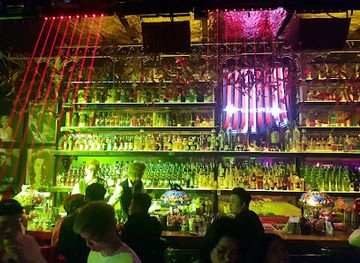
Tay Ho’s evening scene is concentrated around Quang An, Xuan Dieu, To Ngoc Van and Dang Thai Mai, where casual bars, cocktail venues, craft-beer rooms and restaurant terraces stay sociable after sunset. The atmosphere is generally more spacious and residential than in Hanoi’s Old Quarter, with many people moving between dinner, drinks and lakeside cafés rather than following a single entertainment strip. Smaller venues may feature acoustic music, DJs or televised sport, while rooftop and upper-floor spaces make the most of West Lake’s evening views. The district also has a modest selection of late-night venues, but its nightlife is not uniformly club-focused: residential lanes become quiet quickly away from the main commercial roads. Traffic, uneven pavements and limited lighting on side streets make taxis or ride-hailing services sensible when returning from an evening out.
-
Restaurant
The Republic
Experience the vibrant flavors and lively atmosphere of The Republic in Hanoi, where culinary delight meets sports excitement.
6 min drive · 2.0 km from neighbourhood centre
-
Pub
The Snug
Experience the vibrant nightlife at The Snug, a cozy pub in Hanoi known for its cocktails, live music, and delightful diner cuisine.
5 min drive · 1.6 km from neighbourhood centre
-
Pub
Rastaman Pub
Experience the vibrant nightlife of Hanoi at Rastaman Pub, where eclectic decor meets a warm atmosphere and a great selection of drinks.
7 min drive · 2.3 km from neighbourhood centre
-
Bar
Apini Bar
Discover the vibrant nightlife of Hanoi at Apini Bar, a lively spot for cocktails and local brews in the heart of Tây Hồ.
6 min drive · 1.8 km from neighbourhood centre


Best nightclubs in Tay Ho District
Tay Ho’s evening scene is concentrated around Quang An, Xuan Dieu, To Ngoc Van and Dang Thai Mai, where casual bars, cocktail venues, craft-beer rooms and restaurant terraces stay sociable after sunset. The atmosphere is generally more spacious and residential than in Hanoi’s Old Quarter, with many people moving between dinner, drinks and lakeside cafés rather than following a single entertainment strip. Smaller venues may feature acoustic music, DJs or televised sport, while rooftop and upper-floor spaces make the most of West Lake’s evening views. The district also has a modest selection of late-night venues, but its nightlife is not uniformly club-focused: residential lanes become quiet quickly away from the main commercial roads. Traffic, uneven pavements and limited lighting on side streets make taxis or ride-hailing services sensible when returning from an evening out.
-
Night club
Hero Club
Discover Hanoi's electrifying nightlife at Hero Club, where vibrant beats meet exquisite cocktails in a stylish setting.
12 min drive · 4.1 km from neighbourhood centre
-
Night club
Savage Hanoi
Discover the vibrant nightlife of Hanoi at Savage Hanoi, where electrifying music and stylish ambiance create unforgettable experiences.
5 min drive · 1.8 km from neighbourhood centre
-
Night club
Birdcage
Discover the electrifying nightlife of Hanoi at Birdcage, a premier nightclub where music, dance, and vibrant energy come together.
6 min drive · 2.1 km from neighbourhood centre
-
Disco club
A PLUS HANOI
Experience the vibrant nightlife of Hanoi at A PLUS HANOI, where music, dancing, and unforgettable memories await.
15 min drive · 4.9 km from neighbourhood centre


Best shops in Tay Ho District
Shopping in Tay Ho is local and mixed rather than centred on a single retail boulevard. Quang Ba Flower Market is the district’s best-known commercial experience, operating as an early-morning wholesale market where cut flowers arrive for traders, households and celebrations; it is most atmospheric when the market is actively receiving and sorting deliveries. Around Xuan Dieu, To Ngoc Van and Dang Thai Mai, independent boutiques, lifestyle shops, galleries, speciality food stores and small design businesses occupy a changing mix of villas and shopfronts. Visitors can also find imported groceries and products aimed at Hanoi’s international community, alongside Vietnamese crafts and everyday goods. Nhat Tan remains associated with flower cultivation, ornamental plants, peach blossom branches and kumquat trees, particularly around the Lunar New Year season. Stock and individual businesses change frequently, so the district is better suited to browsing than to seeking a fixed catalogue of souvenirs.
-
Boutique
Humanity Hanoi
Explore Humanity Hanoi, a boutique haven for authentic gifts and home goods, showcasing the beauty of Vietnamese craftsmanship.
16 min walk · 1.3 km from neighbourhood centre
-
Costume store
Copenhagen Delights
Discover a vibrant costume store in Hanoi, offering a unique selection of clothing and accessories for all occasions.
6 min drive · 1.8 km from neighbourhood centre
-
Vintage clothing store
MOC Thrift Shop
Discover unique vintage treasures at MOC Thrift Shop in Hanoi, where fashion meets sustainability in a delightful shopping experience.
10 min drive · 3.4 km from neighbourhood centre
-
Souvenir store
Better World Hanoi
Explore Better World Hanoi, a charming souvenir store offering unique handcrafted treasures that reflect Vietnam's rich culture and artistry.
6 min drive · 2.0 km from neighbourhood centre


Tay Ho District essentials
Getting There
Getting Around
Safety
Emergency Situations
Do's and Don'ts
Local Tips

From Eve
Local phrases worth knowing
You don't need to get them perfect. A few words go a long way, and locals appreciate the effort.
Basics
| English | Local | Say it |
|---|---|---|
| Hello | Xin chào | [sin chow] |
| Goodbye | Tạm biệt | [tahm byet] |
| Yes | Vâng | [vang] |
| No | Không | [kohng] |
| Please/You're welcome | Làm ơn | [lam uhn] |
| Thank you | Cảm ơn | [kahm uhn] |
| Excuse me/Sorry | Xin lỗi | [sin loy] |
| How are you? | Bạn khỏe không? | [bahn kweh khohng] |
| Fine. And you? | Khỏe. Còn bạn? | [kweh. kawn bahn] |
| Do you speak English? | Bạn nói tiếng Anh không? | [bahn noy tyeng anh khohng] |
| I don't understand | Tôi không hiểu | [toy khohng hyehu] |
Eating & Drinking
| English | Local | Say it |
|---|---|---|
| I'd like to see the menu, please | Làm ơn cho tôi xem menu | [lam uhn cho toy sem menu] |
| I don't eat meat | Tôi không ăn thịt | [toy khohng an tit] |
| Cheers! | Chúc sức khỏe! | [chook sook kweh] |
| I would like to pay, please | Tôi muốn thanh toán, làm ơn | [toy muhn thanh toan, lam uhn] |
Emergencies
| English | Local | Say it |
|---|---|---|
| Help! | Cứu! | [kyoo] |
| Go away! | Đi ra! | [dee rah] |
| Call the Police! | Gọi cảnh sát! | [goy kahng saht] |
| Call a doctor! | Gọi bác sĩ! | [goy bahk see] |
| I'm lost | Tôi bị lạc | [toy bee lahk] |
| I'm ill | Tôi ốm | [toy ohm] |
Shopping
| English | Local | Say it |
|---|---|---|
| I'd like to buy... | Tôi muốn mua... | [toy muhn mua] |
| I'm just looking | Tôi chỉ xem thôi | [toy chee sem thoy] |
| How much is it? | Bao nhiêu tiền? | [bao nyew tyen] |
| That's too expensive | Đắt quá | [daht kwah] |
| Can you lower the price? | Có thể giảm giá không? | [koh te ziam zah khohng] |
Time & Numbers
| English | Local | Say it |
|---|---|---|
| What time is it? | Bây giờ là mấy giờ? | [by go la may yew] |
| It's one o'clock | Bây giờ là một giờ | [by go la moht yew] |
| Half past (10) | Mười giờ nửa | [mooee yew nwah] |
| Morning | Buổi sáng | [bwowee sang] |
| Afternoon | Buổi chiều | [bwowee chee-ew] |
| Evening | Buổi tối | [bwowee toy] |
| Yesterday | Hôm qua | [hom kwah] |
| Today | Hôm nay | [hom nigh] |
| Tomorrow | Ngày mai | [nyigh my] |
| 1 | Một | [moht] |
| 2 | Hai | [hai] |
| 3 | Ba | [bah] |
| 4 | Bốn | [bon] |
| 5 | Năm | [nahm] |
| 6 | Sáu | [sow] |
| 7 | Bảy | [bahy] |
| 8 | Tám | [tam] |
| 9 | Chín | [jeen] |
| 10 | Mười | [mooee] |
Transport & Directions
| English | Local | Say it |
|---|---|---|
| Where's a/the...? | Chỗ...ở đâu? | [cho...uh dow] |
| What's the address? | Địa chỉ là gì? | [diah chee la zee] |
| Can you show me (on the map)? | Có thể chỉ cho tôi (trên bản đồ) không? | [koh te chee cho toy (trern bahn do) khohng] |
| When's the next (bus)? | Khi nào xe buýt tiếp theo? | [khee now se bwit tyep theow] |
| A ticket (to ....) | Một vé (đến ...) | [moht vee (den ...)] |
History of Tay Ho District
West Lake’s Ancient Landscape
West Lake, known in Vietnamese as Ho Tay, is an old natural body of water whose changing names and legends are woven into Hanoi’s early landscape. Long before the modern district existed, its shores supported villages, religious foundations, fishing and small-scale cultivation. The lake’s broad basin also shaped local movement and settlement: communities developed on peninsulas and along embankments rather than in one continuous urban centre. Several pagodas and temples around the water preserve this older cultural geography, including Van Nien Pagoda and the religious sites associated with the southern shore.
Villages, Gardens and Sacred Shores
For centuries, the area around West Lake was a mosaic of village settlements and productive gardens. Nghi Tam, Quang Ba and Nhat Tan became associated with horticulture, flowers and ornamental plants, while temples and communal institutions served local communities. The annual blossom culture linked to Nhat Tan’s peach trees remains particularly visible around Lunar New Year, although urban expansion has reduced agricultural land. Phu Tay Ho Temple, dedicated to the Mother Goddesses tradition, reflects the continuing importance of religious practice along the lake and attracts worshippers from across Hanoi.
Urban Expansion around Ho Tay
During the twentieth century, roads and embankments gradually connected West Lake’s villages more closely to central Hanoi, while the city’s growth turned former garden and village land into residential districts. Colonial and post-colonial development affected the wider lake area, but Tay Ho retained a more open, semi-rural character for longer than the historic centre. The completion and improvement of routes such as Xuan Dieu and Au Co strengthened links towards the city centre, the Red River and northern Hanoi, encouraging new housing, commerce and hospitality businesses along the western and northern shores.
The District Takes Administrative Shape
Tay Ho District was established as one of Hanoi’s urban districts in 1995, giving administrative form to communities around much of West Lake. Subsequent development brought apartment compounds, villas, offices, restaurants and schools, particularly around Quang An, Xuan Dieu and Dang Thai Mai. The district became associated with an international residential and business presence, while older temples, markets, flower-growing areas and village lanes remained woven through the expanding urban fabric. The result is a layered landscape rather than a single architectural style: modern construction sits beside religious buildings, garden plots and long-established local streets.
A Contemporary Lakeside Quarter
In the twenty-first century, Tay Ho has developed into one of Hanoi’s most recognisable lakeside residential and leisure areas. Its dining, café and wellness businesses serve both local residents and international visitors, while West Lake continues to provide the district’s defining public landscape. Redevelopment and rising land values have changed the relationship between villages, gardens and the shoreline, but seasonal flowers, temple festivals and neighbourhood markets retain connections to earlier livelihoods. The district’s contemporary identity therefore rests on coexistence: a rapidly urbanising edge of Hanoi that still reveals the agricultural and devotional history of the lake.
Tay Ho District in Photos
Browse through our photo collection highlighting the charm and character of the destination.
Neighbourhoods near Tay Ho District
The closest neighbourhoods to Tay Ho District, if you have time for more than one stop.
-

-

-


Swipe for more neighbourhoods
Explore more
Explore more of Hanoi
Hanoi, Vietnam blends Old Quarter streets, imperial landmarks, lakeside culture, fragrant cuisine and living history into a layered Southeast Asian city break.
Explore Hanoi