

Back Beach (Vung Tau) Travel Guide - Free
Explore Back Beach in Vung Tau with Evendo's free guide. Find the best shops, historic streets, restaurants, and gems on web or mobile.


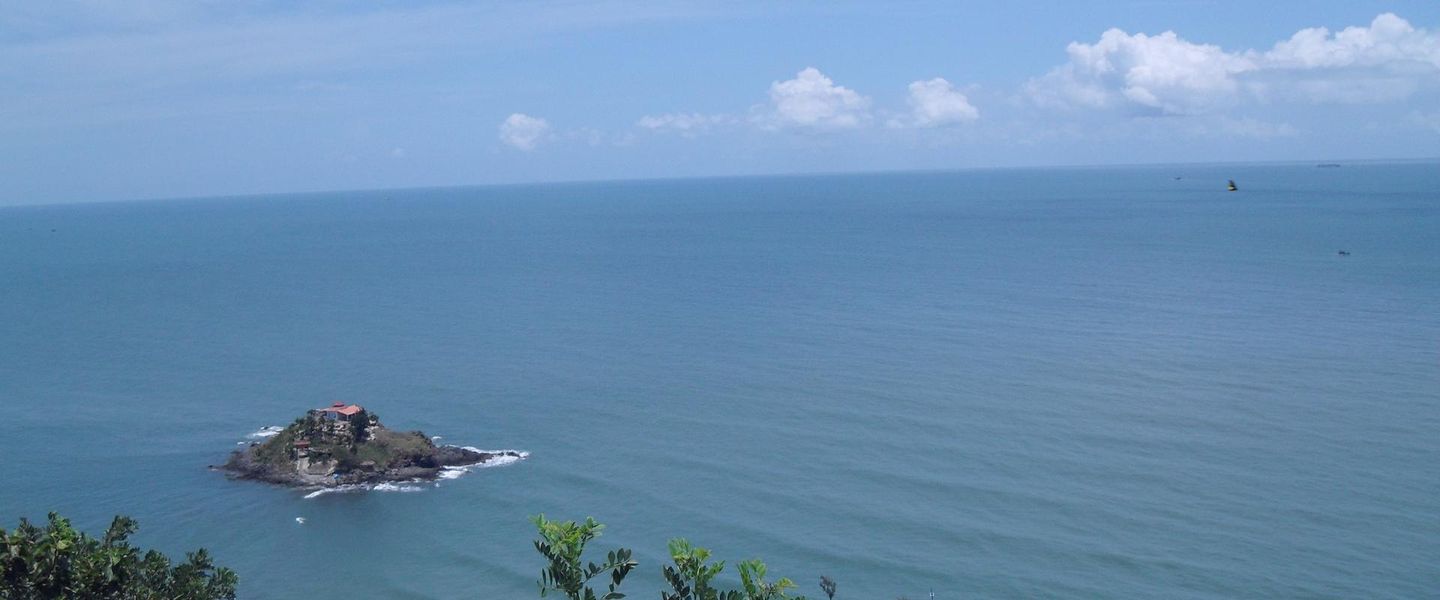


Back Beach in Vung Tau pairs a broad South China Sea shore with seafood, seaside walks, resort hotels and easy access to coastal sights in southern Vietnam.
Sea, Sand and the Vung Tau Skyline
Back Beach, known locally as Bãi Sau, is Vung Tau’s broad eastern seafront, stretching along the South China Sea beneath the city’s hotels, apartment towers and low coastal hills. Its name means “Rear Beach”, distinguishing it from Front Beach on the western side of the peninsula. The shore is the neighbourhood’s defining feature: a long sweep of sand, a wide road for walking and cycling, and changing views of fishing boats and offshore water. Sea conditions vary with the weather and season, so the beach is as much a place for strolling and watching local life as for swimming.Read more about Back Beach
Resort Strip and Local Life
Coastal Views and Nearby Icons
Explore Back Beach on the map
A handpicked selection of must-see spots in Back Beach, mapped for you.
Best hotels in Back Beach
Best bars in Back Beach
Back Beach is lively after dark but is better described as a resort dining and evening-strolling district than as Vung Tau’s dedicated club quarter. Hotel bars, casual cafés, seafood restaurants and modest drinking venues line parts of Thuy Van Street and the roads behind the shore, with activity increasing when weekend visitors arrive. The seafront offers an atmospheric walk, but it is not a continuous promenade of sophisticated cocktail lounges, and nightlife options can vary with season and business turnover. Some establishments cater to groups and domestic holidaymakers rather than late-night international club culture. Visitors seeking a quieter evening can remain near their accommodation or move towards Front Beach, where the wider city centre provides additional restaurants and waterfront venues; that area is nearby, not part of Back Beach itself.
-
Bar
Leo Coffee Beer & Wine
Discover the lively ambiance and diverse drink selection at Leo Coffee Beer & Wine, Vung Tau's ultimate bar experience for travelers.
6 min walk · 0.5 km from neighbourhood centre

Back Beach essentials
Getting There
Getting Around
Safety
Emergency Situations
Do's and Don'ts
Local Tips

From Eve
Local phrases worth knowing
You don't need to get them perfect. A few words go a long way, and locals appreciate the effort.
Basics
| English | Local | Say it |
|---|---|---|
| Hello | Xin chào | [sin chow] |
| Goodbye | Tạm biệt | [tam byet] |
| Yes | Có | [koh] |
| No | Không | [kohng] |
| Please/You're welcome | Xin vui lòng | [sin voo-ee long] |
| Thank you | Cảm ơn | [gam un] |
| Excuse me/Sorry | Xin lỗi | [sin loy] |
| How are you? | Bạn khỏe không? | [ban kwee kohng?] |
| Fine. And you? | Khỏe. Còn bạn? | [kwee. kawn ban?] |
| Do you speak English? | Bạn có nói tiếng Anh không? | [ban koh noy tieng anh kohng?] |
| I don't understand | Tôi không hiểu | [toy kohng hye-oo] |
Eating & Drinking
| English | Local | Say it |
|---|---|---|
| I'd like to see the menu, please | Tôi muốn xem menu, xin vui lòng | [toy mown sem menu, sin voo-ee long] |
| I don't eat meat | Tôi không ăn thịt | [toy kohng an tit] |
| Cheers! | Dô! | [doh] |
| I would like to pay, please | Tôi muốn thanh toán, xin vui lòng | [toy mown thanh to-an, sin voo-ee long] |
Emergencies
| English | Local | Say it |
|---|---|---|
| Help! | Cứu! | [kyoo] |
| Go away! | Đi xa! | [dee sa] |
| Call the Police! | Gọi cảnh sát! | [goy keng sat] |
| Call a doctor! | Gọi bác sĩ! | [goy back see] |
| I'm lost | Tôi lạc đường | [toy lakt doo-ong] |
| I'm ill | Tôi ốm | [toy om] |
Shopping
| English | Local | Say it |
|---|---|---|
| I'd like to buy... | Tôi muốn mua... | [toy mown mwa] |
| I'm just looking | Tôi chỉ xem thôi | [toy chee sem toy] |
| How much is it? | Giá bao nhiêu? | [za bao nyew] |
| That's too expensive | Đắt quá | [dat kwah] |
| Can you lower the price? | Giảm giá được không? | [yam za doo-kohng?] |
Time & Numbers
| English | Local | Say it |
|---|---|---|
| What time is it? | Bây giờ mấy giờ? | [bay zoh my zoh] |
| It's one o'clock | Một giờ | [mowt zoh] |
| Half past (10) | Mười giờ rưỡi | [mooee zoh ruh-ee] |
| Morning | Sáng | [sang] |
| Afternoon | Chiều | [chew] |
| Evening | Tối | [toy] |
| Yesterday | Hôm qua | [hom kwah] |
| Today | Hôm nay | [hom nai] |
| Tomorrow | Ngày mai | [nyai my] |
| 1 | Một | [mowt] |
| 2 | Hai | [high] |
| 3 | Ba | [bah] |
| 4 | Bốn | [bun] |
| 5 | Năm | [nahm] |
| 6 | Sáu | [sow] |
| 7 | Bảy | [bahy] |
| 8 | Tám | [tam] |
| 9 | Chín | [cheen] |
| 10 | Mười | [mooee] |
Transport & Directions
| English | Local | Say it |
|---|---|---|
| Where's a/the...? | Chỗ...ở đâu? | [choh...uh dow] |
| What's the address? | Địa chỉ là gì? | [dia chee la zee] |
| Can you show me (on the map)? | Bạn có thể chỉ cho tôi (trên bản đồ) không? | [ban koh tee chee cho toy (tren ban do) kohng?] |
| When's the next (bus)? | Xe buýt tiếp theo khi nào? | [se bwit teep the-ow kee now] |
| A ticket (to ....) | Một vé (đi ...) | [mowt vay (dee ...)] |
History of Back Beach
The Rear Beach Name
Bãi Sau means “Rear Beach” in Vietnamese, a practical name reflecting the beach’s position on the eastern side of Vung Tau’s peninsula when viewed in relation to Front Beach, or Bãi Trước, on the bay-facing western shore. The distinction is geographical rather than a precise administrative boundary. Back Beach looks towards the open sea, while Front Beach faces the sheltered waters around the city’s older maritime centre. This contrast shaped the two shores differently: Back Beach became associated primarily with open-air recreation and seaside bathing, whereas Front Beach retained stronger links with the port, parks and urban waterfront.
A Colonial-Era Seaside Resort
Vung Tau, historically known to French colonial authorities as Cap Saint-Jacques, developed as a seaside retreat during the colonial period, when its peninsula, beaches and hilltop positions attracted visitors seeking cooler coastal surroundings. Back Beach formed part of that wider resort landscape, although its present appearance is largely the result of later urban development. Roads, beach access and accommodation expanded gradually as Vung Tau became a popular weekend destination for residents of southern Vietnam. The neighbourhood’s resort identity therefore rests on a long coastal tradition, rather than on a single historic building or preserved old quarter.
Postwar Tourism Expansion
After national reunification, Vung Tau’s position near Ho Chi Minh City and its beaches helped it develop into an important domestic tourism destination. Back Beach became the focus of increasingly intensive visitor infrastructure, with hotels, restaurants, apartment buildings and leisure facilities extending along and behind Thuy Van Street. The scale of construction changed the shoreline from a relatively open recreational coast into a busy urban resort strip. This growth also brought a strongly seasonal rhythm: holiday periods and weekends attract large numbers of domestic visitors, while quieter periods reveal more of the beach’s everyday coastal character.
The Contemporary Coastal District
Today, Back Beach is one of Vung Tau’s most recognisable visitor areas, combining a public shoreline with a dense accommodation and dining corridor. Its identity is shaped less by surviving historic fabric than by the relationship between beach, road and resort city. Nearby Small Mountain, Nghinh Phong Cape and the Christ the King statue add cultural and scenic depth to the southern end of the coast, while the beach itself remains the principal public space. Ongoing redevelopment and changing tourism patterns continue to influence the appearance and atmosphere of the neighbourhood.
Back Beach in Photos
Browse through our photo collection highlighting the charm and character of the destination.
Neighbourhoods near Back Beach
The closest neighbourhoods to Back Beach, if you have time for more than one stop.
-

-
-


Swipe for more neighbourhoods
Explore more

Explore more of Vung Tau
Vung Tau blends sea views, French-era heritage, hilltop temples, fresh seafood and lively beaches in a relaxed Vietnamese coastal city near Ho Chi Minh City.
Explore Vung Tau