

Christ the King Statue (Vung Tau) Travel Guide - Free
Explore Christ the King Statue in Vung Tau with Evendo's free guide. Find the best shops, historic streets, restaurants, and gems on web or mobile.


Christ the King Statue in Vung Tau offers a scenic hillside climb, Catholic heritage, coastal views and access to Small Mountain’s lighthouse and paths.
A Landmark on Small Mountain
Christ the King Statue refers to the hillside area surrounding Vung Tau’s monumental Catholic image on Núi Nhỏ, or Small Mountain, above the city’s southern shoreline. The statue is reached by a long stairway climbing through tropical vegetation, with the final ascent passing between the figure’s outstretched arms. From the mountain, visitors gain broad views over the South China Sea, Vung Tau’s beaches and the dense urban plain below. This is a compact landmark district rather than a conventional neighbourhood with a large resident shopping or nightlife scene.Read more about Christ the King Statue
Faith, Landscape and Architecture
The Coastal Setting
Best attractions in Christ the King Statue
The central attraction is the Christ the King Statue itself, reached by a lengthy stairway on Small Mountain and crowned by a platform that opens towards Vung Tau’s sea-facing coastline. Visitors can appreciate the monument from below, follow the shaded approach and ascend into the space between the figure’s arms for elevated views over the city and water. The climb also provides a slower way to experience the hill’s vegetation and changing perspectives, rather than treating the site as a roadside stop. The nearby Vung Tau Lighthouse, also on the Small Mountain massif, is a separate landmark and can sometimes be combined with the statue area, subject to current access arrangements. Ha Long Street below adds a coastal walking dimension, with the mountain rising directly behind the waterfront. The area’s appeal lies in this close combination of religious architecture, steep hillside paths and open maritime scenery.
-
Tourist attraction
Vung Tau Lighthouse
Discover the breathtaking views and rich history at Vung Tau Lighthouse, a quintessential landmark in Vietnam's coastal scenery.
14 min walk · 1.1 km from neighbourhood centre
-
City park
Flagpole Park
Discover the charm of Flagpole Park in Vung Tau, a serene city park perfect for relaxation, outdoor activities, and cultural experiences.
14 min walk · 1.1 km from neighbourhood centre
-
Scenic spot
Cap Saint-Jacques
Experience the serene beauty of Cap Saint-Jacques, a scenic coastal gem in Vung Tau, Vietnam, famous for its stunning beaches and breathtaking views.
6 min walk · 0.5 km from neighbourhood centre
-
Religious destination
Jesus Christ Statue Main Entrance
Discover the awe-inspiring Jesus Christ Statue in Vung Tau, a serene destination blending spirituality with stunning coastal views.
4 min walk · 0.3 km from neighbourhood centre


Best landmarks in Christ the King Statue
Christ the King Statue is the defining landmark of this Small Mountain district: a monumental image of Christ with outstretched arms, set above a pedestal and approached by a substantial stairway. Its elevated placement gives the structure both religious significance and a strong visual relationship with Vung Tau’s coastline. The summit platform and the approach are important parts of the landmark, since they frame the statue and reveal the city gradually beneath it. The Vung Tau Lighthouse is nearby on the same mountain massif, but it is a distinct structure and should not be described as part of the statue itself. Together, the two landmarks make Small Mountain a particularly legible feature of the southern waterfront, combining Catholic pilgrimage, maritime orientation and hillside architecture. The lower coastal road, including Ha Long Street, completes the setting by emphasising the contrast between the dense city, open sea and steep green slope.
-
Tourist attraction
Jesus Christ Statue
Discover the serene beauty and spiritual significance of the Jesus Christ Statue in Vung Tau, a must-visit landmark showcasing stunning views and rich culture.
1 min walk · 0.1 km from neighbourhood centre
-
Buddhist temple
Chơn Không Monastery
Experience the serene beauty and spiritual tranquility of Chơn Không Monastery, a hidden gem in Vũng Tàu, Vietnam.
11 min drive · 3.7 km from neighbourhood centre
-
Historical landmark
Monument for War Heroes
Explore the Monument for War Heroes in Vung Tau, a solemn tribute to bravery and sacrifice amidst serene gardens and rich history.
8 min drive · 2.6 km from neighbourhood centre
-
Religious destination
Jesus Christ Statue Main Entrance
Explore the majestic Jesus Christ Statue in Vung Tau, an iconic religious destination offering stunning views and a peaceful atmosphere for reflection.
4 min walk · 0.3 km from neighbourhood centre


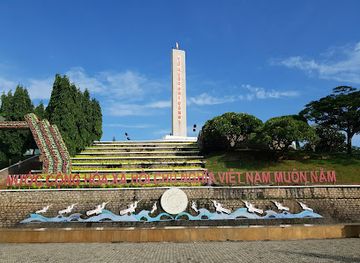

Explore Christ the King Statue on the map
A handpicked selection of must-see spots in Christ the King Statue, mapped for you.
Best hotels in Christ the King Statue
Best restaurants in Christ the King Statue
The immediate Christ the King Statue precinct has a limited dining identity because the summit and stairway are primarily religious and sightseeing spaces. For meals, visitors generally descend towards Ha Long Street and the wider beachfront areas, where Vung Tau’s coastal food culture includes seafood restaurants, casual Vietnamese eateries, cafés and refreshment stalls. Local menus commonly draw on the city’s position as a seaside destination, although individual businesses and offerings change. The shoreline setting makes seafood a natural choice, while bánh khọt, Vung Tau’s small savoury rice cakes, can be sought in the broader city rather than assumed to be available directly beside the statue. It is sensible to eat or buy water before beginning the climb, since the immediate hillside is quieter and less commercially developed than the streets below. Dining here is therefore best understood as part of a coastal Vung Tau visit, with the statue providing the elevated cultural focus.
-
Tourist attraction
Jesus Christ Statue
Explore the breathtaking Jesus Christ Statue in Vũng Tàu – a towering symbol of faith offering stunning views and spiritual serenity.
1 min walk · 0.1 km from neighbourhood centre
-
Seafood
Gành Hào Seafood Restaurant
Experience authentic Vietnamese seafood at Gành Hào Seafood Restaurant in Vũng Tàu—fresh flavors and ocean views await.
14 min drive · 4.6 km from neighbourhood centre
-
Vietnamese
Cô Ba Restaurant
Experience authentic Vietnamese flavors at Cô Ba Restaurant in Vũng Tàu – where every meal tells a story.
5 min drive · 1.8 km from neighbourhood centre
-
Restaurant
Bún Riêu Tôm Thuận Phúc
Discover the vibrant taste of Vietnam at Bún Riêu Tôm Thuận Phúc – where every bowl tells a story.
18 min walk · 1.5 km from neighbourhood centre

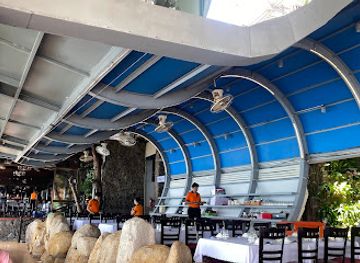


Best bars in Christ the King Statue
Nightlife around Christ the King Statue is restrained because the upper hillside is a religious landmark and closes into a quieter environment after sightseeing hours. Evening activity is concentrated below, particularly along the coastal roads and beachfront parts of Vung Tau, where cafés, casual bars and hotel-based venues provide places to sit after visiting the mountain. The statue is more atmospheric as a viewpoint over the city lights than as a nightlife venue, and visitors should not expect clubs or late entertainment on the summit itself. Ha Long Street and the nearby resort belt offer a more practical continuation of the evening, although venues, schedules and access can change. Keep voices and music low near the religious precinct and residential edges, and arrange a clear route back down the hill rather than relying on transport at the top.
-
Tourist attraction
Jesus Christ Statue
Discover the breathtaking Jesus Christ Statue in Vũng Tàu, a towering symbol of peace and a must-see tourist attraction in Vietnam.
1 min walk · 0.1 km from neighbourhood centre
-
Seafood
Gành Hào Seafood Restaurant
Discover the essence of Vietnamese cuisine with fresh seafood and breathtaking ocean views at Gành Hào Seafood Restaurant in Vũng Tàu.
14 min drive · 4.6 km from neighbourhood centre
-
Seafood
Gành Hào 2 Seafood Restaurant
Indulge in the freshest seafood at Gành Hào 2 Seafood Restaurant, a must-visit destination in Vũng Tàu for authentic Vietnamese flavors and lively atmosphere.
6 min drive · 2.0 km from neighbourhood centre
-
Hotel
Fusion Suites Vũng Tàu
Discover luxury and tranquility at Fusion Suites Vũng Tàu – your beachfront haven in Vietnam, where modern comforts meet breathtaking views.
6 min drive · 1.9 km from neighbourhood centre


Best nightclubs in Christ the King Statue
Nightlife around Christ the King Statue is restrained because the upper hillside is a religious landmark and closes into a quieter environment after sightseeing hours. Evening activity is concentrated below, particularly along the coastal roads and beachfront parts of Vung Tau, where cafés, casual bars and hotel-based venues provide places to sit after visiting the mountain. The statue is more atmospheric as a viewpoint over the city lights than as a nightlife venue, and visitors should not expect clubs or late entertainment on the summit itself. Ha Long Street and the nearby resort belt offer a more practical continuation of the evening, although venues, schedules and access can change. Keep voices and music low near the religious precinct and residential edges, and arrange a clear route back down the hill rather than relying on transport at the top.
-
Night club
Blue Moon - Beer Club
Discover the vibrant nightlife of Vung Tau at Blue Moon - Beer Club, where great music and refreshing drinks create unforgettable experiences.
6 min drive · 2.2 km from neighbourhood centre
-
Night club
The Ship Club
Discover the vibrant nightlife of Vung Tau at The Ship Club, where music and excitement come alive every night.
5 min drive · 1.7 km from neighbourhood centre
-
Night club
LOX
Experience the electrifying nightlife at LOX Night Club in Vung Tau, where music, dancing, and unforgettable moments await.
5 min drive · 1.8 km from neighbourhood centre
-
Bar
Peace and Love bar
Discover the lively ambiance and expertly crafted cocktails at Peace and Love Bar, an essential nightlife destination in Vung Tau, Vietnam.
13 min walk · 1.0 km from neighbourhood centre



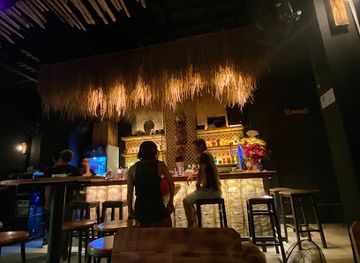
Best shops in Christ the King Statue
Shopping opportunities immediately around Christ the King Statue are modest and mainly practical, with the focus on access, worship and sightseeing rather than a dedicated retail street. Visitors may find drinks or small refreshments on approaches below, but should not expect a large market or specialist shopping quarter on the mountain. More varied retail is available elsewhere along Vung Tau’s beachfront and central streets, where convenience shops, cafés, souvenir outlets and everyday Vietnamese businesses serve residents and visitors. The area is better suited to buying water before the climb than browsing for distinctive local products at the summit. If seeking edible souvenirs or regional food, visitors can explore the wider city’s markets and food businesses, checking current opening arrangements locally. This limited commercial character is part of the site’s identity: the mountain remains a place for pilgrimage, views and walking rather than a shopping destination.
-
Tourist attraction
Jesus Christ Statue
Experience the grandeur of the Jesus Christ Statue in Vũng Tàu, a breathtaking landmark that blends spirituality with stunning coastal views.
1 min walk · 0.1 km from neighbourhood centre
-
Tourist attraction
Front Beach Park
Experience the breathtaking beauty of Front Beach Park, a coastal oasis in Vung Tau, Vietnam, perfect for relaxation, recreation, and local flavors.
6 min drive · 2.1 km from neighbourhood centre
-
Hotel
Fusion Suites Vũng Tàu
Discover unparalleled luxury and stunning views at Fusion Suites Vũng Tàu, your ultimate coastal getaway in Vietnam.
6 min drive · 1.9 km from neighbourhood centre
-
 Hotel
The Malibu Hotel
Experience luxury and coastal charm at The Malibu Hotel, a premier destination in Bà Rịa - Vũng Tàu with fine dining and event venues.
8 min drive · 2.6 km from neighbourhood centre


Christ the King Statue essentials
Getting There
Getting Around
Safety
Emergency Situations
Do's and Don'ts
Local Tips

From Eve
Local phrases worth knowing
You don't need to get them perfect. A few words go a long way, and locals appreciate the effort.
Basics
| English | Local | Say it |
|---|---|---|
| Hello | Xin chào | [sin chow] |
| Goodbye | Tạm biệt | [tahm byet] |
| Yes | Có | [koh] |
| No | Không | [kohng] |
| Please/You're welcome | Xin vui lòng | [sin vui long] |
| Thank you | Cảm ơn | [kahm uhn] |
| Excuse me/Sorry | Xin lỗi | [sin loy] |
| How are you? | Bạn khỏe không? | [bahn kweh kohng?] |
| Fine. And you? | Khỏe. Còn bạn? | [kweh. kawn bahn?] |
| Do you speak English? | Bạn có nói tiếng Anh không? | [bahn koh noy tyeng ang kohng?] |
| I don't understand | Tôi không hiểu | [toy kohng hyehu] |
Eating & Drinking
| English | Local | Say it |
|---|---|---|
| I'd like to see the menu, please | Tôi muốn xem menu, vui lòng | [toy muon sem menu, vui long] |
| I don't eat meat | Tôi không ăn thịt | [toy kohng an tit] |
| Cheers! | Chúc sức khỏe! | [chuhk sook kweh] |
| I would like to pay, please | Tôi muốn thanh toán, vui lòng | [toy muon thanh toan, vui long] |
Emergencies
| English | Local | Say it |
|---|---|---|
| Help! | Cứu! | [kyoo!] |
| Go away! | Đi đi! | [dee dee!] |
| Call the Police! | Gọi cảnh sát! | [goy kahng saht!] |
| Call a doctor! | Gọi bác sĩ! | [goy bahk see!] |
| I'm lost | Tôi lạc đường | [toy lak duong] |
| I'm ill | Tôi ốm | [toy ohm] |
Shopping
| English | Local | Say it |
|---|---|---|
| I'd like to buy... | Tôi muốn mua... | [toy muon mwa] |
| I'm just looking | Tôi chỉ xem thôi | [toy chi sem toy] |
| How much is it? | Giá bao nhiêu? | [zah bao nyew?] |
| That's too expensive | Đắt quá | [dat kwa] |
| Can you lower the price? | Có thể giảm giá không? | [koh te zam zah kohng?] |
Time & Numbers
| English | Local | Say it |
|---|---|---|
| What time is it? | Bây giờ là mấy giờ? | [bahy zoh lah mye zoh?] |
| It's one o'clock | Một giờ | [moht zoh] |
| Half past (10) | Mười giờ rưỡi | [mooee zoh ruh-ee] |
| Morning | Buổi sáng | [bwow-ee sahng] |
| Afternoon | Buổi chiều | [bwow-ee chee-oo] |
| Evening | Buổi tối | [bwow-ee toy] |
| Yesterday | Hôm qua | [hohm kwah] |
| Today | Hôm nay | [hohm nigh] |
| Tomorrow | Ngày mai | [nyai mai] |
| 1 | Một | [moht] |
| 2 | Hai | [high] |
| 3 | Ba | [bah] |
| 4 | Bốn | [bohn] |
| 5 | Năm | [nahm] |
| 6 | Sáu | [sow] |
| 7 | Bảy | [bahy] |
| 8 | Tám | [tahm] |
| 9 | Chín | [cheen] |
| 10 | Mười | [mooee] |
Transport & Directions
| English | Local | Say it |
|---|---|---|
| Where's a/the...? | Chỗ...ở đâu? | [choh...uhm dow?] |
| What's the address? | Địa chỉ là gì? | [dee-ah chee lah zee?] |
| Can you show me (on the map)? | Bạn có thể chỉ cho tôi (trên bản đồ) không? | [bahn koh te chee choh toy (trern ban doh) kohng?] |
| When's the next (bus)? | Khi nào là chuyến xe (buýt) tiếp theo? | [kee now lah chuyen se (bwit) tyep the-ow?] |
| A ticket (to ....) | Một vé (đến ...) | [moht vay (den ...)] |
History of Christ the King Statue
Small Mountain’s Coastal Setting
The Christ the King Statue area developed on Núi Nhỏ, one of Vung Tau’s two prominent coastal hills. Long before the statue became a visitor landmark, the mountain formed part of the town’s maritime landscape, overlooking the approaches to the harbour and the shoreline. Its steep terrain limited dense urban development and preserved an elevated, open setting above the coast. The hill’s later importance was shaped by both religious use and the growth of Vung Tau as a seaside city, bringing roads, promenades and accommodation to the lower slopes without turning the summit into a conventional commercial district.
A Catholic Monument Takes Shape
The monumental image of Christ was constructed on Small Mountain during the twentieth century in a period when Vung Tau’s Catholic institutions were establishing a visible presence in the coastal town. Work began in 1974, but the project was interrupted before the statue was completed. Its eventual completion in the early 1990s created a prominent devotional destination above the city, while the long stairway and summit platform made the monument accessible to pilgrims and sightseers alike. The statue’s elevated position connected religious symbolism with Vung Tau’s natural geography.
Completion and Pilgrimage
Completed in 1993, the Christ the King Statue became one of Vung Tau’s most recognisable landmarks. The figure stands on a pedestal and is approached by hundreds of steps, making the journey itself part of the experience. Catholic visitors use the site for prayer and pilgrimage, while the coastal panorama attracts visitors interested in architecture, landscape and photography. The monument also reflects the continuing presence of Catholic communities in southern Vietnam, where religious sites often function simultaneously as places of worship and publicly recognised cultural landmarks.
A Contemporary Landmark District
As Vung Tau expanded as a beach resort and weekend destination, the lower slopes of Small Mountain became integrated into the city’s waterfront circulation. Ha Long Street, nearby coastal roads and accommodation areas now place the statue within an easily reached sightseeing circuit that also includes the lighthouse. Despite this surrounding growth, the immediate summit remains defined by stairs, vegetation, religious architecture and open views rather than intensive development. Its contemporary identity therefore rests on the meeting of pilgrimage, tourism and the enduring landscape of the mountain.
Christ the King Statue in Photos
Browse through our photo collection highlighting the charm and character of the destination.
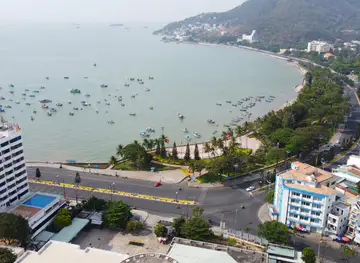
Neighbourhoods near Christ the King Statue
The closest neighbourhoods to Christ the King Statue, if you have time for more than one stop.
-
-

-


Swipe for more neighbourhoods
Explore more

Explore more of Vung Tau
Vung Tau blends sea views, French-era heritage, hilltop temples, fresh seafood and lively beaches in a relaxed Vietnamese coastal city near Ho Chi Minh City.
Explore Vung Tau