

Free Arlington Travel Guide & Mobile App
Plan your Arlington trip with Evendo. Get free guides to top attractions, restaurants, hotels, and bars. Web access or download the mobile app.


Arlington, Virginia pairs national memorials and Potomac views with walkable neighbourhoods, diverse dining, public art, and easy access to Washington, DC.
National History Along the Potomac
Arlington lies directly across the Potomac River from Washington, DC, combining major American memorials with the everyday life of a densely settled Virginia community. Arlington National Cemetery spreads across wooded hills above the river, while the Marine Corps War Memorial, known as the Iwo Jima Memorial, faces the capital skyline from Rosslyn. The Pentagon and the Pentagon Memorial add more recent chapters to the national story, although access arrangements vary and some sites require advance planning.Read more about Arlington
Neighbourhoods with Distinct Characters
Green Space and Contemporary Life
When is the best time to visit Arlington?
Best: May, September–October · 20–27°C| Month | High (°C) | Rainfall (mm) |
|---|---|---|
| January | 8 | 70 |
| February | 9 | 60 |
| March | 15 | 80 |
| April | 19 | 80 |
| May (best) | 24 | 90 |
| June | 29 | 100 |
| July | 32 | 90 |
| August | 30 | 90 |
| September (best) | 27 | 90 |
| October (best) | 20 | 80 |
| November | 13 | 80 |
| December | 8 | 70 |
Getting to and around Arlington
How to get there
Transportation
Best attractions in Arlington
Arlington’s principal attractions range from solemn national sites to riverside recreation. Arlington National Cemetery occupies wooded hills above the Potomac, with formal avenues leading to the Tomb of the Unknown Soldier, John F. Kennedy’s gravesite, and the Arlington House historic estate. Across the river-facing ridge, the Marine Corps War Memorial presents the famous flag-raising sculpture associated with Iwo Jima and offers broad views towards Washington. The Pentagon Memorial commemorates those killed at the Pentagon and in the aircraft on 11 September 2001. Rosslyn’s observation points and public art provide a more contemporary perspective, while Theodore Roosevelt Island offers wooded trails and a memorial plaza reached by footbridge. Further south, Long Bridge Park has open lawns and capital views, and the Mount Vernon Trail connects urban Arlington with the Potomac landscape.
-
Tourist attraction
The Tomb of the Unknown Soldier
Explore the solemn beauty of The Tomb of the Unknown Soldier, a poignant tribute to the sacrifices of unidentified American heroes.
9 min drive · 2.8 km from city centre
-
Tourist attraction
US Marine Corps War Memorial
Experience the profound honor of the US Marine Corps War Memorial, a majestic tribute to bravery and sacrifice in Arlington, Virginia.
9 min drive · 3.2 km from city centre
-
Tourist attraction
President John F. Kennedy Gravesite
Explore the historic and serene President John F. Kennedy Gravesite at Arlington National Cemetery, a poignant tribute to a visionary leader.
9 min drive · 2.8 km from city centre
-
Tourist attraction
Arlington National Cemetery
Explore the rich history and solemn beauty of Arlington National Cemetery, a military cemetery honoring America's heroes and their sacrifices.
9 min drive · 3.0 km from city centre


Best landmarks in Arlington
Arlington National Cemetery is the county’s defining landmark landscape, its ordered graves, memorials, and ceremonial avenues expressing the national importance of military service and public remembrance. Arlington House, the former Lee family residence, stands above the cemetery and provides historical context for the estate and the Civil War-era transformation of the site. The Pentagon is a major example of wartime federal construction and remains the headquarters of the US Department of Defense, while the Pentagon Memorial provides a quiet, highly personal response to the 2001 attacks. The Marine Corps War Memorial is recognisable for its monumental interpretation of the Iwo Jima flag raising. Along the Potomac, Key Bridge links Rosslyn with Georgetown, and Theodore Roosevelt Island’s memorial plaza honours the conservation-minded president within a preserved natural setting.
-
Memorial park
US Marine Corps War Memorial
Explore the US Marine Corps War Memorial, a poignant tribute to American bravery and sacrifice in Arlington, Virginia.
9 min drive · 3.2 km from city centre
-
Escape room center
Bonds Escape Room - Arlington
Experience the ultimate thrill at Bonds Escape Room in Arlington, where every puzzle leads to adventure and every escape story becomes a memory.
16 min walk · 1.3 km from city centre
-
 Military cemetery
Arlington National Cemetery
Visit Arlington National Cemetery to honor the sacrifices of U.S. military veterans and immerse yourself in a rich historical narrative of bravery and valor.
9 min drive · 3.0 km from city centre
-
War memorial
Air Force Memorial
Explore the Air Force Memorial in Arlington, VA – a stunning tribute to bravery and sacrifice, offering serene views and rich history.
11 min drive · 3.6 km from city centre


Explore Arlington on the map
Plan your Arlington trip on one map. See where the top attractions, landmarks, restaurants, bars and hotels are, find what's near where you're staying, and book hotels and experiences in a few clicks.
Best hotels in Arlington
Best restaurants in Arlington
Arlington’s dining scene reflects its proximity to Washington, its international population, and the character of its separate neighbourhood centres. Clarendon and Courthouse have a broad concentration of restaurants, from contemporary American cooking and independent cafés to Korean, Japanese, Mediterranean, Indian, Mexican, and Middle Eastern food. Columbia Pike is particularly useful for exploring a multicultural corridor with casual eateries, bakeries, and restaurants shaped by immigrant communities. Shirlington offers a polished dining-and-entertainment setting, while Rosslyn and Ballston cater to office workers as well as residents. Farmers’ markets held in Arlington neighbourhoods bring seasonal produce, prepared foods, and regional goods, and local breweries and coffee shops add to the everyday food culture. Menus and businesses change frequently, but the county’s strongest culinary identity lies in variety and neighbourhood dining rather than one defining dish.
-
Restaurant
Ambar Clarendon
Experience authentic Balkan cuisine at Ambar Clarendon - where every dish tells a story in a lively atmosphere.
15 min walk · 1.2 km from city centre
-
American
Tupelo Honey Southern Kitchen & Bar
Experience the charm of Southern cuisine at Tupelo Honey Southern Kitchen & Bar in Arlington, where comfort food meets modern flair.
7 min drive · 2.3 km from city centre
-
Seafood
Quarterdeck
Discover Quarterdeck in Arlington: A vibrant seafood restaurant offering fresh catches and a lively atmosphere near Washington D.C.
8 min drive · 2.6 km from city centre
-
Restaurant
Texas Jack’s Barbecue
Experience the best of Texas-style barbecue at Texas Jack’s Barbecue in Arlington – where every bite tells a story!
15 min walk · 1.2 km from city centre


Best bars in Arlington
Arlington’s nightlife is distributed through its Metro-connected neighbourhoods rather than concentrated in one entertainment quarter. Clarendon is the most familiar evening destination, with bars, pubs, live music, and late dining, while Courthouse and Rosslyn offer cocktail bars, lounges, and venues oriented towards after-work and weekend crowds. Ballston has a growing selection of restaurants and bars, and Shirlington provides a quieter evening centred on dining, cinema, and Signature Theatre performances. Columbia Pike has a more local, mixed atmosphere, including independent bars and culturally diverse restaurants. The county is not primarily a nightclub destination on the scale of central Washington, but it offers a range of social evenings, from craft beer and televised sport to theatre, comedy, and occasional live music. Metro service, rideshares, and designated-driver planning are sensible after dark.
-
Beer Garden
Courthaus Social
Experience the vibrant atmosphere of Courthaus Social, a premier beer garden in Arlington, VA, perfect for food lovers and sports fans alike.
5 min drive · 1.8 km from city centre
-
Grill
Mussel Bar & Grille
Experience the best of Belgian and American cuisine with fresh seafood at Mussel Bar & Grille in Arlington, VA.
11 min walk · 0.9 km from city centre
-
Irish pub
O'Sullivan's Irish Pub
Discover the charm of Ireland at O'Sullivan's Irish Pub, where authentic cuisine meets vibrant live music and a friendly atmosphere.
10 min walk · 0.8 km from city centre
-
Bar
Galaxy Hut
Discover the unique vibe of Galaxy Hut, Arlington's cosmic-themed bar with an impressive selection of craft beers and a lively atmosphere.
18 min walk · 1.5 km from city centre


Best nightclubs in Arlington
Arlington’s nightlife is distributed through its Metro-connected neighbourhoods rather than concentrated in one entertainment quarter. Clarendon is the most familiar evening destination, with bars, pubs, live music, and late dining, while Courthouse and Rosslyn offer cocktail bars, lounges, and venues oriented towards after-work and weekend crowds. Ballston has a growing selection of restaurants and bars, and Shirlington provides a quieter evening centred on dining, cinema, and Signature Theatre performances. Columbia Pike has a more local, mixed atmosphere, including independent bars and culturally diverse restaurants. The county is not primarily a nightclub destination on the scale of central Washington, but it offers a range of social evenings, from craft beer and televised sport to theatre, comedy, and occasional live music. Metro service, rideshares, and designated-driver planning are sensible after dark.
-
Hookah bar
Cloud Lounge
Discover the vibrant nightlife at Cloud Lounge, a premier hookah bar in Arlington, VA, offering exquisite flavors and a lively atmosphere.
6 min drive · 1.9 km from city centre
-
Lounge
Darna
Experience the vibrant culture of Arlington at Darna, a unique lounge offering delicious cuisine and a lively nightlife atmosphere.
6 min walk · 0.5 km from city centre
-
Night club
Clarendon Ballroom
Discover the lively Clarendon Ballroom in Arlington, VA, where nightlife comes alive with music, dancing, and unforgettable events.
11 min walk · 0.9 km from city centre
-
Cocktail bar
Ms. Peacock's Champagne Lounge
Experience the elegance of Ms. Peacock's Champagne Lounge, a premier cocktail bar in Arlington, VA, offering an exquisite selection of champagne and craft cocktails.
12 min walk · 1.0 km from city centre


Best shops in Arlington
Shopping in Arlington is organised around neighbourhood main streets, mixed-use centres, and convenient Metro corridors rather than a single historic retail quarter. Clarendon combines national brands with independent boutiques, cafés, salons, and practical everyday shops, while Ballston Quarter and nearby Ballston streets provide modern retail, food, and leisure facilities. Pentagon City has a large shopping centre with department-store and fashion retail, and Shirlington offers smaller shops alongside restaurants and entertainment. Columbia Pike is more varied and locally textured, with specialist food shops, services, and businesses reflecting the area’s diverse communities. Arlington’s farmers’ markets are useful for Virginia produce, baked goods, flowers, and prepared foods, while visitors seeking distinctive souvenirs may find locally made goods through seasonal markets and independent sellers rather than a dedicated traditional bazaar.
-
Shopping mall
Ballston Quarter
Experience shopping, dining, and entertainment like never before at Ballston Quarter in Arlington, Virginia.
8 min walk · 0.6 km from city centre
-
Shopping mall
The Crossing Clarendon
Discover The Crossing Clarendon, your ultimate shopping and dining destination in Arlington, Virginia, featuring diverse stores and delightful eateries.
15 min walk · 1.2 km from city centre
-
Italian grocery store
The Italian Store at Lyon Village
Explore The Italian Store at Lyon Village for authentic Italian groceries, deli delights, and delicious pizza takeout in Arlington, Virginia.
5 min drive · 1.8 km from city centre
-
Business center
Arlington Courthouse Plz 1 & 2
Experience the vibrant mix of business, shopping, and community spirit at Arlington Courthouse Plaza in Virginia.
6 min drive · 1.8 km from city centre


Get your free copy of our complete guide to Arlington, delivered straight to you.
Everything on this page, from attractions and restaurants to essentials and local phrases, in one PDF you can read offline, print or share.
Already have an account? Sign in
Your Arlington guide is ready.
We'll send it to · Not you? Sign out

Getting your guide ready…
We are putting together a fresh copy of the Arlington guide. This can take up to a minute.
This can take a few moments. If your browser asks, choose Allow so the download can start. You'll find the guide in your Downloads folder.
Nothing happened? Download it again
Sorry, the guide is taking longer than usual. Please try again in a minute, or get it by email instead.
Arlington essentials
Currency and Payment
Safety
Emergency Situations
Do's and Don'ts
Local Tips
From Eve
Local phrases worth knowing
You don't need to get them perfect. A few words go a long way, and locals appreciate the effort.
Basics
| English | Local | Say it |
|---|---|---|
| Hello | Hey | [hey] |
| Goodbye | See ya | [see ya] |
| Yes | Yep | [yep] |
| No | Nah | [nah] |
| Please/You're welcome | Please/No problem | [please/no problem] |
| Thank you | Thanks | [thanks] |
| Excuse me/Sorry | Excuse me/My bad | [excuse me/my bad] |
| How are you? | How you doin'? | [how you doin'] |
| Fine. And you? | Good. You? | [good. you?] |
| Do you speak English? | You speak English? | [you speak English?] |
| I don't understand | I don't get it | [I don't get it] |
Eating & Drinking
| English | Local | Say it |
|---|---|---|
| I'd like to see the menu, please | Can I see the menu? | [can I see the menu?] |
| I don't eat meat | I'm vegetarian | [I'm vegetarian] |
| Cheers! | Cheers! | [cheers] |
| I would like to pay, please | Check, please | [check, please] |
Emergencies
| English | Local | Say it |
|---|---|---|
| Help! | Help! | [help] |
| Go away! | Get lost! | [get lost] |
| Call the Police! | Call the cops! | [call the cops] |
| Call a doctor! | Call a doc! | [call a doc] |
| I'm lost | I'm lost | [I'm lost] |
| I'm ill | I'm sick | [I'm sick] |
Shopping
| English | Local | Say it |
|---|---|---|
| I'd like to buy... | I wanna buy... | [I wanna buy...] |
| I'm just looking | Just browsing | [just browsing] |
| How much is it? | How much? | [how much?] |
| That's too expensive | Too pricey | [too pricey] |
| Can you lower the price? | Can you do better? | [can you do better?] |
Time & Numbers
| English | Local | Say it |
|---|---|---|
| What time is it? | What time is it? | [what time is it?] |
| It's one o'clock | It's one | [it's one] |
| Half past (10) | Ten thirty | [ten thirty] |
| Morning | Morning | [morning] |
| Afternoon | Afternoon | [afternoon] |
| Evening | Evening | [evening] |
| Yesterday | Yesterday | [yesterday] |
| Today | Today | [today] |
| Tomorrow | Tomorrow | [tomorrow] |
| 1 | One | [one] |
| 2 | Two | [two] |
| 3 | Three | [three] |
| 4 | Four | [four] |
| 5 | Five | [five] |
| 6 | Six | [six] |
| 7 | Seven | [seven] |
| 8 | Eight | [eight] |
| 9 | Nine | [nine] |
| 10 | Ten | [ten] |
Transport & Directions
| English | Local | Say it |
|---|---|---|
| Where's a/the...? | Where's the...? | [where's the...?] |
| What's the address? | What's the address? | [what's the address?] |
| Can you show me (on the map)? | Show me on the map? | [show me on the map?] |
| When's the next (bus)? | When's the next (bus)? | [when's the next (bus)?] |
| A ticket (to ....) | A ticket (to ....) | [a ticket (to ....)] |
History of Arlington
Indigenous Potomac Landscapes
Long before Arlington became part of the Washington metropolitan area, the Potomac valley was home to Indigenous communities, including peoples associated with the Piscataway and neighbouring Algonquian-speaking societies. The river, wooded uplands, and smaller streams supported fishing, hunting, agriculture, and travel. European settlement later transformed these landscapes through land grants, plantations, roads, and enslaved labour. Arlington’s modern place names and preserved estates reflect layers of this colonial and early American history, although much of the earlier Indigenous landscape survives more clearly in geography than in visible monuments.
From Alexandria County to the Capital
The area that became Arlington was separated from Fairfax County in 1801 as Alexandria County, part of the territory ceded to create the District of Columbia. Its location opposite the new federal capital made it strategically important, while farms, ferries, and roads connected the Potomac shore with Alexandria and Washington. In 1846, the Virginia portion of the District was retroceded to the Commonwealth, returning Alexandria County to Virginia. The boundary changes established the political framework for the county that visitors encounter today, even though the built environment remained largely rural for much of the nineteenth century.
Civil War Occupation and Arlington House
Union forces occupied the Virginia heights opposite Washington during the American Civil War, turning the area into a defensive landscape of forts and earthworks. Arlington House, the former home of Robert E. Lee and his family, became associated with the national cemetery established on the surrounding estate in 1864. Arlington National Cemetery gradually expanded into a burial ground of national significance, incorporating military graves, memorials, and ceremonial spaces. The surviving fortifications and historic structures across the county recall the military importance of the Potomac approaches during the conflict.
A County Takes Its Modern Name
Alexandria County’s population and transport links grew as Washington expanded, with electric streetcars, railways, and improved roads encouraging suburban development. In 1920, the county was renamed Arlington County, taking its name from the Arlington estate and cemetery rather than from the independent city of Alexandria. The new name helped distinguish the increasingly urbanising county from its neighbour. Commercial corridors and residential communities developed around transit routes, laying the foundations for places such as Clarendon, Ballston, Rosslyn, and Columbia Pike.
National Defence and Metropolitan Growth
The Second World War accelerated Arlington’s transformation. The Pentagon opened in 1942 as the headquarters of the United States Department of War, later the Department of Defense, and became one of the world’s largest office buildings. After the war, government employment, federal contracting, and regional transport links drove substantial growth. The Washington Metro’s arrival in the late twentieth century supported higher-density development around stations, particularly in Rosslyn and the Rosslyn–Ballston corridor. This pattern produced the urban villages, office towers, apartments, and public spaces that define much of contemporary Arlington.
Arlington in Photos
Browse through our photo collection highlighting the charm and character of the destination.
Cities near Arlington
The closest cities to Arlington, if you have time for more than one stop.
-
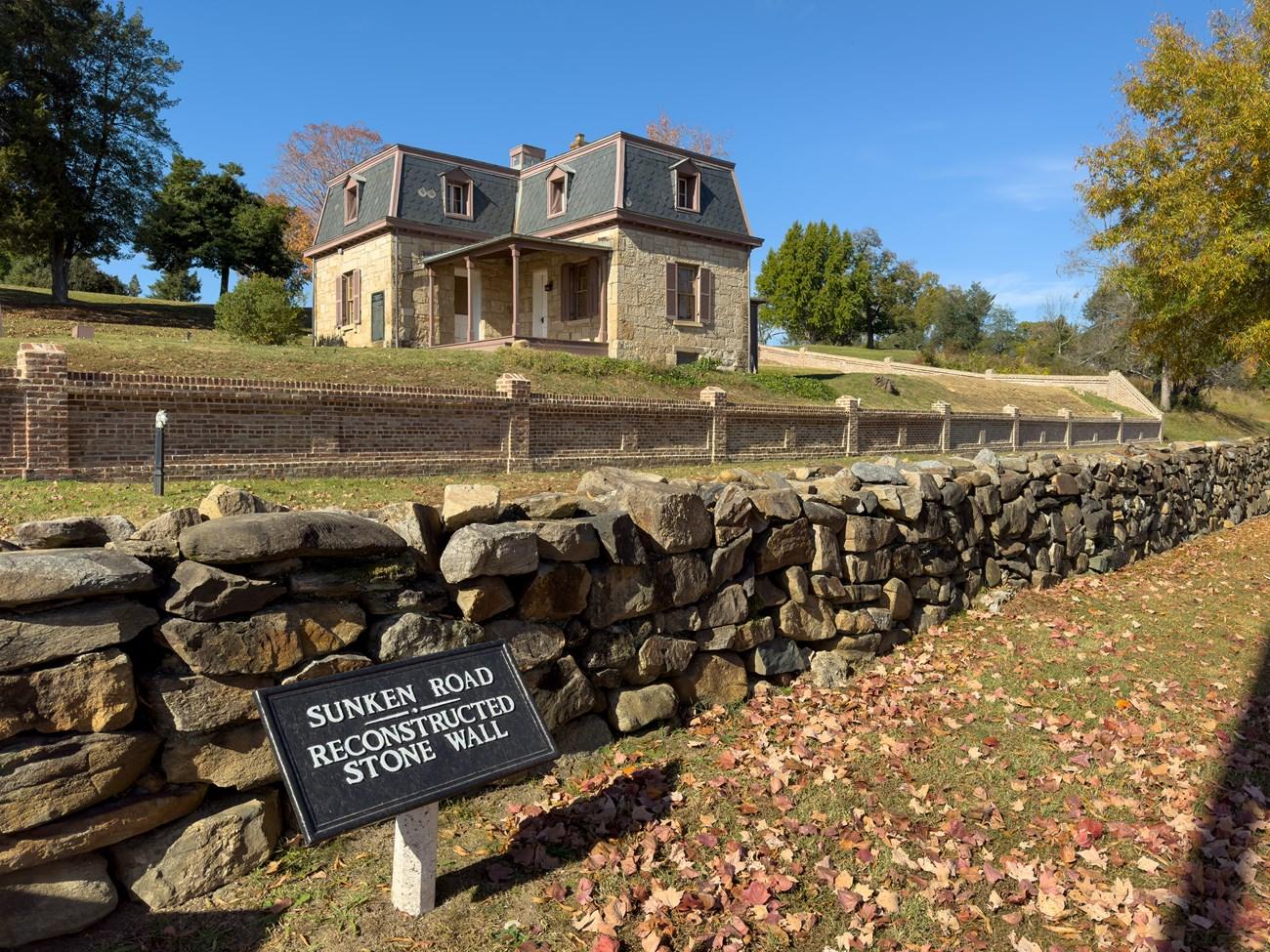 Fredericksburg
Discover Fredericksburg, Virginia: A historic gem with charming streets, vibrant arts, delicious cuisine, and natural beauty, perfect for history buffs, foodies, and nature lovers.
37 h 3 min drive · 2203 km from city centre
-

-
-
-


Swipe for more cities
Explore more

Explore more of Virginia
Discover Virginia: A blend of historic landmarks, natural beauty, and vibrant culture perfect for history buffs, nature lovers, and culture seekers.
Explore Virginia