

Free Charlottesville Travel Guide & Mobile App
Plan your Charlottesville trip with Evendo. Get free guides to top attractions, restaurants, hotels, and bars. Web access or download the mobile app.


Charlottesville, Virginia blends Thomas Jefferson’s architecture, University of Virginia history, lively arts, farm-to-table dining and Piedmont wine country.
History and Architecture
Charlottesville lies in Virginia’s Piedmont, a landscape of wooded foothills, working farms and distant Blue Ridge views. The city’s identity is closely linked to Thomas Jefferson, whose home at Monticello stands just outside Charlottesville and whose University of Virginia remains one of the defining features of the urban landscape. The university’s Lawn, Rotunda and carefully proportioned pavilions form an architectural ensemble of international importance, while the Downtown Mall preserves a more commercial layer of the city’s past in a pedestrianised stretch of restored nineteenth-century buildings.Read more about Charlottesville
Neighbourhoods and City Life
When is the best time to visit Charlottesville?
Best: April–May, October · 21–25°C| Month | High (°C) | Rainfall (mm) |
|---|---|---|
| January | 7 | 71 |
| February | 9 | 74 |
| March | 16 | 94 |
| April (best) | 21 | 84 |
| May (best) | 25 | 94 |
| June | 29 | 94 |
| July | 32 | 104 |
| August | 31 | 104 |
| September | 28 | 104 |
| October (best) | 21 | 84 |
| November | 14 | 81 |
| December | 8 | 84 |
Getting to and around Charlottesville
How to get there
Transportation
Best attractions in Charlottesville
Charlottesville’s attractions range from the University of Virginia’s Lawn and Rotunda to the exhibitions and performances of the Downtown Mall. The university grounds reward a slow walk through the Academical Village, where colonnades, pavilions and student life occupy Jefferson’s carefully planned setting. The Fralin Museum of Art presents collections and exhibitions in a university context, while the nearby Virginia Discovery Museum provides a family-oriented indoor experience. Just outside the city, Monticello offers access to Jefferson’s house, gardens and plantation landscape, with interpretation that also addresses the enslaved community who lived and worked there. Michie Tavern, also near Monticello, presents a later colonial-era setting, while Carter Mountain adds broad views over the city and Piedmont countryside. The Jefferson School African American Heritage Center and the Downtown Mall provide essential perspectives on local Black history, civic change and contemporary cultural life.
-
Tourist attraction
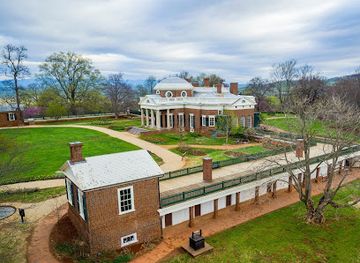
Monticello
Explore Monticello, an architectural wonder and historical landmark that embodies the legacy of Thomas Jefferson amidst stunning Virginia landscapes.
9 min drive · 3.1 km from city centre
-
Orchard
Carter Mountain Orchard and Country Store
Explore the scenic Carter Mountain Orchard in Charlottesville, where fresh produce, homemade treats, and breathtaking views await every visitor.
13 min drive · 4.2 km from city centre
-
Tourist attraction
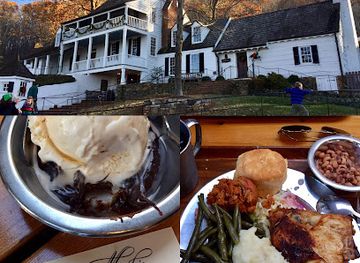
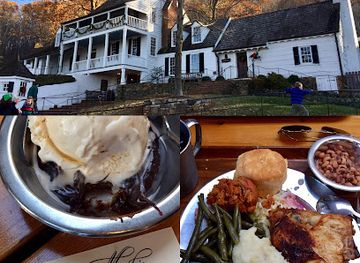
Michie Tavern ca. 1784
Discover the historic charm and culinary delights of Michie Tavern, a 1784 gem in Charlottesville, Virginia, blending rich history with Southern hospitality.
8 min drive · 2.6 km from city centre
-
Tourist attraction
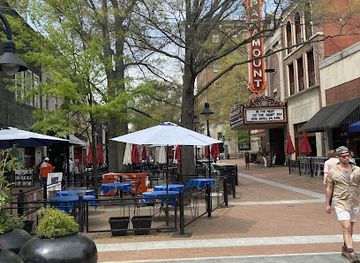
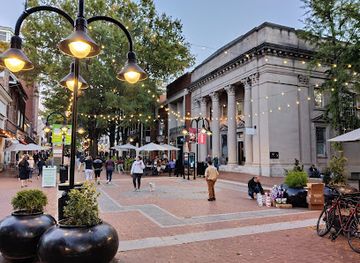
Downtown Mall
Discover the charm of Charlottesville's Downtown Mall, a vibrant destination for shopping, dining, and cultural experiences in Virginia.
5 min walk · 0.4 km from city centre

Best landmarks in Charlottesville
The University of Virginia’s Rotunda and Lawn are Charlottesville’s most consequential architectural landmarks, expressing Thomas Jefferson’s vision of an academic village organised around classical forms and open civic space. The Rotunda’s dome and colonnades dominate the northern end of the Lawn, while the surrounding pavilions, student rooms and gardens reveal the design’s layered history. Monticello, outside the city in Albemarle County, is the region’s best-known house landmark and combines Jefferson’s neoclassical architecture with a plantation landscape shaped by enslaved labour. Downtown, the pedestrianised Main Street Mall preserves a sequence of commercial buildings that records the city’s nineteenth-century growth. The Paramount Theater adds a major Art Deco-era civic presence, while the Jefferson School represents the history of African American education and community institution-building in Charlottesville.
-
Historical landmark
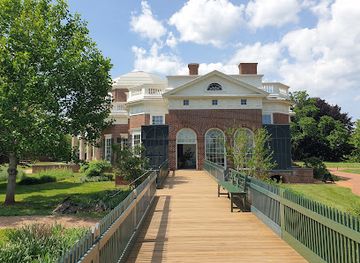
Monticello
Explore Monticello, the historic home of Thomas Jefferson, where architecture meets American history in a breathtaking Virginia setting.
9 min drive · 3.1 km from city centre
-
Restaurant
Michie Tavern ca. 1784
Experience the charm of Michie Tavern, an 18th-century landmark in Charlottesville, offering delicious Southern cuisine and a taste of history.
8 min drive · 2.6 km from city centre
-
Shopping mall
Downtown Mall
Explore the vibrant Downtown Mall in Charlottesville, a unique blend of shopping, dining, and local culture in the heart of Virginia.
5 min walk · 0.4 km from city centre
-
Art museum
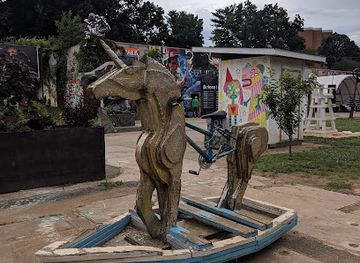
Ix Art Park
Experience the artistic charm of Ix Art Park in Charlottesville, VA, where art and nature unite in a vibrant community space for all to enjoy.
7 min walk · 0.6 km from city centre
Explore Charlottesville on the map
Plan your Charlottesville trip on one map. See where the top attractions, landmarks, restaurants, bars and hotels are, find what's near where you're staying, and book hotels and experiences in a few clicks.
Best hotels in Charlottesville
Best restaurants in Charlottesville
Charlottesville’s food culture reflects Virginia’s Piedmont farms, seasonal produce and connections to the wider South, with menus often combining local ingredients and contemporary technique. Restaurants around the Downtown Mall, Belmont, West Main Street and the university’s Corner range from chef-led dining rooms to casual cafés, bakeries and international kitchens. Regional traditions appear in dishes built around pork, poultry, grains, greens and locally grown fruit, while nearby farms supply markets and restaurant kitchens. The city’s craft-beer, Virginia-wine and cider culture is closely tied to the surrounding countryside, and food-focused visits often extend beyond the centre to farm shops, tasting rooms and seasonal events. Main Street Market provides a convenient introduction to local producers and prepared foods, while independent coffee shops and neighbourhood restaurants give Charlottesville a more informal culinary rhythm than its historic landmarks alone suggest.
-
Restaurant
Michie Tavern ca. 1784
Discover Michie Tavern: A Historical Dining Experience with Southern Cuisine in Charlottesville's Scenic Landscape.
8 min drive · 2.6 km from city centre
-
Hamburger
Citizen Burger Bar
Discover delicious gourmet burgers and vibrant atmosphere at Citizen Burger Bar in downtown Charlottesville.
4 min walk · 0.3 km from city centre
-
American
Sedona Taphouse
Experience the best of American cuisine at Sedona Taphouse in Charlottesville with craft beers, fine wines, and a warm atmosphere.
11 min drive · 3.5 km from city centre
-
American
Burtons Grill & Bar
Discover the culinary delights at Burtons Grill & Bar in Charlottesville - where American cuisine meets innovation in a warm atmosphere.
12 min drive · 4.1 km from city centre


Best bars in Charlottesville
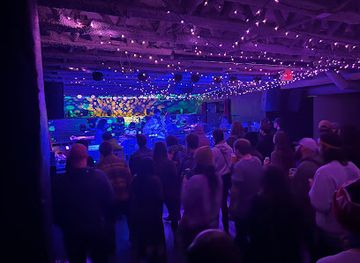
Evenings in Charlottesville centre on the Downtown Mall, the Corner near the University of Virginia and the Belmont area, with a mix of relaxed bars, breweries, wine-focused venues and restaurants that remain active after dinner. The Paramount Theater hosts concerts, comedy, film and other performances in a carefully restored historic setting, while the Ting Pavilion brings larger outdoor music events to the Downtown Mall during its event programme. Student-oriented venues around the Corner create a livelier late-night atmosphere, whereas Belmont tends towards neighbourhood bars and casual social spaces. Charlottesville’s proximity to Virginia wine and cider country also gives the evening scene a strong local-drinks identity, although many rural tasting rooms operate as daytime destinations rather than nightclubs. Cultural events, lectures and live music provide alternatives to bar-based nightlife.
-
Southern
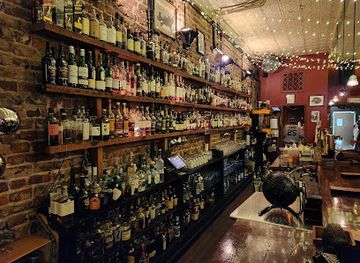
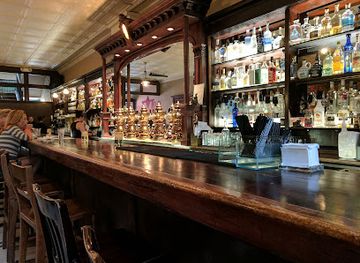
The Whiskey Jar
Discover the flavors of Southern cuisine at The Whiskey Jar, a charming restaurant in Downtown Charlottesville with an extensive whiskey selection.
7 min walk · 0.6 km from city centre
-
Bar
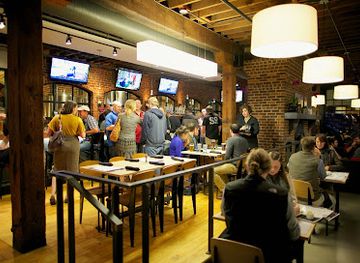
Miller's Downtown
Discover the vibrant atmosphere of Miller's Downtown, a top bar and restaurant in Charlottesville, known for its diverse menu and lively sports events.
6 min walk · 0.5 km from city centre
-
Beer hall
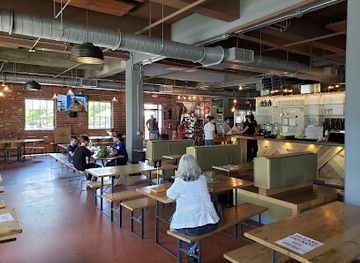
Kardinal Hall
Experience the lively atmosphere of Kardinal Hall, a premier beer hall and gastropub in Charlottesville, offering craft brews and delicious fare.
16 min walk · 1.2 km from city centre
-
Brewpub
South Street Brewery
Discover the heart of craft brewing at South Street Brewery, Charlottesville's beloved brewpub offering an array of house-made beers and delicious pub fare.
7 min walk · 0.5 km from city centre
Best nightclubs in Charlottesville
Evenings in Charlottesville centre on the Downtown Mall, the Corner near the University of Virginia and the Belmont area, with a mix of relaxed bars, breweries, wine-focused venues and restaurants that remain active after dinner. The Paramount Theater hosts concerts, comedy, film and other performances in a carefully restored historic setting, while the Ting Pavilion brings larger outdoor music events to the Downtown Mall during its event programme. Student-oriented venues around the Corner create a livelier late-night atmosphere, whereas Belmont tends towards neighbourhood bars and casual social spaces. Charlottesville’s proximity to Virginia wine and cider country also gives the evening scene a strong local-drinks identity, although many rural tasting rooms operate as daytime destinations rather than nightclubs. Cultural events, lectures and live music provide alternatives to bar-based nightlife.
-
Night club
Rapture Restaurant
Experience the vibrant nightlife and exquisite Creole cuisine at Rapture Restaurant, a must-visit spot in downtown Charlottesville, VA.
4 min walk · 0.3 km from city centre
-
Night club
The Southern Café and Music Hall
Discover the lively atmosphere of The Southern Café and Music Hall, a premier destination for live music and delicious café dining in Charlottesville.
6 min walk · 0.5 km from city centre
-
Pub
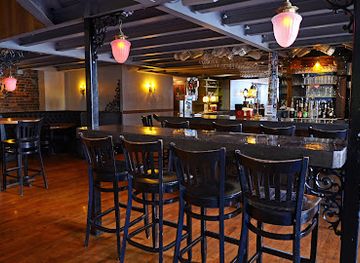
The Livery Stable (LWs)
Experience the vibrant atmosphere and delicious offerings at The Livery Stable, a must-visit pub in Charlottesville for food and fun.
8 min walk · 0.6 km from city centre
-
Cocktail bar
Lost Saint
Lost Saint: A cocktail haven in Charlottesville, blending artisanal drinks with a vibrant nightlife experience.
11 min walk · 0.9 km from city centre
Best shops in Charlottesville
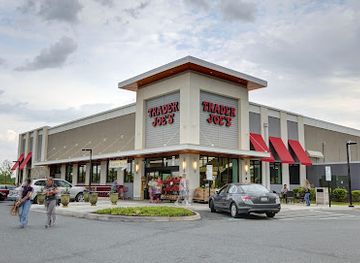
Shopping in Charlottesville is concentrated around the Downtown Mall, where restored buildings accommodate independent bookshops, clothing stores, galleries, jewellers, cafés and locally oriented gift shops. West Main Street and the Corner add smaller retailers connected with the university community, while Barracks Road offers a more conventional suburban shopping district with larger stores and services. Main Street Market is a useful place to encounter regional food products and independent vendors, and farmers’ markets provide seasonal produce, baked goods, preserves and locally made items when operating. The surrounding Piedmont is associated with Virginia wine, cider, craft beverages and farm products, which are often purchased directly from producers or specialist retailers. Visitors seeking souvenirs can find books on Jefferson and Virginia history, regional foods, handmade crafts and artwork rather than relying solely on mass-produced merchandise.
-
Shopping mall
Barracks Road Shopping Center
Explore Barracks Road Shopping Center: A lively retail hub in Charlottesville with diverse shops, dining, and entertainment for all ages.
10 min drive · 3.4 km from city centre
-
Shopping mall
The Shops at Stonefield
Explore a vibrant shopping experience at The Shops at Stonefield, where shopping, dining, and entertainment unite in Charlottesville, VA.
13 min drive · 4.2 km from city centre
-
Shopping mall
Downtown Mall
Experience the lively atmosphere of Downtown Mall in Charlottesville, a prime shopping and dining destination filled with local charm and cultural experiences.
5 min walk · 0.4 km from city centre
-
Shopping mall
Seminole Square Shopping Center
Discover a vibrant shopping experience at Seminole Square Shopping Center, featuring diverse stores, dining options, and family-friendly activities in Charlottesville.
12 min drive · 3.9 km from city centre

Get your free copy of our complete guide to Charlottesville, delivered straight to you.
Everything on this page, from attractions and restaurants to essentials and local phrases, in one PDF you can read offline, print or share.
Already have an account? Sign in
Your Charlottesville guide is ready.
We'll send it to · Not you? Sign out

Getting your guide ready…
We are putting together a fresh copy of the Charlottesville guide. This can take up to a minute.
This can take a few moments. If your browser asks, choose Allow so the download can start. You'll find the guide in your Downloads folder.
Nothing happened? Download it again
Sorry, the guide is taking longer than usual. Please try again in a minute, or get it by email instead.
Charlottesville essentials
Currency and Payment
Safety
Emergency Situations
Do's and Don'ts
Local Tips
From Eve
Local phrases worth knowing
You don't need to get them perfect. A few words go a long way, and locals appreciate the effort.
Basics
| English | Local | Say it |
|---|---|---|
| Hello | Hey y'all | [Hey y'all] |
| Goodbye | See ya later | [See ya later] |
| Yes | Yup | [Yup] |
| No | Nah | [Nah] |
| Please/You're welcome | Please/You're welcome | [Please/You're welcome] |
| Thank you | Thanks | [Thanks] |
| Excuse me/Sorry | Excuse me/Sorry | [Excuse me/Sorry] |
| How are you? | How ya doin'? | [How ya doin'?] |
| Fine. And you? | I'm good. How 'bout you? | [I'm good. How 'bout you?] |
| Do you speak English? | Ya speak English? | [Ya speak English?] |
| I don't understand | I don't get it | [I don't get it] |
Eating & Drinking
| English | Local | Say it |
|---|---|---|
| I'd like to see the menu, please | Can I check out the menu? | [Can I check out the menu?] |
| I don't eat meat | I don't do meat | [I don't do meat] |
| Cheers! | Cheers! | [Cheers!] |
| I would like to pay, please | I'm ready to settle up | [I'm ready to settle up] |
Emergencies
| English | Local | Say it |
|---|---|---|
| Help! | Help! | [Help!] |
| Go away! | Beat it! | [Beat it!] |
| Call the Police! | Ring up the cops! | [Ring up the cops!] |
| Call a doctor! | Get a doc! | [Get a doc!] |
| I'm lost | I'm all turned around | [I'm all turned around] |
| I'm ill | I'm feelin' under the weather | [I'm feelin' under the weather] |
Shopping
| English | Local | Say it |
|---|---|---|
| I'd like to buy... | I'm lookin' to buy... | [I'm lookin' to buy...] |
| I'm just looking | Just browsing | [Just browsing] |
| How much is it? | What's the damage? | [What's the damage?] |
| That's too expensive | That's pricey | [That's pricey] |
| Can you lower the price? | Can ya cut me a deal? | [Can ya cut me a deal?] |
Time & Numbers
| English | Local | Say it |
|---|---|---|
| What time is it? | What's the time? | [What's the time?] |
| It's one o'clock | It's one | [It's one] |
| Half past (10) | Half past ten | [Half past ten] |
| Morning | Mornin' | [Mornin'] |
| Afternoon | Afternoon | [Afternoon] |
| Evening | Evenin' | [Evenin'] |
| Yesterday | Yest'day | [Yest'day] |
| Today | Today | [Today] |
| Tomorrow | Tomorrow | [Tomorrow] |
| 1 | One | [One] |
| 2 | Two | [Two] |
| 3 | Three | [Three] |
| 4 | Four | [Four] |
| 5 | Five | [Five] |
| 6 | Six | [Six] |
| 7 | Seven | [Seven] |
| 8 | Eight | [Eight] |
| 9 | Nine | [Nine] |
| 10 | Ten | [Ten] |
Transport & Directions
| English | Local | Say it |
|---|---|---|
| Where's a/the...? | Where's the...? | [Where's the...?] |
| What's the address? | What's the address? | [What's the address?] |
| Can you show me (on the map)? | Can you show me (on the map)? | [Can you show me (on the map)?] |
| When's the next (bus)? | When's the next (bus)? | [When's the next (bus)?] |
| A ticket (to ....) | A ticket (to ....) | [A ticket (to ....)] |
History of Charlottesville
Monacan Homeland and Colonial Settlement
The Charlottesville area lies within the historic homeland of the Monacan people, whose communities occupied parts of central Virginia long before European settlement. Colonial expansion intensified during the eighteenth century as plantations, farms and roads developed across Albemarle County. Charlottesville was established in 1762 when the county seat was moved from Scottsville to a more central location, and the town was named for Queen Charlotte, wife of George III. Its early development reflected the administrative and commercial needs of the surrounding agricultural region rather than a dense urban plan, with the courthouse square and later market activity providing a civic focus.
Jefferson’s Monticello
Thomas Jefferson shaped Charlottesville’s historical identity through Monticello, his plantation home on a nearby hilltop, and through his political and architectural ambitions for the region. Construction at Monticello began in the 1760s and continued through successive redesigns, producing a house that incorporated classical references with Jefferson’s own experiments in planning and technology. The estate was worked by enslaved people, including members of the Hemings family, whose lives and contributions are central to the site’s modern interpretation. Monticello became a powerful symbol of the early American republic while also embodying the contradictions of Jefferson’s ideals and dependence on slavery.
The University of Virginia
Jefferson’s most influential civic project in Charlottesville was the University of Virginia, founded in 1819 and opened to students in 1825. The Academical Village, centred on the Lawn and Rotunda, rejected the traditional college model of a chapel-led campus and instead placed education, discussion and scientific study at the heart of the design. The university quickly became a major intellectual institution, although its early operation depended on enslaved labour and excluded women and Black students. The Rotunda was rebuilt after a fire in 1895, while later expansion transformed the university into an institution whose grounds and history remain inseparable from the city.
Railways, Commerce and Civil War
Nineteenth-century Charlottesville grew as a regional market and transport centre, particularly after railway connections linked it with Richmond, the Shenandoah Valley and other parts of Virginia. Commercial streets, warehouses and civic buildings expanded around the town’s transport infrastructure, while agriculture remained central to the surrounding economy. During the American Civil War, Charlottesville was occupied by Union forces in March 1865 as Confederate resistance collapsed, but the town avoided the extensive destruction suffered by some other Virginia communities. The railway later supported industrial and institutional growth, helping connect Charlottesville’s local economy with wider markets.
Segregation and African American Community Life
For much of the nineteenth and twentieth centuries, Charlottesville was shaped by racial segregation in education, housing, employment and public life. African American residents built strong institutions, businesses and community networks in neighbourhoods including Vinegar Hill, while the Jefferson School became an important centre for Black education before school desegregation. The city’s decision to remove Vinegar Hill during an urban-renewal programme in the 1960s destroyed homes and businesses and displaced residents. Today, museums, oral histories and heritage projects preserve these experiences and place Charlottesville’s architectural and political history within a fuller account of the people who built the city.
Civil Rights and Contemporary Memory
Charlottesville’s modern history includes the gradual desegregation of public institutions and the continuing debate over monuments, memory and public space. In August 2017, a white-nationalist rally and counter-protests in and around the Downtown Mall and the University of Virginia campus brought national attention to the city; violence resulted in deaths and injuries, including the killing of Heather Heyer. The events prompted renewed examination of Confederate monuments, racial injustice and the university’s historical relationship with slavery. Charlottesville continues to interpret this past through memorial projects, civic discussion and cultural institutions, while retaining its role as a university city and regional centre.
Charlottesville in Photos
Browse through our photo collection highlighting the charm and character of the destination.
Cities near Charlottesville
The closest cities to Charlottesville, if you have time for more than one stop.
-

-
-

-
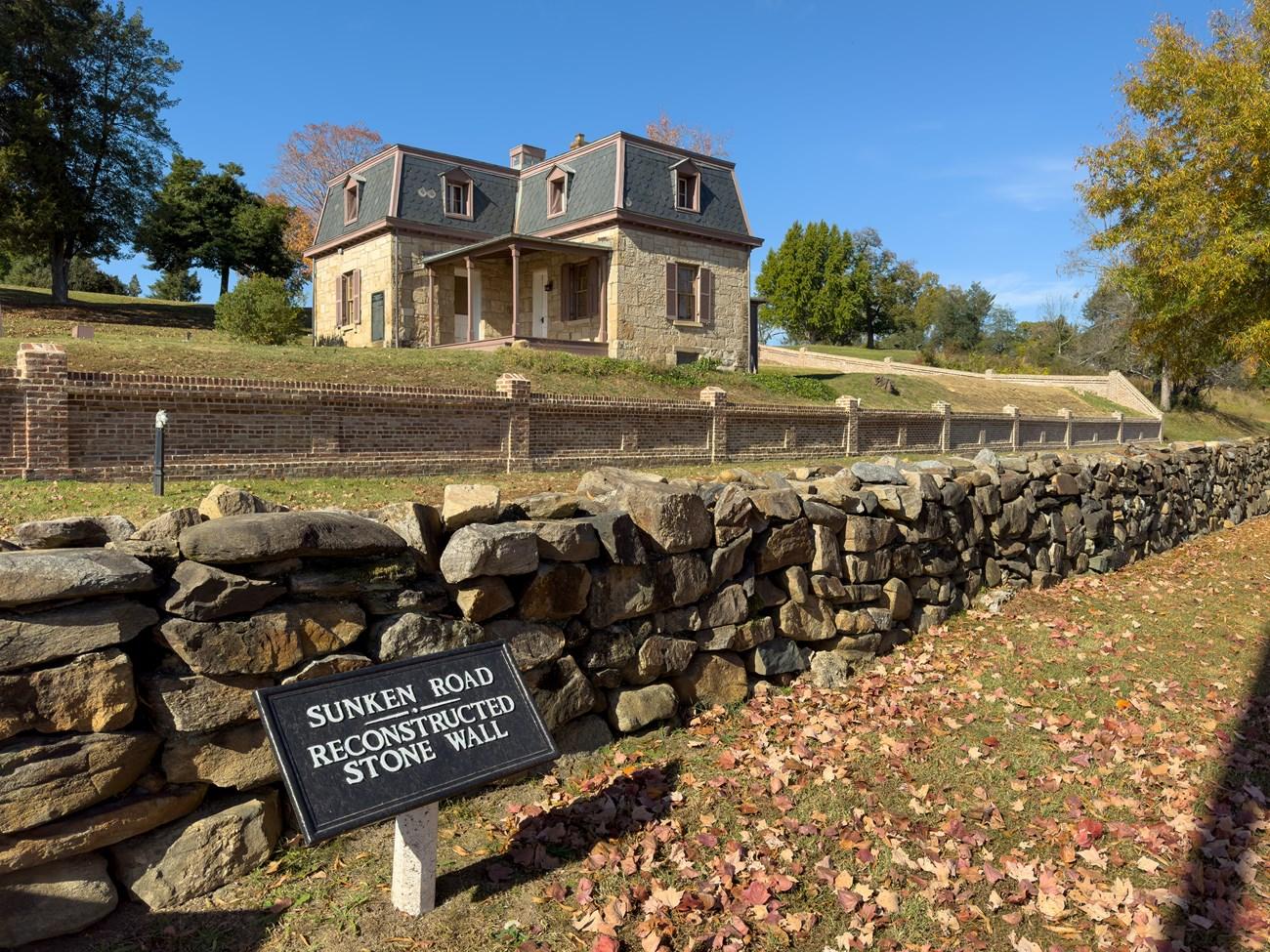 Fredericksburg
Discover Fredericksburg, Virginia: A historic gem with charming streets, vibrant arts, delicious cuisine, and natural beauty, perfect for history buffs, foodies, and nature lovers.
34 h 39 min drive · 2059 km from city centre
Fredericksburg
Discover Fredericksburg, Virginia: A historic gem with charming streets, vibrant arts, delicious cuisine, and natural beauty, perfect for history buffs, foodies, and nature lovers.
34 h 39 min drive · 2059 km from city centre
-


Swipe for more cities
Explore more

Explore more of Virginia
Discover Virginia: A blend of historic landmarks, natural beauty, and vibrant culture perfect for history buffs, nature lovers, and culture seekers.
Explore Virginia