

Free Fredericksburg Travel Guide & Mobile App
Plan your Fredericksburg trip with Evendo. Get free guides to top attractions, restaurants, hotels, and bars. Web access or download the mobile app.


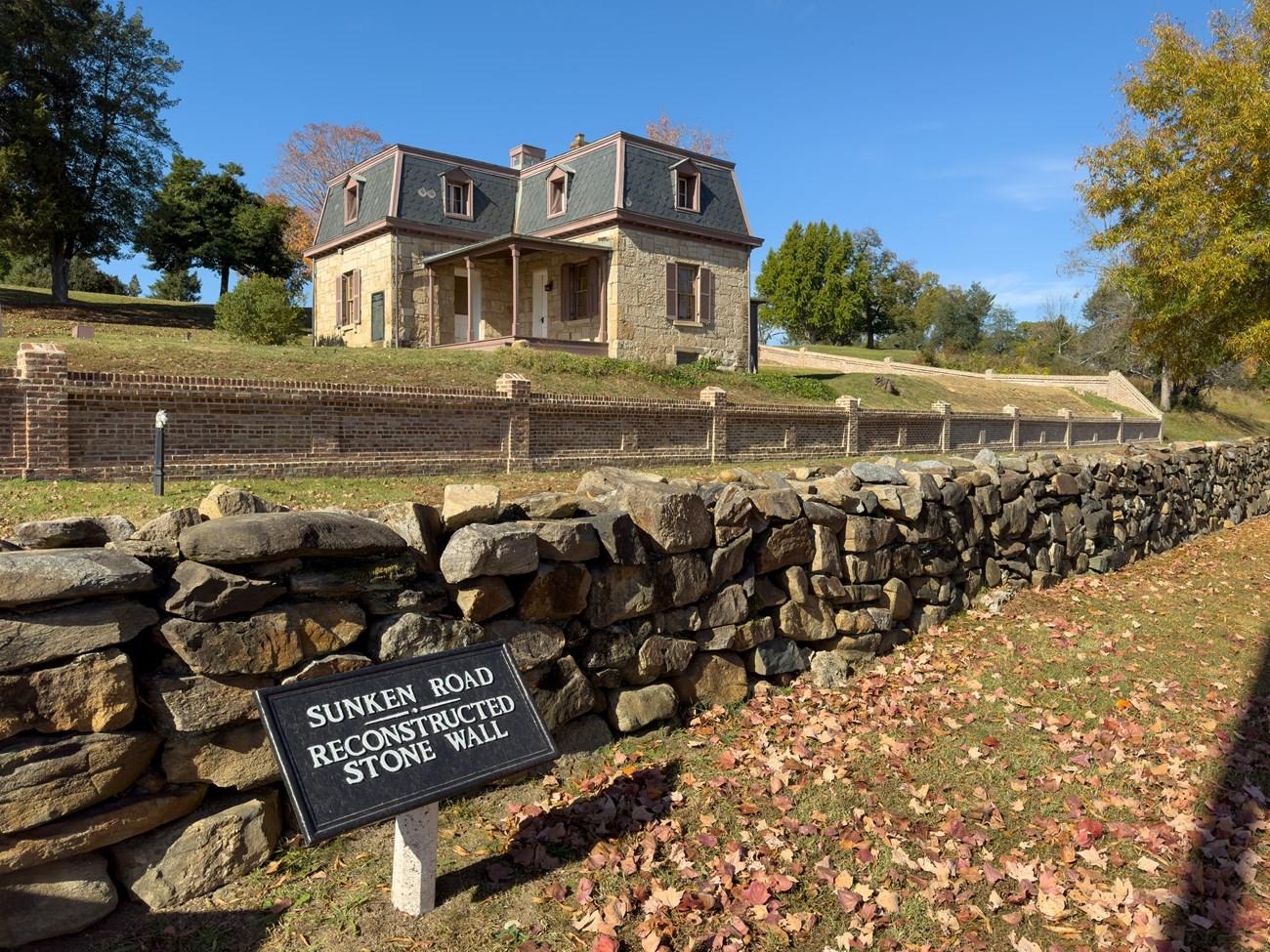


Discover Fredericksburg, Virginia: A historic gem with charming streets, vibrant arts, delicious cuisine, and natural beauty, perfect for history buffs, foodies, and nature lovers.
Read more about Fredericksburg
When is the best time to visit Fredericksburg?
Best: May, September–October · 21–28°C| Month | High (°C) | Rainfall (mm) |
|---|---|---|
| January | 8 | 81 |
| February | 9 | 74 |
| March | 16 | 91 |
| April | 21 | 83 |
| May (best) | 25 | 95 |
| June | 29 | 98 |
| July | 32 | 102 |
| August | 31 | 98 |
| September (best) | 28 | 88 |
| October (best) | 21 | 79 |
| November | 14 | 85 |
| December | 9 | 91 |
Getting to and around Fredericksburg
How to get there
Transportation
Best attractions in Fredericksburg
Fredericksburg, Virginia offers a unique blend of history, culture, and natural beauty for visitors to explore. From the historic sites like George Washington's Ferry Farm and Mary Washington House, to the vibrant art scene in the downtown area, there is something for everyone to enjoy. Visitors can also take a stroll along the Rappahannock River, visit the local wineries, or explore the nearby battlefields of the Civil War. With charming shops, delicious restaurants, and a welcoming community, Fredericksburg is a destination that will leave a lasting impression on all who visit.
-
Tourist attraction
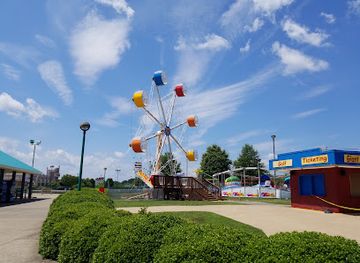
Fun Land of Fredericksburg
Experience the excitement of Fun Land of Fredericksburg, where thrilling rides, arcade games, and family-friendly fun await in Virginia's premier amusement park.
13 min drive · 4.5 km from city centre
-
Tourist attraction
Old Mill Park
Experience the serene beauty and rich history of Old Mill Park in Fredericksburg, Virginia, a perfect getaway for nature lovers and families alike.
5 min drive · 1.6 km from city centre
-
Tourist attraction
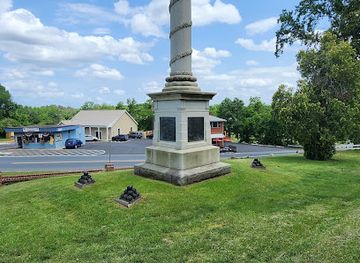
Fredericksburg and Spotsylvania National Military Park
Explore the rich history of the Civil War at Fredericksburg and Spotsylvania National Military Park, where battlefields and monuments tell powerful stories.
15 min walk · 1.2 km from city centre
-
Tourist attraction
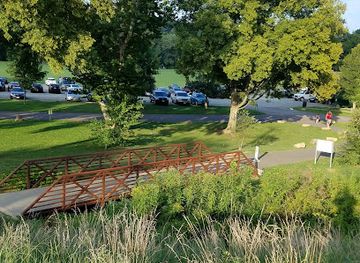
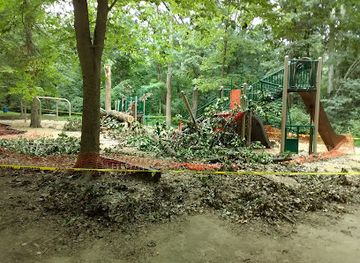
Alum Spring Park
Experience nature's beauty at Alum Spring Park, a tranquil haven in Fredericksburg, VA, perfect for outdoor activities and family picnics.
8 min drive · 2.5 km from city centre
Best landmarks in Fredericksburg
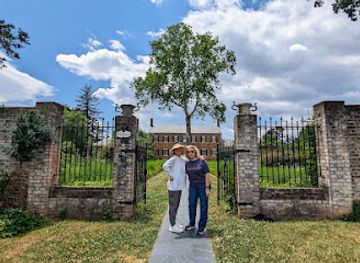
Fredericksburg offers visitors a rich tapestry of history and culture, with its numerous landmarks showcasing the city's significance in American history. From the well-preserved Civil War battlefields at Fredericksburg and Spotsylvania National Military Park to the historic downtown area with its quaint shops and restaurants, there is something for everyone to explore. Don't miss the chance to visit George Washington's Ferry Farm, the childhood home of the first president of the United States, or the Mary Washington House, the former home of George Washington's mother. With its blend of historical sites and charming atmosphere, Fredericksburg is a must-visit destination for any history enthusiast.
-
Battle site
Fredericksburg and Spotsylvania National Military Park
Discover the rich history and natural beauty of Fredericksburg and Spotsylvania National Military Park, a key Civil War site in Virginia.
15 min walk · 1.2 km from city centre
-
German
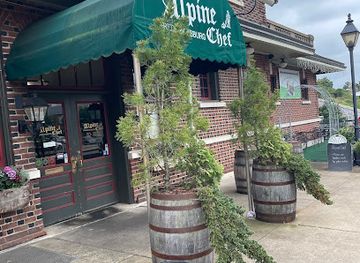
The Alpine Chef
Discover the authentic flavors of German cuisine at The Alpine Chef in Fredericksburg, VA, where traditional recipes meet a cozy dining atmosphere.
8 min walk · 0.6 km from city centre
-
Park
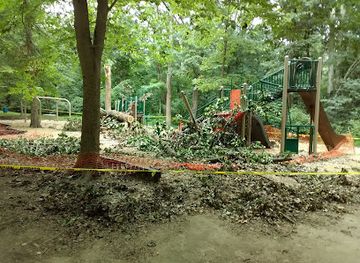
Alum Spring Park
Discover the tranquil beauty of Alum Spring Park in Fredericksburg, VA, a perfect escape for nature lovers and outdoor enthusiasts alike.
8 min drive · 2.5 km from city centre
-
Visitor center
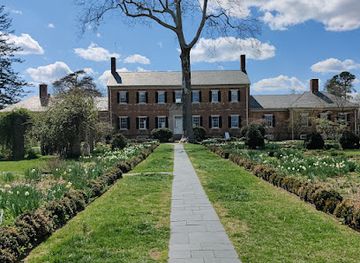
Fredericksburg Battlefield Visitor Center
Discover the Fredericksburg Battlefield Visitor Center, where history comes alive through engaging exhibits and scenic battlefield explorations.
15 min walk · 1.2 km from city centre
Explore Fredericksburg on the map
Plan your Fredericksburg trip on one map. See where the top attractions, landmarks, restaurants, bars and hotels are, find what's near where you're staying, and book hotels and experiences in a few clicks.
Best hotels in Fredericksburg
Best restaurants in Fredericksburg
Fredericksburg boasts a diverse and vibrant dining scene that caters to all tastes and preferences. From charming cafes and cozy bistros to upscale restaurants and trendy food trucks, visitors can indulge in a culinary adventure like no other. Local favorites include authentic Southern cuisine, fresh seafood dishes, international flavors, and farm-to-table experiences. With a mix of historic charm and modern sophistication, dining in Fredericksburg is not just a meal, but a memorable experience that showcases the city's rich culinary heritage.
-
American
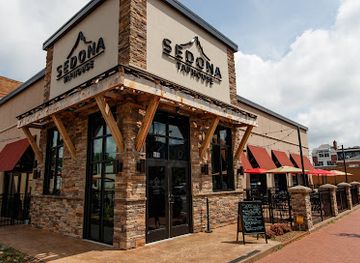
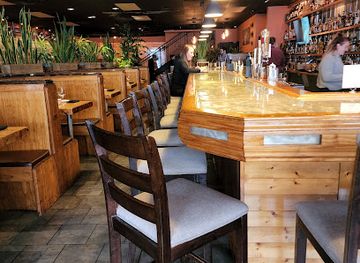
Sedona Taphouse
Discover American cuisine at Sedona Taphouse in Fredericksburg—where great food meets exceptional craft beers in a vibrant atmosphere.
4 min walk · 0.3 km from city centre
-
European
Park Lane Tavern of Fredericksburg
Experience the best of European and American cuisine at Park Lane Tavern in Fredericksburg – where great food meets a lively atmosphere.
14 min drive · 4.6 km from city centre
-
Restaurant
Mason-Dixon Cafe (Fredericksburg)
Experience authentic Southern cuisine at Mason-Dixon Cafe in Fredericksburg - where every meal tells a story of tradition and flavor.
17 min walk · 1.3 km from city centre
-
Steak
Fahrenheit 132
Experience exquisite steaks at Fahrenheit 132 in Fredericksburg - where culinary artistry meets exceptional service.
1 min walk · 0.1 km from city centre
Best bars in Fredericksburg
Fredericksburg's nightlife scene offers a mix of historic charm and modern entertainment, perfect for visitors looking to unwind after a day of sightseeing. From cozy pubs serving craft beers to lively nightclubs with live music and dancing, there is something for everyone. Explore the bustling downtown area with its trendy bars and cocktail lounges, or head to the waterfront for a more relaxed vibe. Don't miss out on the local breweries and wineries for a taste of the region's unique flavors. Whether you're looking for a casual night out or a memorable party experience, Fredericksburg has it all.
-
American
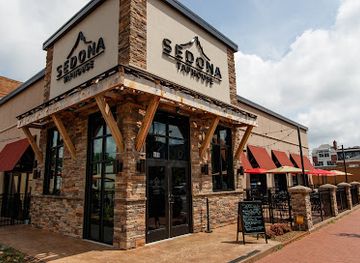
Sedona Taphouse
Experience the best of American cuisine and craft beverages at Sedona Taphouse, Fredericksburg's trendy dining destination.
4 min walk · 0.3 km from city centre
-
Bar
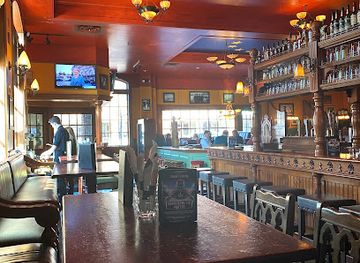
Park Lane Tavern of Fredericksburg
Experience the best of American and European cuisines at Park Lane Tavern in Fredericksburg, where vibrant atmosphere meets delicious dining.
14 min drive · 4.6 km from city centre
-
Bar
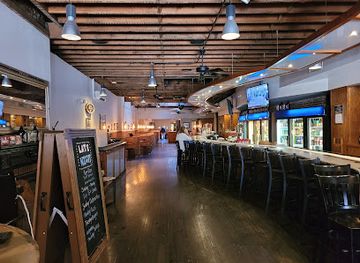
Capital Ale House
Discover the lively Capital Ale House in Fredericksburg, VA, where delicious German cuisine meets an extensive craft beer selection for an unforgettable dining experience.
1 min walk · 0.1 km from city centre
-
American
Brock's Riverside Grill
Experience the best of American dining with stunning river views at Brock's Riverside Grill in Fredericksburg, VA.
8 min walk · 0.6 km from city centre
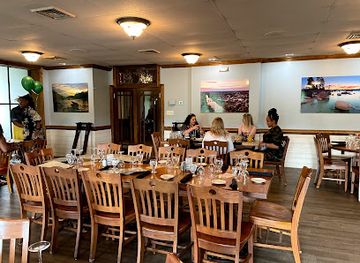
Best nightclubs in Fredericksburg
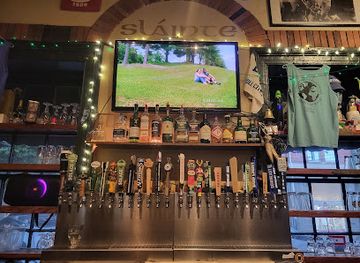
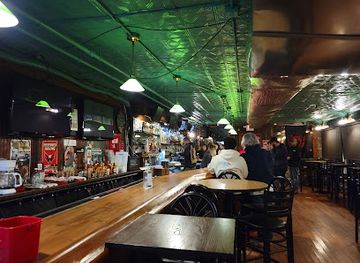
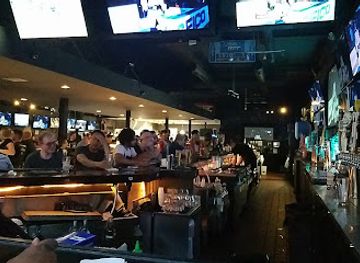
Fredericksburg's nightlife scene offers a mix of historic charm and modern entertainment, perfect for visitors looking to unwind after a day of sightseeing. From cozy pubs serving craft beers to lively nightclubs with live music and dancing, there is something for everyone. Explore the bustling downtown area with its trendy bars and cocktail lounges, or head to the waterfront for a more relaxed vibe. Don't miss out on the local breweries and wineries for a taste of the region's unique flavors. Whether you're looking for a casual night out or a memorable party experience, Fredericksburg has it all.
-
Irish pub
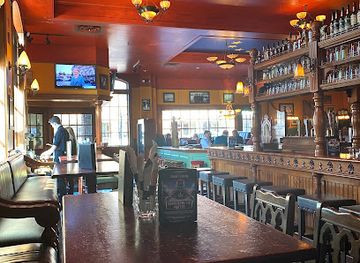
J. Brian’s Tap Room
Discover the charm of Ireland at J. Brian’s Tap Room, a beloved Irish pub in Fredericksburg featuring hearty meals and live music.
3 min walk · 0.2 km from city centre
-
Bar
Happy Endings
Enjoy lively nights at Happy Endings, Fredericksburg's favorite bar and grill, featuring delicious food, refreshing drinks, and a vibrant atmosphere.
6 min walk · 0.5 km from city centre
-
Sports bar
Jay’s Downtown Sports Lounge
Join the excitement at Jay's Downtown Sports Lounge, where sports, delicious food, and great company come together in Fredericksburg, Virginia.
2 min walk · 0.1 km from city centre
-
Grill
Spirits American Bar & Grill
Experience the best of American Grill cuisine at Spirits American Bar & Grill in Fredericksburg, VA, where flavor meets fun in a vibrant atmosphere.
2 min walk · 0.2 km from city centre
Best shops in Fredericksburg
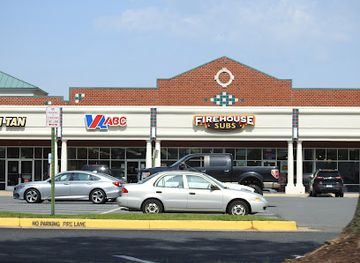
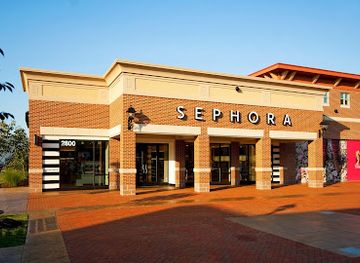
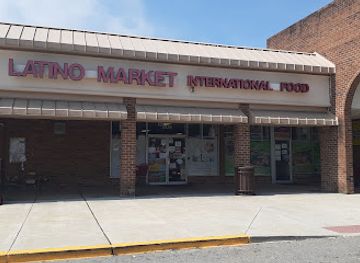
Fredericksburg offers a charming and diverse shopping scene for visitors to explore. From boutique shops and antique stores lining the historic streets of downtown to modern shopping centers with popular retail chains, there is something for every shopper. Visitors can browse unique handmade crafts at the local artisan markets, shop for vintage finds at the numerous thrift stores, or indulge in luxury brands at upscale boutiques. The bustling farmers' market also provides an opportunity to taste local flavors and purchase fresh produce. With its rich history and vibrant shopping options, Fredericksburg is a must-visit destination for those looking for a memorable shopping experience.
-
Shopping mall
Central Park
Discover a vibrant shopping haven at Central Park in Fredericksburg, where big names meet charming boutiques and delightful dining options.
14 min drive · 4.6 km from city centre
-
Shopping mall
Spotsylvania Towne Centre
Discover the vibrant retail and entertainment hub at Spotsylvania Towne Centre, a must-visit shopping destination in Fredericksburg, Virginia.
14 min drive · 4.7 km from city centre
-
Shopping mall
Greenbrier Shopping Center
Explore the best of retail and dining at Greenbrier Shopping Center, Fredericksburg's premier shopping destination.
10 min drive · 3.2 km from city centre
-
Shopping mall
Fredericksburg Shopping Center
Explore a diverse selection of shops and dining experiences at Fredericksburg Shopping Center, perfect for tourists seeking unique finds and local flavors.
5 min drive · 1.8 km from city centre
Get your free copy of our complete guide to Fredericksburg, delivered straight to you.
Everything on this page, from attractions and restaurants to essentials and local phrases, in one PDF you can read offline, print or share.
Already have an account? Sign in
Your Fredericksburg guide is ready.
We'll send it to · Not you? Sign out

Getting your guide ready…
We are putting together a fresh copy of the Fredericksburg guide. This can take up to a minute.
This can take a few moments. If your browser asks, choose Allow so the download can start. You'll find the guide in your Downloads folder.
Nothing happened? Download it again
Sorry, the guide is taking longer than usual. Please try again in a minute, or get it by email instead.
Fredericksburg essentials
Currency and Payment
Safety
Emergency Situations
Do's and Don'ts
Local Tips
From Eve
Local phrases worth knowing
You don't need to get them perfect. A few words go a long way, and locals appreciate the effort.
Basics
| English | Local | Say it |
|---|---|---|
| Hello | Howdy | [haw-dee] |
| Goodbye | See ya | [see yuh] |
| Yes | Yup | [yuhp] |
| No | Nah | [nah] |
| Please/You're welcome | Please/No problem | [pleez/no problum] |
| Thank you | Thanks | [thaynks] |
| Excuse me/Sorry | Pardon me/My bad | [pahr-dn me/my bad] |
| How are you? | How y'all doin'? | [how y'all doin'] |
| Fine. And you? | I'm good. How 'bout you? | [ahm good. how 'bout yuh?] |
| Do you speak English? | Y'all speak English? | [y'all speak ing-lish?] |
| I don't understand | I ain't following ya | [ah aint fah-lowing yuh] |
Eating & Drinking
| English | Local | Say it |
|---|---|---|
| I'd like to see the menu, please | Can I check out the menu, please | [can ah chek out the menu, pleez] |
| I don't eat meat | I don't eat meat | [ah don't eat meet] |
| Cheers! | Cheers! | [cheers] |
| I would like to pay, please | I'm ready to settle the bill, please | [ahm ready to set-ul the bill, pleez] |
Emergencies
| English | Local | Say it |
|---|---|---|
| Help! | Help! | [help!] |
| Go away! | Git outta here! | [git out-ta here!] |
| Call the Police! | Call the cops! | [call the cops!] |
| Call a doctor! | Get a doc! | [get a doc!] |
| I'm lost | I'm lost | [ahm lost] |
| I'm ill | I'm sick | [ahm sick] |
Shopping
| English | Local | Say it |
|---|---|---|
| I'd like to buy... | I wanna buy... | [ah wanna buy...] |
| I'm just looking | I'm just lookin' | [ahm just lookin'] |
| How much is it? | How much does it cost? | [how much duhz it cost?] |
| That's too expensive | That's too pricey | [thats too prah-see] |
| Can you lower the price? | Can ya give me a deal? | [can yuh give me a deal?] |
Time & Numbers
| English | Local | Say it |
|---|---|---|
| What time is it? | What time is it? | [what time is it?] |
| It's one o'clock | It's one | [its one] |
| Half past (10) | Ten-thirty | [ten-thur-tee] |
| Morning | Morning | [mornin'] |
| Afternoon | Afternoon | [aft-er-noon] |
| Evening | Evening | [ee-ven-ing] |
| Yesterday | Yesterday | [yes-tur-day] |
| Today | Today | [to-day] |
| Tomorrow | Tomorrow | [to-mor-row] |
| 1 | One | [wun] |
| 2 | Two | [too] |
| 3 | Three | [three] |
| 4 | Four | [four] |
| 5 | Five | [five] |
| 6 | Six | [six] |
| 7 | Seven | [sev-en] |
| 8 | Eight | [ate] |
| 9 | Nine | [nine] |
| 10 | Ten | [ten] |
Transport & Directions
| English | Local | Say it |
|---|---|---|
| Where's a/the...? | Where's the...? | [wheres the...?] |
| What's the address? | What's the address? | [whats the address?] |
| Can you show me (on the map)? | Can you show me (on the map)? | [can yuh show me (on the map)?] |
| When's the next (bus)? | When's the next (bus)? | [whens the next (bus)?] |
| A ticket (to ....) | A ticket (to ....) | [a ticket (to ....)] |
History of Fredericksburg
Colonial Beginnings
Founded in 1728, Fredericksburg was named after Frederick, Prince of Wales. Its strategic location along the Rappahannock River made it a vital trading post during the colonial era. The town quickly grew, boasting a bustling port that connected the region with the rest of the American colonies, facilitating commerce in tobacco, grain, and other goods.
Revolutionary War Significance
Fredericksburg played a significant role during the American Revolutionary War. The town was a supply hub and a meeting place for revolutionary leaders. George Washington's mother, Mary Ball Washington, lived here, and Washington himself frequented the town. The Rising Sun Tavern, built by Charles Washington, was a popular meeting place for patriots.
Civil War Battleground
Fredericksburg is perhaps most famous for its role in the American Civil War. The Battle of Fredericksburg, fought in December 1862, was one of the war’s most significant clashes. The town endured bombardment and occupation, with Union and Confederate forces facing off in bloody combat. The Sunken Road and the stone wall at Marye’s Heights became infamous for the intense fighting that occurred there.
Historic Downtown
Fredericksburg’s downtown area preserves much of its historic charm, with over 350 buildings dating back to the 18th and 19th centuries. Visitors can explore historic homes, churches, and businesses that have been meticulously preserved. Notable sites include the Hugh Mercer Apothecary Shop, the Mary Washington House, and the Kenmore Plantation.
Fredericksburg and Spotsylvania National Military Park
This extensive park commemorates four major Civil War battles: Fredericksburg, Chancellorsville, Wilderness, and Spotsylvania Court House. The park offers visitors a chance to explore battlefields, monuments, and preserved buildings, providing deep insights into the war’s impact on the region and its people.
Economic Growth and Modernization
Post-Civil War, Fredericksburg transitioned from a war-torn town to a growing community. The arrival of the railroad in the 19th century spurred economic growth, and the town became a center for commerce and industry. Today, Fredericksburg blends its historical legacy with modern amenities, offering a vibrant cultural scene, educational institutions, and a thriving downtown.
Fredericksburg in Photos
Browse through our photo collection highlighting the charm and character of the destination.
Cities near Fredericksburg
The closest cities to Fredericksburg, if you have time for more than one stop.
-

-

-

-
-


Swipe for more cities
Explore more

Explore more of Virginia
Discover Virginia: A blend of historic landmarks, natural beauty, and vibrant culture perfect for history buffs, nature lovers, and culture seekers.
Explore Virginia