

Free Everett Travel Guide & Mobile App
Plan your Everett trip with Evendo. Get free guides to top attractions, restaurants, hotels, and bars. Web access or download the mobile app.


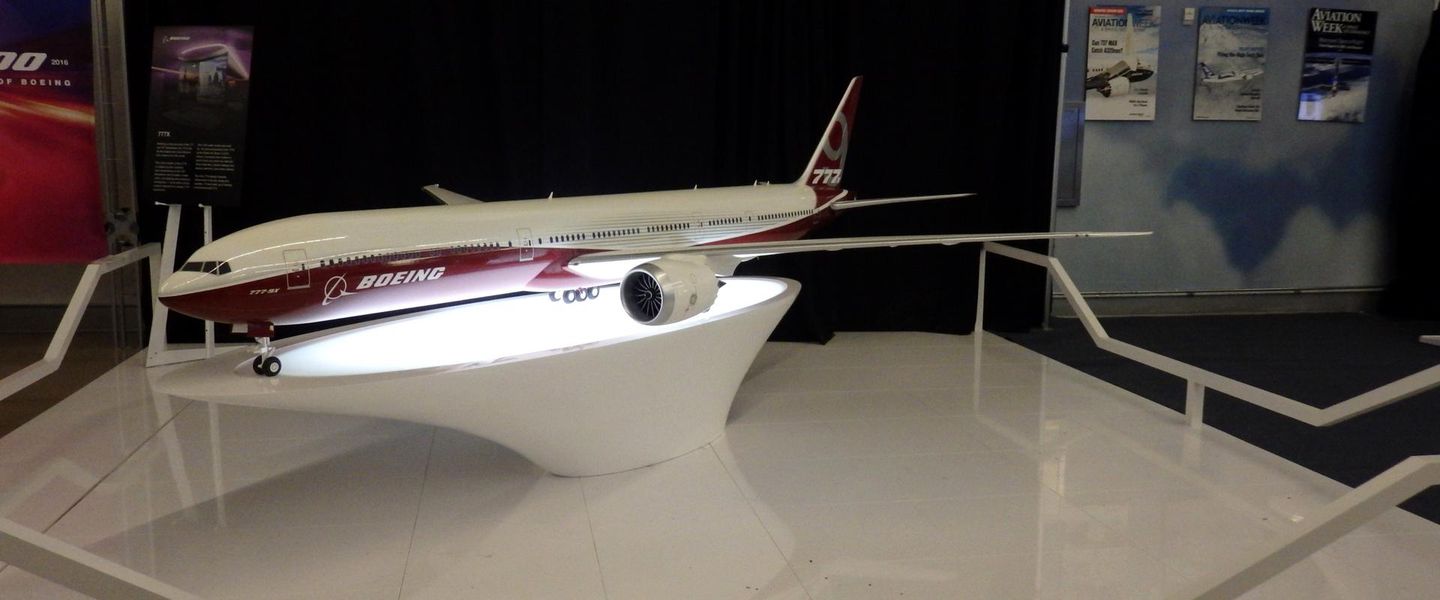


Everett, Washington pairs Puget Sound waterfronts, Boeing aviation, maritime heritage, museums and creative downtown culture with easy access to the Cascade foothills.
A Puget Sound Working City
Everett occupies a broad waterfront north of Seattle, where the Snohomish River meets Possession Sound beneath the distant outline of the Cascade foothills. Its identity is shaped by industry as much as scenery: a deep-water port, historic timber and shingle mills, naval facilities and Boeing's major aircraft assembly plant all remain part of the city's working landscape. Alongside them are a compact downtown, older residential streets and a marina district opening towards the islands and channels of the Salish Sea.Read more about Everett
Heritage and Culture
Water, Aviation and Open Space
When is the best time to visit Everett?
Best: June–August · 20–24°C| Month | High (°C) | Rainfall (mm) |
|---|---|---|
| January | 8 | 140 |
| February | 9 | 120 |
| March | 11 | 110 |
| April | 15 | 90 |
| May | 18 | 60 |
| June (best) | 20 | 50 |
| July (best) | 24 | 20 |
| August (best) | 23 | 30 |
| September | 20 | 50 |
| October | 15 | 100 |
| November | 10 | 140 |
| December | 7 | 160 |
Getting to and around Everett
How to get there
Transportation
Best attractions in Everett
Everett's attractions reflect its position between river delta, working waterfront and aerospace corridor. The Everett Marina and adjacent shoreline spaces provide views across Possession Sound, while Jetty Island offers a seasonal sandy beach reached by a city-operated ferry. Downtown, the Schack Art Center presents changing exhibitions and regional artists, and Imagine Children's Museum gives younger visitors an interactive introduction to science, creativity and community life. The Historic Everett Theatre remains an important performing-arts venue in the commercial core, while the Future of Flight Aviation Center at Paine Field explores aircraft design, manufacturing and the scale of modern aerospace. Everett Station and nearby historic streets reveal the city's transport and industrial past, and the Everett Farmers Market adds a seasonal social dimension. The Hibulb Cultural Center in nearby Tulalip, outside Everett itself, provides valuable Snohomish and Coast Salish context for understanding the wider landscape.
-
Tourist attraction
Boeing Future of Flight
Explore the Boeing Future of Flight in Mukilteo, Washington, where innovation meets aviation history in an interactive museum experience.
28 min drive · 9.2 km from city centre
-
Tourist attraction
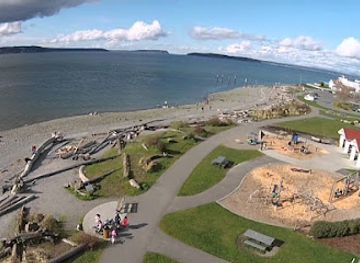
Lighthouse Park
Explore Lighthouse Park in Mukilteo, WA, where stunning views of Puget Sound meet rich history and lush landscapes for a perfect day out.
25 min drive · 8.5 km from city centre
-
Tourist attraction
Mukilteo Beach
Experience the tranquil beauty of Mukilteo Beach, where stunning sunsets and serene sands await your visit in the heart of Washington.
25 min drive · 8.4 km from city centre
-
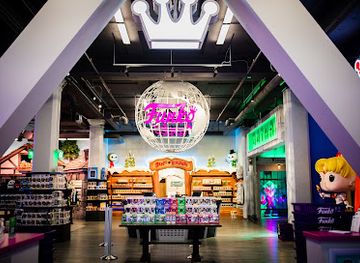
Toy store
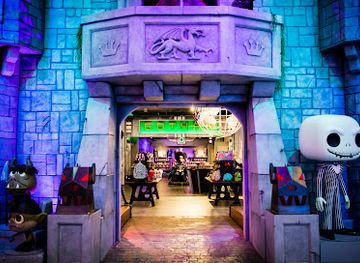
Funko
Explore Funko in Everett, WA: A paradise for toy lovers, collectors, and pop culture enthusiasts with exclusive collectibles and unique gifts.
5 min walk · 0.4 km from city centre

Best landmarks in Everett
Everett's most meaningful landmarks express its history as a planned industrial city, port and aerospace centre. The Historic Everett Theatre, an early twentieth-century downtown venue, represents the civic and entertainment ambitions of the city's commercial expansion. Everett Station is both a transport hub and a visible reminder of the rail connections that supported timber, manufacturing and regional commerce. The Everett Marina and its working harbour frame the city's relationship with Possession Sound, while the nearby waterfront reflects later investment in public access to an industrial shoreline. At Paine Field, Boeing's extensive assembly complex is a modern landmark of engineering and employment, though much of the operational site is not open for unrestricted public exploration. Downtown's brick commercial buildings, churches and older homes add architectural texture, and the Snohomish County Government Campus contributes a civic presence within the historic centre.
-
Children's museum
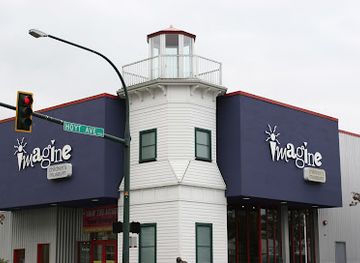
Imagine Children's Museum
Immerse your family in creativity and fun at Imagine Children's Museum, where learning meets play for children of all ages.
7 min walk · 0.6 km from city centre
-
Park
Howarth Park
Experience the beauty and tranquility of Howarth Park in Everett, Washington, a perfect destination for outdoor enthusiasts and families alike.
10 min drive · 3.3 km from city centre
-
City park
American Legion Memorial Park
Discover the beauty and tranquility of American Legion Memorial Park, a serene escape in Everett, WA, rich in history and natural splendor.
12 min drive · 4.1 km from city centre
-
City park
Thornton A. Sullivan Park
Explore Thornton A. Sullivan Park, a picturesque retreat in Everett, WA, offering scenic trails, fishing, and family-friendly amenities amidst nature's beauty.
28 min drive · 9.4 km from city centre
Explore Everett on the map
Plan your Everett trip on one map. See where the top attractions, landmarks, restaurants, bars and hotels are, find what's near where you're staying, and book hotels and experiences in a few clicks.
Best hotels in Everett
Best restaurants in Everett
Everett's dining scene is grounded in the Pacific Northwest's access to seafood, farms and international communities, with restaurants and casual eateries concentrated around downtown, Colby Avenue, the waterfront and the surrounding commercial districts. Salmon, oysters, shellfish and locally influenced seasonal cooking appear alongside burgers, bakeries, coffee shops, Asian cuisines and the teriyaki restaurants common across the region. Waterfront dining brings marina views, while downtown offers a more varied mix of independent cafés, bars and food-led businesses. The Everett Farmers Market, held seasonally, is useful for regional produce, prepared foods and small-scale local products rather than a single traditional cuisine. Craft breweries and taprooms add another strand to the city's food culture, often pairing informal menus with locally brewed beer. As an industrial port city with a diverse population, Everett's culinary character is eclectic and practical, combining Pacific Northwest ingredients with everyday neighbourhood dining.
-
Brewpub
Scuttlebutt Brewing - Restaurant and Pub
Discover the vibrant flavors of Scuttlebutt Brewing in Everett - where delicious American food meets exceptional craft beer.
8 min drive · 2.7 km from city centre
-
Seafood
Anthony's HomePort Everett
Experience the freshest seafood in Everett at Anthony's HomePort - where stunning views meet culinary excellence.
7 min drive · 2.4 km from city centre
-
Breakfast
Totem Family Dining
Experience delicious breakfasts at Totem Family Dining in Everett - where comfort food meets friendly service.
7 min drive · 2.3 km from city centre
-
Italian
Olive Garden Italian Restaurant
Discover the rich flavors of Italy at Olive Garden in Everett - perfect for families and food lovers seeking authentic Italian cuisine.
23 min drive · 7.6 km from city centre


Best bars in Everett
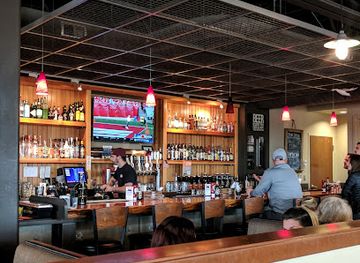
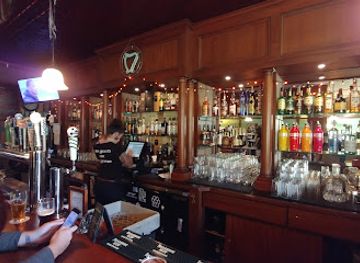
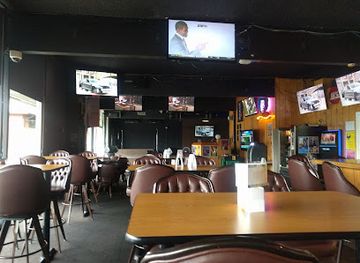
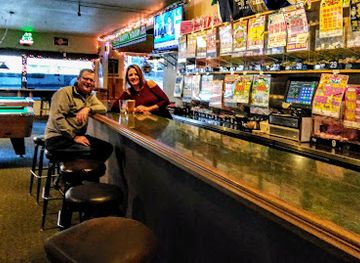
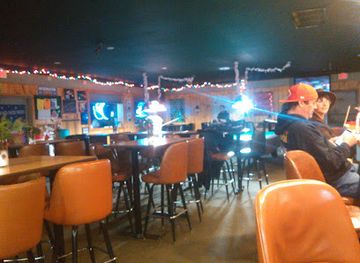
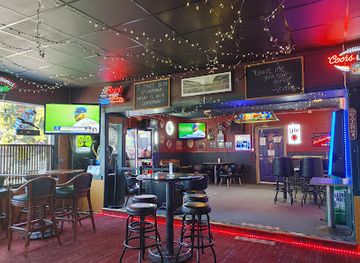
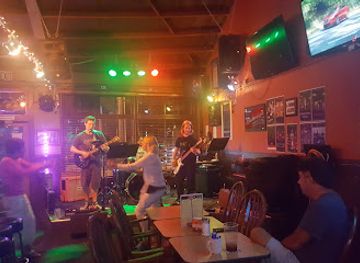
Everett's evening scene is modest but varied, centred on downtown, Colby Avenue and parts of the waterfront rather than a large concentrated club district. Traditional bars, breweries, taprooms and cocktail-led venues provide relaxed places for conversation, while live music and community events appear in established performance spaces and smaller venues. The Historic Everett Theatre hosts concerts, comedy and other programmed entertainment, and the Village Theatre Everett Performing Arts Center presents professional musical theatre and related performances. Some waterfront establishments suit an early evening with views over the marina, whereas downtown is better suited to moving between drinks, food and shows. Nightlife changes with event schedules and the day of the week, so visitors should check current arrangements rather than assume late-night activity throughout the city. Everett's social atmosphere is generally more local and low-key than the club scenes of central Seattle.
-
Brewpub
Scuttlebutt Brewing - Restaurant and Pub
Experience the essence of Everett with craft beers and American cuisine at Scuttlebutt Brewing, your perfect brewpub for relaxation and flavor.
8 min drive · 2.7 km from city centre
-
Bar
Irishmen
Experience the vibrant atmosphere of Irishmen Bar, Everett's top Irish pub offering delicious food, a vast drink selection, and lively entertainment.
6 min walk · 0.5 km from city centre
-
Grill
Madison Avenue Pub
Discover Madison Avenue Pub in Everett, WA: A hidden gem for grill lovers and craft beer enthusiasts in a cozy and lively setting.
15 min drive · 4.9 km from city centre
-
Bar
White Buffalo Saloon
Discover the local flavor and lively atmosphere at White Buffalo Saloon, Everett's favorite pub for great drinks and delicious food.
11 min drive · 3.7 km from city centre
Best nightclubs in Everett
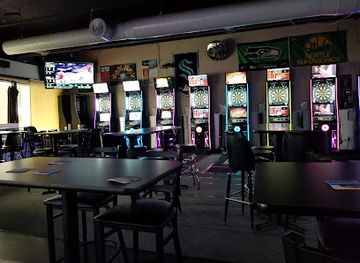
Everett's evening scene is modest but varied, centred on downtown, Colby Avenue and parts of the waterfront rather than a large concentrated club district. Traditional bars, breweries, taprooms and cocktail-led venues provide relaxed places for conversation, while live music and community events appear in established performance spaces and smaller venues. The Historic Everett Theatre hosts concerts, comedy and other programmed entertainment, and the Village Theatre Everett Performing Arts Center presents professional musical theatre and related performances. Some waterfront establishments suit an early evening with views over the marina, whereas downtown is better suited to moving between drinks, food and shows. Nightlife changes with event schedules and the day of the week, so visitors should check current arrangements rather than assume late-night activity throughout the city. Everett's social atmosphere is generally more local and low-key than the club scenes of central Seattle.
-
Sports bar
7th Street Pub
Discover the lively 7th Street Pub in Everett, WA, where sports meet great food and fun entertainment in a welcoming atmosphere.
10 min drive · 3.3 km from city centre
-
Bar
The Fireplace Bar
Experience the warmth and charm of The Fireplace Bar in Everett, a perfect retreat for craft cocktails and cozy gatherings.
6 min walk · 0.5 km from city centre
-
Grill
Cheri's Fireside Lounge (Rocko's)
Experience the warmth and flavors of Cheri's Fireside Lounge, Everett's favorite grill and bar, perfect for cozy gatherings and delicious meals.
17 min drive · 5.6 km from city centre
-
Grill
Clubhouse Grill
Experience the perfect blend of delicious grilled dishes and a lively bar atmosphere at Clubhouse Grill in Everett, Washington.
9 min drive · 2.9 km from city centre
Best shops in Everett
Shopping in Everett is shaped by independent downtown businesses, practical neighbourhood retail and seasonal local markets rather than a single luxury shopping quarter. Colby Avenue and nearby historic streets contain cafés, specialist shops, vintage and antique outlets, galleries and small businesses in older commercial buildings. The Everett Farmers Market is a seasonal destination for regional produce, baked goods, prepared food, flowers and work by local makers. The Schack Art Center provides a place to see and purchase work by Pacific Northwest artists, including studio-based crafts and glass where available. Larger everyday retail is distributed through commercial areas beyond the centre, while the waterfront focuses more on dining, marinas and leisure than traditional shopping. Visitors interested in Indigenous art and cultural products should buy respectfully from recognised artists, galleries or cultural institutions and distinguish contemporary Coast Salish work from generic, unauthorised souvenirs.
-
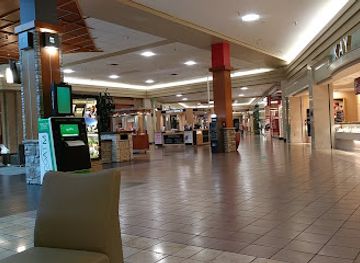
Shopping mall
Everett Mall
Explore Everett Mall in Washington: A shopping haven featuring diverse stores, delicious dining, and exciting entertainment for the whole family.
23 min drive · 7.7 km from city centre
-
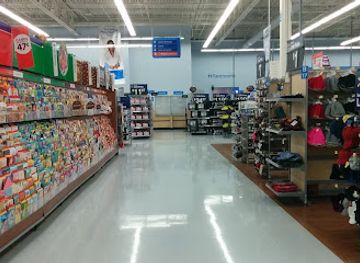
Department store
Walmart Supercenter
Discover convenience and variety at Walmart Supercenter in Everett, where you'll find groceries, electronics, clothing, and much more at affordable prices.
22 min drive · 7.2 km from city centre
-
Shopping mall
Cascade Plaza
Discover the vibrant shopping and dining experiences at Cascade Plaza in Everett, Washington, where convenience meets variety.
17 min drive · 5.7 km from city centre
-
Gift shop
Funko
Explore Funko in Everett, WA - A vibrant gift shop and collectible paradise for pop culture enthusiasts, featuring exclusive toys and apparel.
5 min walk · 0.4 km from city centre
Get your free copy of our complete guide to Everett, delivered straight to you.
Everything on this page, from attractions and restaurants to essentials and local phrases, in one PDF you can read offline, print or share.
Already have an account? Sign in
Your Everett guide is ready.
We'll send it to · Not you? Sign out

Getting your guide ready…
We are putting together a fresh copy of the Everett guide. This can take up to a minute.
This can take a few moments. If your browser asks, choose Allow so the download can start. You'll find the guide in your Downloads folder.
Nothing happened? Download it again
Sorry, the guide is taking longer than usual. Please try again in a minute, or get it by email instead.
Everett essentials
Currency and Payment
Safety
Emergency Situations
Do's and Don'ts
Local Tips
From Eve
Local phrases worth knowing
You don't need to get them perfect. A few words go a long way, and locals appreciate the effort.
Basics
| English | Local | Say it |
|---|---|---|
| Hello | Hi | [haɪ] |
| Goodbye | See ya | [siː jə] |
| Yes | Yeah | [jɛ] |
| No | Nope | [noʊp] |
| Please/You're welcome | Please/You're welcome | [pliːz/jʊr ˈwɛlkəm] |
| Thank you | Thanks | [θæŋks] |
| Excuse me/Sorry | Excuse me/Sorry | [ɪkˈskjuz mi/ˈsɔri] |
| How are you? | How's it going? | [haʊz ɪt ˈɡoʊɪŋ] |
| Fine. And you? | Good. You? | [ɡʊd juː] |
| Do you speak English? | Do you speak English? | [du juː spiːk ˈɪŋɡlɪʃ] |
| I don't understand | I don't get it | [aɪ doʊnt ɡɛt ɪt] |
Eating & Drinking
| English | Local | Say it |
|---|---|---|
| I'd like to see the menu, please | Can I see the menu? | [kæn aɪ siː ðə ˈmɛnjuː] |
| I don't eat meat | I don't eat meat | [aɪ doʊnt iːt mit] |
| Cheers! | Cheers! | [ʧɪrz] |
| I would like to pay, please | I'll pay now, thanks | [aɪl peɪ naʊ θæŋks] |
Emergencies
| English | Local | Say it |
|---|---|---|
| Help! | Help! | [hɛlp] |
| Go away! | Get lost! | [ɡɛt lɔst] |
| Call the Police! | Call the cops! | [kɔl ðə kɑps] |
| Call a doctor! | Call a doctor! | [kɔl ə ˈdɑktər] |
| I'm lost | I'm lost | [aɪm lɔst] |
| I'm ill | I'm sick | [aɪm sɪk] |
Shopping
| English | Local | Say it |
|---|---|---|
| I'd like to buy... | I want to buy... | [aɪ wɑnt tuː baɪ] |
| I'm just looking | I'm just looking | [aɪm ˈdʒʌst ˈlʊkɪŋ] |
| How much is it? | How much does it cost? | [haʊ mʌt ˈdʌz ɪt kɑst] |
| That's too expensive | That's too pricey | [ðæts tuː ˈpraɪsi] |
| Can you lower the price? | Can you drop the price? | [kæn juː drɑp ðə praɪs] |
Time & Numbers
| English | Local | Say it |
|---|---|---|
| What time is it? | What's the time? | [wɑts ðə taɪm] |
| It's one o'clock | It's one | [ɪts wʌn] |
| Half past (10) | Half past ten | [hæf pæst tɛn] |
| Morning | Morning | [ˈmɔrnɪŋ] |
| Afternoon | Afternoon | [ˌæftərˈnun] |
| Evening | Evening | [ˈivnɪŋ] |
| Yesterday | Yesterday | [ˈjɛstərˌdeɪ] |
| Today | Today | [təˈdeɪ] |
| Tomorrow | Tomorrow | [təˈmɑroʊ] |
| 1 | One | [wʌn] |
| 2 | Two | [tu] |
| 3 | Three | [θri] |
| 4 | Four | [fɔr] |
| 5 | Five | [faɪv] |
| 6 | Six | [sɪks] |
| 7 | Seven | [ˈsɛvən] |
| 8 | Eight | [eɪt] |
| 9 | Nine | [naɪn] |
| 10 | Ten | [tɛn] |
Transport & Directions
| English | Local | Say it |
|---|---|---|
| Where's a/the...? | Where's the...? | [wɛərz ðə] |
| What's the address? | What's the address? | [wɑts ðə əˈdrɛs] |
| Can you show me (on the map)? | Can you show me (on the map)? | [kæn juː ʃoʊ miː (ɒn ðə mæp)] |
| When's the next (bus)? | When's the next (bus)? | [wɛnz ðə nɛkst (bʌs)] |
| A ticket (to ....) | A ticket (to ....) | [ə ˈtɪkɪt (tuː ....)] |
History of Everett
Snohomish Homeland and River Country
Long before Everett was established, the lower Snohomish River and surrounding shores were home to the Snohomish people, a Coast Salish community with deep cultural, economic and spiritual connections to the waterways, wetlands and forests of the region. Canoe travel, fishing, shellfish gathering and seasonal movement shaped life around Possession Sound and the river delta. European and American settlement later transformed these landscapes through land claims, logging and industrial development, but Indigenous history remains fundamental to understanding the area. The Hibulb Cultural Center and Natural History Preserve in nearby Tulalip presents Snohomish and other Coast Salish histories through its collections, exhibitions and interpretation.
The Founding of Everett
Everett was founded in the late nineteenth century during a period of intense industrial expansion in the Pacific Northwest. The town was named for Everett Colby, the young son of Massachusetts investor Charles Colby, who was involved with the Everett Land Company. Promoters envisioned a major manufacturing and shipping centre at the mouth of the Snohomish River, and the settlement attracted workers, merchants, timber interests and transportation investment. Everett incorporated as a city in 1893. Its planned civic identity developed alongside a rough industrial frontier, with the waterfront and river access determining both its commercial prospects and its physical growth.
Mills, Timber and Maritime Growth
During the early twentieth century Everett expanded through timber processing, shingle production, paper manufacturing, shipbuilding and port activity. Mills lined the river and waterfront, drawing workers from across the United States and from overseas and creating a diverse industrial community. Rail connections strengthened Everett's role as a regional distribution centre, while the city developed banks, theatres, hotels, churches and neighbourhoods to serve a growing population. Industrial work brought prosperity but also difficult conditions and sharp labour tensions. The Everett Massacre of 1916, in which violence erupted during a confrontation involving Industrial Workers of the World organisers and local authorities, remains a significant episode in the city's labour history.
Civic Identity and Urban Change
As Everett matured, its commercial core and residential districts acquired the architectural character still visible in parts of the city today. Brick business blocks, theatres, churches and early homes reflected the ambitions of a prosperous company town becoming an established municipality. Economic life continued to depend on the waterfront, but changing technology and markets gradually altered the role of timber and traditional mills. The city also became a centre for public services and regional commerce in Snohomish County. Later twentieth-century redevelopment reshaped sections of the shoreline and downtown, creating new public spaces while leaving the tension between preservation, industry and urban renewal at the centre of local planning.
Aerospace Comes to Paine Field
A major new phase began when Boeing selected Paine Field for aircraft production, opening its Everett plant in 1967. The facility brought large-scale aerospace manufacturing to a landscape already defined by engineering, transport and heavy industry, and it became a major source of employment and international recognition for the city. Aircraft assembly expanded over subsequent decades as Boeing produced several wide-bodied models at the site. The aerospace industry influenced local housing, roads, education and business services, while reinforcing Everett's connection to global supply chains. Today Paine Field's industrial presence remains one of the clearest expressions of the city's modern economic identity.
Waterfront Renewal and Contemporary Everett
In recent decades Everett has combined its industrial and maritime functions with investment in public waterfronts, arts institutions, museums and downtown revitalisation. The Everett Marina, waterfront parks and shoreline trails have strengthened access to Possession Sound, while the Schack Art Center, Imagine Children's Museum and restored performance spaces contribute to civic and cultural life. Commercial aviation returned to Paine Field for passenger services in 2019, adding a new regional gateway without displacing the airport's aerospace role. The city continues to balance port operations, manufacturing, environmental restoration, housing and heritage preservation, giving present-day Everett a character shaped by both working infrastructure and public-facing cultural development.
Everett in Photos
Browse through our photo collection highlighting the charm and character of the destination.
Cities near Everett
The closest cities to Everett, if you have time for more than one stop.
-

-

-

-

-


Swipe for more cities
Explore more

Explore more of Washington
Explore Washington State: From the vibrant streets of Seattle to the tranquil beauty of the Olympic Peninsula, discover the diverse landscapes, culture, and adventures awaiting you.
Explore Washington