

Free Kirkland Travel Guide & Mobile App
Plan your Kirkland trip with Evendo. Get free guides to top attractions, restaurants, hotels, and bars. Web access or download the mobile app.


Kirkland, Washington, pairs Lake Washington waterfront parks with public art, Pacific Northwest dining, local history and easy access to Seattle and Bellevue.
Waterfront Setting
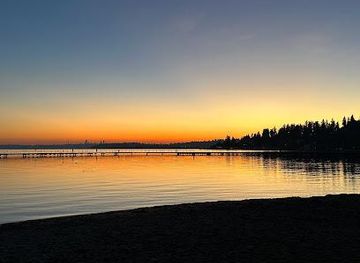
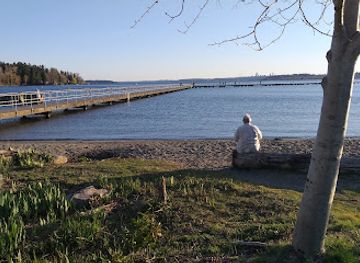
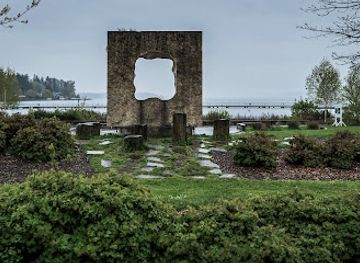
Kirkland occupies a long stretch of Lake Washington’s eastern shore, across the water from Seattle and within the greater Seattle metropolitan area. Its centre is compact and walkable by regional standards, with streets leading towards a sequence of public parks, beaches, marinas and viewpoints. Marina Park forms the city’s most recognisable waterfront gathering place, while nearby Heritage Park and Kirkland Waterfront offer lawns, paths and open views across the lake towards the Olympic Mountains on a clear day.Read more about Kirkland
From Industrial Plan to Suburban City
Neighbourhoods and Local Life
When is the best time to visit Kirkland?
Best: July–September · 20–23°C| Month | High (°C) | Rainfall (mm) |
|---|---|---|
| January | 8 | 150 |
| February | 9 | 120 |
| March | 12 | 130 |
| April | 15 | 100 |
| May | 18 | 70 |
| June | 21 | 50 |
| July (best) | 23 | 20 |
| August (best) | 23 | 20 |
| September (best) | 20 | 40 |
| October | 16 | 90 |
| November | 10 | 130 |
| December | 8 | 150 |
Getting to and around Kirkland
How to get there
Transportation
Best attractions in Kirkland
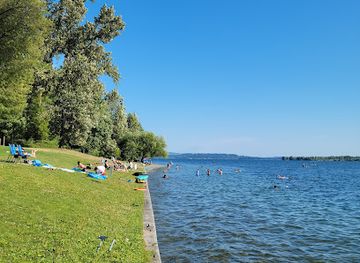
Kirkland’s principal attractions are concentrated around Lake Washington and the city’s public parks. Marina Park provides a central waterfront outlook, lawns, beach access and views across the lake, while Heritage Park adds landscaped grounds and a calmer setting close to downtown. The Kirkland Arts Center, housed in the historic Peter Kirk Building, connects contemporary classes and exhibitions with the city’s early civic history. To the north, Juanita Beach Park combines a broad swimming beach, paved paths and open recreation space, and nearby Juanita Bay Park protects a wetland where visitors can watch birds from trails and viewing areas. The Cross Kirkland Corridor offers a different perspective, following a former railway alignment through neighbourhoods, greenery and changing urban landscapes. Houghton Beach Park and waterfront streets around the former shipyard area reveal the city’s maritime and industrial past, while galleries, public art and seasonal community events add cultural interest to the compact downtown.
-
Tourist attraction
Juanita Beach Park
Experience the beauty of Juanita Beach Park, a serene lakeside destination offering sandy beaches, recreational activities, and breathtaking views in Kirkland, WA.
8 min drive · 2.6 km from city centre
-
Tourist attraction
Juanita Beach Park
Experience the tranquility of Juanita Beach Park, where stunning views of Lake Washington and the Seattle skyline await your exploration.
8 min drive · 2.6 km from city centre
-
City park
Warren G. Magnuson Park
Discover the expansive Warren G. Magnuson Park in Seattle, a perfect blend of nature, recreation, and stunning lake views, ideal for families and nature lovers.
10 min drive · 3.4 km from city centre
-
Tourist attraction
Marina Park Al Locke Pavilion
Experience the beauty of Marina Park Al Locke Pavilion, a serene waterfront destination in Kirkland perfect for relaxation and outdoor adventures.
8 min walk · 0.7 km from city centre
Best landmarks in Kirkland
Kirkland’s landmarks express its relationship with water, industry and civic ambition. The Peter Kirk Building, an early twentieth-century structure associated with the city’s founding vision, now houses the Kirkland Arts Center and remains one of the clearest physical links to Peter Kirk’s proposed steel town. Marina Park and its waterfront setting function as civic landmarks, marking the centre’s relationship with Lake Washington and providing a public outlook across the basin. Heritage Park preserves an important landscaped shoreline space near downtown, while the former Houghton industrial area recalls the shipbuilding activity that once occupied the southern lakeshore. Juanita Beach Park is a later, recreational landmark whose broad shore and public facilities reflect the city’s suburban development. The Cross Kirkland Corridor, following a former railway route, represents a newer kind of civic infrastructure: a linear public landscape created from the traces of earlier transport and industry.
-
Park
Juanita Beach Park
Explore the scenic beauty and recreational delights of Juanita Beach Park in Kirkland, Washington, a perfect getaway for nature lovers and families.
8 min drive · 2.6 km from city centre
-
Beach pavillion
Marina Park Al Locke Pavilion
Experience the serene beauty of Marina Park Al Locke Pavilion, a picturesque beach pavilion on Lake Washington in Kirkland, Washington.
8 min walk · 0.7 km from city centre
-
Indian
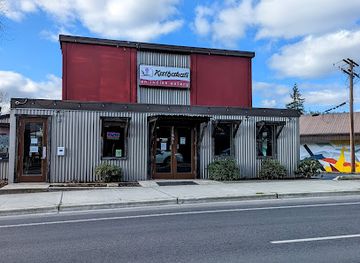
Kathakali, An Indian Eatery
Discover authentic Indian cuisine at Kathakali, An Indian Eatery in Kirkland, where every dish tells a story of tradition and flavor.
7 min drive · 2.5 km from city centre
-
Park
O. O. Denny Park
Experience the tranquility of O. O. Denny Park, a stunning lakeside oasis perfect for relaxation, exploration, and family fun in Kirkland, Washington.
13 min drive · 4.4 km from city centre
Explore Kirkland on the map
Plan your Kirkland trip on one map. See where the top attractions, landmarks, restaurants, bars and hotels are, find what's near where you're staying, and book hotels and experiences in a few clicks.
Best hotels in Kirkland
Best restaurants in Kirkland
Kirkland’s dining scene reflects the Pacific Northwest’s access to seafood, farms, orchard produce and an increasingly international population. Downtown and the waterfront contain a broad mix of cafés, bakeries, casual restaurants and full-service dining rooms, while Juanita and Houghton provide additional neighbourhood options. Menus commonly draw on salmon, shellfish, seasonal vegetables and locally produced ingredients, alongside American comfort food, pizza, Asian cuisines, Mexican cooking and contemporary Pacific Northwest interpretations. Coffee culture is central to the region, and independent cafés provide an easy way to observe local routines. Farmers’ markets and seasonal community events can bring regional fruit, vegetables, baked goods and prepared foods into public spaces, although their schedules vary. Dining near the lake may be more scenic, whereas inland commercial areas often offer a wider range of everyday restaurants and international food.
-
Mexican
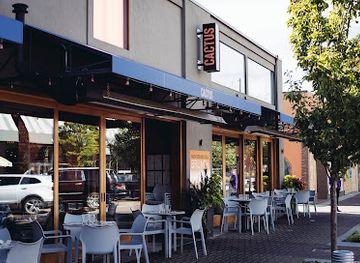
Cactus Kirkland
Discover the vibrant flavors of Mexico at Cactus Kirkland - your go-to destination for authentic Tex-Mex cuisine in Washington.
8 min walk · 0.6 km from city centre
-
Restaurant
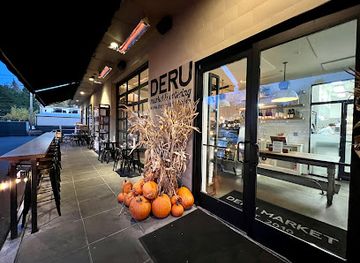
DERU
Discover the taste of the Pacific Northwest at DERU in Kirkland – where fresh ingredients meet delicious culinary creativity.
14 min walk · 1.1 km from city centre
-
Indian
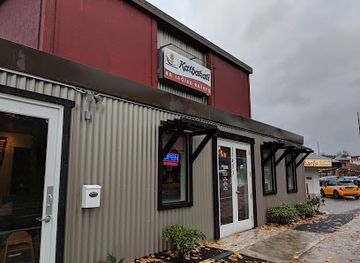
Kathakali, An Indian Eatery
Savor authentic Kerala cuisine at Kathakali in Kirkland; an exquisite Indian dining experience awaits with every bite.
7 min drive · 2.5 km from city centre
-
Thai
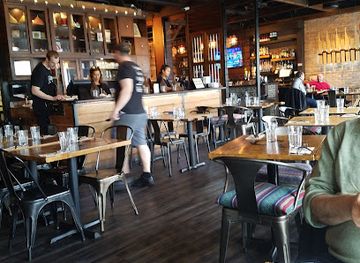
Isarn Thai Soul Kitchen
Experience authentic Thai flavors at Isarn Thai Soul Kitchen in Kirkland – where tradition meets taste in every dish.
10 min walk · 0.8 km from city centre
Best bars in Kirkland
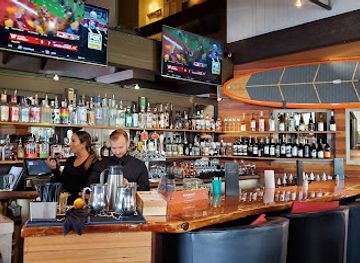
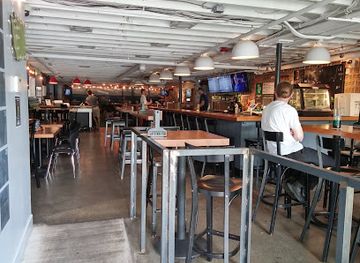
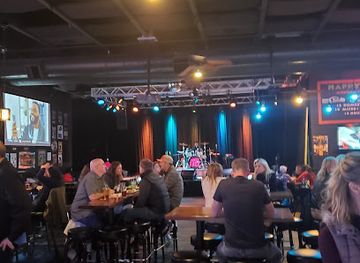
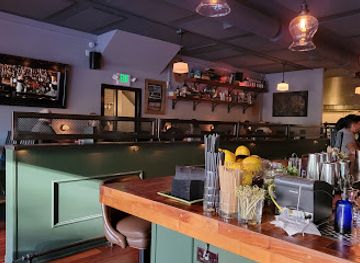
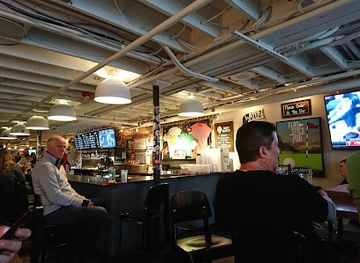
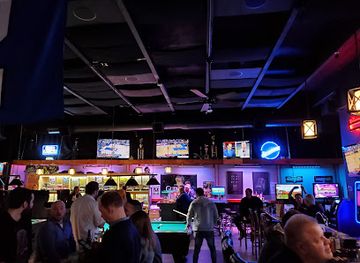
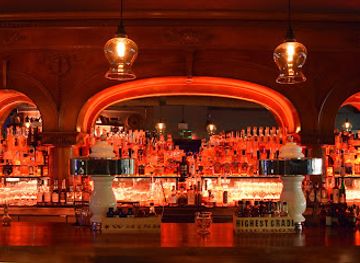
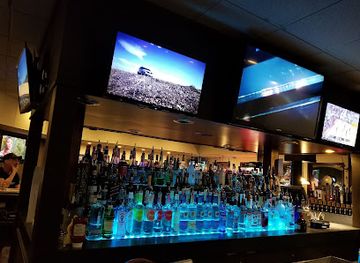
Kirkland’s evening scene is centred on downtown rather than on a large nightclub district. Restaurants and bars around Central Way and the waterfront support relaxed evenings with wine, cocktails, beer and conversation, while some venues provide live music or other small-scale entertainment. The atmosphere becomes more social around summer events and waterfront gatherings, but the city generally feels residential and restrained compared with central Seattle. Houghton and Juanita offer further places for an informal drink or late meal, though activity is more dispersed. Visitors should expect an emphasis on dining, breweries, bars and community programming rather than a concentration of large clubs. Alcohol service follows Washington State rules, and venues may require identification; public drinking is not appropriate in parks or on the waterfront unless specifically permitted as part of an organised event.
-
Grill
BeachHouse bar + grill
Experience the flavors of New American and seafood cuisine with stunning views at BeachHouse Bar + Grill in Kirkland, Washington.
7 min drive · 2.2 km from city centre
-
Pub
Flatstick Pub - Kirkland
Experience the joy of craft beer and miniature golf at Flatstick Pub - Kirkland, a vibrant destination for fun-loving tourists.
8 min walk · 0.6 km from city centre
-
Grill
The Lime
Experience delicious grilled cuisine and vibrant nightlife at The Lime in Kirkland, where live music and great food come together.
7 min drive · 2.3 km from city centre
-
Cocktail bar
Bottle and Bull
Experience the perfect blend of innovative cocktails and New American cuisine at Bottle and Bull, overlooking the scenic Lake Washington.
9 min walk · 0.7 km from city centre
Best nightclubs in Kirkland
Kirkland’s evening scene is centred on downtown rather than on a large nightclub district. Restaurants and bars around Central Way and the waterfront support relaxed evenings with wine, cocktails, beer and conversation, while some venues provide live music or other small-scale entertainment. The atmosphere becomes more social around summer events and waterfront gatherings, but the city generally feels residential and restrained compared with central Seattle. Houghton and Juanita offer further places for an informal drink or late meal, though activity is more dispersed. Visitors should expect an emphasis on dining, breweries, bars and community programming rather than a concentration of large clubs. Alcohol service follows Washington State rules, and venues may require identification; public drinking is not appropriate in parks or on the waterfront unless specifically permitted as part of an organised event.
-
Pub
Flatstick Pub - Kirkland
Experience the ultimate blend of craft beers and miniature golf at Flatstick Pub in Kirkland, a fun-filled destination for all ages.
8 min walk · 0.6 km from city centre
-
Night club
The Lime
Experience the vibrant nightlife of The Lime in Kirkland, where live music and delicious food create unforgettable evenings.
7 min drive · 2.3 km from city centre
-
Cocktail bar
Bottle and Bull
Discover the elegance of Bottle and Bull, a premier cocktail bar and New American restaurant in Kirkland, offering creative drinks and delectable cuisine.
9 min walk · 0.7 km from city centre
-
Grill
Lucky 7 Bar and Grill
Experience the vibrant flavors and welcoming ambiance at Lucky 7 Bar and Grill, Kirkland's favorite spot for delicious American cuisine and lively gatherings.
13 min drive · 4.2 km from city centre
Best shops in Kirkland
Shopping in Kirkland is concentrated around downtown streets, nearby commercial areas and the Juanita neighbourhood rather than a single enclosed retail district. Central Kirkland offers independent boutiques, galleries, gift shops, cafés and service businesses within easy reach of the waterfront, with local art and Pacific Northwest design often more characteristic than mass-produced souvenirs. Visitors may find locally made jewellery, ceramics, clothing, homewares and artworks, while specialist food shops and bakeries provide regional flavours to take away. Juanita has a more neighbourhood-oriented retail environment, and larger everyday shopping areas lie along the city’s inland corridors. Seasonal markets and community events can bring crafts, produce and prepared foods into public spaces, but these are often periodic rather than permanent. The best retail experience comes from combining a short downtown walk with the cafés, galleries and public art that give the centre its local character.
-
Shopping mall
The Village at Totem Lake
Discover a premier shopping experience at The Village at Totem Lake, where fashion, dining, and entertainment converge in Kirkland, WA.
12 min drive · 4.1 km from city centre
-
Grocery store
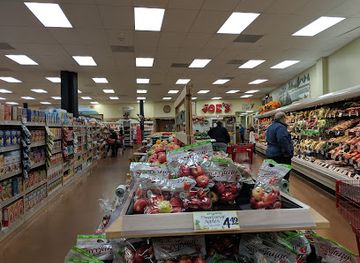
Trader Joe's
Explore Trader Joe's in Kirkland for an eclectic mix of organic foods, gourmet cheeses, and fine wines in a vibrant shopping atmosphere.
12 min drive · 4.0 km from city centre
-
Craft store
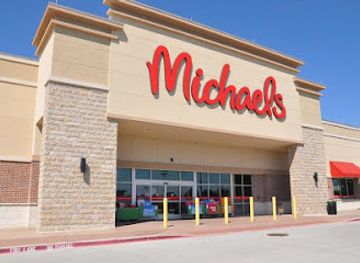
Michaels
Discover endless creativity at Michaels in Kirkland, your go-to craft store for art supplies, DIY projects, and seasonal decor.
8 min drive · 2.6 km from city centre
-
Department store
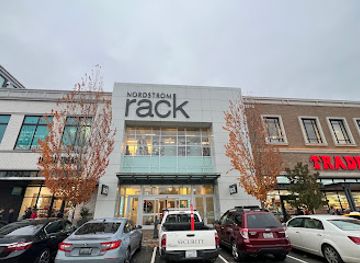
Nordstrom Rack
Discover fashion treasures at Nordstrom Rack in Kirkland, where stylish clothing meets unbeatable prices for the entire family.
12 min drive · 4.0 km from city centre

Get your free copy of our complete guide to Kirkland, delivered straight to you.
Everything on this page, from attractions and restaurants to essentials and local phrases, in one PDF you can read offline, print or share.
Already have an account? Sign in
Your Kirkland guide is ready.
We'll send it to · Not you? Sign out

Getting your guide ready…
We are putting together a fresh copy of the Kirkland guide. This can take up to a minute.
This can take a few moments. If your browser asks, choose Allow so the download can start. You'll find the guide in your Downloads folder.
Nothing happened? Download it again
Sorry, the guide is taking longer than usual. Please try again in a minute, or get it by email instead.
Kirkland essentials
Currency and Payment
Safety
Emergency Situations
Do's and Don'ts
Local Tips
From Eve
Local phrases worth knowing
You don't need to get them perfect. A few words go a long way, and locals appreciate the effort.
Basics
| English | Local | Say it |
|---|---|---|
| Hello | Howdy | [haʊ-di] |
| Goodbye | See ya | [siː jə] |
| Yes | Yep | [jɛp] |
| No | Nah | [nɑː] |
| Please/You're welcome | Please | [pliːz] |
| Thank you | Thanks | [θæŋks] |
| Excuse me/Sorry | Pardon me | [pɑːrdən miː] |
| How are you? | How's it going? | [haʊz ɪt ˈɡoʊɪŋ] |
| Fine. And you? | Good. You? | [ɡʊd juː] |
| Do you speak English? | You speak English? | [juː spiːk ˈɪŋɡlɪʃ] |
| I don't understand | I don't get it | [aɪ doʊnt ɡɛt ɪt] |
Eating & Drinking
| English | Local | Say it |
|---|---|---|
| I'd like to see the menu, please | Menu, please | [ˈmɛnjuː pliːz] |
| I don't eat meat | No meat for me | [noʊ mit fɔr miː] |
| Cheers! | Cheers! | [ʧɪrz] |
| I would like to pay, please | Check, please | [ʧɛk pliːz] |
Emergencies
| English | Local | Say it |
|---|---|---|
| Help! | Help! | [hɛlp] |
| Go away! | Get lost! | [ɡɛt lɔst] |
| Call the Police! | Call the cops! | [kɔl ðə kɑps] |
| Call a doctor! | Call a doc! | [kɔl ə dɑktər] |
| I'm lost | I'm lost | [aɪm lɔst] |
| I'm ill | I'm sick | [aɪm sɪk] |
Shopping
| English | Local | Say it |
|---|---|---|
| I'd like to buy... | I want to buy... | [aɪ wɑnt tu baɪ] |
| I'm just looking | Just browsing | [ʤʌst ˈbraʊzɪŋ] |
| How much is it? | How much? | [haʊ mʌʧ] |
| That's too expensive | Too pricey | [tuː ˈpraɪsi] |
| Can you lower the price? | Can you do better? | [kæn juː duː ˈbɛtər] |
Time & Numbers
| English | Local | Say it |
|---|---|---|
| What time is it? | What's the time? | [wʌts ðə taɪm] |
| It's one o'clock | It's one | [ɪts wʌn] |
| Half past (10) | Half past ten | [hæf pæst tɛn] |
| Morning | Morning | [ˈmɔrnɪŋ] |
| Afternoon | Afternoon | [ˌæftərˈnun] |
| Evening | Evening | [ˈivnɪŋ] |
| Yesterday | Yesterday | [ˈjɛstərdeɪ] |
| Today | Today | [təˈdeɪ] |
| Tomorrow | Tomorrow | [təˈmɑroʊ] |
| 1 | One | [wʌn] |
| 2 | Two | [tuː] |
| 3 | Three | [θriː] |
| 4 | Four | [fɔr] |
| 5 | Five | [faɪv] |
| 6 | Six | [sɪks] |
| 7 | Seven | [ˈsɛvən] |
| 8 | Eight | [eɪt] |
| 9 | Nine | [naɪn] |
| 10 | Ten | [tɛn] |
Transport & Directions
| English | Local | Say it |
|---|---|---|
| Where's a/the...? | Where's the...? | [wɛərz ðə] |
| What's the address? | What's the address? | [wʌts ðə ˈædrɛs] |
| Can you show me (on the map)? | Show me on the map | [ʃoʊ miː ɒn ðə mæp] |
| When's the next (bus)? | When's the next bus? | [wɛnz ðə nɛkst bʌs] |
| A ticket (to ....) | One ticket to ... | [wʌn ˈtɪkɪt tu ...] |
History of Kirkland
Coast Salish Homelands
The eastern shore of Lake Washington lies within the ancestral homeland of Coast Salish peoples, including the Duwamish, whose villages, travel routes and fishing practices connected the lake to the wider watershed. Long before the modern city appeared, the shoreline supported seasonal movement, food gathering and trade. The lake itself was altered substantially in the early twentieth century when the Lake Washington Ship Canal lowered its level and changed the connection between Lake Washington and Puget Sound. Although much of present-day Kirkland is urbanised, the lake, wetlands and wooded ravines remain important reminders that the city occupies a long-inhabited landscape rather than an empty frontier.
Peter Kirk’s Steel Town Vision
Kirkland’s modern development began in the late 1880s with Peter Kirk, an English industrialist who promoted the area as the site of a large steel-manufacturing town. The location offered lake transport, timber resources and access to the growing settlements around Puget Sound. Kirk’s plans attracted investment and speculation, and streets were laid out for a substantial new community. The wider economic depression of 1893, financial difficulties and problems securing the necessary industrial infrastructure prevented the steelworks from becoming the foundation of the city. The ambitious scheme nevertheless gave the settlement its name and established the street pattern and civic aspirations that shaped later growth.
Incorporation and Early Growth
Kirkland incorporated as a municipality in the early twentieth century, gradually developing beyond the failed steel project through commerce, small industry, farming and lake-based transport. The town’s early civic buildings and commercial structures reflected its role as a service centre for communities along Lake Washington’s eastern shore. The opening of the Lake Washington Ship Canal in 1917 lowered the lake and made it possible for larger vessels to move between the lake and Puget Sound, encouraging new industrial activity around locations such as Houghton. These changes connected Kirkland more closely to Seattle and the regional economy while also transforming its shoreline.
Shipyards and Wartime Industry
During the twentieth century, Houghton became associated with boatbuilding and marine industry, including the Lake Washington Shipyard. The yard produced vessels for wartime and commercial purposes, contributing to the industrial character of the southern lakeshore. Manufacturing, repair facilities and transport links brought employment and a more working waterfront to an area that is now largely residential and recreational. The shipyard’s legacy survives in local historical interpretation and in the geography of Houghton, where parks and neighbourhood streets occupy land once connected with boat construction and maritime production.
Suburban Expansion and the Modern City
After the Second World War, Kirkland expanded as automobile ownership, regional employment and suburban housing transformed the eastern side of the Seattle area. Annexations brought neighbouring communities and larger stretches of shoreline into the city, including Juanita and Houghton, while new schools, shopping areas and residential districts followed. By the late twentieth and early twenty-first centuries, Kirkland had become part of the Eastside’s growing technology and professional economy, although its identity remained tied to public waterfronts, neighbourhood parks and a distinct downtown. The Cross Kirkland Corridor, created along a former railway route, reflects the city’s continuing shift from industrial transport infrastructure towards recreation, walking and cycling.
Kirkland in Photos
Browse through our photo collection highlighting the charm and character of the destination.
Cities near Kirkland
The closest cities to Kirkland, if you have time for more than one stop.
-

-

-

-

-


Swipe for more cities
Explore more

Explore more of Washington
Explore Washington State: From the vibrant streets of Seattle to the tranquil beauty of the Olympic Peninsula, discover the diverse landscapes, culture, and adventures awaiting you.
Explore Washington