

Free Bellevue Travel Guide & Mobile App
Plan your Bellevue trip with Evendo. Get free guides to top attractions, restaurants, hotels, and bars. Web access or download the mobile app.


Bellevue, Washington pairs Lake Washington scenery with Pacific Northwest parks, Asian-influenced dining, contemporary art and a polished Eastside urban centre.
Between Lake and Mountain
Bellevue occupies a distinctive position on Washington’s Eastside, across Lake Washington from Seattle and beneath long views towards the Cascade Mountains. Its skyline of glass offices and high-rise apartments rises beside carefully maintained parks, while the city’s waterfront opens onto beaches, marinas and the wooded shores of Meydenbauer Bay. Downtown Bellevue is compact and walkable by American suburban standards, with Bellevue Downtown Park providing a broad green centre amid shops, restaurants and cultural venues.Read more about Bellevue
Urban Energy and Local Neighbourhoods
Culture, Parks and the Eastside Landscape
When is the best time to visit Bellevue?
Best: June–August · 21–24°C| Month | High (°C) | Rainfall (mm) |
|---|---|---|
| January | 9 | 154 |
| February | 10 | 115 |
| March | 13 | 120 |
| April | 15 | 90 |
| May | 18 | 70 |
| June (best) | 21 | 50 |
| July (best) | 24 | 20 |
| August (best) | 24 | 25 |
| September | 21 | 50 |
| October | 16 | 110 |
| November | 11 | 160 |
| December | 8 | 165 |
Getting to and around Bellevue
How to get there
Transportation
Best attractions in Bellevue
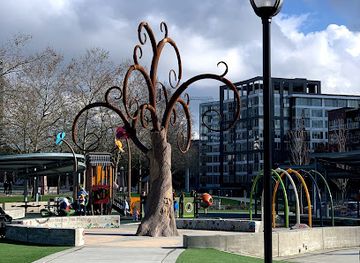
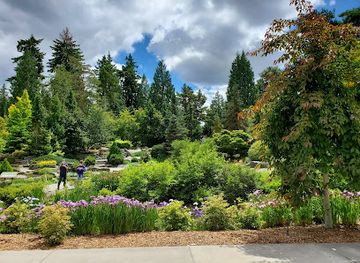
Bellevue’s principal attractions combine landscaped public spaces, family activities and access to the Eastside’s lakeside environment. Bellevue Downtown Park is the city’s central green, with broad lawns, a circular promenade and a distinctive waterfall-and-canal feature framed by the downtown skyline. Bellevue Botanical Garden presents Pacific Northwest woodland alongside cultivated gardens, including seasonal displays and accessible paths. Meydenbauer Bay Park brings visitors to Lake Washington for shoreline walks, lawns and views across the water, while nearby Meydenbauer Beach Park offers another public waterfront setting. Families may spend time at KidsQuest Children’s Museum, an interactive venue designed around play and discovery. The city’s shopping and dining centres, particularly Bellevue Square, Lincoln Square and Main Street, also function as visitor destinations, offering restaurants, public art and an urban contrast to the surrounding parks. Crossroads Community Park adds a neighbourhood-scale green space with recreation facilities and a more local atmosphere.
-
Stadium
T-Mobile Park
Discover T-Mobile Park, the premier baseball stadium in Seattle, where thrilling games, local cuisine, and stunning views create an unforgettable experience.
30 min drive · 10 km from city centre
-
Stadium
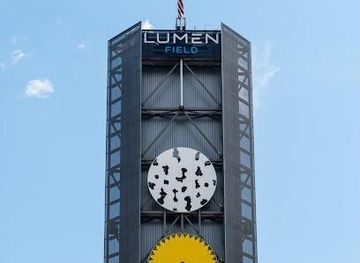
Lumen Field
Discover the thrill of live sports and concerts at Lumen Field, Seattle's premier stadium that defines excitement and community spirit.
30 min drive · 10.0 km from city centre
-
Coffee shop
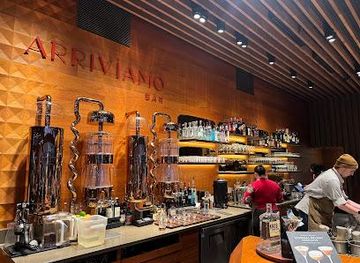
Starbucks Reserve Roastery
Discover the art of coffee at Starbucks Reserve Roastery, Seattle's premier destination for coffee lovers and a unique tourist experience.
29 min drive · 9.6 km from city centre
-
Tourist attraction
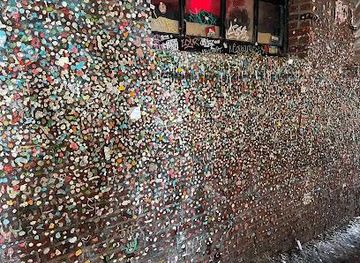
The Gum Wall
Discover Seattle's quirky Gum Wall, a colorful attraction that showcases the city's playful spirit through layers of chewed gum left by visitors.
30 min drive · 10 km from city centre

Best landmarks in Bellevue
Bellevue’s landmarks express its modern civic identity more than a preserved colonial or nineteenth-century townscape. Bellevue Downtown Park is the city’s most recognisable public space, its open lawns and water feature creating a deliberate green counterpoint to the surrounding towers. Bellevue City Hall, with its contemporary civic architecture, represents the city’s role as an independent municipal and business centre, while the nearby Bellevue Arts Museum building remains a notable example of modern cultural architecture even though the museum’s operating status should be checked before visiting. Meydenbauer Center is a prominent convention and performance venue whose large civic presence reflects Bellevue’s regional business importance. Old Bellevue’s Main Street contributes a smaller-scale historic streetscape, with older commercial buildings and mature trees recalling the period before high-rise development. Around Meydenbauer Bay, the shoreline parks also mark the geographical setting that shaped the city’s early settlement and later recreational identity.
-
Shopping mall
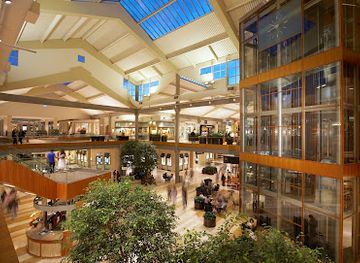
Bellevue Square
Explore Bellevue Square, a premier shopping mall in Washington, offering over 200 stores, diverse dining options, and vibrant entertainment experiences.
8 min walk · 0.6 km from city centre
-
City park
Bellevue Downtown Park
Discover the tranquility of Bellevue Downtown Park, an urban oasis featuring stunning landscapes and a captivating infinity waterfall in the heart of Washington.
5 min walk · 0.4 km from city centre
-
Botanical garden
Bellevue Botanical Garden
Explore the lush landscapes and vibrant flora of Bellevue Botanical Garden, a serene escape in the heart of Washington for nature lovers.
5 min drive · 1.7 km from city centre
-
Chinese
Din Tai Fung
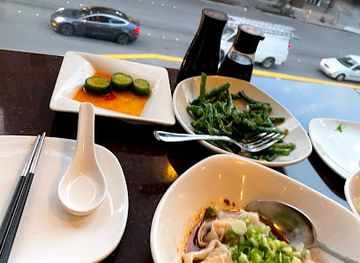
Discover authentic Taiwanese flavors at Din Tai Fung in Bellevue, where every bite of delicious dumplings tells a story.
10 min walk · 0.8 km from city centre
Explore Bellevue on the map
Plan your Bellevue trip on one map. See where the top attractions, landmarks, restaurants, bars and hotels are, find what's near where you're staying, and book hotels and experiences in a few clicks.
Neighbourhoods in Bellevue
-

-
-

-

-


Swipe for more neighbourhoods
Best hotels in Bellevue
Best restaurants in Bellevue
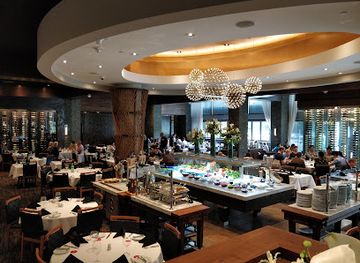
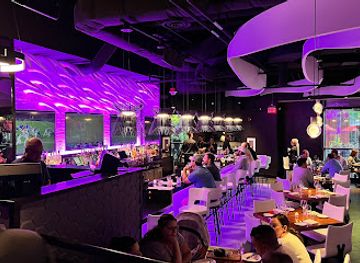
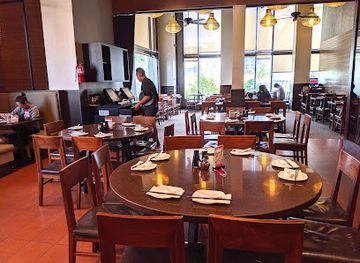
Bellevue’s dining scene reflects the international character of the Eastside, with especially strong representation from Chinese, Japanese, Korean, Vietnamese, Indian and other Asian culinary traditions alongside Pacific Northwest seafood, modern American cooking and familiar café culture. Downtown, Old Bellevue and the area around Bellevue Square contain polished restaurants, cocktail-led dining rooms and bakeries, while Crossroads and parts of Bel-Red offer a broader range of independent and immigrant-owned eateries. Menus often combine regional ingredients such as salmon, shellfish, apples and berries with techniques and flavours from across the Pacific Rim. Casual noodle shops, dumpling houses, sushi counters, South Asian restaurants and bubble-tea cafés are as characteristic of the city’s food landscape as upscale dining. Farmers’ markets and speciality grocers provide further ways to encounter local produce and the international communities that shape Bellevue’s contemporary identity.
-
Brazilian
Fogo de Chão Brazilian Steakhouse
Experience authentic Brazilian cuisine at Fogo de Chão in Bellevue—where endless skewers meet exquisite flavors in an elegant setting.
6 min walk · 0.5 km from city centre
-
Steak
STK Steakhouse
Discover culinary excellence at STK Steakhouse in Bellevue – where fine dining meets vibrant nightlife.
8 min walk · 0.6 km from city centre
-
Restaurant
Pike Place Fish Market
World-famous Pike Place Fish Market hurls fresh Pacific seafood in spectacular tosses amid Pike Place cheers, blending 90-year history, sustainable sourcing, and infectious market energy for unforgettable Seattle visits.
30 min drive · 10 km from city centre
-
Chinese
Din Tai Fung
Discover authentic Taiwanese cuisine at Din Tai Fung in Bellevue - renowned for exquisite dumplings and delightful dining experiences.
10 min walk · 0.8 km from city centre

Best bars in Bellevue
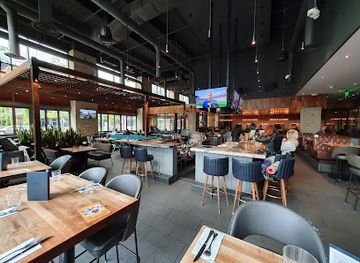
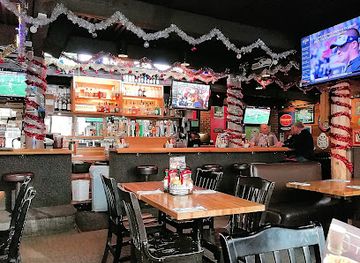
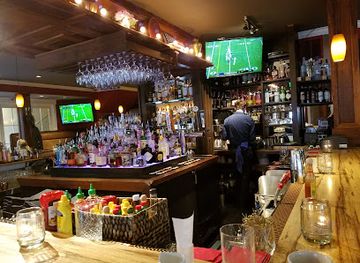
Bellevue’s evening scene is concentrated rather than sprawling, with activity centred on Downtown Bellevue, Old Bellevue, Lincoln Square and the restaurants and hotels around the central business district. Visitors will find cocktail bars, wine-led venues, brew-focused pubs and lounges attached to restaurants, while Main Street offers a more relaxed neighbourhood atmosphere. The city tends towards polished social evenings rather than a dense nightclub culture, and many venues cater to business travellers and residents as well as late diners. Live music, comedy, theatre and cultural programming appear at established civic and performance spaces, including Meydenbauer Center and venues in the wider Eastside, though schedules vary. Crossroads and Bel-Red add late-opening international cafés and restaurants, making them useful for evening food as well as nightlife. Rideshare, taxis and public transport are sensible options when moving between scattered districts after dark.
-
 American
Tavern Hall
Experience the best of American cuisine at Tavern Hall in Bellevue, a family-friendly restaurant with a vibrant sports bar atmosphere.
8 min walk · 0.7 km from city centre
-
Bar
Earls Kitchen + Bar
Experience the vibrant atmosphere and diverse menu at Earls Kitchen + Bar in Bellevue, a must-visit culinary hotspot for tourists.
8 min walk · 0.7 km from city centre
-
Grill
The Pumphouse Bar & Grill
Discover the lively dining experience at The Pumphouse Bar & Grill, where delicious food and vibrant atmosphere meet in Bellevue, WA.
5 min drive · 1.6 km from city centre
-
Grill
520 Bar & Grill
Discover the flavors of Bellevue at 520 Bar & Grill, where delicious grilled dishes and a lively bar atmosphere await you.
3 min walk · 0.3 km from city centre
Best nightclubs in Bellevue
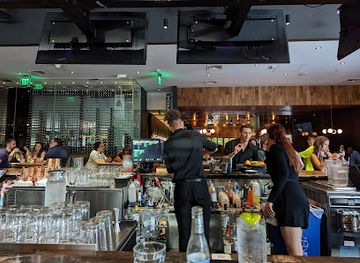
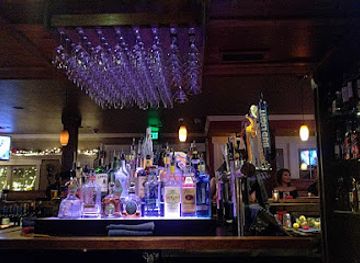
Bellevue’s evening scene is concentrated rather than sprawling, with activity centred on Downtown Bellevue, Old Bellevue, Lincoln Square and the restaurants and hotels around the central business district. Visitors will find cocktail bars, wine-led venues, brew-focused pubs and lounges attached to restaurants, while Main Street offers a more relaxed neighbourhood atmosphere. The city tends towards polished social evenings rather than a dense nightclub culture, and many venues cater to business travellers and residents as well as late diners. Live music, comedy, theatre and cultural programming appear at established civic and performance spaces, including Meydenbauer Center and venues in the wider Eastside, though schedules vary. Crossroads and Bel-Red add late-opening international cafés and restaurants, making them useful for evening food as well as nightlife. Rideshare, taxis and public transport are sensible options when moving between scattered districts after dark.
-
Restaurant
Earls Kitchen + Bar
Experience a delightful fusion of casual dining and upscale ambiance at Earls Kitchen + Bar in Bellevue, perfect for unforgettable meals.
8 min walk · 0.7 km from city centre
-
Grill
520 Bar & Grill
Experience Bellevue's culinary delight at 520 Bar & Grill, where flavor and atmosphere come together for an unforgettable dining experience.
3 min walk · 0.3 km from city centre
-
Bistro
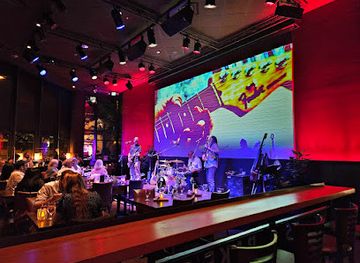
Bake's Place Bar & Bistro
Discover the perfect blend of cuisine and nightlife at Bake's Place Bar & Bistro in Bellevue, where great food meets live music in a vibrant setting.
4 min walk · 0.3 km from city centre
-
Karaoke bar
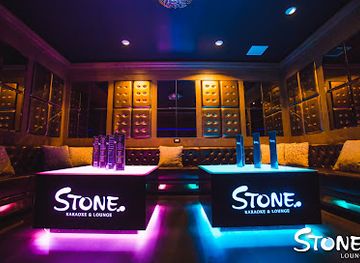
Stone Lounge
Experience the thrill of karaoke, live music, and delicious bubble tea at Stone Lounge in Bellevue, WA – your ultimate nightlife destination.
14 min walk · 1.1 km from city centre
Best shops in Bellevue
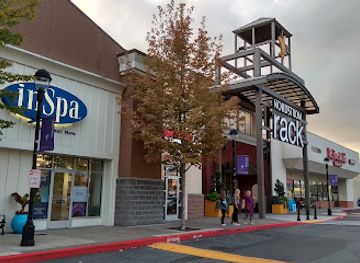
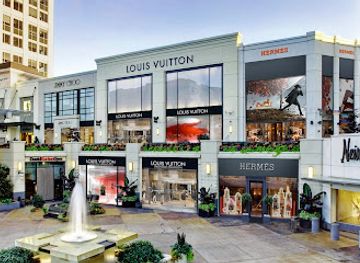
Shopping in Bellevue ranges from major regional retail to independent boutiques and international neighbourhood businesses. Bellevue Square and the adjoining Lincoln Square form the city’s best-known commercial complex, combining department-store-style retail, fashion, dining and entertainment in the downtown core. Old Bellevue’s Main Street has a more intimate scale, with boutiques, salons, cafés, galleries and speciality shops along a pedestrian-friendly street. Crossroads is useful for international groceries, restaurants and small businesses reflecting Bellevue’s diverse population, while Bel-Red contains a changing mix of showrooms, design-oriented businesses and newer commercial development. Visitors seeking local flavours can look for Washington wines, craft foods, coffee and Pacific Northwest products, although labels and production origins vary. The city is more suited to contemporary retail and food shopping than to a traditional craft bazaar, and independent businesses may keep different opening patterns from the large shopping centres.
-
Shopping mall
The Marketplace at Factoria
Discover a vibrant shopping and dining experience at The Marketplace at Factoria, where community and entertainment meet in Bellevue, WA.
14 min drive · 4.5 km from city centre
-
Department store
Nordstrom
Experience exceptional shopping at Nordstrom in Seattle, featuring stylish clothing, shoes, and beauty products for all ages.
30 min drive · 10 km from city centre
-
Shopping mall
The Shops At The Bravern
Discover luxury shopping and exquisite dining at The Shops at The Bravern in Bellevue, WA, a premier destination for high-end fashion and lifestyle.
12 min walk · 0.9 km from city centre
-
Gift shop
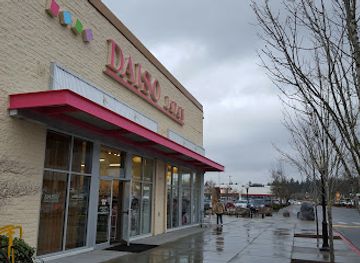
Daiso
Explore Daiso in Bellevue, WA, where unique Asian goods meet unbeatable prices, making it a shopper's paradise for tourists seeking delightful finds.
16 min drive · 5.4 km from city centre

Get your free copy of our complete guide to Bellevue, delivered straight to you.
Everything on this page, from attractions and restaurants to essentials and local phrases, in one PDF you can read offline, print or share.
Already have an account? Sign in
Your Bellevue guide is ready.
We'll send it to · Not you? Sign out

Getting your guide ready…
We are putting together a fresh copy of the Bellevue guide. This can take up to a minute.
This can take a few moments. If your browser asks, choose Allow so the download can start. You'll find the guide in your Downloads folder.
Nothing happened? Download it again
Sorry, the guide is taking longer than usual. Please try again in a minute, or get it by email instead.
Bellevue essentials
Currency and Payment
Safety
Emergency Situations
Do's and Don'ts
Local Tips
From Eve
Local phrases worth knowing
You don't need to get them perfect. A few words go a long way, and locals appreciate the effort.
Basics
| English | Local | Say it |
|---|---|---|
| Hello | Hi | [haɪ] |
| Goodbye | Bye | [baɪ] |
| Yes | Yeah | [jɛ] |
| No | Nope | [noʊp] |
| Please/You're welcome | Please/You're welcome | [pliːz/jʊr ˈwɛlkəm] |
| Thank you | Thanks | [θæŋks] |
| Excuse me/Sorry | Excuse me/Sorry | [ɪkˈskjuz mi/ˈsɔri] |
| How are you? | How are you? | [haʊ ɑr ju] |
| Fine. And you? | Fine. And you? | [faɪn. ænd ju] |
| Do you speak English? | Do you speak English? | [du ju spik ˈɪŋɡlɪʃ] |
| I don't understand | I don't get it | [aɪ doʊnt ˈʌndərˌstænd] |
Eating & Drinking
| English | Local | Say it |
|---|---|---|
| I'd like to see the menu, please | I'd like to see the menu, please | [aɪd laɪk tʊ siː ðə ˈmɛnjuː pliːz] |
| I don't eat meat | I don't eat meat | [aɪ doʊnt it mit] |
| Cheers! | Cheers! | [ʧɪrz] |
| I would like to pay, please | I would like to pay, please | [aɪ wʊd laɪk tʊ peɪ pliːz] |
Emergencies
| English | Local | Say it |
|---|---|---|
| Help! | Help! | [hɛlp] |
| Go away! | Go away! | [ɡoʊ əˈweɪ] |
| Call the Police! | Call the Police! | [kɔl ðə pəˈlis] |
| Call a doctor! | Call a doctor! | [kɔl ə ˈdɑktər] |
| I'm lost | I'm lost | [aɪm lɔst] |
| I'm ill | I'm sick | [aɪm sɪk] |
Shopping
| English | Local | Say it |
|---|---|---|
| I'd like to buy... | I'd like to buy... | [aɪd laɪk tʊ baɪ] |
| I'm just looking | I'm just looking | [aɪm ˈdʒəst ˈlʊkɪŋ] |
| How much is it? | How much is it? | [haʊ mʌʧ ɪz ɪt] |
| That's too expensive | That's too expensive | [ðæts tuː ɪkˈspɛnsɪv] |
| Can you lower the price? | Can you lower the price? | [kæn ju ˈloʊər ðə praɪs] |
Time & Numbers
| English | Local | Say it |
|---|---|---|
| What time is it? | What time is it? | [wʌt taɪm ɪz ɪt] |
| It's one o'clock | It's one o'clock | [ɪts wʌn əˈklɑk] |
| Half past (10) | Half past (10) | [hæf pæst (10)] |
| Morning | Morning | [ˈmɔrnɪŋ] |
| Afternoon | Afternoon | [ˌæftərˈnun] |
| Evening | Evening | [ˈivnɪŋ] |
| Yesterday | Yesterday | [ˈjɛstərˌdeɪ] |
| Today | Today | [təˈdeɪ] |
| Tomorrow | Tomorrow | [təˈmɑroʊ] |
| 1 | 1 | [wʌn] |
| 2 | 2 | [tuː] |
| 3 | 3 | [θriː] |
| 4 | 4 | [fɔr] |
| 5 | 5 | [faɪv] |
| 6 | 6 | [sɪks] |
| 7 | 7 | [sɛvən] |
| 8 | 8 | [eɪt] |
| 9 | 9 | [naɪn] |
| 10 | 10 | [tɛn] |
Transport & Directions
| English | Local | Say it |
|---|---|---|
| Where's a/the...? | Where's a/the...? | [wɛrz ə/ðə] |
| What's the address? | What's the address? | [wɑts ðə əˈdrɛs] |
| Can you show me (on the map)? | Can you show me (on the map)? | [kæn ju ʃoʊ mi (ɒn ðə mæp)] |
| When's the next (bus)? | When's the next (bus)? | [wɛnz ðə nɛkst (bʌs)] |
| A ticket (to ....) | A ticket (to ....) | [ə ˈtɪkɪt (tu ....)] |
History of Bellevue
Coast Salish Homelands and Lakeside Settlement
Bellevue lies within the traditional homelands of Coast Salish peoples, including the Duwamish and other neighbouring communities whose lives were organised around the lakes, rivers, forests and wetlands of the region. The area later attracted Euro-American settlers in the nineteenth century, who cleared land for small farms and orchards. Bellevue’s name dates from the settlement period and is generally associated with William Meydenbauer, who arrived in the area in the late 1860s. Early development remained dispersed, with homes, farms and rural roads rather than an established town centre. Lake Washington provided an important geographical reference, but the region’s heavy woodland and limited transport links kept Bellevue relatively quiet during its first decades.
Farms, Orchards and Early Community Life
During the late nineteenth and early twentieth centuries, Bellevue developed as an agricultural community connected to Seattle and other Eastside settlements by water and rough roads. Berry farms, orchards, dairies and smallholdings shaped the landscape, while schools, churches and local businesses provided the institutions of community life. The lowering of Lake Washington in 1916, following completion of the Lake Washington Ship Canal, changed shorelines and drainage patterns throughout the basin. Bellevue remained substantially rural, but transport improvements gradually reduced its isolation. Ferries across Lake Washington and expanding road connections made it increasingly possible for residents to work, trade and obtain services beyond the immediate settlement.
Transport Links and Suburban Growth
Bellevue’s transformation accelerated after the Second World War as metropolitan Seattle expanded across Lake Washington. The opening of the Lake Washington Floating Bridge in 1940 strengthened road connections, while postwar housing demand converted many former farms and orchards into residential neighbourhoods. Bellevue incorporated as a city in 1953, formalising local government as its population and built environment grew. Retail centres and office development followed, and the Eastside increasingly became a destination in its own right rather than simply a rural hinterland. The city’s landscape during this period was marked by low-rise commercial strips, suburban homes and steadily improving roads.
The Rise of the Eastside Business Centre
From the 1970s onwards, Bellevue developed a denser commercial core as regional business, retail and professional services concentrated around the city centre. The growth of technology and communications industries in the wider Puget Sound region brought new employers, skilled workers and international connections. High-rise offices and hotels gradually replaced parts of the earlier suburban landscape, while Bellevue Square became a major regional shopping destination. Public investment in parks, streetscapes and civic facilities accompanied this expansion. Although much of the city’s historic agricultural fabric disappeared, places such as Old Bellevue and surviving neighbourhood landscapes retain traces of the earlier settlement pattern.
A Diverse Contemporary City
In the late twentieth and early twenty-first centuries, Bellevue became one of the principal economic and cultural centres of Washington’s Eastside. Technology companies, global businesses and a growing immigrant population shaped its workforce, housing and commercial life. New development extended beyond the original downtown into Bel-Red and other districts, while regional rail investment strengthened connections with Seattle and communities to the east. The city has continued to balance dense urban construction with a substantial network of parks, gardens, wetlands and waterfront spaces. Contemporary Bellevue therefore reflects several overlapping histories: Coast Salish presence, rural settlement, postwar suburbanisation and the international, technology-driven economy of the Puget Sound region.
Bellevue in Photos
Browse through our photo collection highlighting the charm and character of the destination.
Cities near Bellevue
The closest cities to Bellevue, if you have time for more than one stop.
-

-

-

-

-


Swipe for more cities
Explore more

Explore more of Washington
Explore Washington State: From the vibrant streets of Seattle to the tranquil beauty of the Olympic Peninsula, discover the diverse landscapes, culture, and adventures awaiting you.
Explore Washington