Mt St Helens, Mount St Helens Area Travel Guide
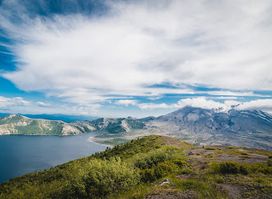
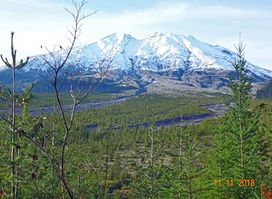
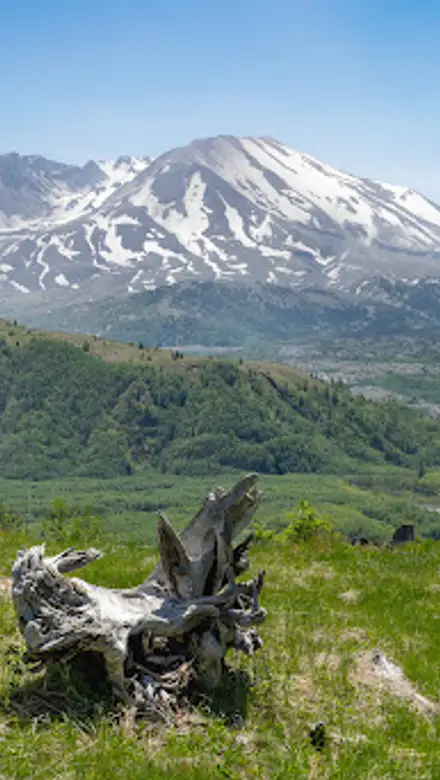
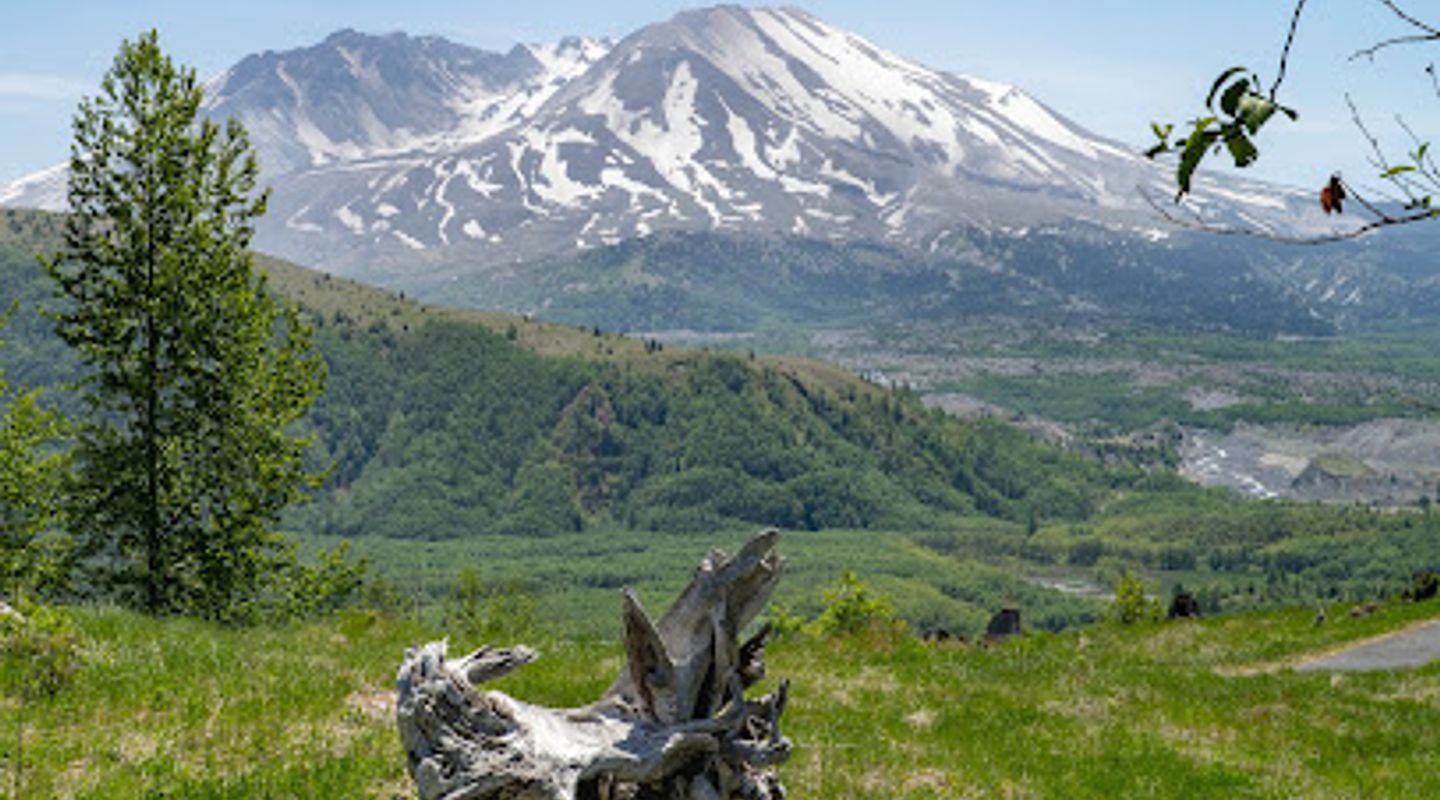
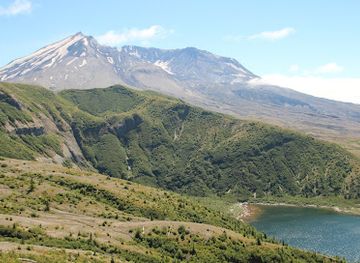
Explore the awe-inspiring Mt. St. Helens, a testament to nature's power and resilience, offering breathtaking views and rich geological history.
Mt. St. Helens, an iconic volcano in Washington, offers breathtaking views and a rich geological history. Experience the beauty and power of nature at this stunning site, perfect for outdoor enthusiasts and nature lovers alike.
A brief summary to Mt St Helens
- Washington, US

Know before you go
Hi, I'm Eve. Here are a few practical things to know before exploring Mt St Helens.
- Visit the Johnston Ridge Observatory for the best educational resources and panoramic views.
- Pack a picnic to enjoy at one of the scenic viewpoints along your hike.
- Check the weather forecast before your visit, as conditions can change rapidly in the mountains.
- Wear sturdy footwear, as many trails can be rocky and uneven.
- Bring a camera to capture the stunning landscapes and unique geological formations.
Do you manage this location?
Take control to get all the benefits, like improved information, better appearance, and stronger visibility across AI-powered discovery. Learn more about listing your business on Evendo
Activate your presenceOther nearby places you may find interesting
The closest places of the same kind, if this one is not quite what you had in mind.
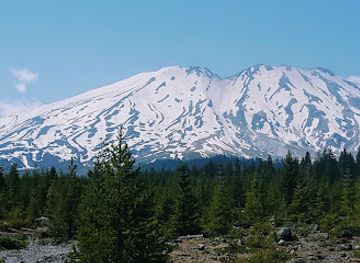
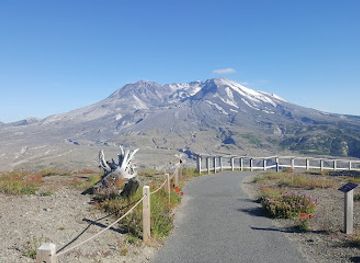
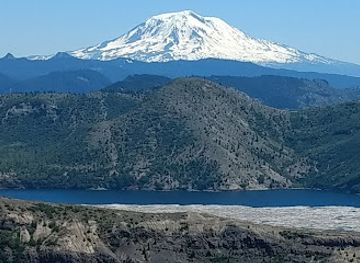
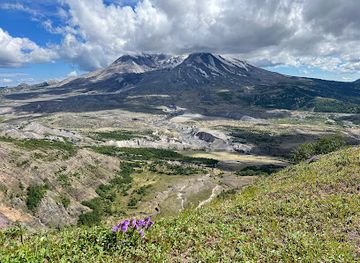
Explore Mt St Helens on the Map
A handpicked selection of must-see spots near Mt St Helens, mapped for you.
Unlock the Best of Mt St Helens
Buy tickets
-
No tickets available
Book tours with entry

Book tours without entry
-
No tours available
Getting There
-
Car
If you are driving from the nearest city, Vancouver, WA, take I-5 South towards Portland. After about 25 miles, take exit 21 for WA-503 N toward Woodland. Follow WA-503 N for approximately 40 miles until you reach the junction with WA-504. Turn right onto WA-504 E. Continue on WA-504 E for about 27 miles until you arrive at the Mt. St. Helens Visitor Center. From there, follow signs to the various viewpoints and trails around Mt. St. Helens.
-
Public Transportation
If you are using public transportation, take a Greyhound or Amtrak bus to the nearest major city, Portland, OR. From Portland, you can catch a local bus service (C-Tran) to Vancouver, WA. Once in Vancouver, you will need to arrange for a taxi or rideshare service (like Uber or Lyft) to take you directly to the Mt. St. Helens Visitor Center, as public transit options are limited in this area. Expect to pay around $80-$100 for the taxi ride from Vancouver to the Visitor Center.
-
Bicycle
For the adventurous, biking from the surrounding areas is an option. Starting from the town of Castle Rock, bike along WA-504 E. The distance is approximately 30 miles to the Mt. St. Helens Visitor Center. Make sure to wear a helmet and carry sufficient water and snacks, as there are limited services along the way.
-
Hiking
If you are already in the Mount St. Helens area and looking for a hiking option, you can start from the Johnston Ridge Observatory, which is accessible via WA-504 E. This is approximately a 5-mile hike round trip to the nearby trails that offer stunning views of the volcano. Ensure you have appropriate hiking gear and check trail conditions beforehand.
Discover more about Mt St Helens













Your all‑in‑one travel companion app
Explore expert travel guides, compare and book tours, experiences, hotels, and more—all from the palm of your hand. Download now for seamless trip planning wherever your wanderlust takes you.


Explore More of Mount St Helens Area
Looking beyond Mt St Helens? Discover Mount St Helens Area for broader travel guides, local hot-spots, and regional highlights.
Explore Mount St Helens Area