

Free Olympic Peninsula Travel Guide & Mobile App
Explore Olympic Peninsula with free travel guides. Discover regional history, expert tips, proposed trips, and audio guides on web or mobile app.


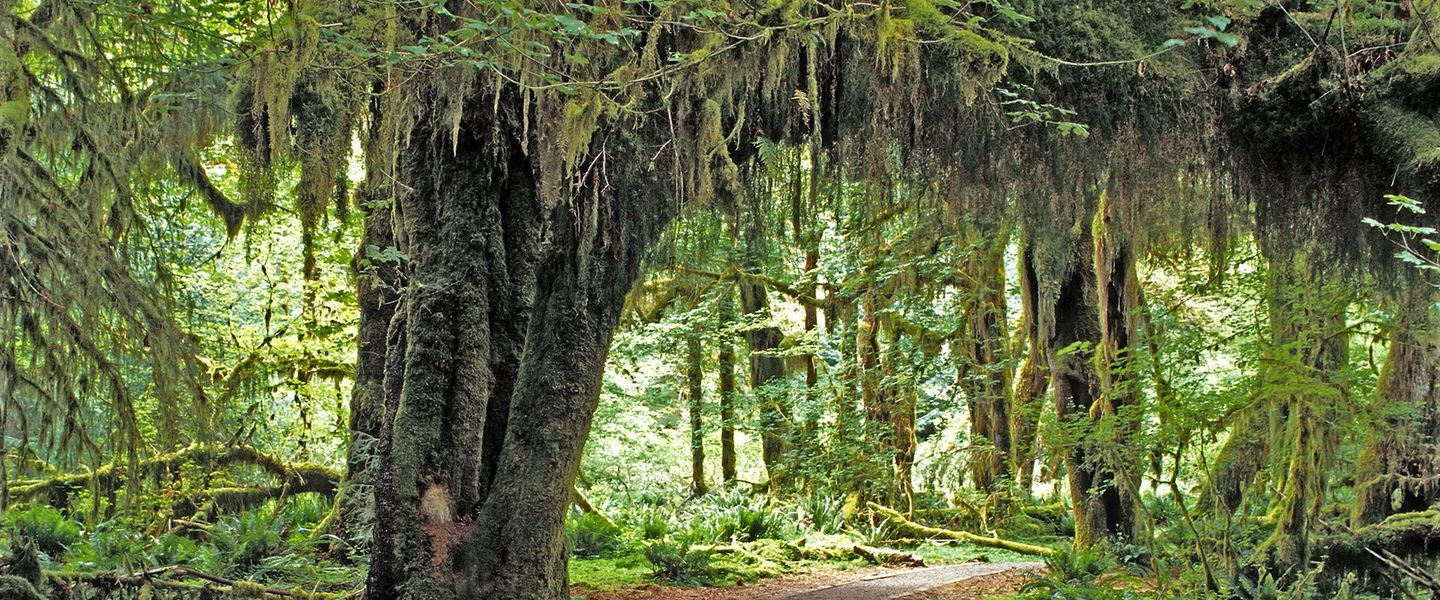


Olympic Peninsula travel combines Pacific beaches, glacial lakes, rainforest trails, mountain scenery and historic Washington towns in one far-north-western region.
Read more about Olympic Peninsula
Getting to and around Olympic Peninsula
How to get there
Transportation
Best attractions in Olympic Peninsula
The Olympic Peninsula’s attractions are defined by exceptional ecological variety rather than a single visitor circuit. Olympic National Park provides access to Hurricane Ridge’s mountain scenery, the old-growth Hoh and Quinault rainforests, Lake Crescent, Sol Duc’s forested valleys and a long Pacific coastline. Coastal stops including Kalaloch, Ruby Beach and Rialto Beach invite tide watching, photography and walking, although conditions can be rough and tides matter. The Dungeness National Wildlife Refuge near Sequim protects a long sand spit and important bird habitat, while Cape Flattery offers views from the north-western tip near Neah Bay. Port Townsend adds Victorian streets, maritime history and Fort Worden’s cultural and military landscape. The Makah Cultural and Research Center provides essential context for Indigenous history and Ozette archaeology. Outdoor options range from short accessible nature walks to multi-day mountain treks, kayaking on sheltered waters and sections of the Olympic Discovery Trail. The attraction pattern is necessarily spread out, so a good itinerary combines nearby clusters rather than treating the peninsula as one compact park.
-
Park
Olympic Sculpture Park
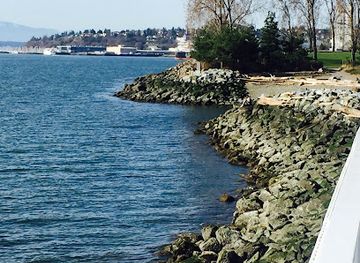
Experience the beautiful fusion of nature and contemporary art at Olympic Sculpture Park in Seattle, a free iconic cultural destination.
Best landmarks in Olympic Peninsula
The Olympic Mountains are the peninsula’s defining natural landmark, rising dramatically above forested valleys and visible from many northern viewpoints. Hurricane Ridge is their most accessible high-country outlook, while Mount Olympus dominates the park’s central alpine landscape even though its summit requires serious mountaineering. Along the coast, sea stacks, driftwood beaches and headlands at Ruby Beach, Rialto Beach and Kalaloch express the exposed character of the Pacific shore. The Dungeness Spit, extending into the Strait of Juan de Fuca, is a notable geological landform crowned by the historic New Dungeness Lighthouse. Port Townsend’s preserved Victorian commercial and residential architecture records the ambitions of a nineteenth-century port, and Fort Worden’s batteries and parade grounds mark the area’s strategic military past. Lake Crescent’s clear, glacially shaped waters provide another recognisable landscape, framed by steep forested slopes. At Neah Bay, Cape Flattery marks the north-western extremity of the contiguous United States and carries cultural significance within the Makah Reservation; visitors must follow local access rules.
-
Historical landmark
Monte Cristo
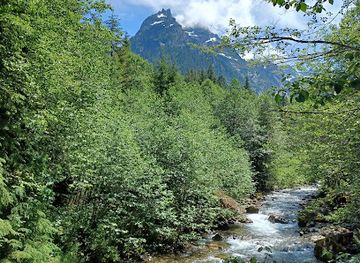
Discover the historic Monte Cristo Trail in Washington, where nature meets history in a breathtaking landscape.
Explore Olympic Peninsula on the map
Plan your trip on one map. See where the top cities, national parks and sights are, and book hotels and experiences in a few clicks.
Best hotels in Olympic Peninsula
Best restaurants in Olympic Peninsula
Dining on the Olympic Peninsula reflects its waters, forests, farms and small-town geography. Port Angeles, Port Townsend and Sequim offer the widest choice of cafés, bakeries, seafood restaurants, brewpubs and contemporary kitchens, while Forks and other western communities provide practical meals for travellers heading to the park and coast. Seafood, shellfish, salmon and locally grown produce appear frequently, alongside familiar Pacific Northwest cooking and well-established American comfort food. Farm stands and seasonal markets are useful for berries, vegetables, preserves and picnic supplies, particularly around the more agricultural north-eastern peninsula. Port Townsend has a particularly visible food and independent café culture, while coastal towns and harbour areas make seafood a natural emphasis. Indigenous foodways and cultural history are best approached through appropriate tribal institutions and community-led contexts rather than treated as a generic restaurant theme. In remote areas, meal choices and opening arrangements can be limited, so buying provisions in larger towns is sensible before visiting rainforest valleys, beaches or backcountry trailheads.
-
Hamburger
Great State Burger
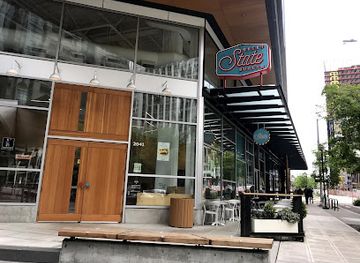
Experience the best handcrafted burgers at Great State Burger in Seattle's Denny Triangle - where flavor meets quality.
Best bars in Olympic Peninsula
Nightlife on the Olympic Peninsula is generally low-key and concentrated in Port Angeles, Port Townsend and, to a lesser extent, Sequim and other larger communities. Traditional pubs, taverns, breweries, wine bars and restaurants provide most evening activity, with occasional live music, theatre and community events rather than a large nightclub scene. Port Townsend’s historic and arts-oriented character supports a wider choice of evening venues, while Port Angeles has the region’s most substantial service-town nightlife and waterfront dining. In western and coastal districts, evenings often centre on an inn, pub or restaurant, and venues may be widely spaced or close earlier than visitors expect. Seasonal festivals and performances can add activity, but schedules change. Responsible drinking matters, particularly when accommodation is remote and roads are dark, winding and poorly served by taxis; plan transport rather than assuming a late-night ride will be available.
-
Italian
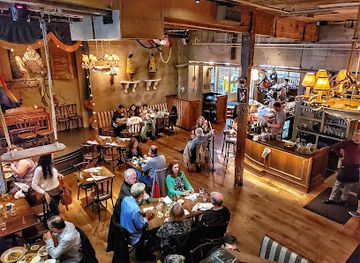
The Pink Door
Experience the vibrant flavors of Italy at The Pink Door, Seattle's iconic restaurant featuring live music and a charming atmosphere.
-
Travel lounge
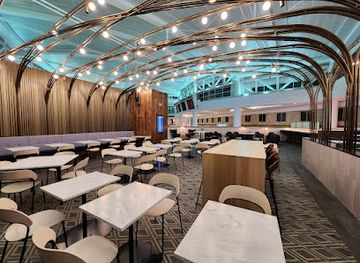
American Express Centurion Lounge
Experience travel like never before at the American Express Centurion Lounge, where comfort meets sophistication in Seattle-Tacoma Airport.
-
Italian
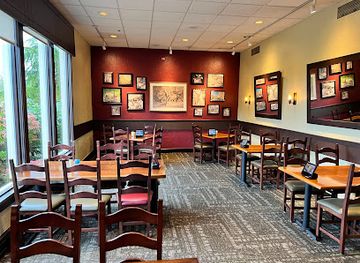
Olive Garden Italian Restaurant
Experience authentic Italian cuisine at Olive Garden in Kirkland, where family and flavor come together in a delightful dining atmosphere.
-
Bar
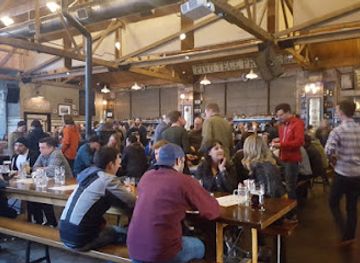
Queen Anne Beerhall
Explore the vibrant craft beer scene at Queen Anne Beerhall, where local brews and a lively atmosphere await in Seattle's Queen Anne neighborhood.
Best nightclubs in Olympic Peninsula
Nightlife on the Olympic Peninsula is generally low-key and concentrated in Port Angeles, Port Townsend and, to a lesser extent, Sequim and other larger communities. Traditional pubs, taverns, breweries, wine bars and restaurants provide most evening activity, with occasional live music, theatre and community events rather than a large nightclub scene. Port Townsend’s historic and arts-oriented character supports a wider choice of evening venues, while Port Angeles has the region’s most substantial service-town nightlife and waterfront dining. In western and coastal districts, evenings often centre on an inn, pub or restaurant, and venues may be widely spaced or close earlier than visitors expect. Seasonal festivals and performances can add activity, but schedules change. Responsible drinking matters, particularly when accommodation is remote and roads are dark, winding and poorly served by taxis; plan transport rather than assuming a late-night ride will be available.
-
Karaoke bar
Hilltop A Go-Go
Join the karaoke craze at Hilltop A Go-Go, Tacoma's vibrant dive club and dance hall where every night is a celebration of music and fun!

Best shops in Olympic Peninsula
Shopping on the Olympic Peninsula is centred on independent main streets, galleries, farm stands and practical provisions rather than large retail districts. Port Townsend has the strongest concentration of bookshops, antiques, art galleries, craft studios and maritime-influenced independent businesses, while Port Angeles provides broader everyday shopping and outdoor equipment. Sequim is a useful stop for local produce, garden-related goods and products associated with the area’s lavender farms, though availability is seasonal. Farmers’ markets and roadside stands offer berries, apples, vegetables, preserves, honey and baked goods when in season. Coastal and rural communities may have small galleries featuring photography, ceramics, woodwork and Pacific Northwest-inspired crafts. In Neah Bay, visitors should distinguish commercially available products from culturally significant Indigenous art and purchase respectfully from legitimate local sources. Outdoor clothing, maps, food and fuel are worth buying before entering remote park districts, where retail options are sparse and distances between services are substantial.
-
Grocery store
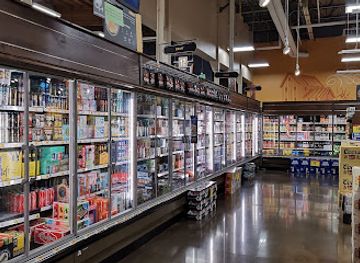
Fred Meyer
Explore Fred Meyer in Bellevue, a versatile grocery store offering fresh produce, gourmet delicacies, and local specialties in the heart of Washington.
-
Gift shop
Total Wine & More
Explore a vast selection of wines, beers, and spirits at Total Wine & More in Tukwila, where beverage enthusiasts find their paradise.
-
Car dealer
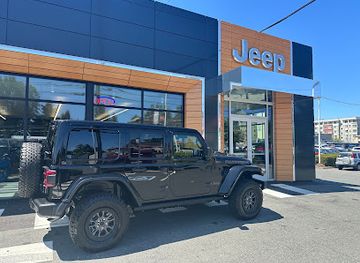
Seattle Jeep
Discover the ultimate Jeep experience at Seattle Jeep, where adventure meets quality in the heart of Washington.
-
Amusement center
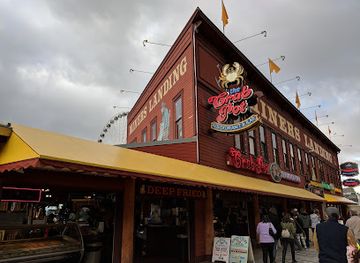
Miner’s Landing Pier 57 Seattle
Discover fun, food, and fantastic views at Miner's Landing Pier 57, Seattle's premier amusement center for all ages.

Get your free copy of our complete guide to Olympic Peninsula, delivered straight to you.
Everything on this page, from attractions and restaurants to essentials and local phrases, in one PDF you can read offline, print or share.
Already have an account? Sign in
Your Olympic Peninsula guide is ready.
We'll send it to · Not you? Sign out

Getting your guide ready…
We are putting together a fresh copy of the Olympic Peninsula guide. This can take up to a minute.
This can take a few moments. If your browser asks, choose Allow so the download can start. You'll find the guide in your Downloads folder.
Nothing happened? Download it again
Sorry, the guide is taking longer than usual. Please try again in a minute, or get it by email instead.
Olympic Peninsula essentials
Currency and Payment
Safety
Emergency Situations
Do's and Don'ts
Local Tips
From Eve
Local phrases worth knowing
You don't need to get them perfect. A few words go a long way, and locals appreciate the effort.
Basics
| English | Local | Say it |
|---|---|---|
| Hello | Híɫa | [hee-lah] |
| Goodbye | Skwilx | [skweelx] |
| Yes | A | [ah] |
| No | Nə | [nuh] |
| Please/You're welcome | T'əqʷu | [tuh-kwoo] |
| Thank you | Híɫaʔ | [hee-lah-uh] |
| Excuse me/Sorry | Híɫa t'əxʷ | [hee-lah tuh-khw] |
| How are you? | Híɫa t'əqʷu hən? | [hee-lah tuh-kwoo hun?] |
| Fine. And you? | Híɫa, hən t'əqʷu? | [hee-lah, hun tuh-kwoo?] |
| Do you speak English? | T'əxʷsəʔ c'əɫ t'əqʷu? | [tuh-khuh-suh chuh-l tuh-kwoo?] |
| I don't understand | Nəxʷaʔ t'əxʷsəʔ | [nuh-khwa tuh-khuh-suh] |
Eating & Drinking
| English | Local | Say it |
|---|---|---|
| I'd like to see the menu, please | T'əqʷu ʔəxʷi t'əxʷsəʔ, hən? | [tuh-kwoo uh-kwee tuh-khuh-suh, hun?] |
| I don't eat meat | Nəxʷaʔ ʔəxʷi mɨnɨp | [nuh-khwa uh-kwee min-ip] |
| Cheers! | T'əqʷuʔ | [tuh-kwoo] |
| I would like to pay, please | T'əqʷu hən ʔəxʷi t'əxʷsəʔ | [tuh-kwoo hun uh-kwee tuh-khuh-suh] |
Emergencies
| English | Local | Say it |
|---|---|---|
| Help! | Híɫaʔ! | [hee-lah!] |
| Go away! | Híɫaʔ t'əxʷsəʔ! | [hee-lah tuh-khuh-suh!] |
| Call the Police! | Híɫaʔ ʔaʔt'əxʷ ʔəxʷi t'əxʷsəʔ! | [hee-lah aht-tuh-khuh uh-kwee tuh-khuh-suh!] |
| Call a doctor! | Híɫaʔ ʔaʔt'əxʷ ʔəxʷi dʌktɨ! | [hee-lah aht-tuh-khuh uh-kwee duk-tee!] |
| I'm lost | Nəxʷaʔ ʔəxʷi hɨnɨʔ | [nuh-khwa uh-kwee hin-uhk] |
| I'm ill | Nəxʷaʔ ʔəxʷi hɨl | [nuh-khwa uh-kwee hil] |
Shopping
| English | Local | Say it |
|---|---|---|
| I'd like to buy... | T'əqʷu ʔəxʷi wəʔɨʔ... | [tuh-kwoo uh-kwee wuh-eech] |
| I'm just looking | Nəxʷaʔ hən ʔəxʷi t'əxʷsəʔ | [nuh-khwa hun uh-kwee tuh-khuh-suh] |
| How much is it? | T'əxʷsəʔ hən wəɬ? | [tuh-khuh-suh hun wuh-l] |
| That's too expensive | T'əxʷsəʔ ʔəxʷi wəɬaɬ | [tuh-khuh-suh uh-kwee wuh-lah-l] |
| Can you lower the price? | T'əqʷu hən ʔəxʷi t'əxʷsəʔ ʔəxʷi t'əxʷsəʔ? | [tuh-kwoo hun uh-kwee tuh-khuh-suh uh-kwee tuh-khuh-suh?] |
Time & Numbers
| English | Local | Say it |
|---|---|---|
| What time is it? | T'əxʷsəʔ hən ʔuʔɨ? | [tuh-khuh-suh hun uh-oo-ih?] |
| It's one o'clock | Híɫa ʔuʔɨ t'əqʷu | [hee-lah uh-oo-ih tuh-kwoo] |
| Half past (10) | ʔəxʷi ʔuʔɨ (t'əxʷsəʔ 10) | [uh-kwee uh-oo-ih (tuh-khuh-suh 10)] |
| Morning | ʔəxʷi hɨl | [uh-kwee hil] |
| Afternoon | ʔəxʷi hɨnɨʔ | [uh-kwee hin-uhk] |
| Evening | ʔəxʷi hɨlʌn | [uh-kwee hil-ahn] |
| Yesterday | ʔəxʷi hɨlʌɬ | [uh-kwee hil-ah-l] |
| Today | ʔəxʷi hɨlʌʔ | [uh-kwee hil-ahk] |
| Tomorrow | ʔəxʷi hɨlʌnɨ | [uh-kwee hil-ah-nee] |
| 1 | ʔuʔɨ | [uh-oo-ih] |
| 2 | ʔuʔɨ kʌ | [uh-oo-ih kuh] |
| 3 | ʔuʔɨ t'əxʷ | [uh-oo-ih tuh-khuw] |
| 4 | ʔuʔɨ ʔaʔt'əxʷ | [uh-oo-ih aht-tuh-khuw] |
| 5 | ʔuʔɨ ʕɨn | [uh-oo-ih in] |
| 6 | ʔuʔɨ ʔuʔ | [uh-oo-ih oo-oo] |
| 7 | ʔuʔɨ hɨɬ | [uh-oo-ih hih-l] |
| 8 | ʔuʔɨ t'ɨɬ | [uh-oo-ih tuh-l] |
| 9 | ʔuʔɨ sɨ | [uh-oo-ih sih] |
| 10 | ʔuʔɨ t'ɨ | [uh-oo-ih tuh] |
Transport & Directions
| English | Local | Say it |
|---|---|---|
| Where's a/the...? | T'əxʷsəʔ hən ʔuʔɨ...? | [tuh-khuh-suh hun uh-oo-ih...?] |
| What's the address? | T'əxʷsəʔ hən ʔuʔɨ ʔaʔt'əxʷ? | [tuh-khuh-suh hun uh-oo-ih aht-tuh-khuw?] |
| Can you show me (on the map)? | T'əqʷu hən ʔəxʷi t'əxʷsəʔ...? | [tuh-kwoo hun uh-kwee tuh-khuh-suh...?] |
| When's the next (bus)? | T'əxʷsəʔ hən ʔuʔɨ ʔəxʷi t'əxʷsəʔ? | [tuh-khuh-suh hun uh-oo-ih uh-kwee tuh-khuh-suh?] |
| A ticket (to ....) | T'əqʷu hən ʔəxʷi ʔuʔɨ t'əxʷsəʔ... | [tuh-kwoo hun uh-kwee uh-oo-ih tuh-khuh-suh...] |
History of Olympic Peninsula
Indigenous Nations and Ozette Archaeology
The Olympic Peninsula has been home to Indigenous peoples for thousands of years, including the Makah, Klallam, Quileute and Quinault. Marine resources, rivers, forests and mountain territories shaped distinct but connected cultures. At Ozette, a mudslide preserved rows of Makah houses and their contents for centuries; archaeological work from the late twentieth century revealed a detailed record of daily life, craft and maritime activity. The site and associated collections underpin the Makah Cultural and Research Center in Neah Bay, while living tribal communities remain central to the peninsula’s identity.
Maritime Contact and Euro-American Settlement
European maritime exploration reached the outer coast and Strait of Juan de Fuca in the late eighteenth century, bringing new trade networks, disease and political pressures to Indigenous communities. During the nineteenth century, American and European settlers established farms, trading posts, ports and military positions around the peninsula. Port Townsend grew as a maritime and commercial town, while Port Angeles developed as a harbour and regional centre. Treaties signed in the 1850s reshaped land ownership but affirmed important fishing and other rights for several tribal nations.
Fortifications and the Maritime Frontier
The strategic entrance to Puget Sound made the north-eastern peninsula important to United States coastal defence. Fort Worden, Fort Flagler and Fort Casey formed the so-called Triangle of Fire, a network intended to protect major waterways; Fort Worden and Fort Flagler remain within the wider peninsula travel area, while Fort Casey lies across Admiralty Inlet on Whidbey Island. Port Townsend’s surviving nineteenth-century buildings reflect the era when shipping, timber and hopes of commercial expansion made the town one of the region’s significant Pacific ports.
Logging, Fishing and Transportation
From the late nineteenth century, commercial timber harvesting became a defining force across the peninsula, supported by mills, logging railways and ports. Fishing, shellfish gathering, farming and maritime work provided other livelihoods, while roads and ferry connections gradually linked isolated communities. Logging transformed valleys and river systems, and tensions between economic use and conservation grew throughout the twentieth century. Many peninsula towns still show this working history in museums, waterfronts, industrial sites and the continuing importance of forests and fisheries.
Olympic National Park and Conservation
Olympic National Monument was established in 1909 to protect mountain wildlife and forests, later becoming Olympic National Park in 1938. Its boundaries and conservation purpose reflected growing national concern over the Olympic Mountains’ glaciers, forests and coastal ecosystems, although park creation also affected Indigenous access and longstanding relationships with the land. The park was designated a biosphere reserve in 1976 and added to the UNESCO World Heritage List in 1981. Conservation remains a continuing process rather than a finished historical event.
The Elwha River Restoration
Two hydroelectric dams built on the Elwha River in the early twentieth century blocked salmon migration and altered a river within Olympic National Park. After decades of campaigning by the Lower Elwha Klallam Tribe, conservationists and others, both dams were removed between 2011 and 2014 in one of the largest dam-removal projects in the United States. Sediment began rebuilding downstream beaches and salmon regained access to former habitat. The project is an important modern chapter in the peninsula’s environmental and Indigenous history.
Olympic Peninsula in Photos
Browse through our photo collection highlighting the charm and character of the destination.
Neighbouring regions of Olympic Peninsula
The closest regions to Olympic Peninsula, if you have time for more than one.
-

-
-

-

-


Swipe for more regions
Explore more

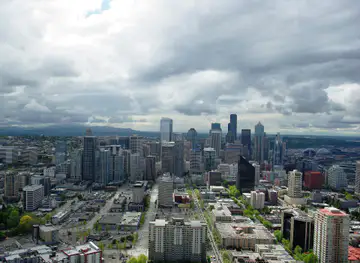
Explore more of Washington
Explore Washington State: From the vibrant streets of Seattle to the tranquil beauty of the Olympic Peninsula, discover the diverse landscapes, culture, and adventures awaiting you.
Explore Washington