

Free Western Washington Travel Guide & Mobile App
Explore Western Washington with free travel guides. Discover regional history, expert tips, proposed trips, and audio guides on web or mobile app.


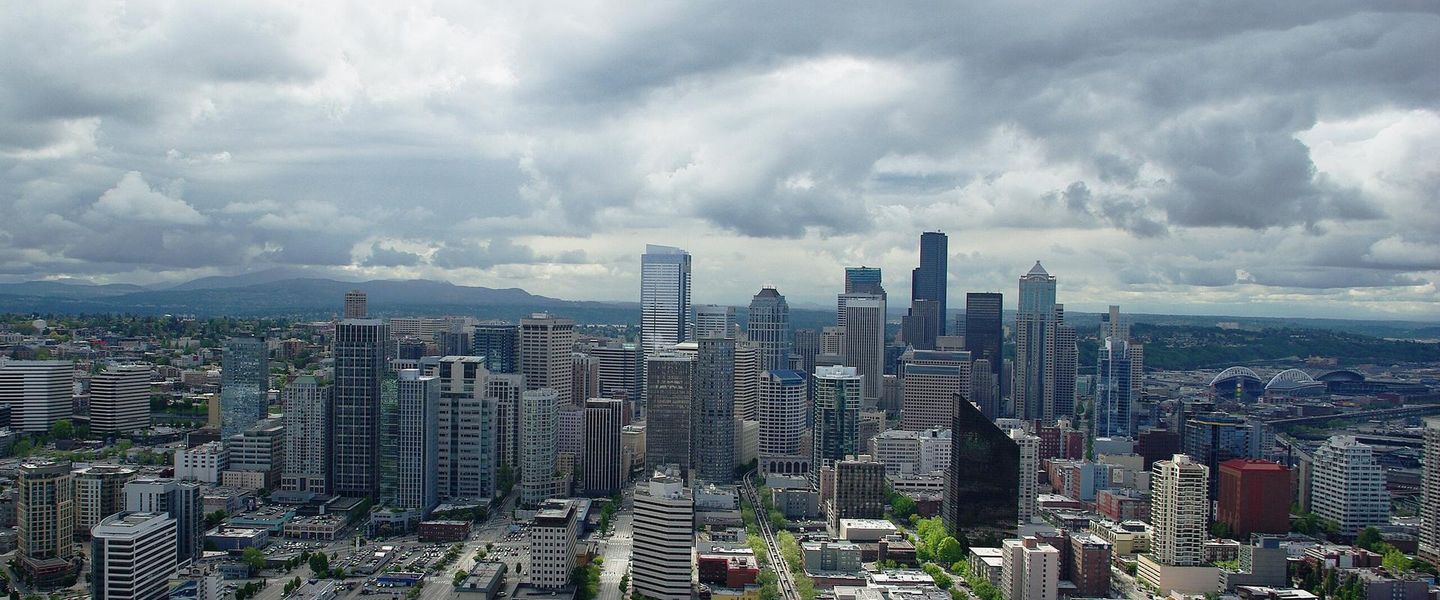


Explore Western Washington for Seattle culture, Puget Sound ferries, Olympic rainforests, Pacific beaches, island communities and mountain trails.
Read more about Western Washington
Getting to and around Western Washington
How to get there
Transportation
Top city travel guides in Western Washington
The cities of Western Washington, and the easiest places to base yourself.
-

-

-

-

-

-


Swipe for more cities
Destinations in Western Washington
Resorts, valleys and scenic spots worth a trip of their own.
-
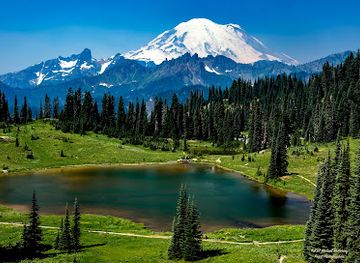
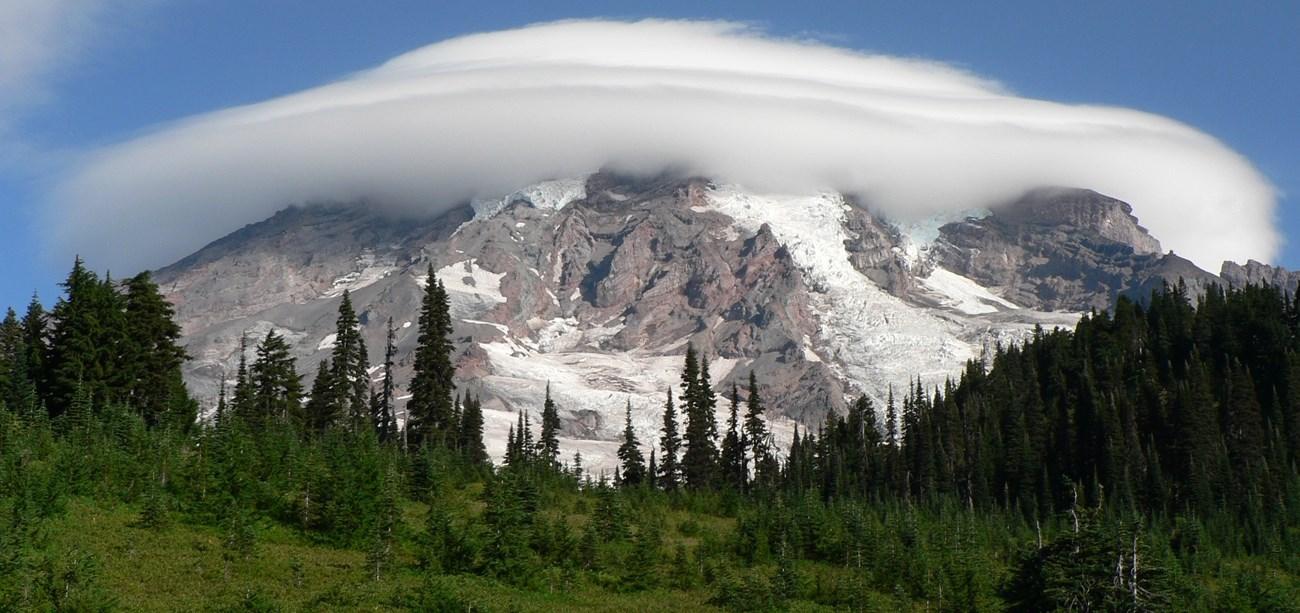 Mount Rainier National Park
 in Washington offers glacier-clad peaks, wildflower meadows, old-growth forests, scenic drives, hiking and heritage.
-
-

-
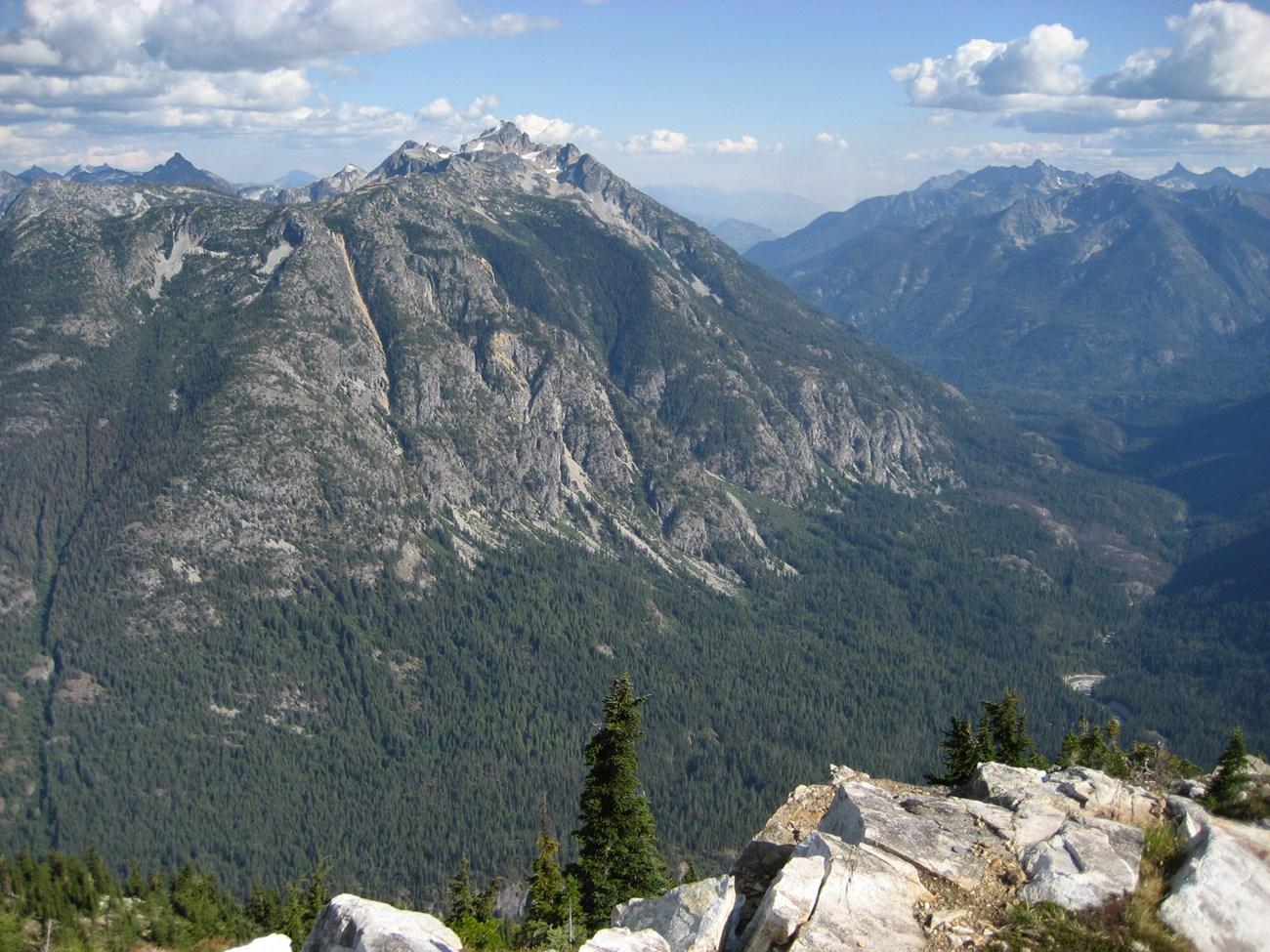 North Cascades National Park
 in Washington offers glaciers, alpine lakes, jagged peaks, wilderness trails and scenic drives through the American mountains.
-

-


Swipe for more destinations
Best attractions in Western Washington
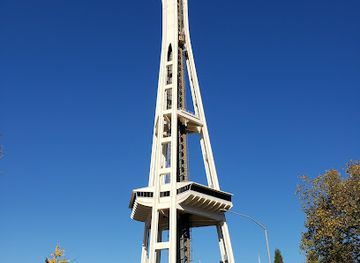
Western Washington’s attractions range from major urban institutions to protected wilderness. Seattle offers the Museum of Pop Culture, Seattle Art Museum, waterfront redevelopment around Pike Place Market and views from the Space Needle, while Tacoma is known for the Museum of Glass, Tacoma Art Museum and Washington State History Museum. Olympic National Park brings together temperate rainforest, alpine terrain, glacial valleys and Pacific beaches; its principal areas are widely separated, so it merits several days. Mount Rainier National Park provides trails, wildflower meadows and views of an immense volcanic peak, with access varying by season. The San Juan Islands combine farmland, woodland, marine scenery and wildlife-watching opportunities. Historic Port Townsend, maritime communities on the sound, the state capital in Olympia and the North Cascades landscape add further variety. Hiking, kayaking, whale watching, cycling, sailing and tidepooling are important activities, but visitors should check permits, weather, tides and seasonal closures before travelling.
-
Observation deck
Space Needle
Experience breathtaking views of Seattle and beyond from the iconic Space Needle, a must-visit tourist attraction in the heart of the city.
-
National park
Mount Rainier National Park
Explore the breathtaking landscapes and diverse wildlife at Mount Rainier National Park, a premier destination for adventure and natural beauty in Washington State.
-
Zoo
Woodland Park Zoo
Discover wildlife wonders at Woodland Park Zoo, Seattle's premier zoo, featuring diverse animal exhibits and engaging educational programs.
-
 Art museum
Museum of Pop Culture
Discover the Museum of Pop Culture in Seattle, a vibrant hub of music, art, and interactive experiences celebrating contemporary culture.
Best landmarks in Western Washington
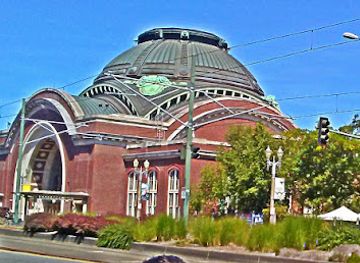
The Space Needle is Western Washington’s most recognisable modern landmark, rising above Seattle Center and symbolising the city’s association with the 1962 World’s Fair. Pike Place Market, overlooking Elliott Bay, remains an important historic civic and commercial landmark rather than simply a shopping venue. In Tacoma, the Museum of Glass’s distinctive hot-shop cone and the city’s bridges reflect its industrial waterfront setting. The state Capitol campus in Olympia expresses Washington’s civic history through its monumental architecture and landscaped grounds. Beyond the cities, Mount Rainier is the region’s defining natural landmark, visible from many western lowland viewpoints on clear days. The Olympic Peninsula contributes a contrasting set of landmarks: Cape Flattery’s rugged Pacific setting, the Hoh Rain Forest’s giant trees and the historic buildings of Port Townsend. The San Juan Islands add maritime landmarks, lighthouses and working harbours shaped by the region’s relationship with the Salish Sea.
-
Tourist attraction
Snoqualmie Falls
Discover Snoqualmie Falls, a breathtaking 268-foot waterfall in Washington, surrounded by stunning landscapes, hiking trails, and picnic spots.
-
Historical landmark
Smith Tower
Experience the historical allure and breathtaking views of Smith Tower, Seattle's iconic landmark, bar, and event venue in the heart of Pioneer Square.
-
History museum
Washington State History Museum
Explore the captivating history of Washington State at the Washington State History Museum, a treasure trove of artifacts and stories in Tacoma.
-
Park
Harborview Park
Experience the tranquil beauty of Harborview Park in Everett, WA, where spectacular views of the North Puget Sound await.



Explore Western Washington on the map
Plan your trip on one map. See where the top cities, national parks and sights are, and book hotels and experiences in a few clicks.
Best hotels in Western Washington
Best restaurants in Western Washington
Dining in Western Washington reflects both its Pacific waters and its productive farms. Salmon, oysters, Dungeness crab, geoduck and other shellfish appear in restaurants and markets, though menus also make use of berries, apples, pears, mushrooms, hops and vegetables from the inland valleys. Seattle has the region’s broadest choice, including seafood restaurants, Asian and Pacific influences, food halls, bakeries and coffee roasters; Tacoma, Olympia, Bellingham and Vancouver offer their own independent scenes. Along the coast and sound, look for fish markets, oyster farms and informal seafood counters, while rural areas are more likely to feature farm stands, cideries, breweries, cafés and roadside produce. Farmers’ markets provide a good way to follow the seasons, and local food culture often favours direct sourcing and concise preparation rather than a single fixed regional cuisine.
-
Italian
The Pink Door
Experience the best of Italian cuisine at The Pink Door in Seattle - where food meets art in an enchanting atmosphere.
-
Steak
STK Steakhouse
Experience fine dining at its best with exquisite steaks and seafood in Bellevue's vibrant atmosphere at STK Steakhouse.
-
Seafood
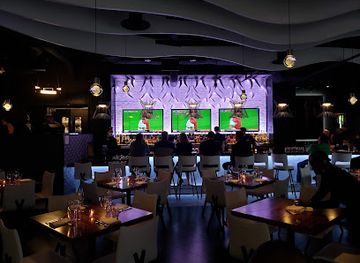
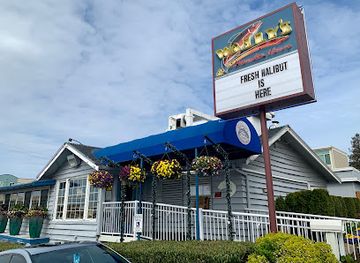
Wally's Chowder House Broiler
Discover the flavors of the Pacific Northwest at Wally's Chowder House Broiler - your go-to seafood destination in Des Moines.
-
Lounge
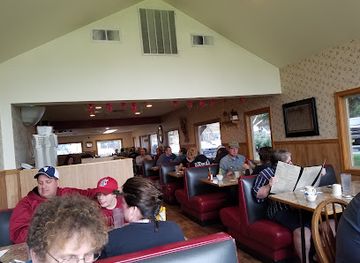
Cottage Cafe & Fireside Lounge
Discover comfort food at Cottage Cafe & Fireside Lounge in Cle Elum - where delicious breakfasts meet a warm ambiance.

Best bars in Western Washington
Evening life is concentrated in Seattle, Tacoma, Bellingham, Olympia and selected waterfront towns rather than spread evenly across Western Washington. Seattle has the region’s widest range of cocktail bars, breweries, live-music rooms, theatres and late-night venues, with different atmospheres in neighbourhoods such as Capitol Hill, Ballard and Belltown. Tacoma and Bellingham support smaller but active scenes, while Olympia is known for live music and independent venues. In Port Townsend and other historic communities, evenings tend to centre on restaurants, pubs, arts events and occasional live performances. Rural areas and islands generally offer breweries, tasting rooms, taverns and accommodation-based bars rather than large clubs. Check transport options before drinking, particularly where ferry services or late-night rural buses are limited.
-
Bar
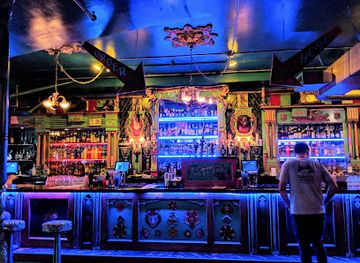
Unicorn
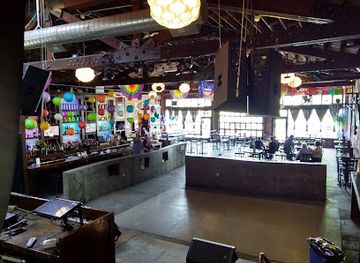
Explore Unicorn, Seattle's whimsical bar and grill, where vibrant decor meets delicious food and craft cocktails in the heart of Capitol Hill.
-
Bar
Red Robin Gourmet Burgers and Brews
Experience the ultimate in American dining at Red Robin, where gourmet burgers and friendly service come together in a family-friendly atmosphere.
-
Grill
Hops n Drops
Experience the ultimate grill and burger destination at Hops n Drops in Marysville, WA - where flavor meets fun in a vibrant setting.
-
Pub
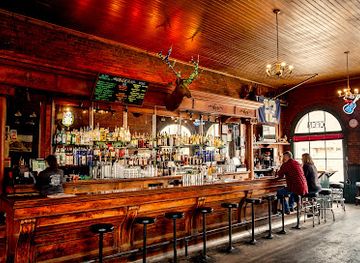
The Brick Saloon
Discover the rich history and delightful flavors of The Brick Saloon, a must-visit pub in Roslyn, Washington, for every food lover.

Best nightclubs in Western Washington
Evening life is concentrated in Seattle, Tacoma, Bellingham, Olympia and selected waterfront towns rather than spread evenly across Western Washington. Seattle has the region’s widest range of cocktail bars, breweries, live-music rooms, theatres and late-night venues, with different atmospheres in neighbourhoods such as Capitol Hill, Ballard and Belltown. Tacoma and Bellingham support smaller but active scenes, while Olympia is known for live music and independent venues. In Port Townsend and other historic communities, evenings tend to centre on restaurants, pubs, arts events and occasional live performances. Rural areas and islands generally offer breweries, tasting rooms, taverns and accommodation-based bars rather than large clubs. Check transport options before drinking, particularly where ferry services or late-night rural buses are limited.
-
Gay night club
nYne Bar & Bistro
Experience the vibrant nightlife of Spokane at nYne Bar & Bistro, where drag shows, great drinks, and a welcoming atmosphere await.
-
Night club
Sarajevo Nightclub
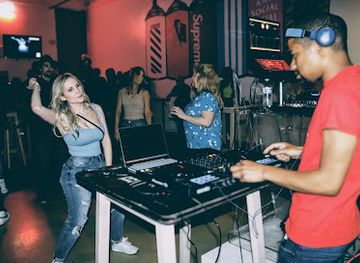
Discover Sarajevo Nightclub, Seattle's ultimate nightlife destination, featuring electrifying music and a vibrant atmosphere for unforgettable nights out.
-
Night club
Vue Lounge
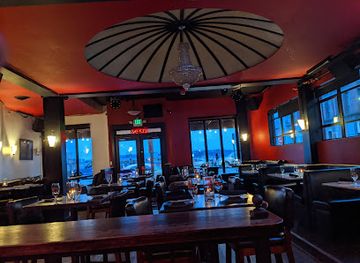
Discover the vibrant nightlife at Vue Lounge, Seattle's premier night club, offering stunning skyline views and an unforgettable atmosphere.
-
Bar
Danny's Midway Pub & Grill
Discover the lively charm of Danny's Midway Pub & Grill in Marysville, where good food and great company come together for an unforgettable experience.

Best shops in Western Washington
Shopping in Western Washington ranges from Seattle’s historic Pike Place Market and independent neighbourhood streets to the smaller main streets of Port Townsend, Poulsbo, Bellingham and Olympia. Visitors can look for Pacific Northwest food products, coffee, cider, craft beer, smoked seafood, preserves and seasonal produce, particularly at farmers’ markets and specialist food shops. Seattle has the broadest selection of books, design goods, outdoor equipment, galleries and contemporary clothing, while Tacoma and Olympia offer independent retailers and arts-focused shopping. Port Townsend is associated with historic architecture, antiques, galleries and maritime crafts, and island communities tend to favour locally made goods and small studios. Indigenous art should be purchased from recognised artists, tribal cultural institutions or reputable galleries, with clear attention to provenance. Shopping hours and choice become more limited in rural areas and on smaller islands, where advance planning is sensible.
-
Outlet mall
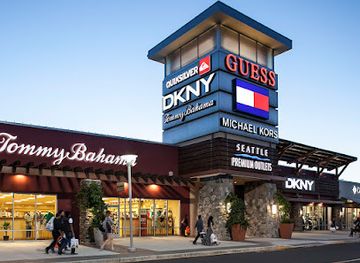
Seattle Premium Outlets
Discover unbeatable deals at Seattle Premium Outlets, where designer brands meet incredible savings in a vibrant shopping experience.
-
Shopping mall
University Village
Discover upscale shopping, delightful dining, and a vibrant atmosphere at University Village, Seattle's premier shopping destination.
-
Outlet mall
North Bend Premium Outlets
Explore unbeatable deals and a variety of brand-name stores at North Bend Premium Outlets, a shopper's haven in Washington's stunning landscape.
-
Gift shop
Ye Olde Curiosity Shop
Explore Ye Olde Curiosity Shop in Seattle: a whimsical treasure trove of unique gifts, oddities, and cultural artifacts for every traveler.


Get your free copy of our complete guide to Western Washington, delivered straight to you.
Everything on this page, from attractions and restaurants to essentials and local phrases, in one PDF you can read offline, print or share.
Already have an account? Sign in
Your Western Washington guide is ready.
We'll send it to · Not you? Sign out

Getting your guide ready…
We are putting together a fresh copy of the Western Washington guide. This can take up to a minute.
This can take a few moments. If your browser asks, choose Allow so the download can start. You'll find the guide in your Downloads folder.
Nothing happened? Download it again
Sorry, the guide is taking longer than usual. Please try again in a minute, or get it by email instead.
Western Washington essentials
Currency and Payment
Safety
Emergency Situations
Do's and Don'ts
Local Tips
From Eve
Local phrases worth knowing
You don't need to get them perfect. A few words go a long way, and locals appreciate the effort.
Basics
| English | Local | Say it |
|---|---|---|
| Hello | Hey there | [Hey thair] |
| Goodbye | See ya | [See yah] |
| Yes | Yeah | [Yah] |
| No | Nah | [Nah] |
| Please/You're welcome | Sure thing | [Shoor thing] |
| Thank you | Thanks a lot | [Thangs a lot] |
| Excuse me/Sorry | Oops, my bad | [Oops, my bad] |
| How are you? | How's it going? | [How's it goin'?] |
| Fine. And you? | Good. You? | [Good. You?] |
| Do you speak English? | Do you speak English? | [Do you speak English?] |
| I don't understand | I don't get it | [I don't get it] |
Eating & Drinking
| English | Local | Say it |
|---|---|---|
| I'd like to see the menu, please | Can I see the menu? | [Can I see the menu?] |
| I don't eat meat | I'm vegetarian | [I'm veggie-tair-ee-an] |
| Cheers! | Cheers! | [Cheers!] |
| I would like to pay, please | Can I get the bill? | [Can I get the bill?] |
Emergencies
| English | Local | Say it |
|---|---|---|
| Help! | Help! | [Help!] |
| Go away! | Leave me alone! | [Leave me alone!] |
| Call the Police! | Call 911! | [Call nine-one-one!] |
| Call a doctor! | Get a doctor! | [Get a doctor!] |
| I'm lost | I'm kinda lost | [I'm kinda lost] |
| I'm ill | I'm not feeling well | [I'm not feeling well] |
Shopping
| English | Local | Say it |
|---|---|---|
| I'd like to buy... | I want to buy... | [I want to buy...] |
| I'm just looking | Just browsing | [Just browsing] |
| How much is it? | What's the price? | [What's the price?] |
| That's too expensive | That's a bit pricey | [That's a bit pricey] |
| Can you lower the price? | Can you make it cheaper? | [Can you make it cheaper?] |
Time & Numbers
| English | Local | Say it |
|---|---|---|
| What time is it? | What's the time? | [What's the time?] |
| It's one o'clock | It's one | [It's one] |
| Half past (10) | Half past ten | [Half past ten] |
| Morning | Morning | [Morning] |
| Afternoon | Afternoon | [Afternoon] |
| Evening | Evening | [Evening] |
| Yesterday | Yesterday | [Yesterday] |
| Today | Today | [Today] |
| Tomorrow | Tomorrow | [Tomorrow] |
| 1 | One | [One] |
| 2 | Two | [Two] |
| 3 | Three | [Three] |
| 4 | Four | [Four] |
| 5 | Five | [Five] |
| 6 | Six | [Six] |
| 7 | Seven | [Seven] |
| 8 | Eight | [Eight] |
| 9 | Nine | [Nine] |
| 10 | Ten | [Ten] |
Transport & Directions
| English | Local | Say it |
|---|---|---|
| Where's a/the...? | Where's the nearest...? | [Where's the nearest...?] |
| What's the address? | What's the address? | [What's the address?] |
| Can you show me (on the map)? | Can you point it out? | [Can you point it out?] |
| When's the next (bus)? | When's the next bus? | [When's the next bus?] |
| A ticket (to ....) | One ticket to... please | [One ticket to... please] |
History of Western Washington
Coast Salish and Other Indigenous Homelands
The lands and waters of Western Washington have been home to Indigenous peoples for thousands of years. Coast Salish communities, including the Suquamish, Duwamish, Puyallup, Nisqually, Lummi, Nooksack, Skagit and many others, developed extensive networks of fishing, shellfish gathering, trade and seasonal movement around Puget Sound and the coast. Indigenous knowledge continues to shape environmental stewardship and cultural life. The region is also home to Olympic Peninsula peoples such as the Makah, Quileute, Hoh and Quinault. Visitors encounter this history in tribal museums, cultural centres, place names and living communities.
Maritime Exploration and Early American Settlement
European and American maritime expeditions entered the inland waters later known as Puget Sound during the late eighteenth and early nineteenth centuries. The United States and Britain disputed control of the Pacific Northwest until the Oregon Treaty of 1846 established the international boundary near the forty-ninth parallel. American settlement expanded during the nineteenth century, building trading posts, farms, ports and towns on lands already occupied by Indigenous nations. Olympia, founded in the 1850s, became an early centre of government and commerce in the sound.
Treaties, Territorial Government and Statehood
A series of treaties in the 1850s transferred large areas of present-day Washington to the United States while reserving important rights to Indigenous nations, including fishing rights in several cases. Their interpretation and enforcement remain significant legal and political issues. Washington Territory was created in 1853, with settlements around Puget Sound increasingly connected to regional trade. Washington entered the Union as the forty-second state in 1889, after population growth, infrastructure development and rising commercial importance in the Pacific Northwest.
Timber, Fishing and Industrial Ports
Forestry, fishing and maritime trade shaped Western Washington’s economy from the nineteenth century into the twentieth. Sawmills and logging camps supplied rapidly growing settlements, while ports such as Seattle, Tacoma, Bellingham and Aberdeen handled timber, grain, fish and manufactured goods. Shipbuilding and naval activity became particularly important around Puget Sound. These industries brought employment and transport links but also caused extensive environmental change. Today, working waterfronts, historic mills, maritime museums and restored port districts preserve parts of this industrial inheritance.
Railways, Ferries and Urban Expansion
Railways reaching Puget Sound in the late nineteenth century accelerated migration, trade and urban growth, helping Seattle and Tacoma become major regional centres. Roads and bridges later connected the sound’s communities, although water remained a defining obstacle. Washington State Ferries developed into one of the largest ferry systems in the United States, linking mainland terminals with islands and peninsulas. The resulting pattern of cities, suburbs, ports and rural communities still defines daily movement across Western Washington.
Conservation and the Modern Pacific Northwest
The twentieth century brought growing recognition of the ecological value of Western Washington’s old-growth forests, mountains, rivers and coastlines. Olympic National Park was established in 1938, while Mount Rainier had become a national park as early as 1899; later conservation movements protected additional forests, wetlands and marine habitats. At the same time, Seattle and neighbouring cities developed strong aerospace, technology, cultural and educational sectors. The region’s contemporary identity therefore combines urban innovation with enduring debates about forests, salmon, housing, climate and public access to nature.
Western Washington in Photos
Browse through our photo collection highlighting the charm and character of the destination.
Neighbouring regions of Western Washington
The closest regions to Western Washington, if you have time for more than one.
-
-

-

-

-


Swipe for more regions
Explore more

Explore more of Washington
Explore Washington State: From the vibrant streets of Seattle to the tranquil beauty of the Olympic Peninsula, discover the diverse landscapes, culture, and adventures awaiting you.
Explore Washington