

Free The Inland Empire Travel Guide & Mobile App
Explore The Inland Empire with free travel guides. Discover regional history, expert tips, proposed trips, and audio guides on web or mobile app.


Explore Washington’s Inland Empire for Spokane’s riverfront, Palouse wheat hills, Walla Walla wine country and Columbia Basin landscapes.
Read more about The Inland Empire
Getting to and around The Inland Empire
How to get there
Transportation
Top city travel guides in The Inland Empire
The cities of The Inland Empire, and the easiest places to base yourself.
-

-

-

-

-

-


Swipe for more cities
Destinations in The Inland Empire
Resorts, valleys and scenic spots worth a trip of their own.
-
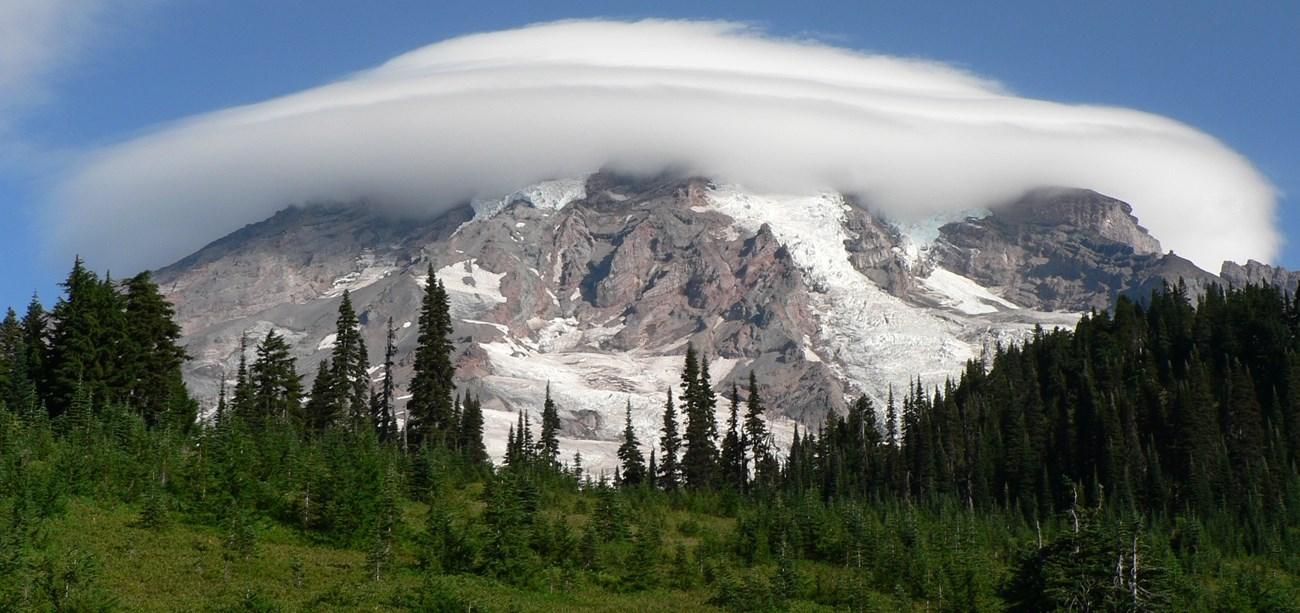 Mount Rainier National Park
 in Washington offers glacier-clad peaks, wildflower meadows, old-growth forests, scenic drives, hiking and heritage.
Mount Rainier National Park
Mount Rainier National Park in Washington offers glacier-clad peaks, wildflower meadows, old-growth forests, scenic drives, hiking and heritage.
-
-

-
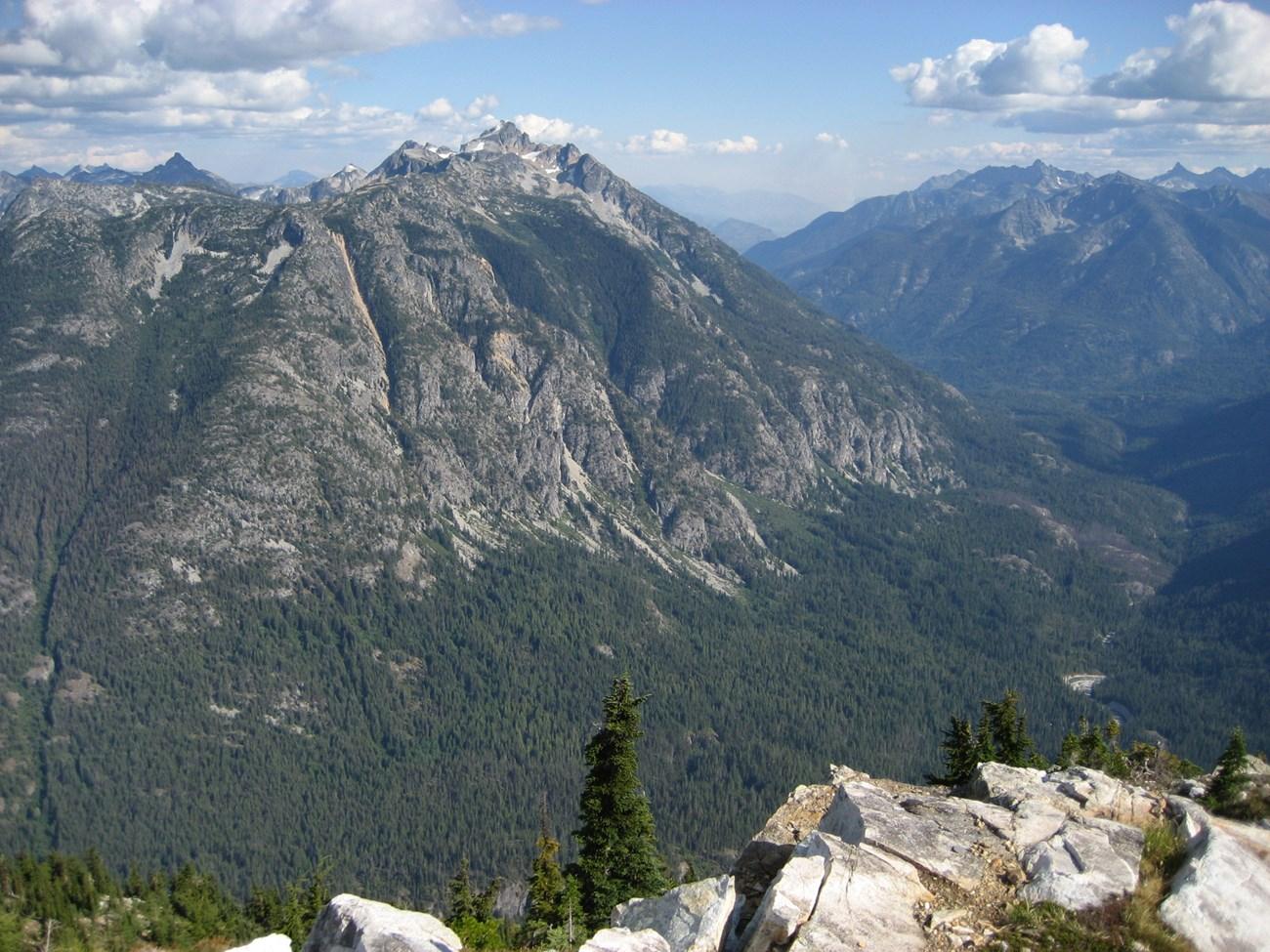 North Cascades National Park
 in Washington offers glaciers, alpine lakes, jagged peaks, wilderness trails and scenic drives through the American mountains.
North Cascades National Park
North Cascades National Park in Washington offers glaciers, alpine lakes, jagged peaks, wilderness trails and scenic drives through the American mountains.
-

-


Swipe for more destinations
Best attractions in The Inland Empire
The Inland Empire’s attractions range from urban culture to large-scale landscapes. In Spokane, the Spokane River falls, Riverfront Park, the Northwest Museum of Arts and Culture and the historic Browne’s Addition area provide an accessible introduction to the region’s urban and commercial history. Riverside State Park follows the river through basalt scenery and offers walking, cycling, boating and camping. North of the city, Mount Spokane State Park brings forest trails, winter recreation and high-country views. Across the Palouse, Pullman combines Washington State University’s campus life with access to rolling wheat country, while the communities of Palouse and Colfax offer smaller-scale historic streets. Walla Walla is a base for wine tasting, museums, galleries and agricultural touring. The Tri-Cities open onto the Columbia and Snake rivers, with science-focused interpretation, river trails, water sports and authorised programmes connected with Hanford’s history. Near Clarkston, river recreation and guided excursions provide access to the dramatic Hells Canyon country, although much of the canyon lies beyond Washington and should be treated as a cross-border journey rather than a local attraction.
-
Tourist attraction
Riverfront Park
Explore the beauty of Riverfront Park, Spokane's urban oasis featuring scenic trails, lush gardens, and breathtaking views of the Spokane River.
-
Tourist attraction
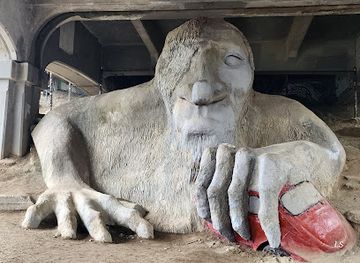
Fremont Troll
Explore the whimsical Fremont Troll in Seattle, a unique artistic landmark that captures the spirit of the city's vibrant culture and creativity.
-
Tourist attraction
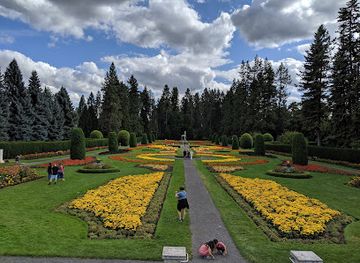
Manito Park
Explore Manito Park, a breathtaking botanical garden and park in Spokane, WA, where nature's beauty and tranquility unite.
-
Tourist attraction
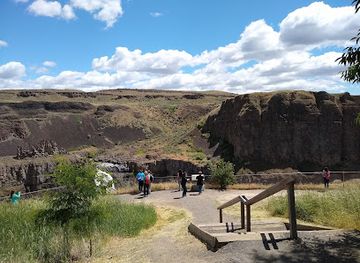
Palouse Falls State Park
Discover the breathtaking beauty of Palouse Falls State Park in Washington, where stunning waterfalls and scenic landscapes await your exploration.
Best landmarks in The Inland Empire
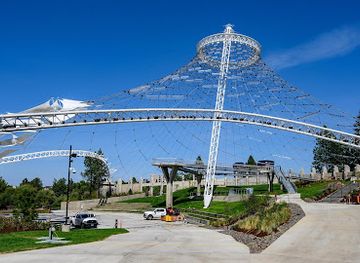
Spokane Falls is the region’s most recognisable urban landmark, where the Spokane River narrows and drops through the city centre amid bridges, parks and historic commercial buildings. The Davenport Hotel and neighbouring early twentieth-century architecture express the prosperity created by railways and inland trade. In the Palouse, the rounded agricultural hills themselves form a distinctive geographical landmark, their patterned slopes changing colour with the seasons. Walla Walla’s historic downtown streets and surviving commercial buildings recall its nineteenth-century role as a regional trading centre. The Columbia River and its broad reservoirs define the Tri-Cities landscape, while the nearby Hanford Reach preserves a less developed stretch of the river beside one of the country’s most consequential nuclear sites. Grand Coulee Dam lies in the wider north-eastern Washington landscape and is a major engineering landmark, but it is a substantial journey from Spokane. Basalt cliffs, river corridors and the high ridges above the Snake near Clarkston provide the region’s most prominent natural forms.
-
Tourist attraction
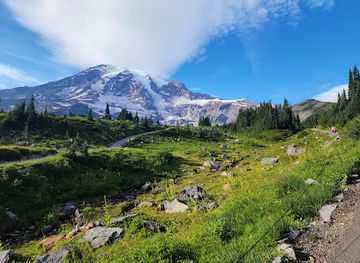
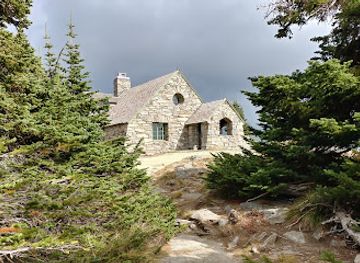
Mount Rainier National Park
Experience the breathtaking beauty of Mount Rainier National Park, a must-visit destination in Washington for nature lovers and adventure seekers alike.
-
Historical landmark
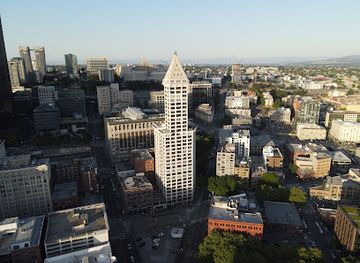
Smith Tower
Experience Seattle's historic Smith Tower: a remarkable landmark featuring breathtaking views, a unique bar, and rich stories of the city's past.
-
State park
Mount Spokane State Park
Explore the breathtaking landscapes and outdoor adventures at Mount Spokane State Park, a must-visit destination for nature enthusiasts in Washington State.
-
History museum
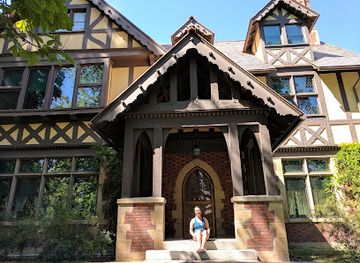
Campbell House
Explore the captivating history of Spokane at Campbell House, a beautifully preserved museum showcasing the region's rich heritage and architectural beauty.
Explore The Inland Empire on the map
Plan your trip on one map. See where the top cities, national parks and sights are, and book hotels and experiences in a few clicks.
Best hotels in The Inland Empire
Best restaurants in The Inland Empire
Dining in the Inland Empire reflects wheat farming, irrigated horticulture, cattle, vineyards and the cuisines of a growing urban population. Spokane has the broadest choice, from independent cafés and bakeries to contemporary restaurants, breweries and established American dining rooms. Walla Walla is particularly associated with wine-country restaurants, tasting rooms and menus built around local vegetables, fruit, grains and meat, while the Tri-Cities combines casual river-city dining with wine-focused venues and family restaurants. Pullman’s university community supports an international and informal food scene. Across the region, seasonal produce includes apples, cherries, asparagus and other crops from the irrigated Columbia Basin, while wheat remains an important agricultural foundation even when it is not served as a headline ingredient. Farmers’ markets, farm stands, breweries and wineries are useful places to encounter local products, but opening patterns vary by season and by town.
-
American
Clinkerdagger
Discover Clinkerdagger in Spokane - where exceptional American cuisine meets stunning riverfront views.
-
Pizza
The Flying Goat
Experience the vibrant atmosphere and delicious artisanal pizzas at The Flying Goat in Spokane – where great food meets good company.
-
Seafood
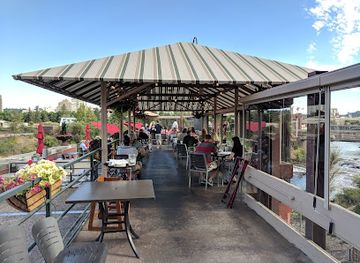
Anthony's at Spokane Falls
Discover exceptional seafood with breathtaking views at Anthony's at Spokane Falls in Downtown Spokane.
-
American
Steam Plant Restaurant & Brew Pub
Discover Spokane's culinary gem at the historic Steam Plant Restaurant & Brew Pub – where industrial charm meets modern American dining.
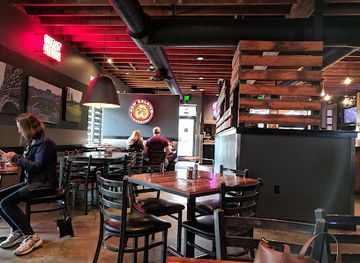
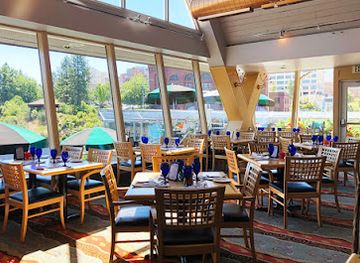
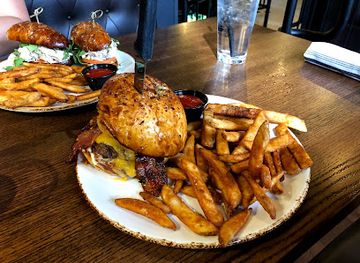
Best bars in The Inland Empire
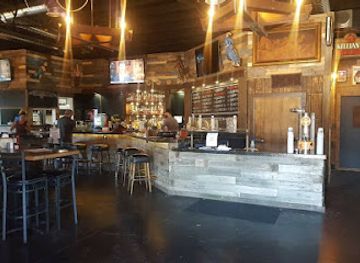
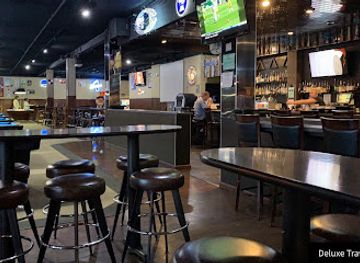
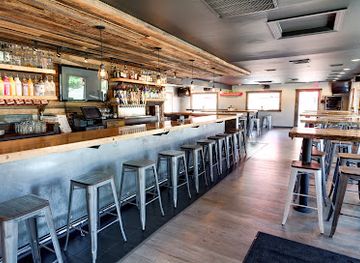
Nightlife is concentrated in Spokane, with the city offering the region’s widest range of cocktail bars, breweries, live-music rooms, theatre programmes and late-evening restaurants. Pullman has a youthful, university-shaped evening scene, particularly during the academic year, while Walla Walla’s nightlife centres more on wine bars, tasting rooms, restaurants and relaxed public houses than on large clubs. The Tri-Cities provides breweries, bars, live entertainment and waterfront dining across Kennewick, Pasco and Richland, although venues are dispersed rather than gathered in one compact district. In smaller Palouse and agricultural communities, evening life generally focuses on local taverns, cafés, community events and seasonal entertainment. Rural distances make a designated driver essential, and wine tasting should be arranged around safe transport rather than spontaneous driving between distant towns.
-
Restaurant
The Swinging Doors
Experience the vibrant flavors and inviting atmosphere at The Swinging Doors, one of Spokane's favorite dining destinations.
-
Grill
The Viking
Discover The Viking, Spokane's vibrant grill and pub, where delicious food meets a lively atmosphere in the heart of the city.
-
American
The Black Diamond
Experience the lively atmosphere and delicious American cuisine at The Black Diamond, Spokane Valley's premier gastropub and social hub.
-
Pub
The Backyard Public House
Experience the vibrant atmosphere and delicious flavors at The Backyard Public House, Spokane's favorite pub and restaurant.
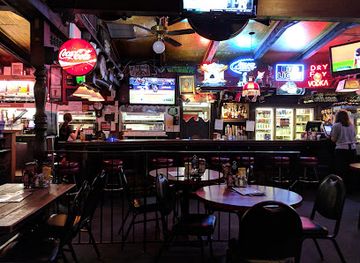
Best nightclubs in The Inland Empire
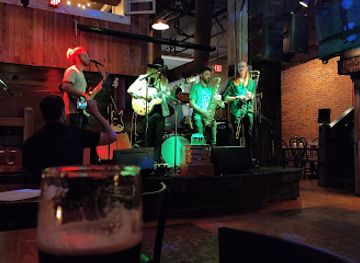
Nightlife is concentrated in Spokane, with the city offering the region’s widest range of cocktail bars, breweries, live-music rooms, theatre programmes and late-evening restaurants. Pullman has a youthful, university-shaped evening scene, particularly during the academic year, while Walla Walla’s nightlife centres more on wine bars, tasting rooms, restaurants and relaxed public houses than on large clubs. The Tri-Cities provides breweries, bars, live entertainment and waterfront dining across Kennewick, Pasco and Richland, although venues are dispersed rather than gathered in one compact district. In smaller Palouse and agricultural communities, evening life generally focuses on local taverns, cafés, community events and seasonal entertainment. Rural distances make a designated driver essential, and wine tasting should be arranged around safe transport rather than spontaneous driving between distant towns.
-
Comedy club
Spokane Comedy Club
Experience side-splitting comedy performances at the Spokane Comedy Club, a top destination for laughter in the heart of Downtown Spokane.
-
Lounge
ZOLA
Discover ZOLA, a cozy lounge in Downtown Spokane, offering delicious food, live music, and a vibrant atmosphere for a perfect night out.
-
Gay night club
nYne Bar & Bistro
Discover the vibrant nightlife at nYne Bar & Bistro, Spokane's premier gay nightclub and sports bar, known for its drag shows and lively atmosphere.
-
Night club
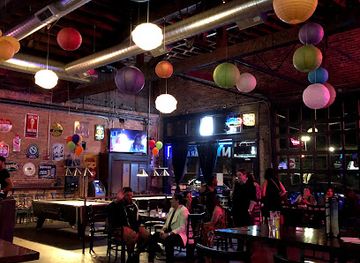
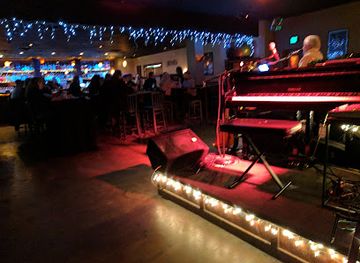
The Ridler Piano Bar
Discover the vibrant atmosphere of The Ridler Piano Bar in Spokane, where live music and craft cocktails create unforgettable nights.

Best shops in The Inland Empire
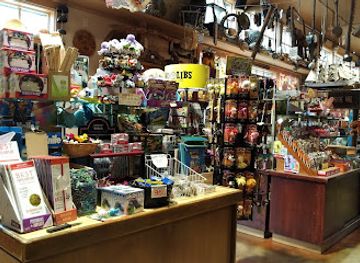
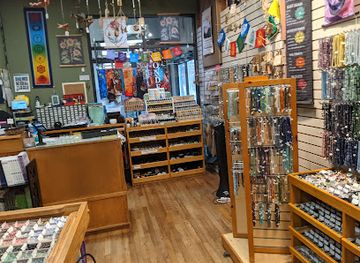
Shopping varies sharply between Spokane’s established urban districts, college-town Pullman, wine-country Walla Walla and the dispersed communities of the Columbia Basin. Spokane offers independent boutiques, bookshops, galleries, antiques, regional food retailers and larger commercial centres, with downtown and nearby neighbourhoods providing the greatest concentration of specialist shopping. Walla Walla is well suited to browsing tasting-room merchandise, art galleries, homeware, books and locally produced food, while Pullman has a smaller selection shaped by university life. The Tri-Cities has conventional retail centres alongside farmers’ markets, winery shops and outlets selling regional produce. Useful take-home products include Washington wine, craft beer, orchard fruit when in season, local preserves, wheat-based foods, artwork and practical outdoor goods. Rural farm stands can be excellent but may operate seasonally, accept limited payment methods or use self-service arrangements, so carry a card and some cash.
-
Shopping mall
Spokane Valley Mall
Explore Spokane Valley Mall for a unique shopping experience filled with diverse stores, delightful dining, and family-friendly entertainment.
-
Shopping mall
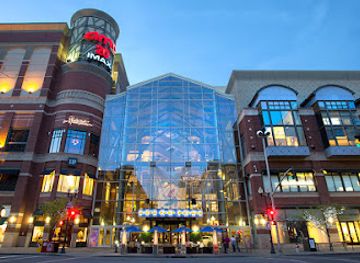
River Park Square
Explore River Park Square, Spokane's premier shopping mall, offering a unique blend of retail, dining, and entertainment in the heart of downtown.
-
Gift shop
Ye Olde Curiosity Shop
Explore Ye Olde Curiosity Shop, a unique Seattle gift shop offering an eclectic mix of souvenirs, Native American goods, and fascinating oddities.
-
Shopping mall
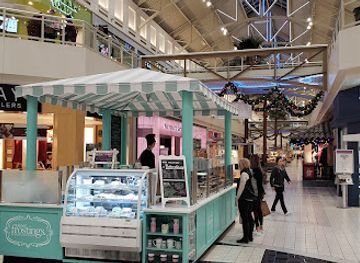
The Flour Mill
Discover Spokane's historic Flour Mill, a vibrant shopping mall with unique shops, local art, and delightful dining experiences on the riverside.
Get your free copy of our complete guide to The Inland Empire, delivered straight to you.
Everything on this page, from attractions and restaurants to essentials and local phrases, in one PDF you can read offline, print or share.
Already have an account? Sign in
Your The Inland Empire guide is ready.
We'll send it to · Not you? Sign out

Getting your guide ready…
We are putting together a fresh copy of the The Inland Empire guide. This can take up to a minute.
This can take a few moments. If your browser asks, choose Allow so the download can start. You'll find the guide in your Downloads folder.
Nothing happened? Download it again
Sorry, the guide is taking longer than usual. Please try again in a minute, or get it by email instead.
The Inland Empire essentials
Currency and Payment
Safety
Emergency Situations
Do's and Don'ts
Local Tips
From Eve
Local phrases worth knowing
You don't need to get them perfect. A few words go a long way, and locals appreciate the effort.
Basics
| English | Local | Say it |
|---|---|---|
| Hello | Hey there | [Hey ther] |
| Goodbye | See you later | [See ya lay-ter] |
| Yes | Yep | [Yep] |
| No | Nah | [Nah] |
| Please/You're welcome | No problem | [No prob-lem] |
| Thank you | Thanks a lot | [Thanks a lot] |
| Excuse me/Sorry | Sorry about that | [Sor-ry about that] |
| How are you? | How's it going? | [How's it go-ing?] |
| Fine. And you? | Good. You? | [Good. You?] |
| Do you speak English? | You speak English? | [You speak English?] |
| I don't understand | I don’t get it | [I don’t get it] |
Eating & Drinking
| English | Local | Say it |
|---|---|---|
| I'd like to see the menu, please | Can I see the menu? | [Can I see the men-u?] |
| I don't eat meat | I’m a vegetarian | [I’m a vege-tar-i-an] |
| Cheers! | Cheers! | [Cheers!] |
| I would like to pay, please | Can I get the check? | [Can I get the check?] |
Emergencies
| English | Local | Say it |
|---|---|---|
| Help! | Help! | [Help!] |
| Go away! | Leave me alone! | [Leave me a-lone!] |
| Call the Police! | Call the cops! | [Call the cops!] |
| Call a doctor! | Get a doctor! | [Get a doc-tor!] |
| I'm lost | I can’t find my way | [I can’t find my way] |
| I'm ill | I’m not feeling well | [I’m not feel-ing well] |
Shopping
| English | Local | Say it |
|---|---|---|
| I'd like to buy... | I want to buy... | [I want to buy...] |
| I'm just looking | Just browsing | [Just brows-ing] |
| How much is it? | What’s the price? | [What’s the price?] |
| That's too expensive | That’s way too much | [That’s way too much] |
| Can you lower the price? | Can you knock down the price? | [Can you knock down the price?] |
Time & Numbers
| English | Local | Say it |
|---|---|---|
| What time is it? | What time is it? | [What time is it?] |
| It's one o'clock | It’s one o’clock | [It’s one o’clock] |
| Half past (10) | Half past ten | [Half past ten] |
| Morning | Morning | [Morn-ing] |
| Afternoon | Afternoon | [Af-ter-noon] |
| Evening | Evening | [Eve-ning] |
| Yesterday | Yesterday | [Yes-ter-day] |
| Today | Today | [To-day] |
| Tomorrow | Tomorrow | [To-mor-row] |
| 1 | One | [One] |
| 2 | Two | [Two] |
| 3 | Three | [Three] |
| 4 | Four | [Four] |
| 5 | Five | [Five] |
| 6 | Six | [Six] |
| 7 | Seven | [Seven] |
| 8 | Eight | [Eight] |
| 9 | Nine | [Nine] |
| 10 | Ten | [Ten] |
Transport & Directions
| English | Local | Say it |
|---|---|---|
| Where's a/the...? | Where’s the...? | [Where’s the...?] |
| What's the address? | What’s the address? | [What’s the ad-dress?] |
| Can you show me (on the map)? | Can you point it out? | [Can you point it out?] |
| When's the next (bus)? | When’s the next bus? | [When’s the next bus?] |
| A ticket (to ....) | A ticket to... | [A tick-et to...] |
History of The Inland Empire
Indigenous Homelands and River Networks
Long before American settlement, eastern Washington was home to Indigenous nations whose communities were connected by the Columbia, Snake and Spokane river systems. The Spokane, Colville, Yakama, Nez Perce and Palouse peoples, among others, developed seasonal economies based on fishing, gathering, hunting and trade. River crossings and fishing places were also important cultural and diplomatic centres. The arrival of settlers, military authorities and restrictive federal policies caused dispossession, disruption and profound demographic change, but Indigenous communities remain active throughout the region and continue to shape its cultural life.
Fur Trade, Missions and Early Exploration
In the early nineteenth century, fur-trading companies and missionaries entered the interior along established Indigenous routes. Fort Nez Percés, established by the Hudson’s Bay Company near the confluence of the Walla Walla and Columbia rivers, became an important trading post and meeting place, although the original site lies at present-day Waiilatpu near the Washington-Oregon border. Missionary activity and increasing overland migration brought new religious, commercial and political pressures, contributing to conflict and the rapid transformation of Indigenous-controlled landscapes.
Territorial Settlement and Conflict
During the nineteenth century, American migration, military expansion and treaty-making incorporated eastern Washington into the United States. Conflicts including the 1855–1858 Yakima War and the Nez Perce War of 1877 reflected resistance to the loss of land and autonomy. Fort Walla Walla and other military installations supported federal control, while settler towns developed along rivers and emerging transport routes. The region’s modern geography cannot be understood without recognising that agriculture, towns and infrastructure were built amid contested treaty relationships and the forced relocation of Indigenous peoples.
Railways, Spokane and the Inland Empire Economy
Railway construction in the late nineteenth century transformed eastern Washington. Spokane grew rapidly as lines connected the interior with Pacific Northwest ports and eastern markets, becoming a centre for banking, wholesale trade, timber, mining supplies and agricultural commerce. Walla Walla, founded earlier as a trading and agricultural town, retained its own commercial importance, while rail links encouraged settlement across the Palouse. The term Inland Empire came to describe this productive interior, whose wheat, livestock, timber and mineral economies tied dispersed communities to Spokane and the wider national market.
Irrigation, Dams and Columbia Basin Transformation
The twentieth century brought large-scale irrigation and hydroelectric development to the Columbia Basin. Projects associated with the Columbia Basin Project redirected water to formerly arid land, supporting orchards, vineyards and other intensive agriculture. Grand Coulee Dam, completed in stages from the 1930s, became a major source of electricity and irrigation infrastructure, while dams throughout the Columbia and Snake systems altered fish migration, river ecology and Indigenous fishing practices. The resulting landscape of reservoirs, canals and farms remains one of the most consequential transformations in eastern Washington.
Hanford and the Nuclear Era
During the Second World War, the federal government established the Hanford Engineer Works to produce plutonium for the Manhattan Project. The pre-existing community of Hanford was removed, and a secret industrial complex developed along the Columbia near present-day Richland. Hanford later became one of the largest environmental clean-up projects in the United States, with continuing scientific, engineering and ecological significance. The site’s history is interpreted through authorised programmes and museums in the Tri-Cities, while much of the former complex remains restricted.
Wine, Universities and Economic Diversification
From the late twentieth century, eastern Washington’s economy broadened beyond wheat, timber and heavy industry. Washington State University strengthened Pullman’s role as a centre for research and education, while viticulture expanded in the dry, irrigated landscapes around Walla Walla, the Tri-Cities and other Columbia Basin districts. Craft brewing, technology, health services, outdoor recreation and heritage tourism added further strands to the regional economy. These developments have not displaced agriculture; instead, they have added new cultural and commercial identities to a region still shaped by working land and major rivers.
The Inland Empire in Photos
Browse through our photo collection highlighting the charm and character of the destination.
Neighbouring regions of The Inland Empire
The closest regions to The Inland Empire, if you have time for more than one.
-
 Central Washington
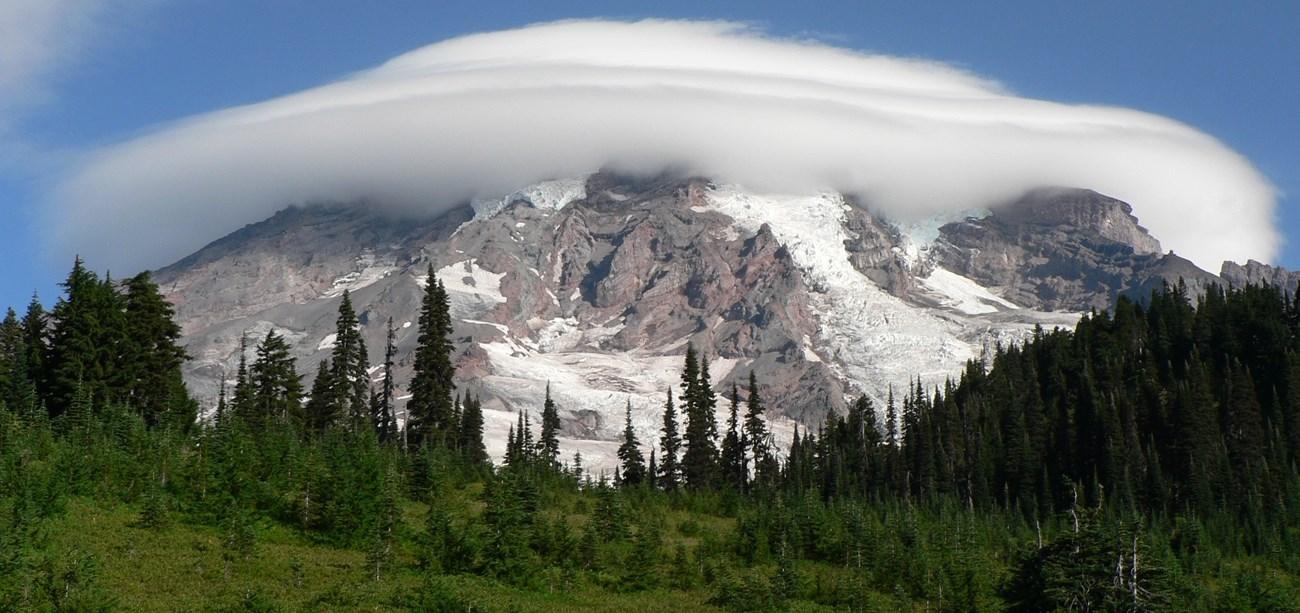
Explore Central Washington for mountain towns, orchard valleys, Columbia Plateau landscapes, river recreation, wine and farm-to-table flavours.
Central Washington
Explore Central Washington for mountain towns, orchard valleys, Columbia Plateau landscapes, river recreation, wine and farm-to-table flavours.
-

-

-

-


Swipe for more regions
Explore more

Explore more of Washington
Explore Washington State: From the vibrant streets of Seattle to the tranquil beauty of the Olympic Peninsula, discover the diverse landscapes, culture, and adventures awaiting you.
Explore Washington