

Free Eastern Washington Travel Guide & Mobile App
Explore Eastern Washington with free travel guides. Discover regional history, expert tips, proposed trips, and audio guides on web or mobile app.


Discover Eastern Washington: A blend of scenic landscapes, charming small towns, and rich history, perfect for a serene getaway or an adventurous escape.
Read more about Eastern Washington
Getting to and around Eastern Washington
How to get there
Transportation
Top city travel guides in Eastern Washington
The cities of Eastern Washington, and the easiest places to base yourself.
-

-

-

-

-

-


Swipe for more cities
Destinations in Eastern Washington
Resorts, valleys and scenic spots worth a trip of their own.
-
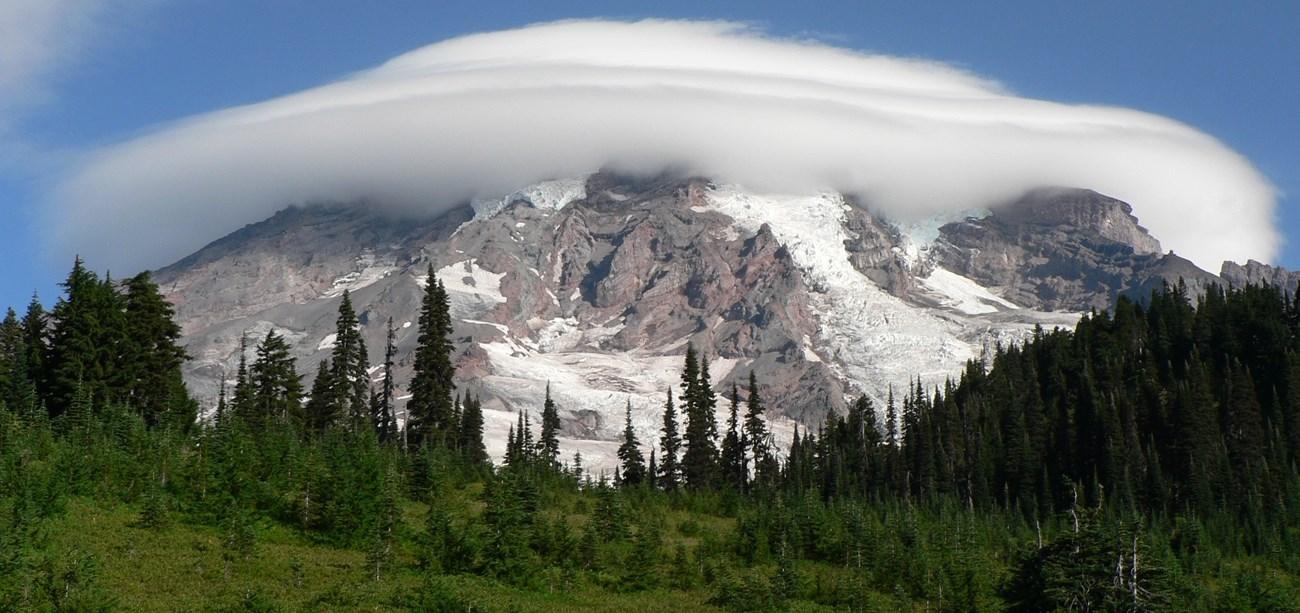
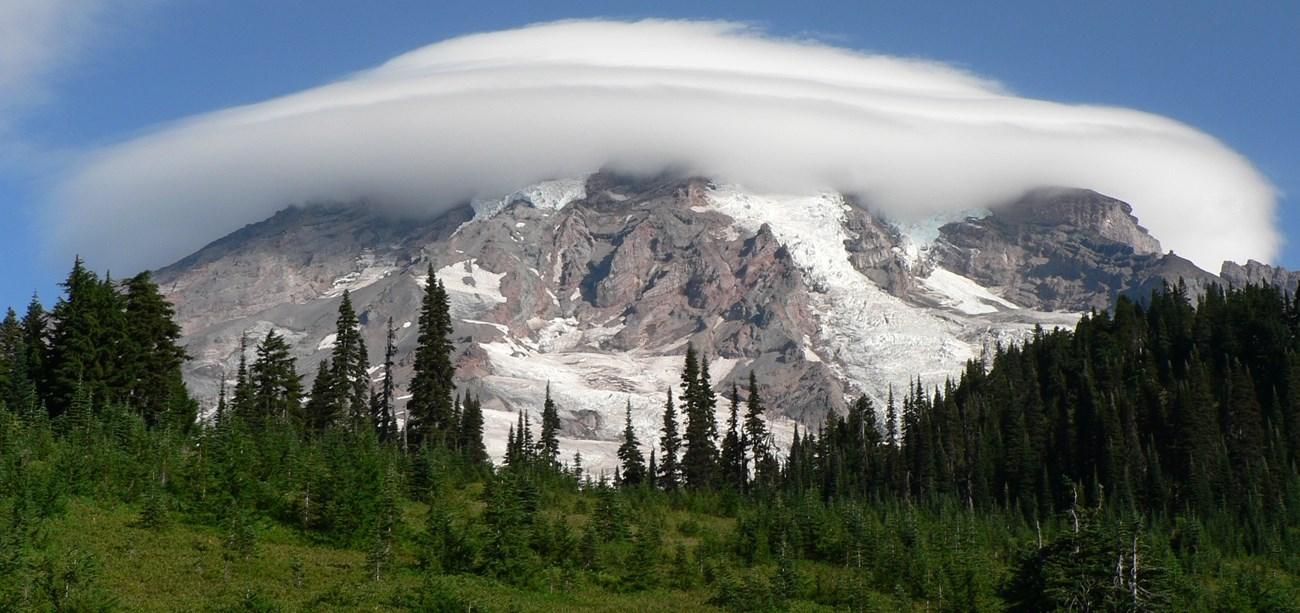 Mount Rainier National Park
 in Washington offers glacier-clad peaks, wildflower meadows, old-growth forests, scenic drives, hiking and heritage.
Mount Rainier National Park
Mount Rainier National Park in Washington offers glacier-clad peaks, wildflower meadows, old-growth forests, scenic drives, hiking and heritage.
-
-

-
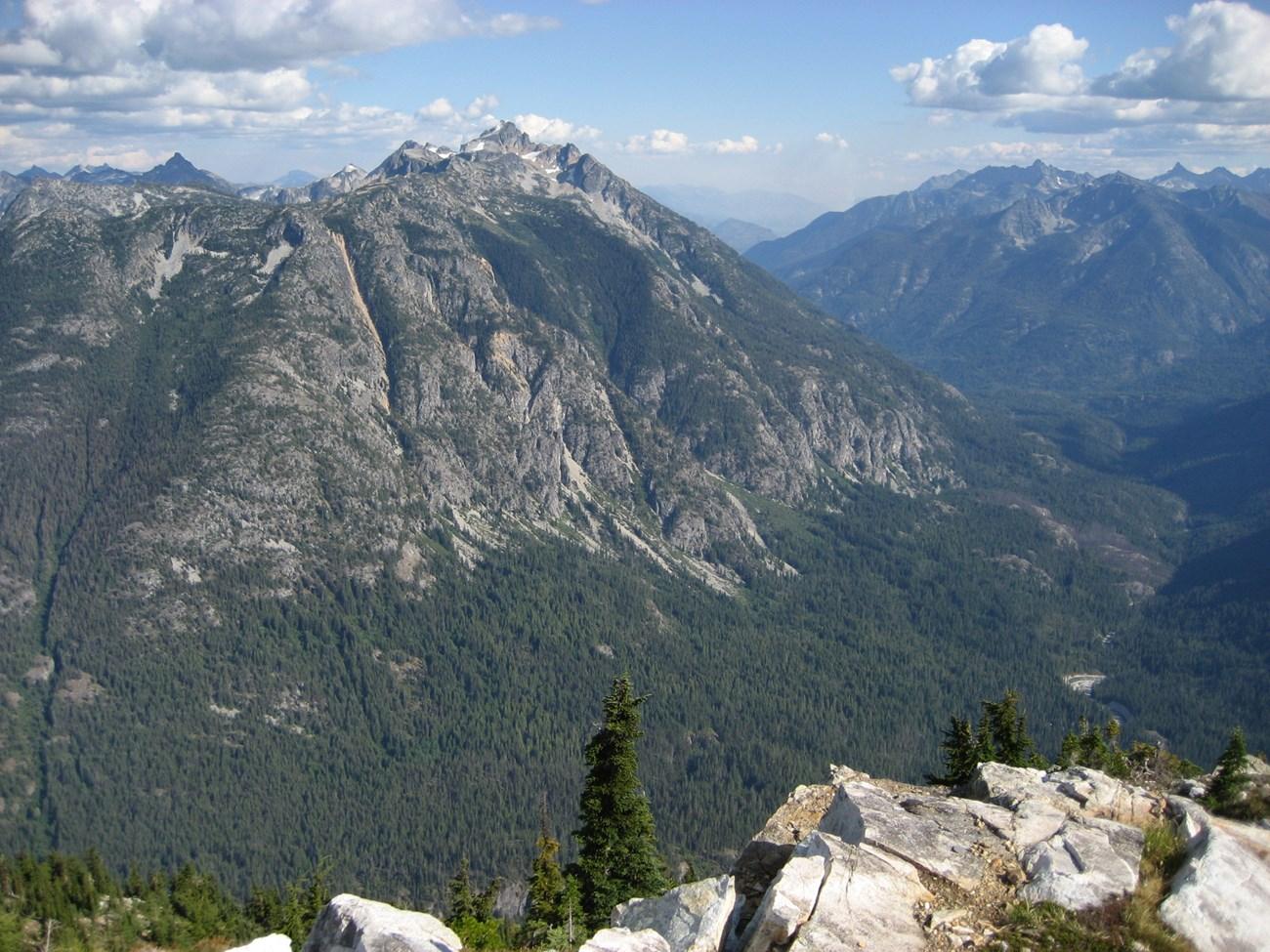 North Cascades National Park
 in Washington offers glaciers, alpine lakes, jagged peaks, wilderness trails and scenic drives through the American mountains.
North Cascades National Park
North Cascades National Park in Washington offers glaciers, alpine lakes, jagged peaks, wilderness trails and scenic drives through the American mountains.
-

-


Swipe for more destinations
Best attractions in Eastern Washington
Eastern Washington, a region rich in natural beauty and historical intrigue, offers visitors an array of attractions that capture the essence of the Pacific Northwest. Explore the vibrant city of Spokane, where the Spokane Falls roar through the heart of downtown, and enjoy the artsy atmosphere and local breweries. Discover the rolling landscapes of the Palouse, a photographer's paradise with its undulating hills and vibrant hues. For a glimpse into the past, visit the Whitman Mission National Historic Site, where you can learn about the region’s complex history at the site of one of the first missionary settlements. Outdoor enthusiasts will delight in the majestic beauty of the Columbia River Gorge, perfect for hiking, fishing, and experiencing breathtaking vistas. Don't miss the chance to wander through the charming town of Walla Walla, renowned for its award-winning wineries and delightful culinary scene. Whether you're exploring the rugged terrain of the Okanogan-Wenatchee National Forest or marveling at the ancient geological formations of the Dry Falls, Eastern Washington promises an unforgettable journey through a landscape filled with both tranquility and adventure.
-
Park
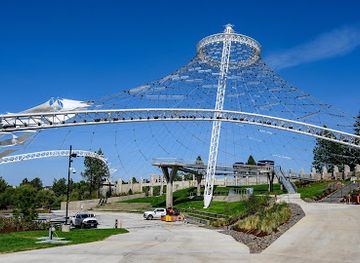
Riverfront Park
Explore Riverfront Park in Spokane for breathtaking views, recreational activities, and a vibrant cultural scene in a stunning urban oasis.
-
Botanical garden
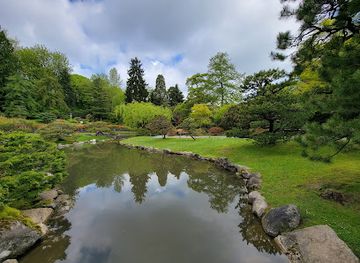
Washington Park Arboretum
Discover the tranquil beauty of Washington Park Arboretum, a botanical garden in Seattle with diverse plant collections and serene landscapes.
-
Tourist attraction
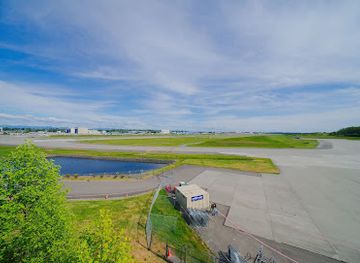
Boeing Future of Flight
Discover aviation's past, present, and future at Boeing Future of Flight, the ultimate destination for aviation enthusiasts in Mukilteo, Washington.
-
Tourist attraction
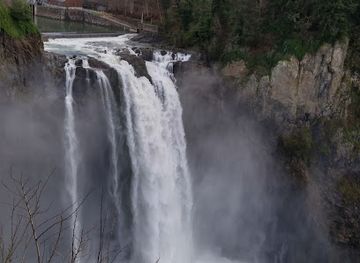
Snoqualmie Falls
Explore the breathtaking Snoqualmie Falls, a natural wonder in Washington known for its stunning waterfall, hiking trails, and picturesque picnic areas.
Best landmarks in Eastern Washington
Eastern Washington is a treasure trove of natural beauty and historical intrigue, offering visitors a diverse array of landmarks that capture the spirit of the region. Begin your journey at the breathtaking Palouse Falls, where cascading waters plunge into a dramatic canyon, creating a scene straight out of a postcard. Venture to the Grand Coulee Dam, a marvel of modern engineering that not only generates power but also narrates stories of its construction era. Explore the rolling hills of the Palouse region, famous for their unique topography and vibrant agricultural landscapes that change with the seasons, providing a feast for the eyes. Discover the Hanford Reach National Monument, a sanctuary for wildlife and a window into the region's pivotal role in the Manhattan Project during World War II. For a taste of local history, visit the charming town of Walla Walla, renowned for its wineries and historic architecture, or the Whitman Mission National Historic Site, which echoes the tales of early pioneers and their quests. Eastern Washington invites you to immerse yourself in its rich tapestry of natural wonders and historical narratives, making it an unforgettable destination for curious travelers.
-
Observation deck
Space Needle
Discover breathtaking views and the iconic architecture of Seattle at the Space Needle, a must-visit tourist attraction.
-
National park
Mount Rainier National Park
Explore the breathtaking landscapes, diverse wildlife, and endless adventures at Mount Rainier National Park in Washington, a must-visit destination for nature lovers.
-
Tourist attraction
Snoqualmie Falls
Experience the breathtaking beauty of Snoqualmie Falls, a majestic waterfall surrounded by lush nature and scenic hiking trails in Washington State.
-
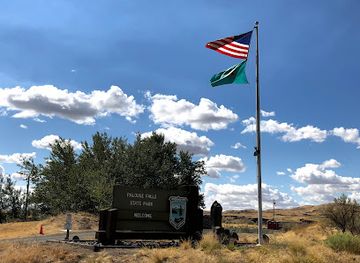
State park
Palouse Falls State Park
Explore the stunning Palouse Falls State Park, a natural wonder in Washington featuring breathtaking waterfalls and scenic trails for all adventurers.


Explore Eastern Washington on the map
Plan your trip on one map. See where the top cities, national parks and sights are, and book hotels and experiences in a few clicks.
Best hotels in Eastern Washington
Best restaurants in Eastern Washington
Eastern Washington's dining scene is a captivating blend of rustic charm and innovative culinary experiences, offering visitors a taste of the region's bountiful harvests and diverse cultural influences. Nestled amid the rolling hills and sprawling vineyards, you'll discover farm-to-table eateries that celebrate the area's rich agricultural heritage, serving dishes crafted from locally sourced ingredients like fresh asparagus, sweet cherries, and succulent apples. For those seeking an authentic taste of the Pacific Northwest, the region's wineries and craft breweries provide an array of artisanal beverages that pair perfectly with the local cuisine. Additionally, the influence of various immigrant communities is evident in the eclectic mix of flavors, from the robust spices of Mexican cuisine to the delicate nuances of Asian-inspired dishes. Whether you're dining in a cozy café in Spokane, savoring a gourmet meal in Walla Walla, or exploring the burgeoning food scene in the Tri-Cities, Eastern Washington promises a gastronomic journey that is as diverse and dynamic as its breathtaking landscapes.
-
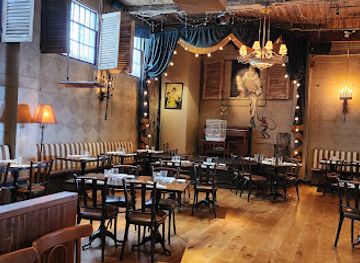
Italian
The Pink Door
Experience exquisite Italian cuisine at The Pink Door in Seattle, where delightful dishes meet captivating performances in an enchanting atmosphere.
-
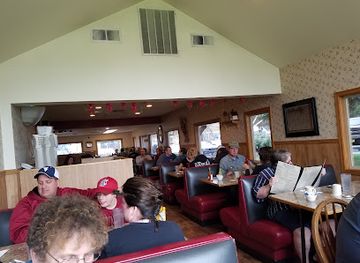
Lounge
Cottage Cafe & Fireside Lounge
Experience comfort dining at Cottage Cafe & Fireside Lounge in Cle Elum, WA – your go-to spot for delicious breakfasts and cozy gatherings.
-
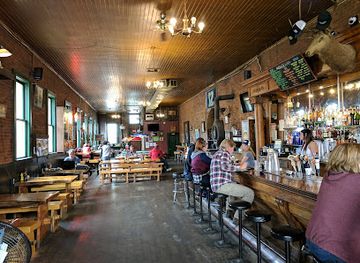
Pub
The Brick Saloon
Experience the warmth of community at The Brick Saloon in Roslyn - where delicious food meets inviting atmosphere.
-
Restaurant
Yodelin Broth Company and Beer Garden
Experience hearty soups and craft beers at Yodelin Broth Company in charming Leavenworth - a must-visit for food lovers!
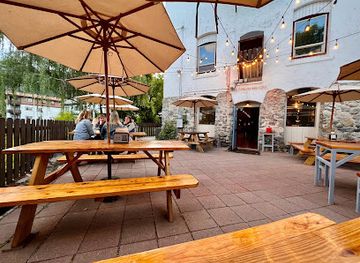
Best bars in Eastern Washington
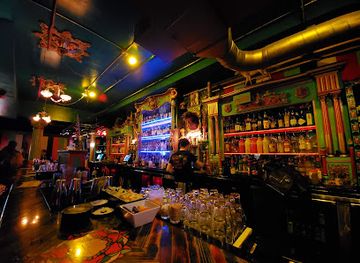
Eastern Washington's nightlife scene is a vibrant tapestry of local charm and eclectic venues, offering a unique blend of experiences for visitors. In the heart of Spokane, the largest city in the region, you'll find a dynamic mix of craft breweries and lively bars, such as the historic Maryhill Winery Tasting Room & Bistro, where you can sip on award-winning local wines while enjoying live music. For those seeking a more intimate setting, the speakeasy-style Volstead Act invites guests to step back in time with its Prohibition-era cocktails and vintage décor. Venture further to the college town of Pullman, where the youthful energy translates into bustling pubs and spirited nightlife, including popular spots like Rico's Public House, known for its warm atmosphere and extensive beer selection. Meanwhile, budding artists and music enthusiasts flock to Walla Walla, where a thriving arts scene and cozy wine bars create a perfect backdrop for a laid-back evening. Whether you're savoring handcrafted ales in a rustic taproom or dancing the night away at a lively club, Eastern Washington's nightlife promises an unforgettable adventure amid its scenic landscapes.
-
Bar
Unicorn
Experience the magic of Unicorn, Seattle's eclectic bar offering creative cocktails and a whimsical atmosphere in the heart of Capitol Hill.
-
New American
Woodblock
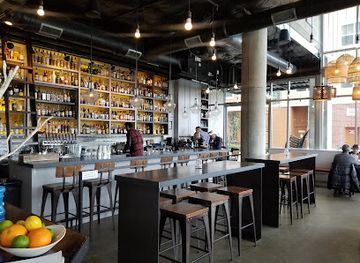
Discover the vibrant flavors of Woodblock, a New American restaurant in Redmond, WA, known for its innovative brunch and cocktail menu.
-
Pub
The Brick Saloon
Discover the charm of The Brick Saloon in Roslyn, WA - the oldest pub in the state, offering delicious food and local brews in a historic setting.
-
Pub
The Black Duck Cask and Bottle
Experience the best of Washington's pub culture at The Black Duck Cask and Bottle, known for its exceptional food, craft beers, and vibrant atmosphere.


Best nightclubs in Eastern Washington
Eastern Washington's nightlife scene is a vibrant tapestry of local charm and eclectic venues, offering a unique blend of experiences for visitors. In the heart of Spokane, the largest city in the region, you'll find a dynamic mix of craft breweries and lively bars, such as the historic Maryhill Winery Tasting Room & Bistro, where you can sip on award-winning local wines while enjoying live music. For those seeking a more intimate setting, the speakeasy-style Volstead Act invites guests to step back in time with its Prohibition-era cocktails and vintage décor. Venture further to the college town of Pullman, where the youthful energy translates into bustling pubs and spirited nightlife, including popular spots like Rico's Public House, known for its warm atmosphere and extensive beer selection. Meanwhile, budding artists and music enthusiasts flock to Walla Walla, where a thriving arts scene and cozy wine bars create a perfect backdrop for a laid-back evening. Whether you're savoring handcrafted ales in a rustic taproom or dancing the night away at a lively club, Eastern Washington's nightlife promises an unforgettable adventure amid its scenic landscapes.
-
Night club
Sarajevo Nightclub
Discover Seattle's lively Sarajevo Nightclub, where vibrant music and a spacious dance floor create an unforgettable nightlife experience.
-
Night club
Globe Nightclub
Experience the vibrant nightlife of Spokane at Globe Nightclub, where music and dance come alive in an electrifying atmosphere.
-
Night club
Havana Nightclub
Discover Seattle's pulsating nightlife at Havana Nightclub, where vibrant music, delicious cocktails, and an electrifying atmosphere await.
-
Night club
The Mercury @ MachineWerks
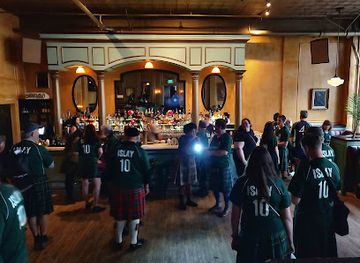
Discover Seattle's vibrant nightlife at The Mercury @ MachineWerks, a premier night club in the Pike/Pine neighborhood with great music and a welcoming atmosphere.



Best shops in Eastern Washington
Eastern Washington offers a unique and eclectic shopping experience that marries the charm of small-town boutiques with the allure of local craftsmanship and the vibrancy of bustling farmers' markets. Visitors can explore the quaint streets of Spokane’s historic districts, where vintage shops and art galleries line the avenues, or venture to the Uniontown Artisan Barn, a creative haven where local artists display their handmade wares. For those seeking fresh produce and artisan foods, the farmers' markets in Walla Walla and Wenatchee offer a cornucopia of flavors, from farm-fresh fruits and gourmet cheeses to local wines and handcrafted goods. Antique enthusiasts will relish the treasure trove of collectibles found in small towns like Colfax and Waitsburg, where each shop tells a story of the region's rich past. Whether you're hunting for unique souvenirs, artisanal creations, or simply soaking in the local culture, Eastern Washington’s diverse shopping scene promises an unforgettable experience.
-
Outlet mall
Seattle Premium Outlets
Discover unbeatable deals at Seattle Premium Outlets, where over 130 brand-name stores await your visit in Tulalip, Washington.
-
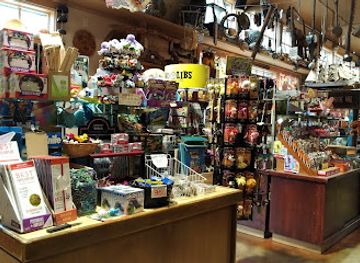
Gift shop
Ye Olde Curiosity Shop
Explore the eclectic treasures of Ye Olde Curiosity Shop, a unique Seattle destination filled with gifts, artifacts, and curiosities from around the world.
-
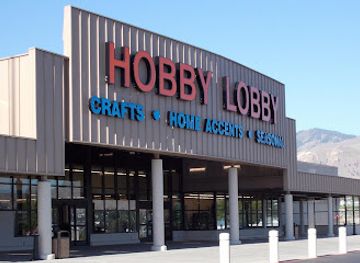
Craft store
Hobby Lobby
Unleash your creativity at Hobby Lobby, the ultimate destination for crafts, fabrics, and unique home décor in East Wenatchee.
-
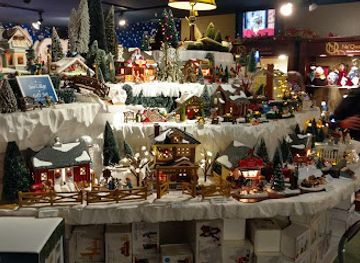
Christmas store
Kris Kringl
Discover Kris Kringl, a magical Christmas store in Leavenworth, WA, filled with unique ornaments and festive treasures all year round.

Get your free copy of our complete guide to Eastern Washington, delivered straight to you.
Everything on this page, from attractions and restaurants to essentials and local phrases, in one PDF you can read offline, print or share.
Already have an account? Sign in
Your Eastern Washington guide is ready.
We'll send it to · Not you? Sign out

Getting your guide ready…
We are putting together a fresh copy of the Eastern Washington guide. This can take up to a minute.
This can take a few moments. If your browser asks, choose Allow so the download can start. You'll find the guide in your Downloads folder.
Nothing happened? Download it again
Sorry, the guide is taking longer than usual. Please try again in a minute, or get it by email instead.
Eastern Washington essentials
Currency and Payment
Safety
Emergency Situations
Do's and Don'ts
Local Tips
From Eve
Local phrases worth knowing
You don't need to get them perfect. A few words go a long way, and locals appreciate the effort.
Basics
| English | Local | Say it |
|---|---|---|
| Hello | Hey there | [Hay thair] |
| Goodbye | See ya later | [See ya lay-tur] |
| Yes | Yep | [Yep] |
| No | Nah | [Nah] |
| Please/You’re welcome | Sure thing | [Shur thing] |
| Thank you | Thanks a lot | [Thangs a lot] |
| Excuse me/Sorry | My bad | [My bad] |
| How are you? | How's it going? | [How's it goin'?] |
| Fine. And you? | I'm good, you? | [I'm good, you?] |
| Do you speak English? | Do ya speak English? | [Do ya speak English?] |
| I don't understand | I don’t get it | [I don’t get it] |
Eating & Drinking
| English | Local | Say it |
|---|---|---|
| I'd like to see the menu, please | Can I see the menu? | [Can I see the menu?] |
| I don't eat meat | I'm a vegetarian | [I'm a veg-e-tarian] |
| Cheers! | Cheers! | [Cheers!] |
| I would like to pay, please | Can I get the check? | [Can I get the check?] |
Emergencies
| English | Local | Say it |
|---|---|---|
| Help! | Help! | [Help!] |
| Go away! | Leave me alone! | [Leave me alone!] |
| Call the Police! | Call the cops! | [Call the cops!] |
| Call a doctor! | Get a doctor! | [Get a doctor!] |
| I'm lost | I’m turned around | [I’m turned around] |
| I'm ill | I’m not feeling well | [I’m not feeling well] |
Shopping
| English | Local | Say it |
|---|---|---|
| I'd like to buy... | I wanna buy... | [I wanna buy...] |
| I'm just looking | Just browsing | [Just browsing] |
| How much is it? | What’s the price? | [What’s the price?] |
| That's too expensive | That's way too pricey | [That's way too pricey] |
| Can you lower the price? | Can ya make it cheaper? | [Can ya make it cheaper?] |
Time & Numbers
| English | Local | Say it |
|---|---|---|
| What time is it? | What time ya got? | [What time ya got?] |
| It's one o'clock | It's one o'clock | [It's one o'clock] |
| Half past (10) | Half past ten | [Half past ten] |
| Morning | Morning | [Morning] |
| Afternoon | Afternoon | [Afternoon] |
| Evening | Evening | [Evening] |
| Yesterday | Yesterday | [Yesterday] |
| Today | Today | [Today] |
| Tomorrow | Tomorrow | [Tomorrow] |
| 1 | One | [One] |
| 2 | Two | [Two] |
| 3 | Three | [Three] |
| 4 | Four | [Four] |
| 5 | Five | [Five] |
| 6 | Six | [Six] |
| 7 | Seven | [Seven] |
| 8 | Eight | [Eight] |
| 9 | Nine | [Nine] |
| 10 | Ten | [Ten] |
Transport & Directions
| English | Local | Say it |
|---|---|---|
| Where's a/the...? | Where's the nearest...? | [Where's the nearest...?] |
| What's the address? | What’s the address? | [What’s the address?] |
| Can you show me (on the map)? | Can you point it out? | [Can you point it out?] |
| When's the next (bus)? | When’s the next bus? | [When’s the next bus?] |
| A ticket (to ....) | One ticket to... | [One ticket to...] |
History of Eastern Washington
Native American Heritage
Eastern Washington has been home to various Native American tribes for thousands of years, including the Spokane, Yakama, and Nez Perce tribes. These tribes thrived on the region's abundant natural resources, developing rich cultural traditions and intricate social structures. The area is dotted with significant archaeological sites, petroglyphs, and tribal lands that showcase the deep-rooted history of these indigenous peoples.
Lewis and Clark Expedition
The Lewis and Clark Expedition, commissioned by President Thomas Jefferson in 1804, traversed Eastern Washington in 1805. This historic journey marked the first American expedition to cross the western portion of the United States. The explorers mapped the area, established relations with Native American tribes, and documented the region's flora and fauna. Their journey through Eastern Washington significantly contributed to the westward expansion of the United States.
The Arrival of Fur Traders
In the early 19th century, fur traders from the Hudson's Bay Company and the North West Company began to explore Eastern Washington. They established trading posts, such as Fort Nez Percés (also known as Fort Walla Walla), which became vital centers for trade between Native Americans and Europeans. The fur trade era brought significant changes to the region's economy and interactions between different cultures.
The Oregon Trail
The Oregon Trail, one of the most famous migration routes in American history, passed through Eastern Washington. Thousands of pioneers traveled this arduous path in the mid-19th century, seeking new opportunities in the Pacific Northwest. The trail's presence in Eastern Washington is commemorated by numerous historical markers and interpretive centers that provide insights into the hardships and triumphs of the pioneers.
Railroad Expansion
The late 19th century saw the rapid expansion of the railroad system in Eastern Washington. The Northern Pacific Railway, completed in 1883, connected the region to the rest of the country, facilitating economic growth and population influx. Towns like Spokane and Walla Walla flourished as transportation hubs, and the railroads played a crucial role in the agricultural and industrial development of Eastern Washington.
Grand Coulee Dam
Completed in 1942, the Grand Coulee Dam is one of the most significant engineering feats in the United States. Located on the Columbia River, it is the largest concrete structure in North America. The dam was constructed as part of the New Deal's public works projects and provides hydroelectric power, irrigation, and flood control for the region. Its construction transformed the economy and landscape of Eastern Washington, making it a pivotal landmark in the area's history.
Hanford Site and the Manhattan Project
During World War II, the Hanford Site in Eastern Washington became a critical component of the Manhattan Project, the secret U.S. government program to develop the atomic bomb. Established in 1943, the site produced plutonium for the bomb dropped on Nagasaki, Japan. Today, the Hanford Site is a key location for nuclear waste cleanup efforts and offers tours that provide a glimpse into its historical significance and ongoing environmental challenges.
Eastern Washington in Photos
Browse through our photo collection highlighting the charm and character of the destination.
Neighbouring regions of Eastern Washington
The closest regions to Eastern Washington, if you have time for more than one.
-

-

-

-

-
 Central Washington
Explore Central Washington for mountain towns, orchard valleys, Columbia Plateau landscapes, river recreation, wine and farm-to-table flavours.
Central Washington
Explore Central Washington for mountain towns, orchard valleys, Columbia Plateau landscapes, river recreation, wine and farm-to-table flavours.


Swipe for more regions
Explore more

Explore more of Washington
Explore Washington State: From the vibrant streets of Seattle to the tranquil beauty of the Olympic Peninsula, discover the diverse landscapes, culture, and adventures awaiting you.
Explore Washington