

Free Fairmont Travel Guide & Mobile App
Plan your Fairmont trip with Evendo. Get free guides to top attractions, restaurants, hotels, and bars. Web access or download the mobile app.


Fairmont, West Virginia, blends coal-country history, pepperoni-roll tradition, riverfront parks and Appalachian culture near North Central West Virginia.
River City and Regional Character
Fairmont stands in north-central West Virginia where the West Fork and Tygart Valley rivers meet to form the Monongahela. Its landscape of wooded hills, steep valleys and winding waterways gives the city a distinctly Appalachian setting, while its position between Morgantown and Clarksburg makes it a useful base for exploring the wider region. The compact centre includes older commercial buildings, civic landmarks and streets shaped by the city's growth as a transport and coal-market town.Read more about Fairmont
Coal, Culture and Community
Historic Sites and Outdoor Escapes
When is the best time to visit Fairmont?
Best: June, August–September · 24–28°C| Month | High (°C) | Rainfall (mm) |
|---|---|---|
| January | 4 | 83 |
| February | 6 | 76 |
| March | 12 | 95 |
| April | 18 | 95 |
| May | 22 | 100 |
| June (best) | 26 | 102 |
| July | 28 | 108 |
| August (best) | 28 | 94 |
| September (best) | 24 | 85 |
| October | 18 | 81 |
| November | 12 | 89 |
| December | 6 | 86 |
Getting to and around Fairmont
How to get there
Transportation
Best attractions in Fairmont
Fairmont's attractions combine local history, riverside recreation and Appalachian landscapes. Prickett's Fort State Park, just outside the urban centre, recreates an eighteenth-century frontier fort and includes interpretive programmes, woodland surroundings and the historic Job Prickett House. In town, Palatine Park stretches along the Monongahela and hosts community events, concerts and opportunities to enjoy the riverfront. The Marion County Historical Society's museum offers further insight into local settlement, industry and family history, while Fairmont State University contributes exhibitions, performances and a collegiate atmosphere. Downtown is best appreciated as a walk through an older county-seat landscape of commercial buildings, churches and civic spaces rather than as a collection of isolated monuments. For outdoor scenery, Valley Falls State Park lies a short drive beyond Fairmont and combines waterfalls, forest trails and a historic mill setting. The West Virginia Botanic Garden near Morgantown is another regional excursion, not a Fairmont attraction itself.
-
Tourist attraction
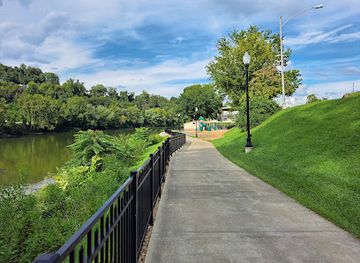
Palatine Park
Explore the lush landscapes and recreational opportunities at Palatine Park, a serene escape in Fairmont, West Virginia.
16 min walk · 1.2 km from city centre
-
Tourist attraction
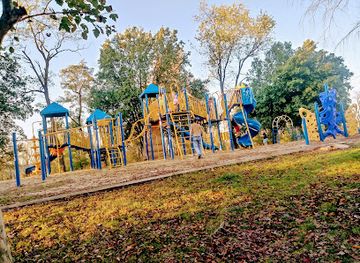
East Marion Park
Explore the natural beauty and recreational charm of East Marion Park in Fairmont, West Virginia, a perfect getaway for relaxation and fun.
6 min drive · 1.9 km from city centre
-
Tourist attraction
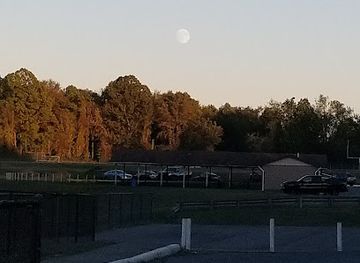
Windmill Park
Explore Windmill Park in Fairmont, West Virginia – a serene haven with scenic views, walking trails, and family-friendly picnic spots.
6 min drive · 2.1 km from city centre
-
Tourist attraction
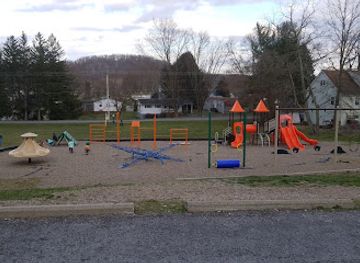
Bellview Park
Explore the natural beauty and tranquility of Bellview Park in Fairmont, West Virginia, a perfect spot for relaxation and outdoor activities.
9 min drive · 3.0 km from city centre
Best landmarks in Fairmont
Fairmont's most meaningful landmarks reflect its river setting, county-seat role and industrial past. The Marion County Courthouse anchors the civic identity of the city and belongs to a downtown landscape shaped by nineteenth- and early twentieth-century growth. Palatine Park is a contemporary riverfront landmark at the confluence of the West Fork and Tygart Valley rivers, linking public recreation with the geography that first supported settlement. Prickett's Fort State Park preserves a reconstructed frontier fort and the Job Prickett House, interpreting the fortified settlements of the late eighteenth century rather than presenting a surviving colonial town. Fairmont State University's historic campus buildings represent the state's long investment in teacher education and public higher learning. The older commercial streets and churches around central Fairmont complete the architectural picture, showing how coal wealth, commerce and civic institutions influenced the city's form.
-
Southern Italian
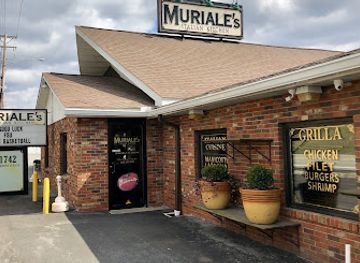
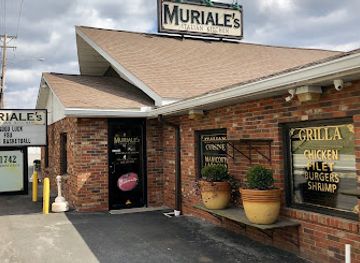
Muriale's Italian Kitchen
Discover the heart of Southern Italy at Muriale's Italian Kitchen, where every meal is a celebration of authentic flavors and warm hospitality.
11 min drive · 3.6 km from city centre
-
American
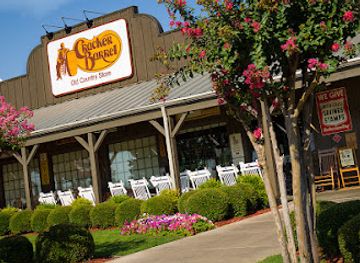
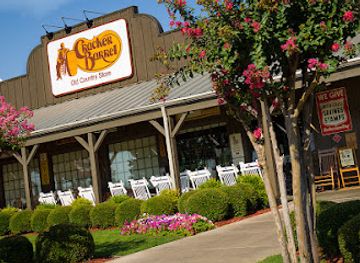
Cracker Barrel Old Country Store
Experience the warmth of Southern hospitality at Cracker Barrel Old Country Store in Fairmont, offering delicious meals and unique gifts.
13 min drive · 4.3 km from city centre
-
Diner
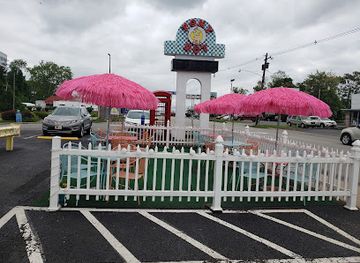
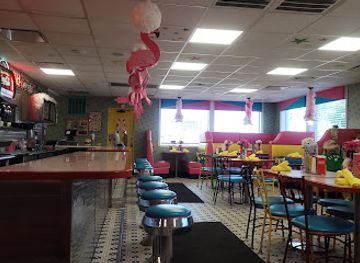
Poky Dot
Savor the flavors of Fairmont at Poky Dot, a charming diner serving hearty comfort food in a vibrant atmosphere.
11 min walk · 0.9 km from city centre
-
Breakfast
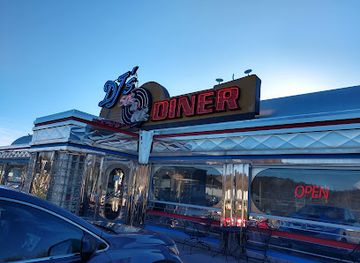
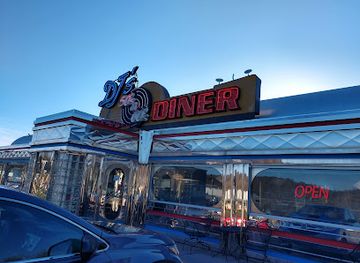
DJ's 50'S & 60'S Diner
Experience delightful breakfasts and nostalgic vibes at DJ's 50's & 60's Diner in Fairmont, a must-visit for classic diner enthusiasts.
11 min drive · 3.7 km from city centre
Explore Fairmont on the map
Plan your Fairmont trip on one map. See where the top attractions, landmarks, restaurants, bars and hotels are, find what's near where you're staying, and book hotels and experiences in a few clicks.
Best hotels in Fairmont
Best restaurants in Fairmont
Fairmont's food culture is closely tied to the northern West Virginia coalfields, where the pepperoni roll became a practical lunch for miners and remains the city's best-known regional speciality. The soft yeast roll filled with pepperoni appears in local bakeries, cafés and convenience shops, with individual versions varying in size and seasoning. Downtown and the areas around Fairmont State University offer casual American dining, pizza, sandwiches, breakfast food and coffee, while family-run restaurants reflect the informal, generous style common in Appalachian communities. Regional menus may also include comfort foods, burgers, fried chicken, biscuits and seasonal produce rather than a sharply defined restaurant cuisine. Food shopping and casual eating are generally more prominent than fine dining, and local events often provide another way to encounter baked goods and community recipes. Restaurant identities and opening patterns change, so checking current local listings is sensible.
-
Southern Italian
Muriale's Italian Kitchen
Experience authentic Southern Italian cuisine at Muriale's Italian Kitchen in Fairmont—where every meal is crafted with passion and tradition.
11 min drive · 3.6 km from city centre
-
American
Cracker Barrel Old Country Store
Discover authentic Southern cuisine and charming gifts at Cracker Barrel Old Country Store in Fairmont - where every meal feels like home.
13 min drive · 4.3 km from city centre
-
Diner
Poky Dot
Experience nostalgic dining at Poky Dot in Fairmont – where comfort food meets retro charm!
11 min walk · 0.9 km from city centre
-
Breakfast
DJ's 50'S & 60'S Diner
Discover the charm of the past at DJ's 50's & 60's Diner in Fairmont – where classic breakfasts meet nostalgic vibes.
11 min drive · 3.7 km from city centre
Best bars in Fairmont
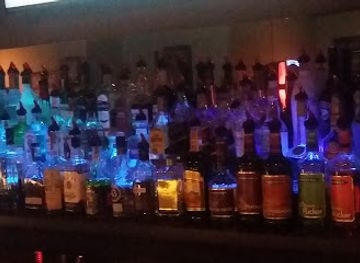
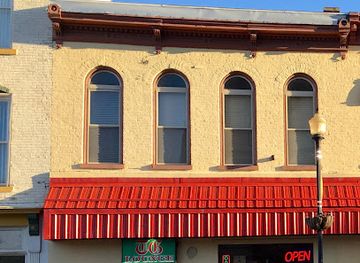
Fairmont's evening scene is modest and locally oriented rather than built around large nightclubs. Downtown and nearby commercial areas have neighbourhood bars, cafés and casual venues where residents gather for conversation, televised sport and occasional live music. Palatine Park hosts seasonal concerts and public events that can provide the city's most sociable summer evenings, while Fairmont State University brings performances, student activities and sporting events to the calendar. Some restaurants extend their service into the evening, and regional musicians may appear at community venues or local bars. Nightlife is generally quieter on weekdays, with activity shaped by university schedules, festivals and seasonal programmes. Visitors should not expect a concentrated entertainment district; checking individual venue listings and arranging a safe journey back to accommodation is particularly useful when relying on taxis or rideshare services.
-
Bar
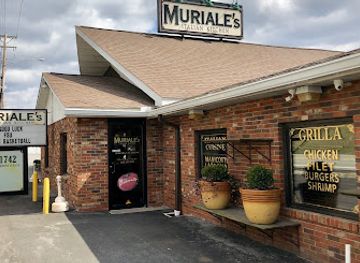
Muriale's Italian Kitchen
Savor the taste of Southern Italy at Muriale's Italian Kitchen, where authentic recipes and warm hospitality create a memorable dining experience.
11 min drive · 3.6 km from city centre
-
Breakfast
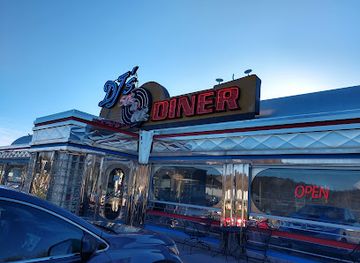
DJ's 50'S & 60'S Diner
Experience the charm of the 50's & 60's at DJ's Diner, where delicious breakfast meets nostalgic decor in Fairmont, West Virginia.
11 min drive · 3.7 km from city centre
-
Grill
Derby Bar & Grill
Experience the charm of Fairmont at Derby Bar & Grill, where delicious food and friendly service come together in a cozy setting.
11 min walk · 0.9 km from city centre
-
Bar
Aquarium Lounge
Discover a unique dining experience at the Aquarium Lounge in Fairmont, where fine dining meets a family-friendly atmosphere.
1 min walk · 0.1 km from city centre
Best nightclubs in Fairmont
Fairmont's evening scene is modest and locally oriented rather than built around large nightclubs. Downtown and nearby commercial areas have neighbourhood bars, cafés and casual venues where residents gather for conversation, televised sport and occasional live music. Palatine Park hosts seasonal concerts and public events that can provide the city's most sociable summer evenings, while Fairmont State University brings performances, student activities and sporting events to the calendar. Some restaurants extend their service into the evening, and regional musicians may appear at community venues or local bars. Nightlife is generally quieter on weekdays, with activity shaped by university schedules, festivals and seasonal programmes. Visitors should not expect a concentrated entertainment district; checking individual venue listings and arranging a safe journey back to accommodation is particularly useful when relying on taxis or rideshare services.
-
Bar
Benny's
Discover the vibrant nightlife at Benny's in Fairmont, where great drinks and a lively atmosphere await every visitor.
11 min walk · 0.9 km from city centre
-
Bar
T-G's Lounge & Cafe
Experience the local nightlife at T-G's Lounge & Cafe, where friendly service and a cozy atmosphere await in Fairmont, West Virginia.
13 min walk · 1.1 km from city centre
-
Bar
Bottoms Up
Experience the vibrant nightlife at Bottoms Up, Fairmont's favorite bar, known for its friendly atmosphere and diverse drink selection.
9 min drive · 2.9 km from city centre
-
Bar
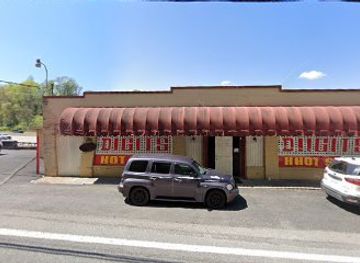
Digit's Hot Spot
Experience Fairmont's nightlife at Digit's Hot Spot, where great drinks and an electric atmosphere await you in West Virginia.
6 min drive · 1.9 km from city centre

Best shops in Fairmont
Shopping in Fairmont is centred on practical retail, independent businesses, local food and occasional community markets rather than a large destination shopping quarter. Downtown streets contain small retailers, cafés, services and businesses operating from older commercial buildings, while larger everyday shopping is concentrated along the city's main commercial corridors. The most characteristic purchase is a pepperoni roll from a local bakery or food outlet, and regional West Virginian products may include preserves, baked goods, craft items and Appalachian-themed gifts. University events, festivals and seasonal markets can bring makers and small vendors into public spaces, although their dates vary. Visitors interested in the area's industrial and cultural heritage may find local books, historical publications and handmade goods more meaningful than generic souvenirs. Fairmont's retail landscape is best approached as part of ordinary community life, with availability changing between downtown, commercial areas and event locations.
-
Discount store
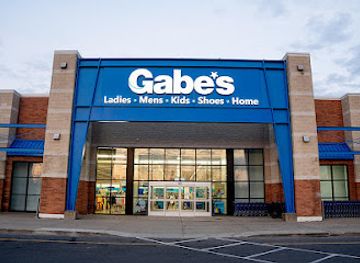
Gabe's
Discover unbeatable deals on fashion for the whole family at Gabe's Discount Store in Fairmont, West Virginia.
15 min drive · 5.2 km from city centre
-
Discount store
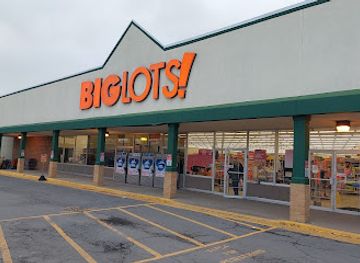
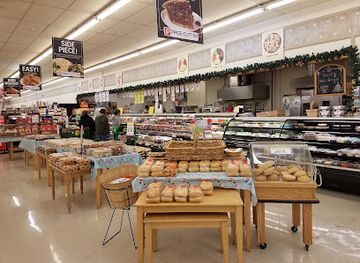
Big Lots
Explore Big Lots in Fairmont for unbeatable discounts on furniture, home essentials, and seasonal decor for every budget.
6 min drive · 2.1 km from city centre
-
Grocery store
East Fairmont Price Cutter
Experience the warmth of Fairmont at East Fairmont Price Cutter, your go-to grocery store for local flavors and fresh produce.
7 min drive · 2.4 km from city centre
-
Grocery store
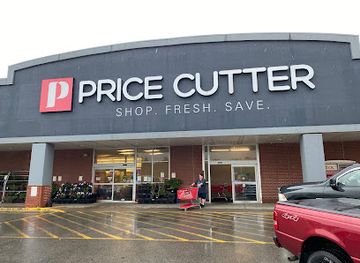
Price Cutter
Explore Fairmont's Price Cutter for fresh local produce, quality groceries, and a taste of West Virginia's culinary delights.
13 min walk · 1.1 km from city centre
Get your free copy of our complete guide to Fairmont, delivered straight to you.
Everything on this page, from attractions and restaurants to essentials and local phrases, in one PDF you can read offline, print or share.
Already have an account? Sign in
Your Fairmont guide is ready.
We'll send it to · Not you? Sign out

Getting your guide ready…
We are putting together a fresh copy of the Fairmont guide. This can take up to a minute.
This can take a few moments. If your browser asks, choose Allow so the download can start. You'll find the guide in your Downloads folder.
Nothing happened? Download it again
Sorry, the guide is taking longer than usual. Please try again in a minute, or get it by email instead.
Fairmont essentials
Currency and Payment
Safety
Emergency Situations
Do's and Don'ts
Local Tips
From Eve
Local phrases worth knowing
You don't need to get them perfect. A few words go a long way, and locals appreciate the effort.
Basics
| English | Local | Say it |
|---|---|---|
| Hello | Howdy | [haw-dee] |
| Goodbye | See ya | [see yah] |
| Yes | Yep | [yep] |
| No | Nah | [nah] |
| Please/You're welcome | Please/No problem | [pleez / no prob-lem] |
| Thank you | Thanks | [thanks] |
| Excuse me/Sorry | Pardon me/My bad | [par-dun me / my bad] |
| How are you? | How ya doin'? | [how yuh doo-in] |
| Fine. And you? | Doin' good. You? | [doo-in good. yuh?] |
| Do you speak English? | Ya speak English? | [yah speak ing-glish?] |
| I don't understand | I ain't gettin' ya | [I aint get-tin yah] |
Eating & Drinking
| English | Local | Say it |
|---|---|---|
| I'd like to see the menu, please | Gimme the menu, please | [gim-mee the menu, please] |
| I don't eat meat | I don't eat meat | [I don't eat meat] |
| Cheers! | Cheers! | [cheers] |
| I would like to pay, please | I'll take the check, please | [I'll take the check, please] |
Emergencies
| English | Local | Say it |
|---|---|---|
| Help! | Help! | [help] |
| Go away! | Git outta here! | [git out-ta here!] |
| Call the Police! | Call the cops! | [call the cops!] |
| Call a doctor! | Get a doc! | [get a doc!] |
| I'm lost | I'm lost | [I'm lost] |
| I'm ill | I'm sick | [I'm sick] |
Shopping
| English | Local | Say it |
|---|---|---|
| I'd like to buy... | I wanna buy... | [I wanna buy...] |
| I'm just looking | Just browsin' | [just brow-zin] |
| How much is it? | How much? | [how much?] |
| That's too expensive | That's pricey | [that's price-y] |
| Can you lower the price? | Can ya do a deal? | [can yah do a deal?] |
Time & Numbers
| English | Local | Say it |
|---|---|---|
| What time is it? | What time is it? | [what time is it?] |
| It's one o'clock | It's one | [It's one] |
| Half past (10) | Half past ten | [half past ten] |
| Morning | Mornin' | [mornin] |
| Afternoon | Afternoon | [after-noon] |
| Evening | Evenin' | [even-in] |
| Yesterday | Yesterday | [yester-day] |
| Today | Today | [to-day] |
| Tomorrow | Tomorrow | [to-mor-row] |
| 1 | One | [wun] |
| 2 | Two | [too] |
| 3 | Three | [three] |
| 4 | Four | [four] |
| 5 | Five | [five] |
| 6 | Six | [six] |
| 7 | Seven | [seven] |
| 8 | Eight | [eight] |
| 9 | Nine | [nine] |
| 10 | Ten | [ten] |
Transport & Directions
| English | Local | Say it |
|---|---|---|
| Where's a/the...? | Where's the...? | [where's the...?] |
| What's the address? | What's the address? | [what's the address?] |
| Can you show me (on the map)? | Can ya show me (on the map)? | [can yah show me (on the map)?] |
| When's the next (bus)? | When's the next (bus)? | [when's the next (bus)?] |
| A ticket (to ....) | A ticket (to ....) | [a ticket (to ....)] |
History of Fairmont
Settlement at the River Confluence
Fairmont developed at the meeting of the West Fork and Tygart Valley rivers, an important natural location for movement through the north-central Appalachian interior. European-American settlement expanded in the early nineteenth century around a community first known as Middletown, while the nearby settlement of Palatine grew on the opposite side of the river. The surrounding territory had long been used and inhabited by Indigenous peoples, and the region's later settlement formed part of the wider westward expansion of Virginia. River access, fertile valleys and connections through the surrounding hills helped the community develop beyond a small agricultural settlement.
Fairmont and the Marion County Seat
The community took the name Fairmont in the nineteenth century as Middletown and Palatine became increasingly connected across the river. Marion County, created in 1842, selected the growing settlement as its county seat, strengthening its role as an administrative and commercial centre. Courthouse functions, mercantile businesses and river crossings encouraged a more concentrated town centre, while roads linked Fairmont with neighbouring settlements. The city's position made it a natural meeting point for farmers, traders and public officials from the surrounding valleys, laying the foundations for the civic landscape visible in the modern downtown area.
Statehood and Civic Growth
When West Virginia became a state in 1863, Fairmont was already developing as a regional town, and its importance increased during the decades that followed. Fairmont State College traces its origins to a state normal school established in 1865, reflecting the new state's need for trained teachers and public institutions. Churches, schools, commercial blocks and county buildings expanded as Fairmont became a centre for education and government in north-central West Virginia. The town's location also positioned it to benefit from the transport improvements that connected Appalachian communities with larger markets.
Coal, Railways and Industrial Expansion
The late nineteenth and early twentieth centuries brought major growth through bituminous coal, rail transport and related industries. Railways opened Marion County's coalfields to outside markets, and Fairmont became a significant centre for shipping, commerce and services associated with mining. Coal supported banks, shops, hotels, workers' communities and industrial enterprises, including glass production in the wider area. Migration brought workers from different parts of the United States and Europe, contributing to the region's social and cultural diversity. Much of Fairmont's historic built environment reflects the prosperity and civic investment of this industrial period.
Industrial Change and Contemporary Fairmont
After the Second World War, mechanisation, changing energy markets and the long decline of many Appalachian coal operations transformed Fairmont and its surrounding communities. Rail and industrial sites lost some of their former economic centrality, while education, healthcare, public administration and small business became increasingly important to the local economy. Fairmont State University remains a significant institution, and riverfront improvements such as Palatine Park have created spaces for recreation and public events. Historic preservation, local food traditions and outdoor tourism now sit alongside the city's industrial inheritance, shaping Fairmont's contemporary identity.
Fairmont in Photos
Browse through our photo collection highlighting the charm and character of the destination.
Cities near Fairmont
The closest cities to Fairmont, if you have time for more than one stop.
-

-

-

-

-


Swipe for more cities
Explore more

Explore more of West Virginia
Discover West Virginia's natural beauty, historic charm, and outdoor adventures in the heart of the Appalachian Mountains.
Explore West Virginia