

Free Wheeling Travel Guide & Mobile App
Plan your Wheeling trip with Evendo. Get free guides to top attractions, restaurants, hotels, and bars. Web access or download the mobile app.


Wheeling, West Virginia, pairs Ohio River heritage with historic architecture, glassmaking traditions, museums, markets, scenic parks and cultural sightseeing.
A River City with Deep American Roots
Wheeling stretches along the Ohio River in the northern panhandle of West Virginia, where wooded hills, historic neighbourhoods and an industrial waterfront create a distinctive Appalachian cityscape. Its location made it an important crossing point and commercial centre from the colonial era onwards, while the National Road and later railways connected the city to markets across the eastern United States. Wheeling also played a notable role in the creation of West Virginia during the American Civil War, and its political history remains visible at West Virginia Independence Hall.Read more about Wheeling
Architecture, Industry and Culture
Parks and Living Heritage
When is the best time to visit Wheeling?
Best: June, August–September · 24–27°C| Month | High (°C) | Rainfall (mm) |
|---|---|---|
| January | 4 | 71 |
| February | 6 | 66 |
| March | 11 | 89 |
| April | 17 | 91 |
| May | 22 | 104 |
| June (best) | 26 | 109 |
| July | 28 | 109 |
| August (best) | 27 | 102 |
| September (best) | 24 | 97 |
| October | 18 | 81 |
| November | 11 | 86 |
| December | 6 | 81 |
Getting to and around Wheeling
How to get there
Transportation
Best attractions in Wheeling
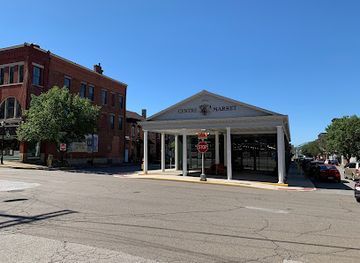
Wheeling's principal attractions combine political history, industrial heritage and outdoor recreation. West Virginia Independence Hall explains the creation of the state and occupies the former Custom House where crucial Civil War-era debates took place. The former West Virginia State Penitentiary offers guided and self-guided insight into prison architecture and penal history, while the Capitol Theatre presents performances in a carefully restored downtown venue. Centre Market provides a more everyday form of sightseeing, with historic commercial buildings, independent businesses and places to eat. At Oglebay Park, visitors can explore woodland trails, landscaped grounds, the Oglebay Mansion Museum and the Oglebay Institute Glass Museum, as well as seasonal recreational facilities. The Kruger Street Toy & Train Museum adds a specialised family attraction, and Heritage Port provides open riverfront space for events and views across the Ohio. Together, these sites reveal Wheeling as a city of layered civic, industrial and recreational landscapes.
-
Zoo
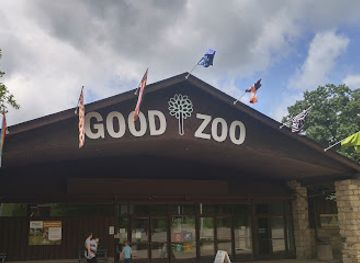
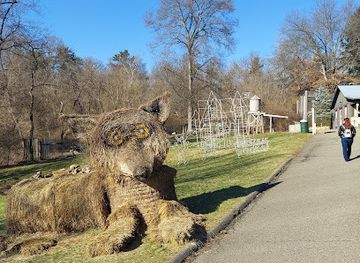
Oglebay Good Zoo
Explore Oglebay Good Zoo in Wheeling, WV, a family-friendly destination featuring unique wildlife exhibits and engaging educational programs for all ages.
10 min drive · 3.4 km from city centre
-
Tourist attraction
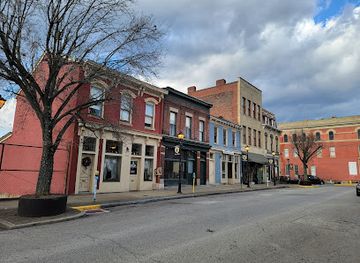
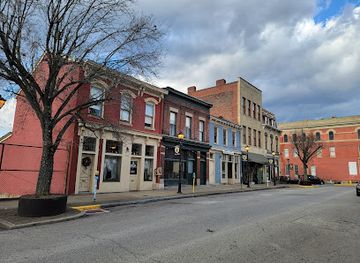
Centre Market, Wheeling WV
Explore Wheeling's Centre Market: A historical landmark filled with local shops, eateries, and the vibrant spirit of West Virginia's culture.
9 min drive · 3.0 km from city centre
-
Tourist attraction
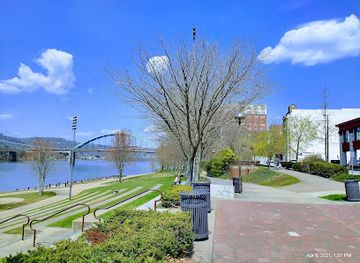
Heritage Port
Experience the charm of Heritage Port, Wheeling, where scenic beauty meets rich history along the Ohio River.
8 min drive · 2.6 km from city centre
-
Tourist attraction
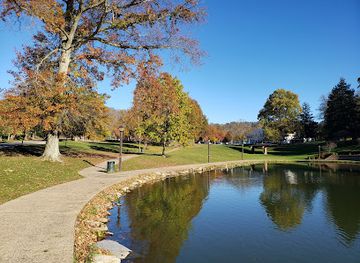
Wheeling Park
Discover Wheeling Park, a stunning tourist attraction in West Virginia, offering diverse recreational activities and beautiful landscapes for all ages.
9 min drive · 3.0 km from city centre
Best landmarks in Wheeling
West Virginia Independence Hall is Wheeling's defining civic landmark, a nineteenth-century Custom House whose rooms are associated with the political process that led to West Virginia statehood. The Wheeling Suspension Bridge, completed in 1849, crosses the Ohio River to Wheeling Island and is recognised as an important surviving example of early suspension-bridge engineering, although access and viewing arrangements should be checked locally. The Capitol Theatre anchors downtown with its ornate historic performance space, while Centre Market preserves a substantial group of commercial buildings from Wheeling's prosperous market and manufacturing era. The former West Virginia State Penitentiary presents a more austere landmark, its fortress-like walls and cellblocks illustrating changing approaches to incarceration. The Eckhart House, built for industrialist Edward B. Glessner's family, represents the elaborate domestic architecture associated with the city's late nineteenth-century wealth and civic expansion.
-
American
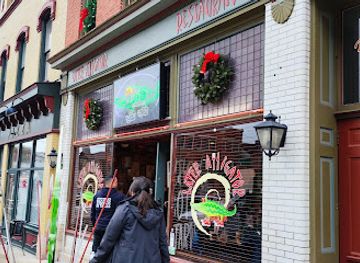
Later Alligator
Discover Later Alligator in Wheeling, where vibrant decor meets delicious American cuisine and creative cocktails for an unforgettable dining experience.
9 min drive · 2.9 km from city centre
-
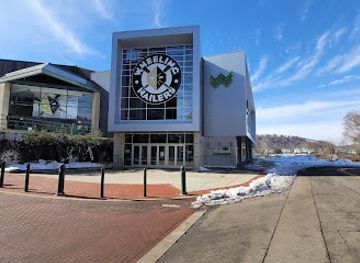
Arena
Wesbanco Arena
Discover the vibrant atmosphere of Wesbanco Arena, Wheeling's premier venue for sports and entertainment, offering unforgettable experiences for every visitor.
8 min drive · 2.7 km from city centre
-
Zoo
Oglebay Good Zoo
Explore Oglebay Good Zoo, where unique animals and beautiful landscapes create the perfect family-friendly adventure in Wheeling, West Virginia.
10 min drive · 3.4 km from city centre
-
Historical landmark
Centre Market, Wheeling WV
Explore historic Centre Market in Wheeling, WV, where local shopping meets delicious dining in a charming atmosphere.
9 min drive · 3.0 km from city centre
Explore Wheeling on the map
Plan your Wheeling trip on one map. See where the top attractions, landmarks, restaurants, bars and hotels are, find what's near where you're staying, and book hotels and experiences in a few clicks.
Best hotels in Wheeling
Best restaurants in Wheeling
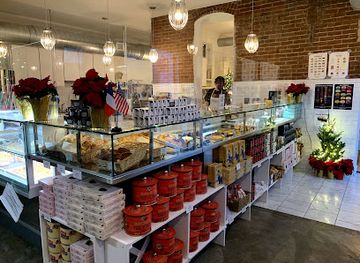
Wheeling's dining scene reflects its Ohio Valley location, West Virginian comfort food traditions and the influence of successive immigrant communities that worked in the city's factories and businesses. Downtown and Centre Market are the main areas for independent restaurants, cafés, bakeries and casual dining, with historic buildings lending a distinctive setting to everyday meals. Menus commonly include familiar American staples, sandwiches, soups, burgers and regional comfort dishes, while Italian-American traditions remain part of the wider local food culture. The city's glassmaking and industrial history is also reflected in the enduring character of neighbourhood establishments rather than in a single signature cuisine. Oglebay Park provides dining within a resort and recreation setting, while nearby Ohio Valley communities broaden the choice of family restaurants and speciality food shops. Seasonal events and local markets may add craft products and prepared foods, but schedules vary.
-
Restaurant
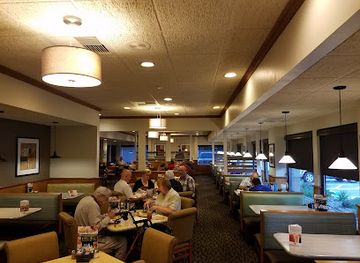
Perkins Restaurant & Bakery
Experience delicious American comfort food at Perkins Restaurant & Bakery in Wheeling - perfect for breakfast lovers and dessert enthusiasts alike!
7 min walk · 0.6 km from city centre
-
American
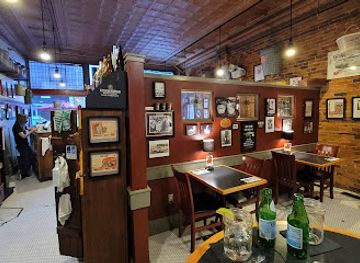
Later Alligator
Discover Later Alligator in Wheeling: Where classic American cuisine meets creative flair in a cozy bistro setting.
9 min drive · 2.9 km from city centre
-
Italian
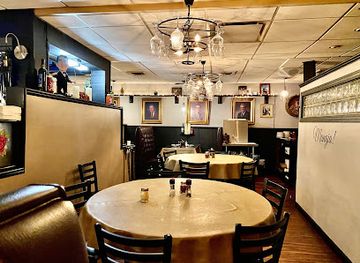
Figaretti's Restaurant
Discover the perfect blend of Italian tradition and American hospitality at Figaretti's Restaurant in Wheeling.
13 min walk · 1.1 km from city centre
-
American
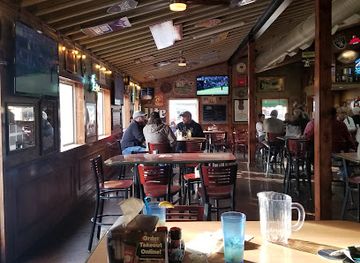
Generations Restaurant & Pub
Discover delicious American cuisine and vibrant pub vibes at Generations Restaurant & Pub in Wheeling, WV - perfect for family outings or sports nights.
5 min drive · 1.7 km from city centre
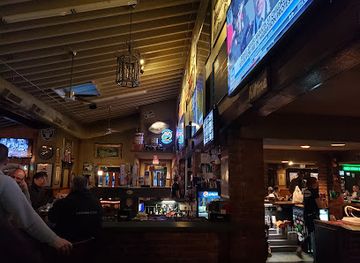
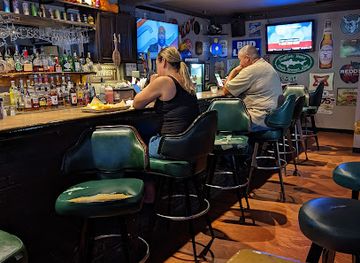
Best bars in Wheeling
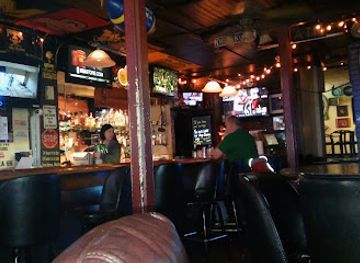
Wheeling's evening life is modest and locally oriented rather than built around a large nightclub district. Centre Market and nearby downtown streets contain pubs, bars and restaurants where evenings tend to centre on conversation, food, live music and community gatherings. The Capitol Theatre is the city's most important formal evening venue, staging concerts, theatre, comedy and touring entertainment in a restored historic interior. Heritage Port can become an atmospheric setting for outdoor concerts and civic events during warmer months, while the Wheeling Island Hotel-Casino-Racetrack provides gaming and entertainment on Wheeling Island. Smaller bars and music venues may have changing schedules, so the city's nightlife is best understood through current performance listings and local event calendars. After dark, the riverfront and quieter streets call for ordinary urban awareness, particularly when walking between separate districts.
-
American
Generations Restaurant & Pub
Discover the vibrant atmosphere and delicious American cuisine at Generations Restaurant & Pub in Wheeling, where every meal is a celebration.
5 min drive · 1.7 km from city centre
-
Restaurant
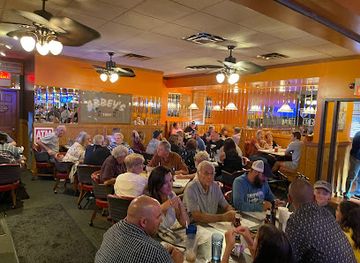
Abbey's Restaurant & Lounge
Discover Abbey's Restaurant & Lounge in Wheeling, WV, where delightful cuisine meets a warm, inviting atmosphere for a memorable dining experience.
10 min drive · 3.4 km from city centre
-
Pub
Pickles Eatery & Bar
Experience the vibrant atmosphere and delicious comfort food at Pickles Eatery & Bar, Wheeling's perfect dining destination for tourists.
16 min walk · 1.3 km from city centre
-
Wine bar
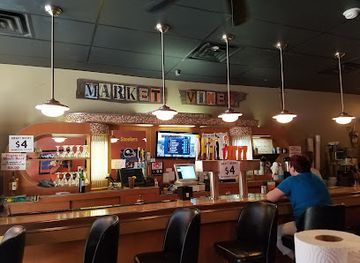
The Market Vines - Wine Bar & Grille
Experience the best of Wheeling at The Market Vines, a wine bar and grille offering a delightful culinary journey with local flavors and exceptional wines.
9 min drive · 3.1 km from city centre
Best nightclubs in Wheeling
Wheeling's evening life is modest and locally oriented rather than built around a large nightclub district. Centre Market and nearby downtown streets contain pubs, bars and restaurants where evenings tend to centre on conversation, food, live music and community gatherings. The Capitol Theatre is the city's most important formal evening venue, staging concerts, theatre, comedy and touring entertainment in a restored historic interior. Heritage Port can become an atmospheric setting for outdoor concerts and civic events during warmer months, while the Wheeling Island Hotel-Casino-Racetrack provides gaming and entertainment on Wheeling Island. Smaller bars and music venues may have changing schedules, so the city's nightlife is best understood through current performance listings and local event calendars. After dark, the riverfront and quieter streets call for ordinary urban awareness, particularly when walking between separate districts.
-
Bar
Carin's Pub
Discover the charm of Carin's Pub in Wheeling, West Virginia - a welcoming bar with a vibrant atmosphere and an array of local drinks.
10 min drive · 3.2 km from city centre
-
Bar
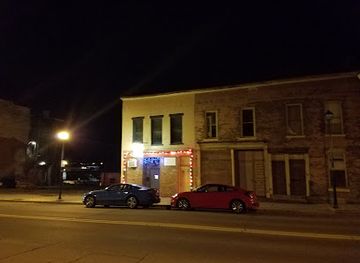
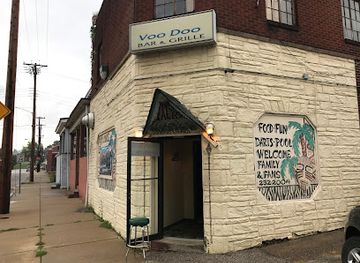
La La's Voo Doo Lounge LLC
Discover the lively spirit of La La's Voo Doo Lounge, a vibrant bar in Wheeling, West Virginia, perfect for drinks, music, and unforgettable nights.
9 min drive · 3.1 km from city centre
-
Bar
Third Alarm Bar
Discover the lively ambiance and delightful drinks at Third Alarm Bar in Wheeling, WV - the perfect spot for nightlife enthusiasts.
10 min drive · 3.2 km from city centre
-
Club
Cave Club
Experience the pulse of Wheeling's nightlife at Cave Club, where music meets excitement in a vibrant atmosphere.
10 min drive · 3.2 km from city centre
Best shops in Wheeling
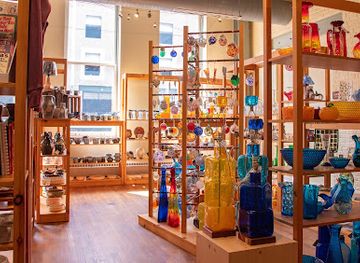
Shopping in Wheeling is concentrated around independent businesses, historic districts and practical retail areas rather than a single large luxury quarter. Centre Market is the most distinctive visitor-oriented area, combining small shops, food businesses and services within a historic commercial setting. The Wheeling Artisan Center presents West Virginian arts and crafts, making it a useful place to look for locally produced gifts and objects connected with the state's creative traditions. Glass has particular resonance in Wheeling because of the city's industrial history, and visitors may encounter glassware, decorative work and other handmade goods through local galleries or craft outlets. Downtown boutiques and specialist shops provide a more intimate retail experience, while The Highlands, outside the historic core, contains modern shopping, restaurants and national retailers. Local food products, Appalachian-inspired crafts and practical souvenirs tend to be more representative purchases than mass-produced city memorabilia.
-
Historical landmark
Centre Market, Wheeling WV
Explore the vibrant Centre Market in Wheeling, WV, a historical landmark offering unique shopping and local dining experiences.
9 min drive · 3.0 km from city centre
-
Shopping mall
Warwood Shopping Center
Explore the vibrant Warwood Shopping Center in Wheeling, WV, featuring diverse shops and eateries for an ideal shopping experience.
13 min drive · 4.4 km from city centre
-
Wine store
Good Mansion Wines
Discover the finest wines and gourmet delights at Good Mansion Wines in Wheeling, WV - a must-visit for food and wine enthusiasts.
6 min drive · 2.2 km from city centre
-
Gift shop
Wheeling Artisan Center Shop
Explore the Wheeling Artisan Center Shop, where local craftsmanship meets creativity in a vibrant gift shop and art gallery in West Virginia.
8 min drive · 2.6 km from city centre
Get your free copy of our complete guide to Wheeling, delivered straight to you.
Everything on this page, from attractions and restaurants to essentials and local phrases, in one PDF you can read offline, print or share.
Already have an account? Sign in
Your Wheeling guide is ready.
We'll send it to · Not you? Sign out

Getting your guide ready…
We are putting together a fresh copy of the Wheeling guide. This can take up to a minute.
This can take a few moments. If your browser asks, choose Allow so the download can start. You'll find the guide in your Downloads folder.
Nothing happened? Download it again
Sorry, the guide is taking longer than usual. Please try again in a minute, or get it by email instead.
Wheeling essentials
Currency and Payment
Safety
Emergency Situations
Do's and Don'ts
Local Tips
From Eve
Local phrases worth knowing
You don't need to get them perfect. A few words go a long way, and locals appreciate the effort.
Basics
| English | Local | Say it |
|---|---|---|
| Hello | Howdy | [haw-dee] |
| Goodbye | See ya | [see yah] |
| Yes | Yup | [yuhp] |
| No | Nah | [nuh] |
| Please/You're welcome | Please/No problem | [pleez/no prob-lem] |
| Thank you | Thanks a lot | [thanks uh lot] |
| Excuse me/Sorry | Pardon me/My bad | [par-dun me/my bad] |
| How are you? | How ya doin'? | [how yah doin'] |
| Fine. And you? | Fine. How 'bout you? | [fine. how 'bout yah] |
| Do you speak English? | Ya speak English? | [yah speak english?] |
| I don't understand | I ain't gettin' it | [I aint get-tin it] |
Eating & Drinking
| English | Local | Say it |
|---|---|---|
| I'd like to see the menu, please | Can I see the menu? | [can I see the menu?] |
| I don't eat meat | I don't eat meat | [I don't eat meat] |
| Cheers! | Cheers! | [cheers!] |
| I would like to pay, please | I'll take the check, please | [I'll take the check, please] |
Emergencies
| English | Local | Say it |
|---|---|---|
| Help! | Help! | [help!] |
| Go away! | Get lost! | [get lost!] |
| Call the Police! | Call the cops! | [call the cops!] |
| Call a doctor! | Get a doc! | [get a doc!] |
| I'm lost | I'm lost | [I'm lost] |
| I'm ill | I'm feelin' sick | [I'm feelin' sick] |
Shopping
| English | Local | Say it |
|---|---|---|
| I'd like to buy... | I wanna buy... | [I wanna buy...] |
| I'm just looking | Just lookin' | [just lookin'] |
| How much is it? | How much? | [how much?] |
| That's too expensive | Too rich for me | [too rich for me] |
| Can you lower the price? | Can ya do any better? | [can yah do any better?] |
Time & Numbers
| English | Local | Say it |
|---|---|---|
| What time is it? | What time is it? | [what time is it?] |
| It's one o'clock | It's one | [it's one] |
| Half past (10) | Half past ten | [half past ten] |
| Morning | Mornin' | [mornin'] |
| Afternoon | Afternoon | [afternoon] |
| Evening | Evenin' | [evenin'] |
| Yesterday | Yesterday | [yesterday] |
| Today | Today | [today] |
| Tomorrow | Tomorrow | [tomorrow] |
| 1 | One | [wun] |
| 2 | Two | [too] |
| 3 | Three | [three] |
| 4 | Four | [four] |
| 5 | Five | [five] |
| 6 | Six | [six] |
| 7 | Seven | [seven] |
| 8 | Eight | [eight] |
| 9 | Nine | [nine] |
| 10 | Ten | [ten] |
Transport & Directions
| English | Local | Say it |
|---|---|---|
| Where's a/the...? | Where's the...? | [where's the...?] |
| What's the address? | What's the address? | [what's the address?] |
| Can you show me (on the map)? | Can ya show me (on the map)? | [can yah show me (on the map)?] |
| When's the next (bus)? | When's the next (bus)? | [when's the next (bus)?] |
| A ticket (to ....) | A ticket (to ....) | [a ticket (to ....)] |
History of Wheeling
Indigenous Ohio Valley Landscapes
The Wheeling area lies within the wider Ohio Valley, a landscape used and contested by Indigenous peoples long before European settlement. Communities including the Lenape and Mingo maintained networks of travel, hunting and exchange through the region, whose river and upland corridors connected places far beyond the modern city. European expansion during the eighteenth century brought new forts, land claims and military pressure, while changing alliances among Indigenous nations, colonial governments and settlers shaped the frontier. The name Wheeling is often linked to Indigenous-language interpretations, although its precise origin remains debated. This earlier history is important because the city's later development depended on the same river crossing, valley routes and strategic geography that had long made the area a place of movement and exchange.
Fort Henry and Colonial Settlement
European-American settlement grew around the Ohio River during the late eighteenth century, when the region formed part of Virginia's western frontier. Fort Henry, built at Wheeling in 1774, became associated with frontier conflict during the American Revolutionary era. In September 1777, the fort endured an attack by British-allied Indigenous forces, an episode remembered as one of the significant military encounters in the Ohio Valley. A settlement developed around the fort and river landing, and Wheeling was officially established as a town in 1795. Its position beside the river made it a natural point for transporting agricultural goods and for linking eastern Virginia with the interior.
The National Road and Commercial Growth
Wheeling's importance increased after the National Road reached the Ohio River in 1818. The road connected the Potomac region with the developing western territories and made Wheeling a major gateway for stagecoaches, migrants and freight. River transport reinforced that advantage, while bridges, warehouses and commercial buildings followed the growth of trade. The town became a manufacturing and mercantile centre, producing and distributing goods for the Ohio Valley. The surviving Centre Market district reflects this era of commercial expansion, when public markets and substantial brick buildings served a growing population. Wheeling's location at the meeting point of road, river and later railway routes established the transport foundations for its industrial future.
Statehood and Civil War Politics
During the American Civil War, Wheeling became the political centre of Unionist opposition to Virginia's secession. The Reorganized Government of Virginia operated from the city, and delegates meeting at Washington Hall and later at the Custom House helped create the conditions for a separate state. West Virginia was admitted to the Union on 20 June 1863, with Wheeling serving as the first state capital. The capital later moved to Charleston in 1875, returned temporarily to Wheeling, and moved permanently to Charleston in 1885. West Virginia Independence Hall preserves the setting in which the new state's constitutional and political arrangements were debated, making the building central to the city's historical identity.
Glass, Iron and Industrial Wheeling
The nineteenth and early twentieth centuries brought extensive industrialisation to Wheeling. Iron and steel works, glass factories, foundries and other manufacturers took advantage of river transport, rail connections and nearby coalfields. The city became particularly associated with pressed and art glass, while industrial employment attracted workers and encouraged the development of dense neighbourhoods, churches, schools and civic institutions. Wealth generated by commerce and manufacturing also produced substantial Victorian and Beaux-Arts architecture in the centre and surrounding districts. Industrial decline during the twentieth century reduced the scale of manufacturing, but museums, restored buildings and surviving workers' neighbourhoods continue to show how profoundly the river, factories and immigrant communities shaped Wheeling's social and physical development.
Preservation and Contemporary Identity
As heavy industry contracted, Wheeling increasingly turned towards historic preservation, culture, recreation and heritage-based regeneration. Downtown buildings such as the Capitol Theatre and Centre Market have been restored for public use, while Heritage Port reconnects the city centre with the Ohio River through an events space and riverfront setting. Oglebay Park, established as a major public recreation area through the philanthropy of Earl W. Oglebay and later civic development, remains an important part of local life. The modern city therefore combines a smaller industrial economy with enduring institutions, neighbourhood traditions and a substantial architectural inheritance that links present-day Wheeling to its role as a regional centre.
Wheeling in Photos
Browse through our photo collection highlighting the charm and character of the destination.
Cities near Wheeling
The closest cities to Wheeling, if you have time for more than one stop.
-

-

-

-

-


Swipe for more cities
Explore more

Explore more of West Virginia
Discover West Virginia's natural beauty, historic charm, and outdoor adventures in the heart of the Appalachian Mountains.
Explore West Virginia