

Free Morgantown Travel Guide & Mobile App
Plan your Morgantown trip with Evendo. Get free guides to top attractions, restaurants, hotels, and bars. Web access or download the mobile app.


Morgantown, West Virginia blends university culture, Appalachian history, riverfront trails, local food and memorable architecture in northern West Virginia.
A City Shaped by the River
Morgantown occupies a series of hills and river terraces along the Monongahela River in northern West Virginia, close to the Pennsylvania border. Its setting gives the city a distinctive, layered geography: downtown streets sit beside the river, residential slopes rise behind them, and West Virginia University’s campuses extend across several connected districts. The result is a place where Appalachian landscapes, university life and a long industrial history meet within a relatively compact urban area.Read more about Morgantown
University Traditions and Local Character
Green Hills and Outdoor Routes
When is the best time to visit Morgantown?
Best: May–June, September · 22–27°C| Month | High (°C) | Rainfall (mm) |
|---|---|---|
| January | 4 | 80 |
| February | 6 | 76 |
| March | 12 | 90 |
| April | 17 | 95 |
| May (best) | 22 | 105 |
| June (best) | 27 | 100 |
| July | 29 | 105 |
| August | 28 | 100 |
| September (best) | 24 | 90 |
| October | 19 | 80 |
| November | 12 | 85 |
| December | 7 | 90 |
Getting to and around Morgantown
How to get there
Transportation
Best attractions in Morgantown
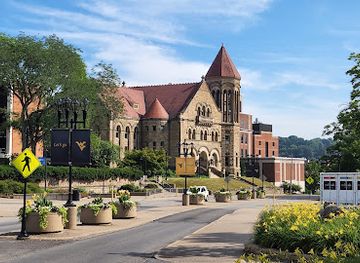
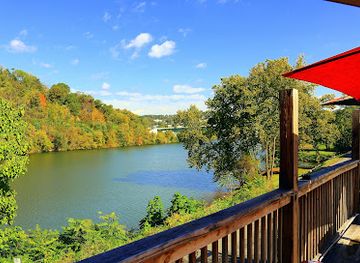
Morgantown’s attractions range from university architecture to riverfront recreation and local history. West Virginia University’s downtown campus centres on Woodburn Hall, whose domed façade and columns make it one of the city’s most recognisable sights, while the WVU Art Museum presents exhibitions in a modern cultural setting. The Morgantown History Museum, housed in the historic Metropolitan Theatre building on High Street, introduces the communities and industries that shaped the city. Along the Monongahela River, the Wharf District and Caperton Trail offer open views, walking and cycling on a former railway route. The Core Arboretum, beside the Evansdale campus, provides wooded paths and native plant habitats within the urban area. Sporting visitors may also recognise Milan Puskar Stadium, home of Mountaineer football, while the surrounding hills and Mon River Rail-Trail system broaden the city’s appeal for outdoor exploration.
-
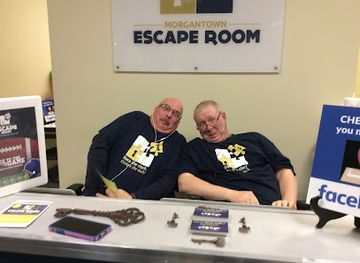
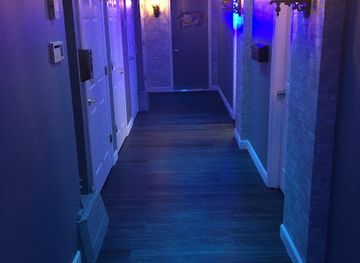
Escape room center
Morgantown Escape Room
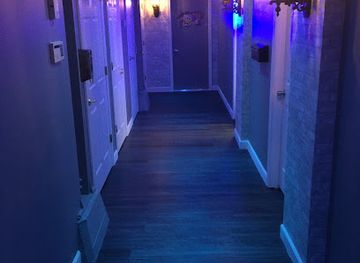
Experience the thrill of puzzle-solving and teamwork at Morgantown Escape Room, the premier escape room destination in West Virginia.
7 min drive · 2.4 km from city centre
-
Amusement center
XSCAPE Live Escape Room Morgantown
Experience the thrill of escape at XSCAPE Live Escape Room Morgantown, where adventure and teamwork collide in immersive challenges.
6 min walk · 0.5 km from city centre
-
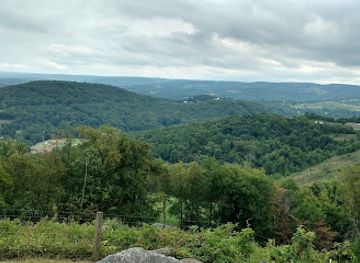
Tourist attraction
Dorsey's Knob Park and Disc Golf Course
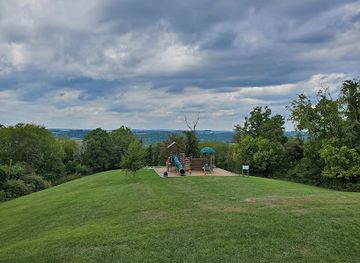
Explore Dorsey's Knob Park: a beautiful West Virginia park with disc golf, scenic trails, and stunning views for a perfect outdoor getaway.
11 min drive · 3.5 km from city centre
-
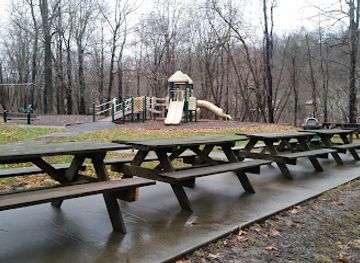
Tourist attraction
Marilla Park
Experience the beauty and tranquility of Marilla Park, a scenic oasis in Morgantown, West Virginia, ideal for outdoor activities and relaxation.
17 min walk · 1.4 km from city centre
Best landmarks in Morgantown
Morgantown’s landmarks reveal the city’s development as a river community, county seat and university centre. Woodburn Hall at West Virginia University is the most prominent architectural symbol, with its dome and formal façade overlooking the historic downtown campus. The Monongalia County Courthouse anchors the civic core and reflects Morgantown’s continuing role as a county administrative centre. High Street contains older commercial buildings that preserve the scale of the nineteenth- and early twentieth-century town, while the Metropolitan Theatre represents the city’s cultural and entertainment history. Along the river, former railway alignments and industrial edges recall the importance of coal, freight and the Monongahela Valley transport network. Milan Puskar Stadium is a more recent civic landmark, associated with West Virginia’s deeply established college-football culture and the Mountaineers’ place in local identity.
-
Public university
West Virginia University
Explore the vibrant campus of West Virginia University, where academic excellence meets breathtaking natural beauty in Morgantown.
7 min drive · 2.4 km from city centre
-
Amusement center
XSCAPE Live Escape Room Morgantown
Discover thrilling adventures and intricate puzzles at XSCAPE Live Escape Room in Morgantown, where teamwork and fun collide for an unforgettable experience.
6 min walk · 0.5 km from city centre
-
Brewpub
Mountain State Brewing Co
Discover the heart of Morgantown at Mountain State Brewing Co, where craft beer meets delicious cuisine in a vibrant atmosphere.
7 min walk · 0.5 km from city centre
-
Park
Dorsey's Knob Park and Disc Golf Course
Experience the stunning landscapes and recreational opportunities at Dorsey's Knob Park and Disc Golf Course in Morgantown, West Virginia.
11 min drive · 3.5 km from city centre
Explore Morgantown on the map
Plan your Morgantown trip on one map. See where the top attractions, landmarks, restaurants, bars and hotels are, find what's near where you're staying, and book hotels and experiences in a few clicks.
Best hotels in Morgantown
Best restaurants in Morgantown
Morgantown’s dining scene reflects its university population, Appalachian setting and position within a wider agricultural region. High Street and the downtown blocks contain cafés, casual restaurants, bars and independent eateries, while the Wharf District and Sunnyside add food options near the river and campus areas. A defining regional snack is the West Virginia pepperoni roll, a soft bread filled with pepperoni and associated with the state’s Italian immigrant and coal-mining history. Menus also draw on Appalachian ingredients and comfort-food traditions, including beans, cornbread, seasonal vegetables and smoked meats, alongside pizza, international cooking and contemporary American dishes shaped by the university community. Local breweries and coffee shops contribute to the everyday food culture, and farmers’ markets or seasonal producers may offer honey, baked goods, preserves and other products from north-central West Virginia.
-
Fast Food
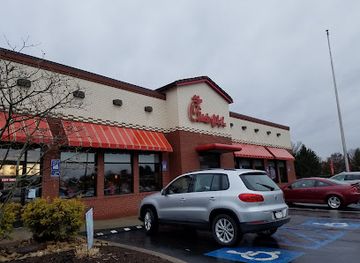
Chick-fil-A
Discover delicious Southern-style chicken dishes at Chick-fil-A in Morgantown - perfect for breakfast or any meal on the go!
8 min drive · 2.6 km from city centre
-
Traditional American
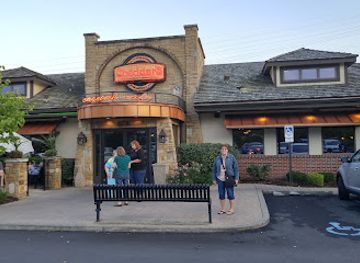
Cheddar's Scratch Kitchen
Savor the flavors of traditional American cuisine at Cheddar's Scratch Kitchen in Morgantown—where every meal is made from scratch with love.
15 min drive · 5.0 km from city centre
-
Pizza
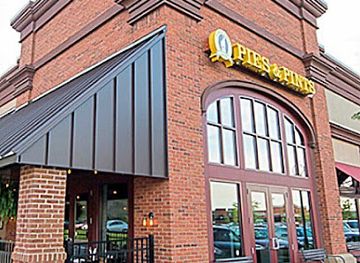
Pies & Pints - Morgantown, WV
Discover unique pizza creations at Pies & Pints in Morgantown, WV - where every slice tells a story!
8 min drive · 2.7 km from city centre
-
Sandwich
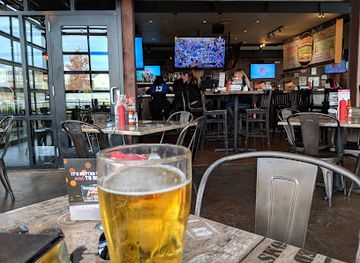
Primanti Bros. Restaurant and Bar
Experience mouthwatering sandwiches at Primanti Bros., where deliciousness meets excitement in Morgantown's sports bar scene.
9 min drive · 2.9 km from city centre
Best bars in Morgantown
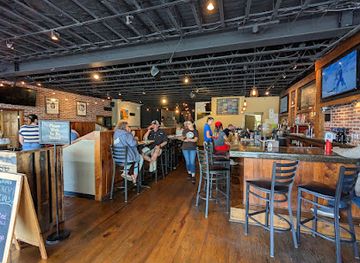
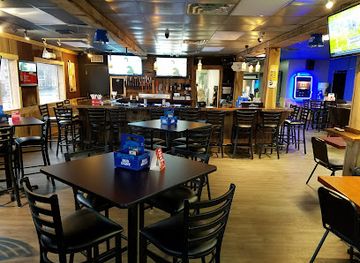
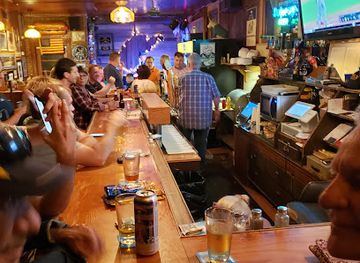
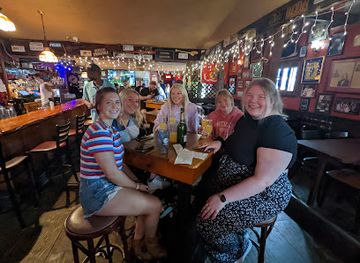
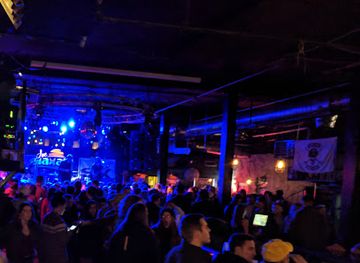
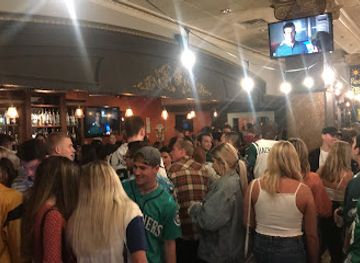
Morgantown’s evening life is concentrated around High Street, the university districts and nearby areas where student, academic and long-established local communities overlap. Downtown bars range from casual pubs and sports-oriented venues to places offering craft beer, cocktails and live music, while the university calendar brings especially busy evenings during Mountaineer sporting events and performances. The Metropolitan Theatre provides a setting for concerts, film, comedy and other cultural programming, and campus venues add lectures, theatre, music and arts events that do not revolve around drinking. Nightlife is generally more collegiate and social than club-focused, with activity varying according to the academic calendar. Visitors should carry accepted identification where required, observe venue policies and arrange a safe journey across Morgantown’s steep roads and spread-out neighbourhoods after dark.
-
Gastropub
Iron Horse Tavern
Discover Iron Horse Tavern: A vibrant gastropub in Morgantown, West Virginia, serving locally sourced dishes and craft beverages in a lively atmosphere.
2 min walk · 0.2 km from city centre
-
Grill
Mountain Mama's Tavern & Sports Bar
Discover a local gem in Morgantown, WV, where great food, refreshing drinks, and a friendly atmosphere await you at Mountain Mama's Tavern & Sports Bar.
9 min drive · 3.2 km from city centre
-
Bar
Gene's Beer Garden
Discover the vibrant atmosphere of Gene's Beer Garden, a top-notch bar in Morgantown, offering local craft beers and delicious bites in a cozy setting.
10 min walk · 0.8 km from city centre
-
Bar
Crockett's Lodge
Experience the vibrant atmosphere and delicious brunch at Crockett's Lodge in Morgantown, your go-to destination for food, drinks, and sports.
12 min drive · 3.9 km from city centre
Best nightclubs in Morgantown
Morgantown’s evening life is concentrated around High Street, the university districts and nearby areas where student, academic and long-established local communities overlap. Downtown bars range from casual pubs and sports-oriented venues to places offering craft beer, cocktails and live music, while the university calendar brings especially busy evenings during Mountaineer sporting events and performances. The Metropolitan Theatre provides a setting for concerts, film, comedy and other cultural programming, and campus venues add lectures, theatre, music and arts events that do not revolve around drinking. Nightlife is generally more collegiate and social than club-focused, with activity varying according to the academic calendar. Visitors should carry accepted identification where required, observe venue policies and arrange a safe journey across Morgantown’s steep roads and spread-out neighbourhoods after dark.
-
Bar
4th & Goal
Experience the vibrant nightlife of Morgantown at 4th & Goal, where affordable drinks and a lively atmosphere create unforgettable memories.
1 min walk · 0.1 km from city centre
-
Bar
Joe Mama's Motown
Discover the vibrant nightlife of Morgantown at Joe Mama's Motown, where great music meets an unforgettable atmosphere.
1 min walk · 0.1 km from city centre
-
Bar
The Bank
Discover Morgantown's nightlife at The Bank - a vibrant bar offering cocktails, live music, and a lively atmosphere for an unforgettable experience.
1 min walk · 0.1 km from city centre
-
Gay night club
Vice Versa
Dive into the heart of Morgantown's LGBTQ+ nightlife at Vice Versa, where vibrant energy and inclusivity create unforgettable experiences.
1 min walk · 0.1 km from city centre


Best shops in Morgantown
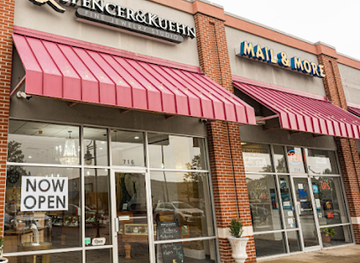
Shopping in Morgantown is divided between the independent businesses of downtown, university-oriented retail and larger commercial areas beyond the centre. High Street is the most characterful place for browsing locally owned bookshops, clothing stores, cafés, gifts and specialist retailers in an urban setting shaped by the university. The Seneca Center, in a former industrial building, provides space for shops, services and local businesses, while Morgantown Mall and surrounding retail areas offer mainstream brands and everyday shopping. Visitors looking for regional products may find West Virginia-made crafts, pottery, artwork, preserves, honey, baked goods and locally produced drinks at markets, outlets and seasonal events. The city is more suited to a mixture of practical retail and independent browsing than to a concentrated luxury-shopping experience, with the character of each area changing according to the university calendar.
-
Business center
Pierpont Centre
Explore the vibrant Pierpont Centre in Morgantown, WV, your go-to destination for shopping, dining, and local culture.
16 min drive · 5.4 km from city centre
-
Thrift store
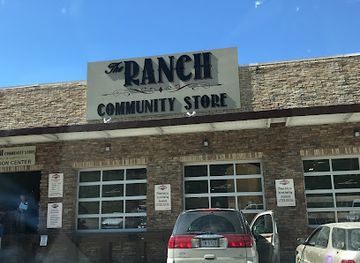
The Ranch Community Store
Explore The Ranch Community Store in Morgantown, WV—your go-to thrift shop for unique finds and community support.
6 min drive · 2.1 km from city centre
-
Gift shop
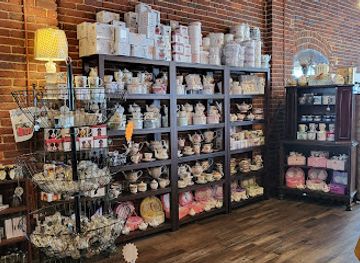
The Tea Shoppe
Discover the perfect blend of relaxation and unique gifts at The Tea Shoppe in Morgantown, where every sip tells a story.
18 min walk · 1.5 km from city centre
-
Asian grocery store
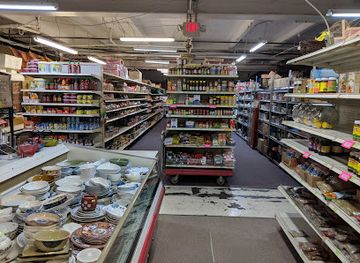
Von Son Asian Market
Explore Von Son Asian Market for an authentic taste of Asia with a diverse selection of groceries, spices, and fresh produce in Morgantown.
4 min walk · 0.3 km from city centre
Get your free copy of our complete guide to Morgantown, delivered straight to you.
Everything on this page, from attractions and restaurants to essentials and local phrases, in one PDF you can read offline, print or share.
Already have an account? Sign in
Your Morgantown guide is ready.
We'll send it to · Not you? Sign out

Getting your guide ready…
We are putting together a fresh copy of the Morgantown guide. This can take up to a minute.
This can take a few moments. If your browser asks, choose Allow so the download can start. You'll find the guide in your Downloads folder.
Nothing happened? Download it again
Sorry, the guide is taking longer than usual. Please try again in a minute, or get it by email instead.
Morgantown essentials
Currency and Payment
Safety
Emergency Situations
Do's and Don'ts
Local Tips
From Eve
Local phrases worth knowing
You don't need to get them perfect. A few words go a long way, and locals appreciate the effort.
Basics
| English | Local | Say it |
|---|---|---|
| Hello | Howdy | [haw-dee] |
| Goodbye | See ya | [see yuh] |
| Yes | Yup | [yuhp] |
| No | Nah | [nuh] |
| Please/You're welcome | Please/No problem | [pleez / no prob-lem] |
| Thank you | Thanks | [thanks] |
| Excuse me/Sorry | Pardon me/My bad | [par-dun mee / mah bad] |
| How are you? | How y'all doin'? | [how y'all doin'] |
| Fine. And you? | Just fine. How 'bout you? | [just fine. how 'bout yuh] |
| Do you speak English? | Ya speak English? | [ya speak ing-glish] |
| I don't understand | I ain't gettin' it | [i ain't get-tin' it] |
Eating & Drinking
| English | Local | Say it |
|---|---|---|
| I'd like to see the menu, please | Can I check out the menu, please | [can i chek out the menu, please] |
| I don't eat meat | I don't do meat | [i don't do meat] |
| Cheers! | Bottoms up! | [bot-ums up] |
| I would like to pay, please | I'll settle up, please | [i'll set-tul up, please] |
Emergencies
| English | Local | Say it |
|---|---|---|
| Help! | Help! | [help] |
| Go away! | Get lost! | [get lost] |
| Call the Police! | Ring the cops! | [ring the cops] |
| Call a doctor! | Get a doc! | [get a doc] |
| I'm lost | I'm turned around | [i'm turned a-round] |
| I'm ill | I'm feelin' under the weather | [i'm feelin' un-der the weath-er] |
Shopping
| English | Local | Say it |
|---|---|---|
| I'd like to buy... | I'm lookin' to buy... | [i'm look-in' to buy] |
| I'm just looking | Just browsin' | [just brow-sin'] |
| How much is it? | What's the damage? | [what's the dam-ij] |
| That's too expensive | That's a bit steep | [that's a bit steep] |
| Can you lower the price? | Can y'all do any better on the price? | [can y'all do any bet-ter on the price] |
Time & Numbers
| English | Local | Say it |
|---|---|---|
| What time is it? | What's the time? | [what's the time] |
| It's one o'clock | It's one | [it's one] |
| Half past (10) | Ten-thirty | [ten-thur-tee] |
| Morning | Mornin' | [morn-in'] |
| Afternoon | Afternoon | [after-noon] |
| Evening | Evenin' | [even-in'] |
| Yesterday | Yestiddy | [yest-id-dee] |
| Today | Today | [to-day] |
| Tomorrow | Tomorra | [tom-or-ra] |
| 1 | One | [wun] |
| 2 | Two | [too] |
| 3 | Three | [three] |
| 4 | Four | [four] |
| 5 | Five | [five] |
| 6 | Six | [six] |
| 7 | Seven | [sev-en] |
| 8 | Eight | [ate] |
| 9 | Nine | [nine] |
| 10 | Ten | [ten] |
Transport & Directions
| English | Local | Say it |
|---|---|---|
| Where's a/the...? | Where's the... | [where's the] |
| What's the address? | What's the addy? | [what's the addy] |
| Can you show me (on the map)? | Can you point me in the right direction? | [can you point me in the right di-rek-shun] |
| When's the next (bus)? | When's the next bus comin'? | [when's the next bus comin'] |
| A ticket (to ....) | A ticket (to ...) | [a ticket (to)] |
History of Morgantown
Indigenous Homelands and Early Settlement
The Morgantown area lies within the historic homelands and travel networks of Indigenous peoples, including the Monongahela culture whose archaeological remains are found across the region. During the eighteenth century, European settlers entered the upper Monongahela Valley as colonial boundaries and land claims shifted. The settlement that became Morgantown developed around the river and the lands associated with Zackquill Morgan, who established a homestead in the area during the 1770s. The community’s location at a river crossing and along routes through the Allegheny uplands helped it grow as a local centre. Early development was shaped by farming, river transport and the gradual creation of roads linking western Virginia with neighbouring settlements.
The Town of Morgans Town
Morgantown was incorporated in 1785, taking its name from the Morgan family that played a major role in its early settlement. The town expanded around a courthouse, commercial streets and the Monongahela River, which provided a natural route for moving people and goods. Its position in what was then western Virginia connected it to wider patterns of frontier trade and agriculture. Before railways and modern roads transformed transport, river traffic and stage routes were essential to local commerce. The surviving street pattern and older buildings in and around downtown reflect this gradual growth from a small river settlement into the administrative and commercial centre of Monongalia County.
The Birth of Higher Education
A major change came in 1867 with the founding of the Agricultural College of West Virginia in Morgantown. The institution was established soon after West Virginia joined the national land-grant college system, and its development gave the town a lasting educational role. It later became West Virginia University, now one of the state’s most important public institutions. University buildings, campus traditions and the steady arrival of students changed Morgantown’s economy and social life, while education and research became as important to the city’s identity as river commerce. Woodburn Hall, completed in the early twentieth century, represents the university’s expansion and remains one of Morgantown’s best-known architectural landmarks.
Railways, Coal and Industrial Growth
Nineteenth- and early twentieth-century transport improvements connected Morgantown more closely with the markets and industries of the Monongahela Valley. Railways and river facilities supported the movement of coal, timber, agricultural products and manufactured goods, while coal mining became a defining economic force across north-central West Virginia. Morgantown benefited as a service, trading and educational centre, even though many mines lay outside the city itself. Industrial activity also altered the riverfront and surrounding communities, bringing workers and migrants into the region. The Mon River Rail-Trail, developed along former railway alignments, now preserves part of this transportation history in a recreational landscape.
Twentieth-Century Urban Transformation
Morgantown changed substantially during the twentieth century as automobile travel, suburban development and West Virginia University’s growing enrolment reshaped the city. The spread of development across steep hills encouraged a multi-centred urban form, with downtown, the university’s separate campuses and surrounding residential districts linked by busy roads. The city also experienced the economic pressures that affected many Appalachian communities as coal employment declined and older industrial systems changed. At the same time, the university expanded its influence in health care, research, sport and public life. Downtown revitalisation and the conversion of former transport corridors into trails helped reconnect residents and visitors with the river and historic core.
Morgantown in the Contemporary Era
Today, Morgantown combines the character of a county seat with that of a major university community. West Virginia University remains a prominent presence in education, medicine, research and athletics, while downtown businesses and riverfront redevelopment support a more varied civic and cultural life. The city’s history is visible in its courthouse square, older commercial buildings, university architecture, rail-trail corridors and relationship with the Monongahela River. Its contemporary identity also reflects the wider changes of northern West Virginia: traditional industries remain part of the regional story, but health care, higher education, technology, outdoor recreation and local enterprise play increasingly important roles.
Morgantown in Photos
Browse through our photo collection highlighting the charm and character of the destination.
Cities near Morgantown
The closest cities to Morgantown, if you have time for more than one stop.
-

-

-

-

-


Swipe for more cities
Explore more

Explore more of West Virginia
Discover West Virginia's natural beauty, historic charm, and outdoor adventures in the heart of the Appalachian Mountains.
Explore West Virginia