

Free Green Bay Travel Guide & Mobile App
Plan your Green Bay trip with Evendo. Get free guides to top attractions, restaurants, hotels, and bars. Web access or download the mobile app.


Green Bay, Wisconsin blends Packers heritage, French-colonial history, museums, waterfront parks and Door County access for an engaging Midwest escape.
A City Shaped by Water and Industry
\n\nGreen Bay occupies the western shore of the bay that shares its name, where the Fox River reaches Lake Michigan. Its setting has influenced centuries of Indigenous life, French and British trade, nineteenth-century lumber commerce and the paper industry that remains important to northeastern Wisconsin. The compact central area combines civic buildings, museums, riverside paths and older commercial streets, while residential neighbourhoods extend towards parks and the suburban communities surrounding the city.\n\nHeritage, Sport and Local Life
\n\nThe Neville Public Museum introduces the region's natural and cultural history, while the National Railroad Museum preserves the story of American rail transport on a substantial outdoor campus. At Lambeau Field, the home of the Green Bay Packers, sport is closely tied to civic identity; the Packers' community ownership model and long history give the stadium significance beyond match days. The adjacent Titletown district adds restaurants, seasonal activities and public spaces.\n\nRiverside Green Bay
\n\nThe Fox River provides a natural thread through the city, with waterfront parks, marinas and trails offering a slower counterpoint to the stadium and museums. Visitors can explore the historic Broadway District, browse local businesses, or follow the river towards attractions such as the Green Bay Botanical Garden, which lies just beyond the central city in the town of union. Green Bay is neither a dense metropolis nor merely a sports stop: its appeal lies in the meeting of working waterfront, Midwestern civic culture, accessible nature and a history that remains visible in its institutions and neighbourhoods.When is the best time to visit Green Bay?
Best: June–August · 24–27°C| Month | High (°C) | Rainfall (mm) |
|---|---|---|
| January | -3 | 37 |
| February | -2 | 31 |
| March | 6 | 45 |
| April | 13 | 65 |
| May | 19 | 75 |
| June (best) | 24 | 81 |
| July (best) | 27 | 86 |
| August (best) | 26 | 85 |
| September | 21 | 71 |
| October | 14 | 61 |
| November | 8 | 45 |
| December | -1 | 40 |
Getting to and around Green Bay
How to get there
Transportation
Best attractions in Green Bay
Green Bay's attractions range from major cultural institutions to riverfront recreation. The National Railroad Museum in Ashwaubenon presents historic locomotives, railway buildings and exhibits on American rail travel across an expansive site. At the western edge of the city, Lambeau Field and the Packers Hall of Fame explore the history of one of the National Football League's most storied teams, while nearby Titletown offers open public space and seasonal activities. The Neville Public Museum in the city centre interprets northeastern Wisconsin's natural, Indigenous and social history. Along the Fox River, parks, paths and waterfront viewpoints reveal the city's industrial setting, and the Broadway District adds galleries, cafés and local events. The Green Bay Botanical Garden, in nearby Ashwaubenon, provides themed gardens and changing seasonal displays rather than a conventional urban park.
-
Stadium
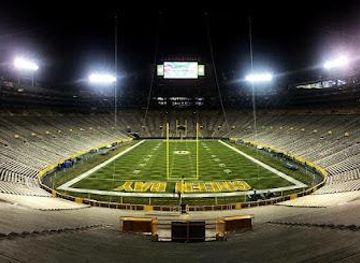
Lambeau Field
Explore Lambeau Field, the legendary home of the Green Bay Packers, where football history and passionate fans create an unforgettable experience.
19 min drive · 6.4 km from city centre
-
Amusement park
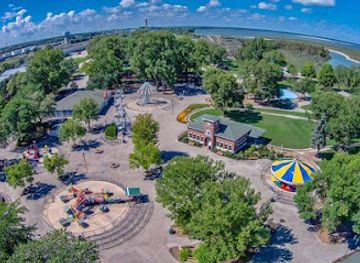
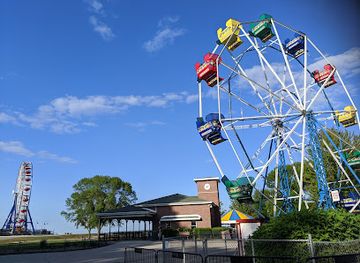
Bay Beach Amusement Park
Discover endless fun and excitement at Bay Beach Amusement Park in Green Bay, Wisconsin, where family-friendly attractions meet beautiful waterfront views.
15 min walk · 1.2 km from city centre
-
Botanical garden
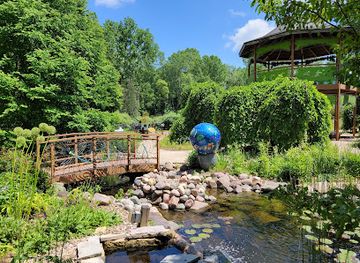
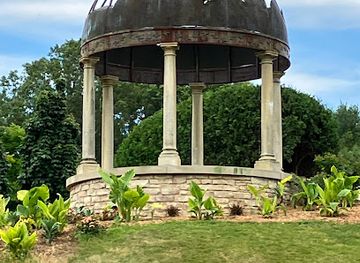
Green Bay Botanical Garden
Discover the breathtaking beauty of Green Bay Botanical Garden, a serene escape filled with vibrant flora and enriching experiences in Wisconsin.
27 min drive · 8.9 km from city centre
-
Botanical garden
Green Bay Botanical Garden
Discover the lush beauty of Green Bay Botanical Garden, a serene oasis filled with diverse plant collections and themed gardens in Wisconsin.
27 min drive · 8.9 km from city centre

Best landmarks in Green Bay
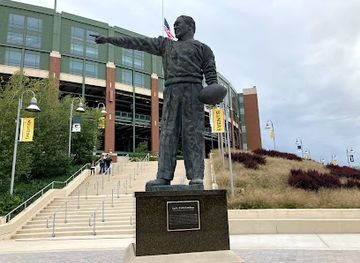
Lambeau Field is Green Bay's most recognisable modern landmark, its brick exterior and bowl-shaped stands representing the long relationship between the Packers and the community. The Neville Public Museum occupies a prominent downtown civic setting and provides a gateway to the region's cultural and natural history. Along the Fox River, the Broadway District and central waterfront preserve the city's links with commerce, shipping and industrial development, while the Meyer Theatre stands as an important historic performance building in the downtown area. St. Francis Xavier Cathedral, rebuilt after an 1881 fire, reflects the city's nineteenth-century Catholic and immigrant communities through its Romanesque Revival design. The former Fort Howard site, although not preserved as a complete fort, remains significant to understanding Green Bay's military and settlement history. Together these places show a city shaped by sport, faith, industry and its strategic waterway.
-
Stadium
Lambeau Field
Discover the iconic Lambeau Field, the legendary home of the Green Bay Packers, where football history meets passionate fandom in a vibrant atmosphere.
19 min drive · 6.4 km from city centre
-
Amusement park
Bay Beach Amusement Park
Discover the excitement of Bay Beach Amusement Park in Green Bay, Wisconsin, where adventure meets family fun along the beautiful lakeside.
15 min walk · 1.2 km from city centre
-
Botanical garden
Green Bay Botanical Garden
Immerse yourself in nature's beauty at the Green Bay Botanical Garden, a stunning landscape filled with diverse plant life and seasonal displays.
27 min drive · 8.9 km from city centre
-
Wildlife refuge
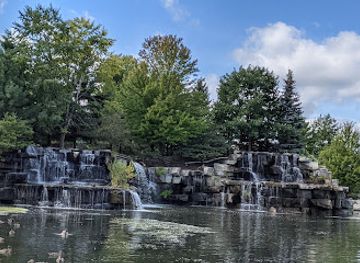
Bay Beach Wildlife Sanctuary
Discover the beauty of nature at Bay Beach Wildlife Sanctuary, a serene wildlife refuge perfect for families and nature enthusiasts in Green Bay, Wisconsin.
15 min walk · 1.2 km from city centre
Explore Green Bay on the map
Plan your Green Bay trip on one map. See where the top attractions, landmarks, restaurants, bars and hotels are, find what's near where you're staying, and book hotels and experiences in a few clicks.
Best hotels in Green Bay
Best restaurants in Green Bay
Green Bay's dining scene reflects northeastern Wisconsin's farming, brewing and immigrant traditions, with supper clubs, taverns, cafés, bakeries and contemporary restaurants spread across the centre, Broadway District and stadium area. Wisconsin cheese curds, bratwurst, burgers and fish fries are familiar local staples, while Friday fish-fry culture remains a particularly strong regional tradition. Menus also draw on German and Central European influences, alongside American comfort food and increasingly diverse international cooking. The downtown and Broadway areas offer independent restaurants and coffee shops, while the streets around Lambeau Field become especially active before and after games. Farmers' markets and seasonal food events provide opportunities to encounter local produce, cheese and prepared foods, although schedules vary throughout the year. Dining is generally informal, with the old Wisconsin supper-club style sitting comfortably beside newer breweries and chef-led kitchens.
-
Pancake
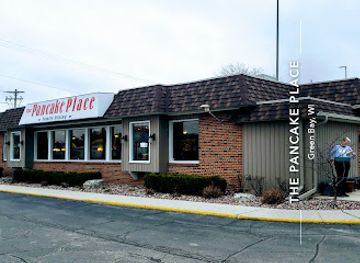
The Pancake Place
Discover the ultimate pancake experience at The Pancake Place in Green Bay - where breakfast dreams come true!
18 min drive · 5.9 km from city centre
-
Grill
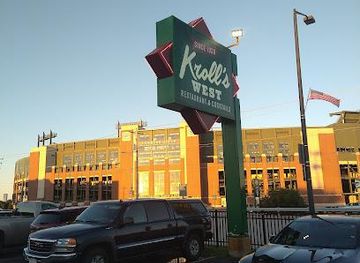
Kroll's West
Savor iconic butter burgers at this Packers-adjacent diner, where melting butter meets juicy beef amid western vibes and game-day buzz just steps from Lambeau Field.
20 min drive · 6.7 km from city centre
-
Gastropub
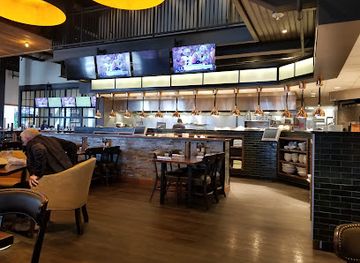
1919 Kitchen & Tap
Experience exceptional American cuisine at 1919 Kitchen & Tap inside Lambeau Field—where food meets football in Green Bay.
19 min drive · 6.3 km from city centre
-
Steak
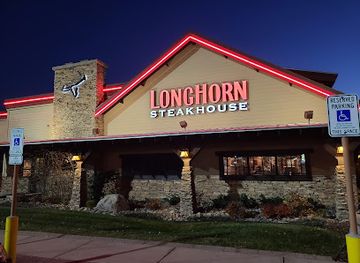
LongHorn Steakhouse
Experience the rich flavors of steak at LongHorn Steakhouse in Green Bay – where every meal is crafted with care.
23 min drive · 7.8 km from city centre
Best bars in Green Bay
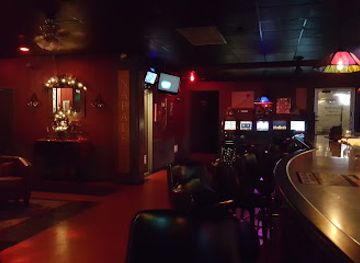
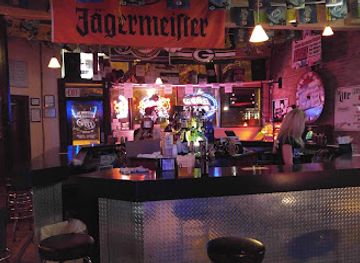
Green Bay's evening life is more associated with neighbourhood taverns, sports bars, breweries, live music and community events than with a large nightclub scene. The streets around Lambeau Field become busy on Packers game days, while downtown and the Broadway District provide a broader mix of pubs, cocktail spaces, local beer venues and restaurants that remain active into the evening. Wisconsin's tavern culture is an established part of social life, and visitors will find an informal atmosphere at many neighbourhood bars. Music performances, theatre and seasonal festivals add alternatives to drinking-focused nightlife, with cultural programming varying by venue and date. Because the city is spread out and winter conditions can be difficult, taxis, app-based rides or a designated driver are sensible choices when moving between districts after dark.
-
Grill
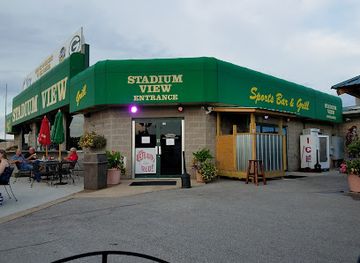
Stadium View Bar, Restaurant & Event Hall
Experience the vibrant atmosphere and delicious American cuisine at Stadium View, your go-to spot for dining and sports in Green Bay.
18 min drive · 5.9 km from city centre
-
Sports bar
Anduzzi's Sports Club - Holmgren Way
Experience the ultimate sports bar atmosphere at Anduzzi's Sports Club in Green Bay, featuring delicious food, great drinks, and all the game-day action.
18 min drive · 6.1 km from city centre
-
Grill
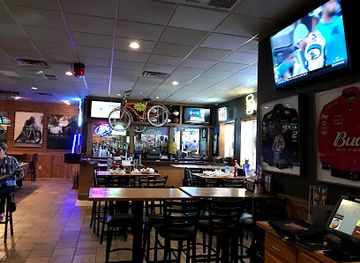
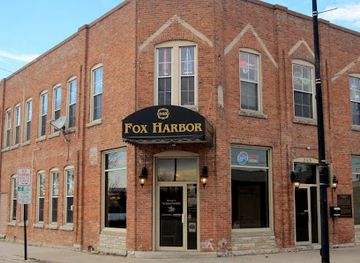
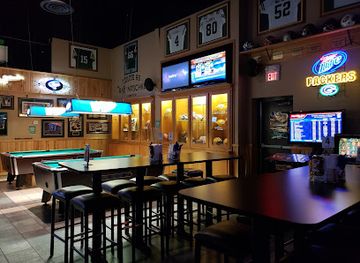
Fox Harbor
Discover the charm of Fox Harbor in Green Bay, where delicious grill favorites meet a lively bar atmosphere for an unforgettable dining experience.
8 min drive · 2.8 km from city centre
-
American
The Bar - Holmgren Way
Savor American comfort food and drinks at The Bar - Holmgren Way in Green Bay, a vibrant spot for locals and tourists alike.
18 min drive · 6.0 km from city centre
Best nightclubs in Green Bay
Green Bay's evening life is more associated with neighbourhood taverns, sports bars, breweries, live music and community events than with a large nightclub scene. The streets around Lambeau Field become busy on Packers game days, while downtown and the Broadway District provide a broader mix of pubs, cocktail spaces, local beer venues and restaurants that remain active into the evening. Wisconsin's tavern culture is an established part of social life, and visitors will find an informal atmosphere at many neighbourhood bars. Music performances, theatre and seasonal festivals add alternatives to drinking-focused nightlife, with cultural programming varying by venue and date. Because the city is spread out and winter conditions can be difficult, taxis, app-based rides or a designated driver are sensible choices when moving between districts after dark.
-
Bar
RumRunners
Discover the lively atmosphere of RumRunners in Green Bay, WI—a cocktail bar, karaoke hotspot, and sports haven all in one!
10 min drive · 3.4 km from city centre
-
Grill
Napalese Lounge
Experience the lively atmosphere of Napalese Lounge, an inviting grill and cocktail bar in Green Bay, perfect for a memorable night out.
16 min walk · 1.3 km from city centre
-
Bar
Stage 1
Discover the lively atmosphere at Stage 1, a premier bar and event venue in Green Bay, offering great drinks, entertainment, and a welcoming beer garden.
8 min drive · 2.7 km from city centre
-
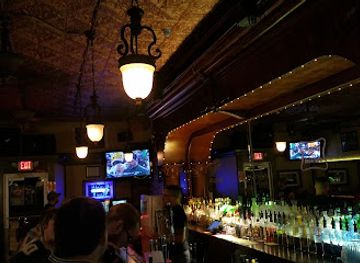
Night club
Stir-Ups Parlor & Saloon
Experience the vibrant nightlife at Stir-Ups Parlor & Saloon, where live music and a lively atmosphere create unforgettable nights in Green Bay.
8 min drive · 2.5 km from city centre

Best shops in Green Bay
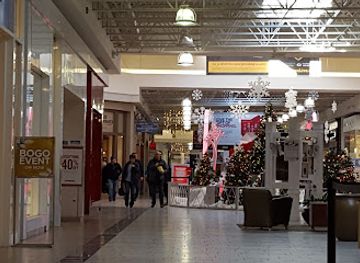
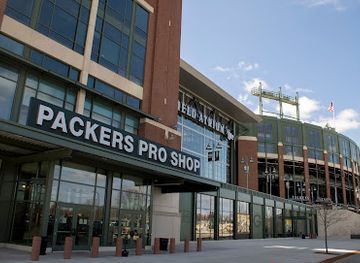
Shopping in Green Bay combines everyday retail with independent businesses in the Broadway District, downtown and the commercial areas around Bay Park Square. Broadway's older streets are associated with locally owned shops, galleries, cafés and small retailers, while the central area offers boutiques and specialist businesses within a walkable urban setting. Visitors looking for Wisconsin products can find cheese, beer-related goods, food gifts, Packers merchandise and locally made crafts, with availability varying between shops and seasons. The farmers' market tradition adds fresh produce, baked goods and prepared food during its operating periods. Around Lambeau Field, sports merchandise is a major part of the retail landscape, while larger shopping centres and suburban stores serve conventional fashion and household needs. A car may be useful for combining downtown shopping with dispersed suburban retail.
-
Shopping mall
Bay Park Square
Discover an extensive shopping experience at Bay Park Square in Green Bay, featuring over 200 stores, dining options, and entertainment for all ages.
23 min drive · 7.6 km from city centre
-
Gift shop
Packers Pro Shop
Discover the ultimate destination for Green Bay Packers fans at the Packers Pro Shop, where passion meets memorabilia and shopping delights.
19 min drive · 6.2 km from city centre
-
Shopping mall
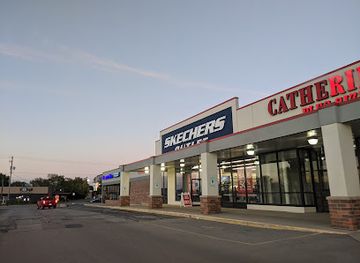
Green Bay Plaza
Discover the ultimate shopping experience at Green Bay Plaza in Wisconsin, where retail therapy meets delightful dining and family fun.
18 min drive · 6.0 km from city centre
-
Shopping mall
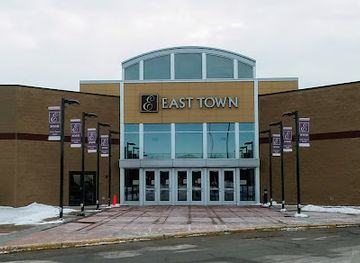
East Town
Experience shopping bliss at East Town Mall in Green Bay, where variety meets convenience in a lively atmosphere.
13 min drive · 4.3 km from city centre
Get your free copy of our complete guide to Green Bay, delivered straight to you.
Everything on this page, from attractions and restaurants to essentials and local phrases, in one PDF you can read offline, print or share.
Already have an account? Sign in
Your Green Bay guide is ready.
We'll send it to · Not you? Sign out

Getting your guide ready…
We are putting together a fresh copy of the Green Bay guide. This can take up to a minute.
This can take a few moments. If your browser asks, choose Allow so the download can start. You'll find the guide in your Downloads folder.
Nothing happened? Download it again
Sorry, the guide is taking longer than usual. Please try again in a minute, or get it by email instead.
Green Bay essentials
Currency and Payment
Safety
Emergency Situations
Do's and Don'ts
Local Tips
From Eve
Local phrases worth knowing
You don't need to get them perfect. A few words go a long way, and locals appreciate the effort.
Basics
| English | Local | Say it |
|---|---|---|
| Hello | Hey there | [hey th-air] |
| Goodbye | See ya | [see yah] |
| Yes | Yeah | [yeh] |
| No | Nah | [nah] |
| Please/You're welcome | Please/No problem | [pleez/no probl-em] |
| Thank you | Thanks | [thanks] |
| Excuse me/Sorry | Pardon me/My bad | [pardon me/my bad] |
| How are you? | How's it going? | [hows it go-ing] |
| Fine. And you? | Good. How about you? | [good. how a-bout yah] |
| Do you speak English? | You speak English? | [yew speak ing-glish] |
| I don't understand | I don't get it | [eye dont get it] |
Eating & Drinking
| English | Local | Say it |
|---|---|---|
| I'd like to see the menu, please | Can I check out the menu? | [kan eye chek out the menu] |
| I don't eat meat | I'm vegetarian | [eye-m veg-eh-tare-ee-an] |
| Cheers! | Cheers! | [cheers!] |
| I would like to pay, please | I'll settle up, thanks | [eye-ell set-el up thanks] |
Emergencies
| English | Local | Say it |
|---|---|---|
| Help! | Help! | [help] |
| Go away! | Get lost! | [get lost] |
| Call the Police! | Call the Cops! | [call the cops] |
| Call a doctor! | Get a doctor! | [get a doc-tor] |
| I'm lost | I'm turned around | [eye-m turned a-round] |
| I'm ill | I'm sick | [eye-m sick] |
Shopping
| English | Local | Say it |
|---|---|---|
| I'd like to buy... | I wanna purchase... | [eye wanna pur-chase] |
| I'm just looking | Just browsing | [just brows-ing] |
| How much is it? | What's the damage? | [whats the dam-age] |
| That's too expensive | That's pricey | [thats pr-eye-see] |
| Can you lower the price? | Can you cut me a deal? | [kan yew cut me a deal] |
Time & Numbers
| English | Local | Say it |
|---|---|---|
| What time is it? | What's the time? | [whats the time] |
| It's one o'clock | It's one | [its one] |
| Half past (10) | Ten thirty | [ten thur-tee] |
| Morning | Morning | [morning] |
| Afternoon | Afternoon | [after-noon] |
| Evening | Evening | [even-ing] |
| Yesterday | Yesterday | [yester-day] |
| Today | Today | [to-day] |
| Tomorrow | Tomorrow | [to-mor-row] |
| 1 | One | [wun] |
| 2 | Two | [too] |
| 3 | Three | [three] |
| 4 | Four | [four] |
| 5 | Five | [five] |
| 6 | Six | [six] |
| 7 | Seven | [seven] |
| 8 | Eight | [ate] |
| 9 | Nine | [nine] |
| 10 | Ten | [ten] |
Transport & Directions
| English | Local | Say it |
|---|---|---|
| Where's a/the...? | Where's the... | [wheres the] |
| What's the address? | What's the address? | [whats the address] |
| Can you show me (on the map)? | Can you show me (on the map)? | [kan yew show me (on the map)] |
| When's the next (bus)? | When's the next (bus)? | [whens the next (bus)] |
| A ticket (to ....) | A ticket (to ....) | [a tick-et (to)] |
History of Green Bay
Indigenous Homelands and the Fox River
The Green Bay area lies within the traditional homelands of Indigenous peoples, especially the Menominee, whose relationship with the bay, river and surrounding forests long predates European settlement. The Fox River connected the Great Lakes with the interior of Wisconsin, making the region an important corridor for travel, trade and diplomacy. Ho-Chunk and other nations also have longstanding connections to the wider area. The bay's French name, La Baye des Puants, reflected early European naming practices rather than Indigenous terminology; the modern name Green Bay emerged later. This layered history remains significant to understanding northeastern Wisconsin, where waterways shaped settlement patterns and continue to frame the city's geography.
French Exploration and the Fur Trade
French explorers and missionaries entered the region during the seventeenth century as France expanded its commercial and religious networks around the Great Lakes. Jean Nicolet is traditionally associated with an early French visit to Green Bay in 1634, although the precise details of early encounters are interpreted through European records and Indigenous histories. French traders established relationships with local nations and participated in the fur trade, while Jesuit missionaries documented the area. Green Bay consequently became part of a wider Great Lakes world linking Indigenous diplomacy, European commerce and Catholic mission activity. The settlement that developed around the bay was known for much of its early history as La Baye.
Fort Howard and American Expansion
After the War of 1812, the United States strengthened its presence at the mouth of the Fox River by establishing Fort Howard in 1816. The fort supported military control and helped encourage the growth of a civilian settlement on the opposite bank, later known as Fort Howard. American administration brought new commercial connections and intensified pressure on Indigenous communities as settlement expanded. In 1838, the communities of Green Bay and Astor were incorporated together, and the developing town became an important regional centre. Fort Howard was eventually abandoned in the nineteenth century, but its presence influenced the city's early street plan, political development and relationship with the river.
Lumber, Canals and Civic Growth
During the nineteenth century, Green Bay grew through shipping, timber and agricultural trade. Sawmills processed logs from northern Wisconsin, while the Fox-Wisconsin waterway and improvements to navigation strengthened links between Lake Michigan and the interior. Rail connections later broadened the city's commercial reach and supported population growth. German, Belgian and other immigrant communities contributed to the social and religious life of the expanding city, while churches, schools and civic buildings gave shape to established neighbourhoods. Green Bay was formally incorporated as a city in 1854. The era's prosperity left an architectural and institutional legacy, even as changing transport and industry altered the importance of the riverfront.
Paper Manufacturing and Modern Industry
As the lumber economy declined, paper manufacturing became a defining part of Green Bay's industrial identity. The Fox River corridor offered water, transport connections and access to the region's timber resources, helping mills and related businesses develop during the late nineteenth and twentieth centuries. Paper production brought employment and shaped the city's relationship with the river, while also creating environmental pressures that later demanded extensive clean-up and regulation. Manufacturing remains part of the wider metropolitan economy, although modern Green Bay is more diversified than the industrial city of the past. Museums, restored districts and riverfront projects reflect continuing efforts to interpret and re-use this industrial heritage.
The Packers and Community Identity
The Green Bay Packers were founded in 1919 by Earl 'Curly' Lambeau and George Calhoun, beginning a sporting institution that became central to the city's public identity. The team played at several early grounds before moving to the stadium now known as Lambeau Field in 1957. Green Bay's small-market status and the Packers' unusual community ownership structure distinguish the club within American professional sport. Success under coach Vince Lombardi in the 1960s established a national association between the city and championship football, while later redevelopment around the stadium created the Titletown district. Packers history is embedded in museums, public culture and the economy of the wider city.
Green Bay in Photos
Browse through our photo collection highlighting the charm and character of the destination.
Cities near Green Bay
The closest cities to Green Bay, if you have time for more than one stop.
-

-

-
-

-


Swipe for more cities
Explore more

Explore more of Wisconsin
Discover Wisconsin: A Midwestern gem offering stunning natural landscapes, rich cultural experiences, and a taste of America's finest dairy products.
Explore Wisconsin