

Free Sheboygan Travel Guide & Mobile App
Plan your Sheboygan trip with Evendo. Get free guides to top attractions, restaurants, hotels, and bars. Web access or download the mobile app.


Sheboygan, Wisconsin blends Lake Michigan beaches, freshwater surfing, lively arts, historic streets, museums and distinctive local food culture.
Lake Michigan and Lakeside Character
\n\nSheboygan occupies a broad stretch of Wisconsin’s Lake Michigan shoreline, roughly halfway between Milwaukee and Green Bay. Its identity is shaped by the water: a working harbour, sandy beaches, a long lakeside promenade and a small but influential freshwater-surfing community give the city an atmosphere unlike many inland Midwestern destinations. North and South Piers frame the entrance to the Sheboygan River, while nearby parks open onto dunes, grassland and the shifting colours of the lake.\n\nArts, Heritage and Everyday City Life
\n\nThe walkable downtown centres on historic 8th Street, where independent shops, cafés, restaurants, breweries and the Stefanie H. Weill Center for the Performing Arts occupy a traditional commercial streetscape. The John Michael Kohler Arts Center brings internationally recognised contemporary art and installation work to a city with deep manufacturing roots, while the Sheboygan County Historical Museum traces local life from Indigenous history through industrial growth and immigration. Families are drawn to Bookworm Gardens and the Above & Beyond Children’s Museum, and the city’s public art, lakefront trails and beaches make outdoor time part of the daily rhythm. Sheboygan is neither a resort town nor simply an industrial centre; it is a working Wisconsin community whose cultural life, shoreline and history remain closely connected.When is the best time to visit Sheboygan?
Best: June, August–September · 22–26°C| Month | High (°C) | Rainfall (mm) |
|---|---|---|
| January | 0 | 38 |
| February | 2 | 36 |
| March | 7 | 48 |
| April | 13 | 64 |
| May | 19 | 76 |
| June (best) | 23 | 79 |
| July | 26 | 86 |
| August (best) | 26 | 81 |
| September (best) | 22 | 65 |
| October | 15 | 61 |
| November | 8 | 51 |
| December | 2 | 46 |
Getting to and around Sheboygan
How to get there
Transportation
Best attractions in Sheboygan
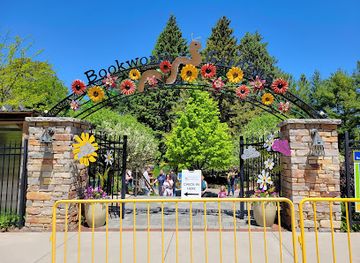
Sheboygan’s principal attractions range from contemporary art to open shoreline. The John Michael Kohler Arts Center is known for ambitious exhibitions, artist installations and a collection associated with vernacular environments, while the Sheboygan County Historical Museum places local industry, immigration and community life in context. Along the water, the Sheboygan River harbour, South Pier and North Pier create a scenic route for watching boats, birds and Lake Michigan’s famously changeable weather. Bookworm Gardens offers a literary-themed botanical setting designed especially for families, and the Above & Beyond Children’s Museum provides hands-on learning in downtown. The city’s beaches and lakefront parks are central to its outdoor character, with freshwater surfing adding an unusual dimension to Wisconsin sightseeing. The Sheboygan Visual Artists gallery and public artworks add further cultural interest, while nearby Kohler-Andrae State Park, just south of the city, extends the experience into dunes and coastal grassland rather than belonging to Sheboygan proper.
-
Tourist attraction
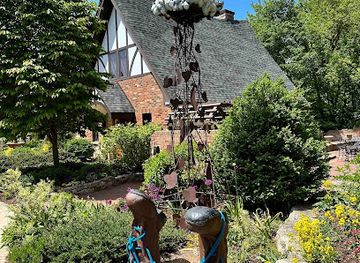
Bookworm Gardens
Discover the magic of stories and nature intertwined at Bookworm Gardens, a unique botanical garden experience in Sheboygan, Wisconsin.
10 min drive · 3.4 km from city centre
-
Tourist attraction
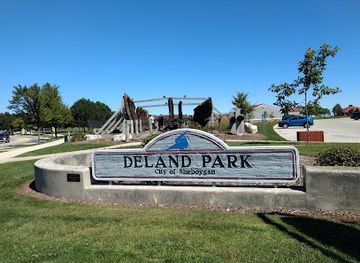
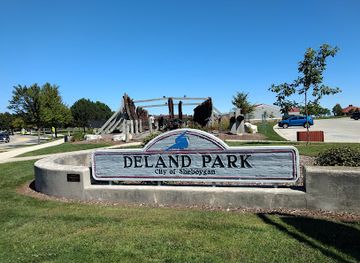
Deland Park
Discover Deland Park in Sheboygan: A tranquil beach park perfect for family outings, picnics, and lakeside relaxation amidst lush greenery.
12 min walk · 1.0 km from city centre
-
Tourist attraction
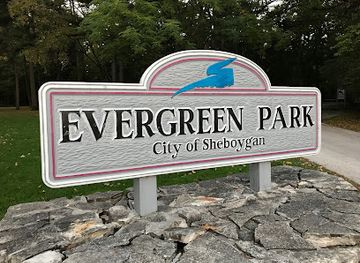
Evergreen Park
Explore the beauty of Evergreen Park, Sheboygan's serene escape into nature featuring hiking, fishing, and family-friendly amenities.
12 min drive · 4.0 km from city centre
-
Tourist attraction
John Michael Kohler Arts Center
Explore the vibrant John Michael Kohler Arts Center in Sheboygan, where contemporary art meets community spirit through exhibitions, workshops, and unique dining.
5 min walk · 0.4 km from city centre

Best landmarks in Sheboygan
The Sheboygan waterfront is marked by South Pier and North Pier, whose navigation structures frame the entrance to the Sheboygan River and express the city’s historic relationship with Great Lakes shipping. The Sheboygan Watermark, a large public sculpture near the lakefront, provides a contemporary civic counterpoint to the harbour’s working infrastructure. Downtown, the Stefanie H. Weill Center for the Performing Arts occupies a restored historic theatre whose ornate interior reflects the entertainment and commercial confidence of an earlier era. The John Michael Kohler Arts Center is an important cultural landmark, not only for its exhibitions but also for the way it connects Sheboygan’s manufacturing background with contemporary creativity. Historic churches and commercial buildings around central Sheboygan reveal the influence of nineteenth-century immigration and trade, while the Sheboygan County Courthouse and civic buildings give the city’s core a recognisable public, institutional character.
-
Resort hotel
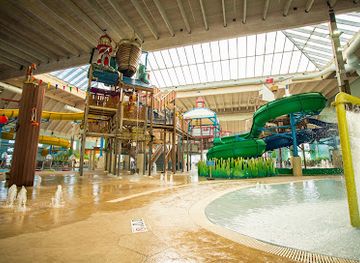
Blue Harbor Resort
Discover Blue Harbor Resort: A premier lakeside destination in Sheboygan, Wisconsin, featuring luxurious accommodations, a thrilling water park, and unforgettable views.
11 min walk · 0.9 km from city centre
-
Botanical garden
Bookworm Gardens
Explore Bookworm Gardens in Sheboygan, where nature and stories entwine to create a magical experience for visitors of all ages.
10 min drive · 3.4 km from city centre
-
Park
Deland Park
Explore Deland Park in Sheboygan, Wisconsin - a breathtaking park featuring sandy beaches, lush landscapes, and endless recreational activities for all!
12 min walk · 1.0 km from city centre
-
Coffee shop
Paradigm Coffee and Music
Experience the perfect blend of exceptional coffee and live music at Paradigm Coffee and Music in Sheboygan, Wisconsin.
10 min walk · 0.8 km from city centre
Explore Sheboygan on the map
Plan your Sheboygan trip on one map. See where the top attractions, landmarks, restaurants, bars and hotels are, find what's near where you're staying, and book hotels and experiences in a few clicks.
Best hotels in Sheboygan
Best restaurants in Sheboygan
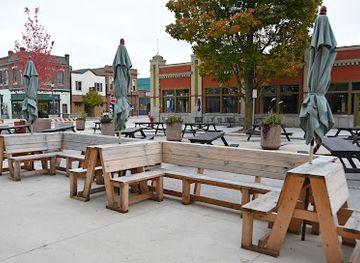
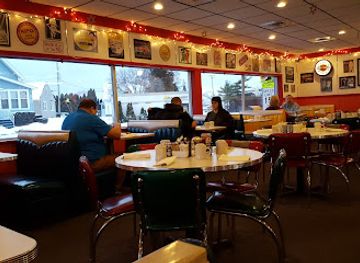
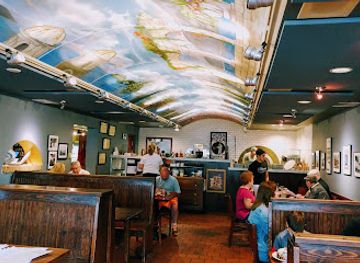
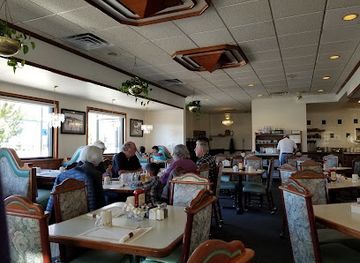
Sheboygan’s food culture reflects Wisconsin’s German heritage, dairy country and long-standing working-city traditions. A classic local meal may involve bratwurst, beer, cheese curds or a Friday fish fry, with perch, cod and other lake and freshwater-fish traditions appearing in seasonal and family-run menus. Downtown 8th Street and the riverfront offer the broadest concentration of restaurants, cafés and bars, while neighbourhood taverns preserve the informal atmosphere associated with Wisconsin supper clubs and community gatherings. Bakeries and delis add German-influenced and Midwestern comfort foods, and farmers’ markets bring cheese, vegetables, baked goods and locally made products into the city’s seasonal food scene. Contemporary restaurants increasingly work with regional ingredients without displacing the older culinary vocabulary of fried fish, sausages, burgers and convivial tavern dining.
-
Restaurant
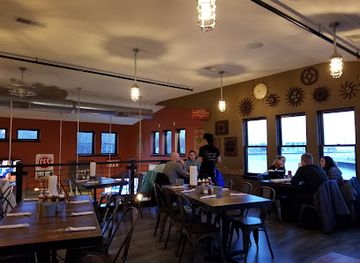
Parker John's BBQ & Pizza
Discover the best barbecue and pizza at Parker John's in Sheboygan – where delicious flavors meet stunning riverfront views.
6 min walk · 0.5 km from city centre
-
Breakfast
Harry's Diner
Experience classic American breakfasts at Harry's Diner in Sheboygan, WI - where nostalgia meets deliciousness.
8 min drive · 2.8 km from city centre
-
Italian
Il Ritrovo
Experience authentic Italian flavors at Il Ritrovo in Sheboygan - where delicious pizza meets quality Italian groceries.
3 min walk · 0.2 km from city centre
-
Family-friendly
Sheboygan's Family Restaurant
Experience comfort food at Sheboygan's Family Restaurant - your go-to family-friendly diner in Wisconsin offering delicious breakfasts and traditional American meals.
10 min drive · 3.2 km from city centre
Best bars in Sheboygan
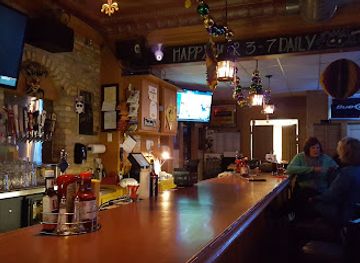
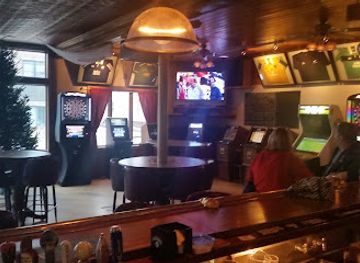
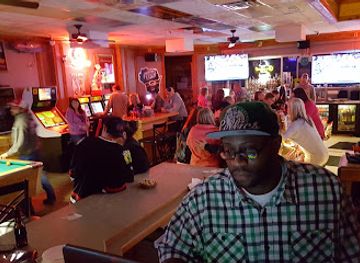
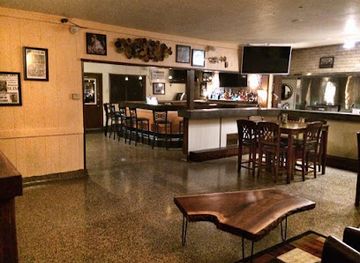
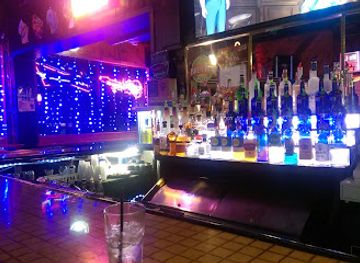
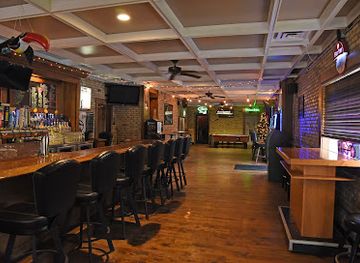
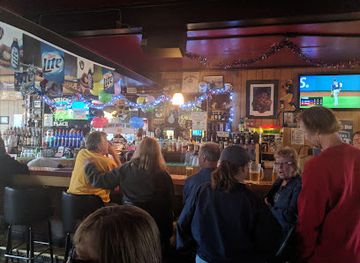
Sheboygan’s evening scene is sociable rather than club-intensive, centred on downtown 8th Street, neighbourhood taverns, brewery taprooms and the lakefront. Local brewing is represented by venues such as 3 Sheeps Brewing Company, where the emphasis is on craft beer and conversation, while bars around the central district provide a traditional Wisconsin setting for meeting friends and watching sport. The Stefanie H. Weill Center for the Performing Arts broadens the night-time offering with concerts, theatre, comedy and touring performances, and community arts calendars may include live music or seasonal events. The city’s connection with surfing and the lake also shapes informal summer evenings, although waterfront conditions and weather can limit activity. Visitors should expect an early-to-moderate closing rhythm compared with larger American cities, with nightlife focused more on local social life than large nightclubs.
-
Bar
Bourbon Street Pub and Grill
Discover the lively charm of Bourbon Street Pub and Grill, where delicious dining meets vibrant nightlife in Sheboygan, Wisconsin.
15 min walk · 1.2 km from city centre
-
Pub
The Silver Fern
Discover the charm of The Silver Fern, a cozy pub in Sheboygan, Wisconsin, offering delicious food and a vibrant atmosphere for all visitors.
8 min drive · 2.5 km from city centre
-
Grill
What's Up Bar & Grill
Discover Sheboygan's culinary gem at What's Up Bar & Grill, where delicious grill favorites and a lively atmosphere await every visitor.
17 min walk · 1.4 km from city centre
-
Bar
Limelight Pub
Experience Sheboygan's nightlife at Limelight Pub, where craft drinks and live music create the perfect evening ambiance.
6 min drive · 2.0 km from city centre
Best nightclubs in Sheboygan
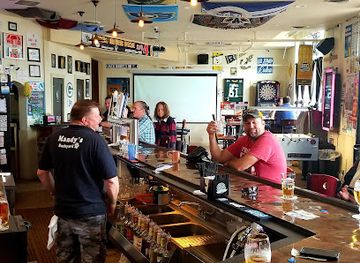
Sheboygan’s evening scene is sociable rather than club-intensive, centred on downtown 8th Street, neighbourhood taverns, brewery taprooms and the lakefront. Local brewing is represented by venues such as 3 Sheeps Brewing Company, where the emphasis is on craft beer and conversation, while bars around the central district provide a traditional Wisconsin setting for meeting friends and watching sport. The Stefanie H. Weill Center for the Performing Arts broadens the night-time offering with concerts, theatre, comedy and touring performances, and community arts calendars may include live music or seasonal events. The city’s connection with surfing and the lake also shapes informal summer evenings, although waterfront conditions and weather can limit activity. Visitors should expect an early-to-moderate closing rhythm compared with larger American cities, with nightlife focused more on local social life than large nightclubs.
-
Bar
Harbor Lights
Experience the vibrant nightlife at Harbor Lights in Sheboygan, WI, offering delicious drinks, karaoke, and a welcoming atmosphere for all.
7 min walk · 0.6 km from city centre
-
Bar
Rewind
Discover Sheboygan's nightlife at Rewind, a lively bar offering eclectic drinks, friendly vibes, and exciting events for an unforgettable evening.
11 min walk · 0.9 km from city centre
-
Bar
Vreeke's Tavern
Experience the vibrant heart of Sheboygan at Vreeke's Tavern, where local brews, karaoke nights, and friendly faces await you.
11 min walk · 0.9 km from city centre
-
Bar
The End Zone
Experience the thrill of sports and delicious dining at The End Zone, Sheboygan's premier sports bar, perfect for all visitors seeking fun and excitement.
10 min walk · 0.8 km from city centre
Best shops in Sheboygan
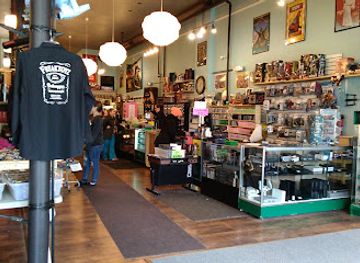
Shopping in Sheboygan is concentrated around downtown 8th Street, where independent retailers, galleries, cafés and service businesses occupy the city’s historic commercial centre. The district is suited to browsing rather than large-scale luxury shopping, with locally made art, gifts, books, clothing and practical Wisconsin souvenirs appearing alongside everyday retail. Farmers’ markets and seasonal community markets provide opportunities to buy regional produce, baked goods, flowers and prepared food, while the city’s arts institutions connect shopping with exhibitions and local creative work. Visitors interested in Wisconsin products can look for cheese, preserves, beer-related merchandise and craft goods, though selection varies by shop and season. Larger chains and everyday shopping are found beyond the historic core, while the nearby Kohler area has a stronger association with design and plumbing products than with Sheboygan’s own traditional retail streets.
-
Toy store
Freaktoyz
Discover a magical world of toys and collectibles at Freaktoyz in Sheboygan, Wisconsin, where nostalgia meets modern fun.
1 min walk · 0.1 km from city centre
-
Shopping mall
Deertrace Kohler
Experience the ultimate shopping adventure at Deertrace Kohler in Sheboygan, WI, where retail therapy meets a vibrant dining scene and exciting events.
17 min drive · 5.6 km from city centre
-
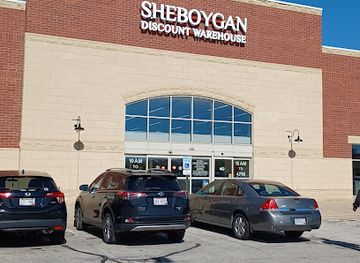
Discount store
Sheboygan Discount Warehouse
Explore unbeatable deals at Sheboygan Discount Warehouse, a shopper's paradise with a wide variety of products at incredible prices.
10 min drive · 3.4 km from city centre
-
Gift shop
The Shops At Woodlake Kohler
Explore The Shops At Woodlake Kohler for unique gifts, boutique shopping, and local dining in a picturesque setting.
17 min drive · 5.6 km from city centre
Get your free copy of our complete guide to Sheboygan, delivered straight to you.
Everything on this page, from attractions and restaurants to essentials and local phrases, in one PDF you can read offline, print or share.
Already have an account? Sign in
Your Sheboygan guide is ready.
We'll send it to · Not you? Sign out

Getting your guide ready…
We are putting together a fresh copy of the Sheboygan guide. This can take up to a minute.
This can take a few moments. If your browser asks, choose Allow so the download can start. You'll find the guide in your Downloads folder.
Nothing happened? Download it again
Sorry, the guide is taking longer than usual. Please try again in a minute, or get it by email instead.
Sheboygan essentials
Currency and Payment
Safety
Emergency Situations
Do's and Don'ts
Local Tips
From Eve
Local phrases worth knowing
You don't need to get them perfect. A few words go a long way, and locals appreciate the effort.
Basics
| English | Local | Say it |
|---|---|---|
| Hello | Hallo | [hah-loh] |
| Goodbye | Auf Wiedersehen | [owf vee-der-zayn] |
| Yes | Ya | [yah] |
| No | Nein | [nine] |
| Please/You're welcome | Bitte | [bih-tuh] |
| Thank you | Danke | [dahn-kuh] |
| Excuse me/Sorry | Entschuldigung | [ent-shool-dee-goong] |
| How are you? | Wie geht's? | [vee gates] |
| Fine. And you? | Gut. Und dir? | [goot oont deer] |
| Do you speak English? | Sprechen Sie Englisch? | [shpre-khen zee eng-lish] |
| I don't understand | Ich verstehe nicht | [ikh fer-shtey-uh nikht] |
Eating & Drinking
| English | Local | Say it |
|---|---|---|
| I'd like to see the menu, please | Ich möchte bitte die Speisekarte sehen | [ikh merkh-tuh bih-tuh dee shpy-zuh-kahr-tuh zay-en] |
| I don't eat meat | Ich esse kein Fleisch | [ikh ess-uh kine flysh] |
| Cheers! | Prost! | [prohst] |
| I would like to pay, please | Ich möchte bitte bezahlen | [ikh merkh-tuh bih-tuh buh-tsah-len] |
Emergencies
| English | Local | Say it |
|---|---|---|
| Help! | Hilfe! | [hil-fuh] |
| Go away! | Geh weg! | [gay vekh] |
| Call the Police! | Rufen Sie die Polizei! | [roo-fen zee dee poh-lee-tsye] |
| Call a doctor! | Rufen Sie einen Arzt! | [roo-fen zee iyn-en ahrts] |
| I'm lost | Ich bin verloren | [ikh been fer-loh-ren] |
| I'm ill | Ich bin krank | [ikh been krunk] |
Shopping
| English | Local | Say it |
|---|---|---|
| I'd like to buy... | Ich möchte kaufen... | [ikh merkh-tuh kow-fen] |
| I'm just looking | Ich schaue nur | [ikh shou-uh noor] |
| How much is it? | Wie viel kostet es? | [vee feel kohs-tet es] |
| That's too expensive | Das ist zu teuer | [dahs ist tsoo toy-er] |
| Can you lower the price? | Können Sie den Preis senken? | [kern-en zee den prys zeng-ken] |
Time & Numbers
| English | Local | Say it |
|---|---|---|
| What time is it? | Wie spät ist es? | [vee shpayt ist es] |
| It's one o'clock | Es ist ein Uhr | [es ist iyn oor] |
| Half past (10) | Halb zehn | [halb tsayn] |
| Morning | Morgen | [mohr-guhn] |
| Afternoon | Nachmittag | [nahk-mit-tahk] |
| Evening | Abend | [ah-bent] |
| Yesterday | Gestern | [geh-stern] |
| Today | Heute | [hoy-teh] |
| Tomorrow | Morgen | [mohr-guhn] |
| 1 | Eins | [ines] |
| 2 | Zwei | [tsvye] |
| 3 | Drei | [dry] |
| 4 | Vier | [feer] |
| 5 | Fünf | [foonf] |
| 6 | Sechs | [zeks] |
| 7 | Sieben | [zee-ben] |
| 8 | Acht | [ahkt] |
| 9 | Neun | [noyn] |
| 10 | Zehn | [tsayn] |
Transport & Directions
| English | Local | Say it |
|---|---|---|
| Where's a/the...? | Wo ist ein/der...? | [voh ist iyn/dehr] |
| What's the address? | Was ist die Adresse? | [vahs ist dee ah-dreh-suh] |
| Can you show me (on the map)? | Kannst du mir zeigen (auf der Karte)? | [kahnst doo meer tsay-gen (owf dehr kahr-teh)] |
| When's the next (bus)? | Wann kommt der nächste (Bus)? | [vahn kohmt dehr naykhs-teh (boos)] |
| A ticket (to ....) | Eine Fahrkarte (nach ....) | [iyn-uh fahr-kahr-teh (nahkh)] |
History of Sheboygan
Indigenous Shores and River Country
The Sheboygan area lies within the traditional homelands of Indigenous peoples, including the Menominee, Potawatomi and Ho-Chunk, whose communities used the rivers, forests and Lake Michigan shoreline for travel, fishing and trade. The name Sheboygan is generally regarded as Indigenous in origin, although its precise linguistic interpretation is not settled. European and American settlement altered these longstanding relationships with the land during the nineteenth century, as treaties, migration and commercial development reshaped ownership and access. The Sheboygan River remained the geographical foundation of the later town, linking the interior to the lake and creating a natural route for settlement and shipping.
A Port Town Takes Shape
Permanent Euro-American settlement expanded in the 1830s, when the river mouth and harbour offered advantages for lumber, agriculture and lake transport. Sheboygan was incorporated as a village in 1846 and became a city in 1853. Its position on Lake Michigan connected the community with larger Great Lakes markets, while roads and later railways strengthened ties with Milwaukee, Green Bay and the farming districts of eastern Wisconsin. Early growth was accompanied by immigration, with German-speaking settlers playing a particularly important role in the city’s commercial, religious and social development.
Industry, Immigration and the Harbour
During the later nineteenth century, Sheboygan developed from a small port into a manufacturing and commercial centre. The harbour handled timber, grain and other goods, while factories produced furniture, shoes, farm equipment and a wide range of metal and leather products. Immigration diversified the city’s population and helped create neighbourhood institutions, churches, businesses and fraternal organisations. The river and waterfront were productive working spaces rather than purely recreational areas, and the industrial economy left a lasting mark on Sheboygan’s built environment. Many local families continued to combine factory employment with skilled trades, small businesses and participation in civic organisations.
Manufacturing Heritage and Civic Culture
Twentieth-century Sheboygan retained its importance as a manufacturing city even as technology, transport and consumer markets changed. Companies associated with plumbing products, furniture, footwear and other industries helped define the local economy, with the Kohler company nearby exerting a particularly strong regional influence. At the same time, libraries, schools, theatres and museums broadened civic life beyond industry. The restoration and continued use of historic downtown buildings, together with institutions such as the Weill Center for the Performing Arts, reflect efforts to preserve the city’s architectural and cultural inheritance while adapting it to new forms of work and leisure.
A Contemporary Lakefront Identity
In recent decades, Sheboygan has given greater public emphasis to its waterfront, arts institutions, beaches and outdoor recreation while remaining a working city. Lake Michigan surfing, once an unexpected local pursuit, became one of Sheboygan’s most distinctive cultural associations and earned the city the nickname “Malibu of the Midwest”, a comparison used informally rather than as an official designation. Downtown revitalisation, public art and attractions such as the John Michael Kohler Arts Center have complemented the city’s industrial heritage. The result is a contemporary identity built from several layers: Indigenous and immigrant history, manufacturing, the harbour, the arts and an unusually close relationship with freshwater.
Sheboygan in Photos
Browse through our photo collection highlighting the charm and character of the destination.
Cities near Sheboygan
The closest cities to Sheboygan, if you have time for more than one stop.
-
-

-

-

-


Swipe for more cities
Explore more

Explore more of Wisconsin
Discover Wisconsin: A Midwestern gem offering stunning natural landscapes, rich cultural experiences, and a taste of America's finest dairy products.
Explore Wisconsin