

Free Blue Hills Travel Guide & Mobile App
Explore Blue Hills with free travel guides. Discover regional history, expert tips, proposed trips, and audio guides on web or mobile app.


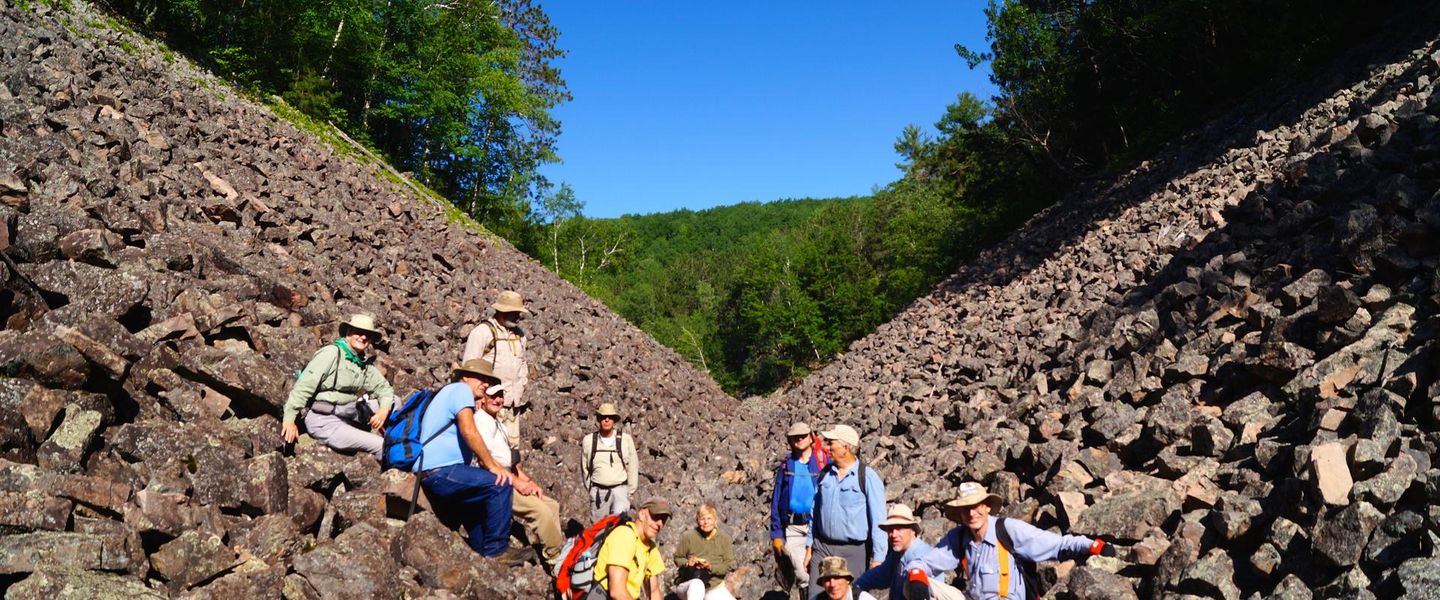


Blue Hills in Wisconsin offers wooded ridges, quiet trails, wildlife, winter recreation and rural northern landscapes in Rusk County.
Read more about Blue Hills
Getting to and around Blue Hills
How to get there
Transportation
Best attractions in Blue Hills
Blue Hills’ attractions are primarily outdoor and landscape-based. The Blue Hills Recreation Area is the central draw, offering wooded trails and changing terrain for hiking, mountain biking, snowshoeing and cross-country skiing, depending on the season and current conditions. Smaller lakes, streams and wetlands in the surrounding countryside add opportunities for fishing, paddling, wildlife observation and photography. The area is also suitable for quiet drives through northern forest and rural farmland, with autumn colour providing a particularly strong seasonal reason to visit. Nearby sections of Rusk County contribute additional trail and snow-sport possibilities, while the Tuscobia State Trail offers a longer-distance recreational route through the broader county landscape rather than a single attraction within the hills. There are no large urban museums or concentrated family-entertainment complexes here; the appeal lies in public recreation land, working forests, open skies and the changing character of the seasons. Visitors who want a fuller cultural itinerary can combine outdoor time with small-town visits in communities such as Weyerhaeuser and Bruce, keeping in mind that these are service centres rather than major tourist cities.
-
Tourist attraction
The House on the Rock
Explore the enchanting House on the Rock in Wisconsin, where unique architecture and eclectic collections await every curious traveler.
-
Tourist attraction
Cave of the Mounds
Explore the stunning Cave of the Mounds, a breathtaking natural wonder in Wisconsin filled with unique geological formations and rich history.
-
Nature preserve
Parfrey's Glen State Natural Area
Discover the natural beauty and geological wonders of Parfrey's Glen State Natural Area, a must-visit destination for nature lovers and outdoor enthusiasts in Wisconsin.
-
Nature preserve
Schlitz Audubon Nature Center
Discover the beauty of nature at Schlitz Audubon Nature Center, a stunning preserve with trails, wildlife, and educational programs in Bayside, Wisconsin.



Best landmarks in Blue Hills
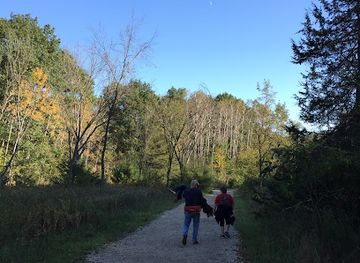
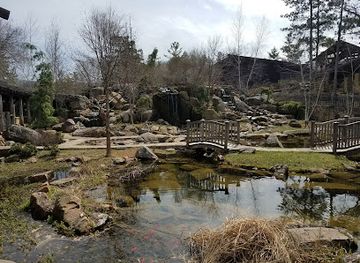
The most recognisable landmark in Blue Hills is the wooded ridge system itself, which rises distinctively above the surrounding rural terrain and gives the district its name. The Blue Hills Recreation Area is significant not for a single monument but for the protected sweep of upland forest, trail corridors and changing views shaped by glacial landforms and later forest management. Small lakes, wet hollows and ridge-top clearings provide memorable natural reference points, particularly in autumn and winter. The communities of Weyerhaeuser and Bruce, near the Blue Hills landscape, retain the modest civic and commercial form of northern Wisconsin settlements shaped by timber, transport and agriculture. Their importance is regional rather than monumental. Historic logging traces and working-forest scenery also form part of the area’s cultural landscape, although many are subtle rather than preserved as formal ruins. The mountains of the western United States have no equivalent here; Blue Hills’ visual identity comes instead from Wisconsin’s northern uplands, where relatively low ridges create a strongly varied landscape within a broad forested countryside.
-
Tourist attraction
The House on the Rock
Discover the whimsical world of The House on the Rock in Spring Green, Wisconsin, where art, architecture, and imagination come together in an unforgettable experience.
-
Tourist attraction
Holy Hill - Basilica and National Shrine of Mary Help of Christians
Experience the tranquility and beauty of Holy Hill, a sacred sanctuary in Wisconsin that inspires reflection and spiritual connection.
-
State park
Willow River State Park
Discover the natural beauty and recreational delights of Willow River State Park, a must-visit destination for outdoor enthusiasts in Wisconsin.
-
State park
High Cliff State Park
Discover High Cliff State Park: A Natural Wonderland for Hiking, Scenic Views, and Outdoor Adventures in Wisconsin.


Explore Blue Hills on the map
Plan your trip on one map. See where the top cities, national parks and sights are, and book hotels and experiences in a few clicks.
Best hotels in Blue Hills
Best restaurants in Blue Hills
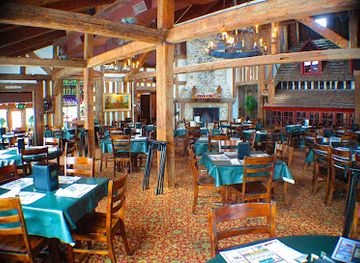
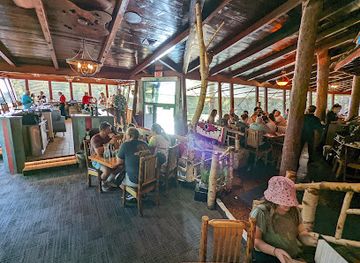
Dining in and around Blue Hills is modest, local and dispersed, reflecting the region’s rural population rather than a formal restaurant district. Nearby communities such as Weyerhaeuser and Bruce are the most practical places to look for cafés, taverns, casual meals and traditional Wisconsin supper-club-style dining. Expect menus shaped by familiar regional staples, including burgers, sandwiches, fish dishes, soups, dairy products and baked goods, with seasonal or locally sourced items varying by establishment. Travellers using cabins or campsites may find self-catering more convenient, particularly when spending a full day on trails. Farm stands, local shops and markets in the wider area can provide ingredients and snacks, although availability is seasonal and should not be assumed in every small settlement. Beer is a well-established part of Wisconsin’s wider food culture, but Blue Hills is better suited to relaxed meals and informal hospitality than to destination dining or late-night culinary tourism.
-
American
The Fox & Hounds Restaurant & Tavern
Experience fine American dining at The Fox & Hounds Restaurant & Tavern in Hubertus, Wisconsin - where every meal is a celebration of flavor.
-
Fine Dining
Ishnala Supper Club
Experience fine dining at Ishnala Supper Club, where exquisite cuisine meets stunning natural beauty in Lake Delton.
-
Restaurant
Grateful Shed
Experience unique flavors and vibrant atmosphere at Grateful Shed in Wisconsin Dells – a culinary gem for every tourist.
-
Grill
Joe Mama's Bar & Grill
Discover Joe Mama's Bar & Grill: A vibrant spot in Colgate offering delicious American cuisine in a welcoming atmosphere.
Best bars in Blue Hills
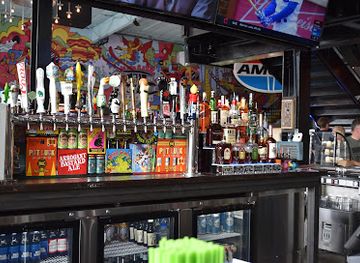
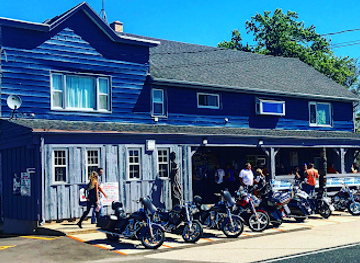
Evening life around Blue Hills is centred on traditional taverns, casual restaurants and community social spaces in nearby small towns rather than on nightclubs. Weyerhaeuser and Bruce provide the closest likely options for a drink or an informal meal, while the broader rural area becomes very quiet after dark. Local bars may function as meeting places for residents and can offer a more useful insight into small-town life than a conventional nightlife venue, but visitors should be respectful of established community spaces. Live music, seasonal events and social gatherings may occur at local venues, though programmes and opening arrangements change. There is little reason to plan a trip here around clubbing; evenings are more naturally spent dining, watching the sunset, stargazing or resting after time outdoors. Arrange a safe return journey in advance, since distances are considerable and taxi availability is limited.
-
Grill
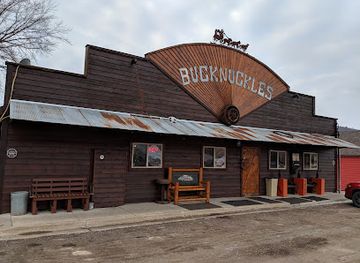
Bucknuckles Bar & Grill
Experience the charm of Alma at Bucknuckles Bar & Grill, where delicious food meets a cozy atmosphere and exceptional service.
-
Bar
SandBar and Grill, LLC
Discover the vibrant dining and entertainment scene at SandBar and Grill, where delicious American cuisine meets stunning lakeside views.
-
Bar
Gilligans
Discover Gilligans in Chetek, WI - a lively bar and restaurant offering American cuisine, live music, and a vibrant nightlife experience.
-
Grill
Lakeview Bar and Grill
Discover a lakeside dining experience at Lakeview Bar and Grill, featuring delicious grilled dishes and stunning views of Shell Lake.

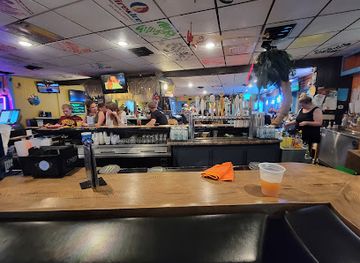
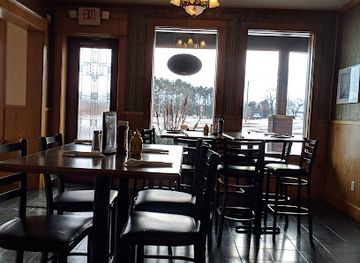
Best nightclubs in Blue Hills
Evening life around Blue Hills is centred on traditional taverns, casual restaurants and community social spaces in nearby small towns rather than on nightclubs. Weyerhaeuser and Bruce provide the closest likely options for a drink or an informal meal, while the broader rural area becomes very quiet after dark. Local bars may function as meeting places for residents and can offer a more useful insight into small-town life than a conventional nightlife venue, but visitors should be respectful of established community spaces. Live music, seasonal events and social gatherings may occur at local venues, though programmes and opening arrangements change. There is little reason to plan a trip here around clubbing; evenings are more naturally spent dining, watching the sunset, stargazing or resting after time outdoors. Arrange a safe return journey in advance, since distances are considerable and taxi availability is limited.
-
Bar
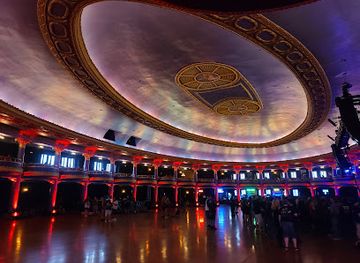
The Rave / Eagles Club
Discover the vibrant atmosphere of The Rave / Eagles Club, Milwaukee's premier live music venue and bar, where every performance is a memorable experience.
-
Live music bar
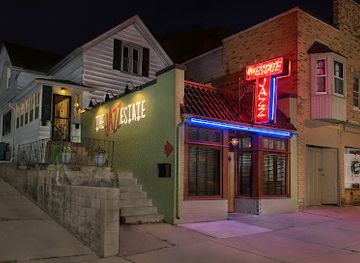
The Estate
Experience the vibrant nightlife of Milwaukee at The Estate, a premier live music bar offering crafted cocktails and unforgettable performances.
-
Night club
Room Seven
Discover Milwaukee's nightlife at Room Seven, a vibrant night club offering cocktails, dancing, and unforgettable experiences in a stylish setting.
-
Night club
Stir-Ups Parlor & Saloon
Discover the lively nightlife at Stir-Ups Parlor & Saloon, a vibrant night club and bar in Green Bay, Wisconsin, perfect for unwinding with friends.


Best shops in Blue Hills
Shopping in Blue Hills is practical and small-scale, with supplies concentrated in nearby communities rather than in a dedicated visitor district. Weyerhaeuser and Bruce are useful for fuel, groceries, outdoor necessities and everyday services, while independent shops and local businesses provide a more personal alternative to large commercial centres. Travellers may find Wisconsin food products, baked goods, dairy items, preserves or seasonal produce in rural shops, farm stands and community markets, though opening arrangements and stock vary. Outdoor enthusiasts should obtain specialist equipment and substantial provisions before arriving if they need a wide choice. The region is not known for extensive designer retail or large shopping centres; its most appropriate purchases are locally produced food, practical outdoor goods, craft items and modest souvenirs connected with northern Wisconsin. For antiques, galleries or a broader range of retail, visitors would need to travel to larger towns outside the immediate Blue Hills area.
-
Department store
Walmart Supercenter
Explore the Walmart Supercenter in Ladysmith, WI for all your shopping needs—from groceries to electronics, all under one roof.
-
Supermarket
ALDI
Explore ALDI in Rice Lake for budget-friendly groceries, quality products, and a unique shopping experience perfect for travelers.
-
Gift shop
Volume One & The Local Store
Explore Volume One & The Local Store for unique gifts, local art, and an authentic Eau Claire experience in Wisconsin.
-
Antique store
The Nickel Barn & Coffee Shop
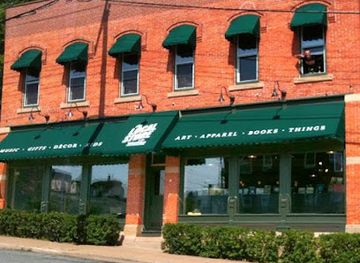
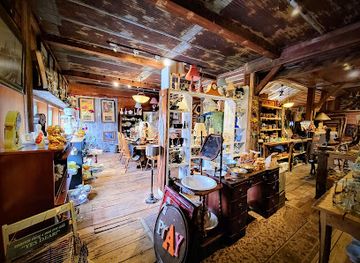
Explore unique antiques and enjoy delicious coffee at The Nickel Barn & Coffee Shop in Osseo, WI – a charming destination for every traveler.


Get your free copy of our complete guide to Blue Hills, delivered straight to you.
Everything on this page, from attractions and restaurants to essentials and local phrases, in one PDF you can read offline, print or share.
Already have an account? Sign in
Your Blue Hills guide is ready.
We'll send it to · Not you? Sign out

Getting your guide ready…
We are putting together a fresh copy of the Blue Hills guide. This can take up to a minute.
This can take a few moments. If your browser asks, choose Allow so the download can start. You'll find the guide in your Downloads folder.
Nothing happened? Download it again
Sorry, the guide is taking longer than usual. Please try again in a minute, or get it by email instead.
Blue Hills essentials
Currency and Payment
Safety
Emergency Situations
Do's and Don'ts
Local Tips
From Eve
Local phrases worth knowing
You don't need to get them perfect. A few words go a long way, and locals appreciate the effort.
Basics
| English | Local | Say it |
|---|---|---|
| Hello | Howdy | [Hao-dee] |
| Goodbye | See you later | [See yuh lay-ter] |
| Yes | Yup | [Yup] |
| No | Nope | [Nope] |
| Please/You're welcome | Sure thing | [Shur thing] |
| Thank you | Thanks a lot | [Thangs a lot] |
| Excuse me/Sorry | Pardon me | [Par-don me] |
| How are you? | How ya doin'? | [How ya doin'?] |
| Fine. And you? | Good, and you? | [Goo-d, an' you?] |
| Do you speak English? | Do ya speak English? | [Do ya speak Ing-lish?] |
| I don't understand | I ain't followin' | [I ain't fol-low-in'] |
Eating & Drinking
| English | Local | Say it |
|---|---|---|
| I'd like to see the menu, please | Can I see the menu? | [Can I see the men-yoo?] |
| I don't eat meat | I ain't eatin' meat | [I ain't eatin' meet] |
| Cheers! | Cheers! | [Cheers!] |
| I would like to pay, please | Can I get the check? | [Can I get the chek?] |
Emergencies
| English | Local | Say it |
|---|---|---|
| Help! | Help! | [Help!] |
| Go away! | Get outta here! | [Get outta here!] |
| Call the Police! | Call the cops! | [Call the cops!] |
| Call a doctor! | Get a doctor! | [Get a doc-tor!] |
| I'm lost | I'm all turned around | [I'm all turned a-round] |
| I'm ill | I'm not feelin' well | [I'm not feelin' well] |
Shopping
| English | Local | Say it |
|---|---|---|
| I'd like to buy... | I'm lookin' to buy... | [I'm lookin' to buy...] |
| I'm just looking | Just browsin' | [Just brow-zin'] |
| How much is it? | What’s the price? | [What's the price?] |
| That's too expensive | That's way too pricey | [That's way too pry-see] |
| Can you lower the price? | Can ya bring down the price? | [Can ya bring down the price?] |
Time & Numbers
| English | Local | Say it |
|---|---|---|
| What time is it? | What time ya got? | [What time ya got?] |
| It's one o'clock | It's one | [It's one] |
| Half past (10) | Half past ten | [Half past ten] |
| Morning | Mornin' | [Mornin'] |
| Afternoon | Afternoon | [Afternoon] |
| Evening | Evenin' | [Evenin'] |
| Yesterday | Yesterday | [Yesterday] |
| Today | Today | [Today] |
| Tomorrow | Tomorrow | [Tomorrow] |
| 1 | One | [One] |
| 2 | Two | [Two] |
| 3 | Three | [Three] |
| 4 | Four | [Four] |
| 5 | Five | [Five] |
| 6 | Six | [Six] |
| 7 | Seven | [Seven] |
| 8 | Eight | [Eight] |
| 9 | Nine | [Nine] |
| 10 | Ten | [Ten] |
Transport & Directions
| English | Local | Say it |
|---|---|---|
| Where's a/the...? | Where's the...? | [Where's the...?] |
| What's the address? | What’s the address? | [What’s the ad-dress?] |
| Can you show me (on the map)? | Can ya point it out on the map? | [Can ya point it out on the map?] |
| When's the next (bus)? | When's the next bus? | [When's the next bus?] |
| A ticket (to ....) | A ticket to... | [A ticket to...] |
History of Blue Hills
Ojibwe Homeland and Earlier Settlement
The Blue Hills lie within the historic homeland of the Ojibwe, whose communities used the forests, waterways and wetlands of north-western Wisconsin for travel, hunting, fishing and gathering. Indigenous knowledge of seasonal cycles and the land predates the arrival of Euro-American settlers by centuries. The region’s rivers and lakes formed part of wider travel networks linking communities across the Great Lakes and upper Mississippi country. Contemporary visitors encounter a landscape shaped not only by geology and forestry, but also by long Indigenous relationships with place.
Glacial Landscapes and the Northern Forest
The hills and valleys of the Blue Hills reflect the geological history of Wisconsin’s Ice Age landscape. Glacial processes left ridges, depressions, wetlands and varied soils that later supported a mixture of hardwoods and conifers. These physical differences help explain the area’s changing woodland character and its suitability for recreation. Although the Blue Hills are modest in elevation compared with western mountain ranges, their uneven terrain gives the district a distinct identity within the generally rolling countryside of north-western Wisconsin.
Logging and the Timber Frontier
During the nineteenth and early twentieth centuries, commercial logging transformed much of northern Wisconsin. Timber companies and independent operators harvested the region’s extensive forests, while rivers and emerging rail connections helped move logs and supplies. Camps, mills and transport routes brought new settlement and employment, though the industry also altered forest composition and left land vulnerable to erosion and fire. The managed woods and regenerated forests seen around Blue Hills today are part of this longer cycle of extraction, regrowth and conservation.
Rusk County and Rural Settlement
Rusk County was established in the early twentieth century as northern Wisconsin’s timber economy was giving way to more varied rural development. Small settlements, farms, local businesses and public roads became the framework of community life. Agriculture was generally more limited than in southern Wisconsin because of the terrain and soils, but dairy farming and other rural activities remained important. Communities such as Weyerhaeuser and Bruce reflect the practical, dispersed settlement pattern characteristic of the county and the wider Blue Hills area.
From Working Forest to Managed Recreation
As large-scale timber extraction declined, public agencies and local communities placed greater emphasis on forest management, habitat protection and outdoor recreation. The Blue Hills Recreation Area emerged within this transition, preserving a substantial tract of upland woodland while providing trails and spaces for seasonal activities. Its present character is therefore both natural and managed: forests are conserved, maintained and used, rather than left entirely untouched. Recreation now forms an important part of the region’s identity alongside forestry and rural life.
Modern Outdoor Culture
In recent decades, Blue Hills has become associated with quiet, low-density recreation rather than mass tourism. Hiking, mountain biking, snowshoeing, cross-country skiing, hunting, fishing and nature observation make use of the same forests and waterways in different seasons. The area’s appeal reflects a broader Wisconsin tradition of public access, county recreation and stewardship of working landscapes. Its tourism remains modest, but the combination of accessible trails, changing seasons and northern forest scenery gives Blue Hills a clear contemporary role.
Blue Hills in Photos
Browse through our photo collection highlighting the charm and character of the destination.
Neighbouring regions of Blue Hills
The closest regions to Blue Hills, if you have time for more than one.
-

-

-

-

-


Swipe for more regions
Explore more

Explore more of Wisconsin
Discover Wisconsin: A Midwestern gem offering stunning natural landscapes, rich cultural experiences, and a taste of America's finest dairy products.
Explore Wisconsin