

Free Chequamegon-Nicolet National Forest Travel Guide & Mobile App
Explore Chequamegon-Nicolet National Forest with free travel guides. Discover regional history, expert tips, proposed trips, and audio guides on web or mobile app.


Explore Wisconsin’s Chequamegon-Nicolet National Forest for lakes, woodland trails, wildlife, paddling, camping and year-round Northwoods recreation.
Read more about Chequamegon-Nicolet National Forest
Getting to and around Chequamegon-Nicolet National Forest
How to get there
Transportation
Destinations in Chequamegon-Nicolet National Forest
Resorts, valleys and scenic spots worth a trip of their own.
-

-
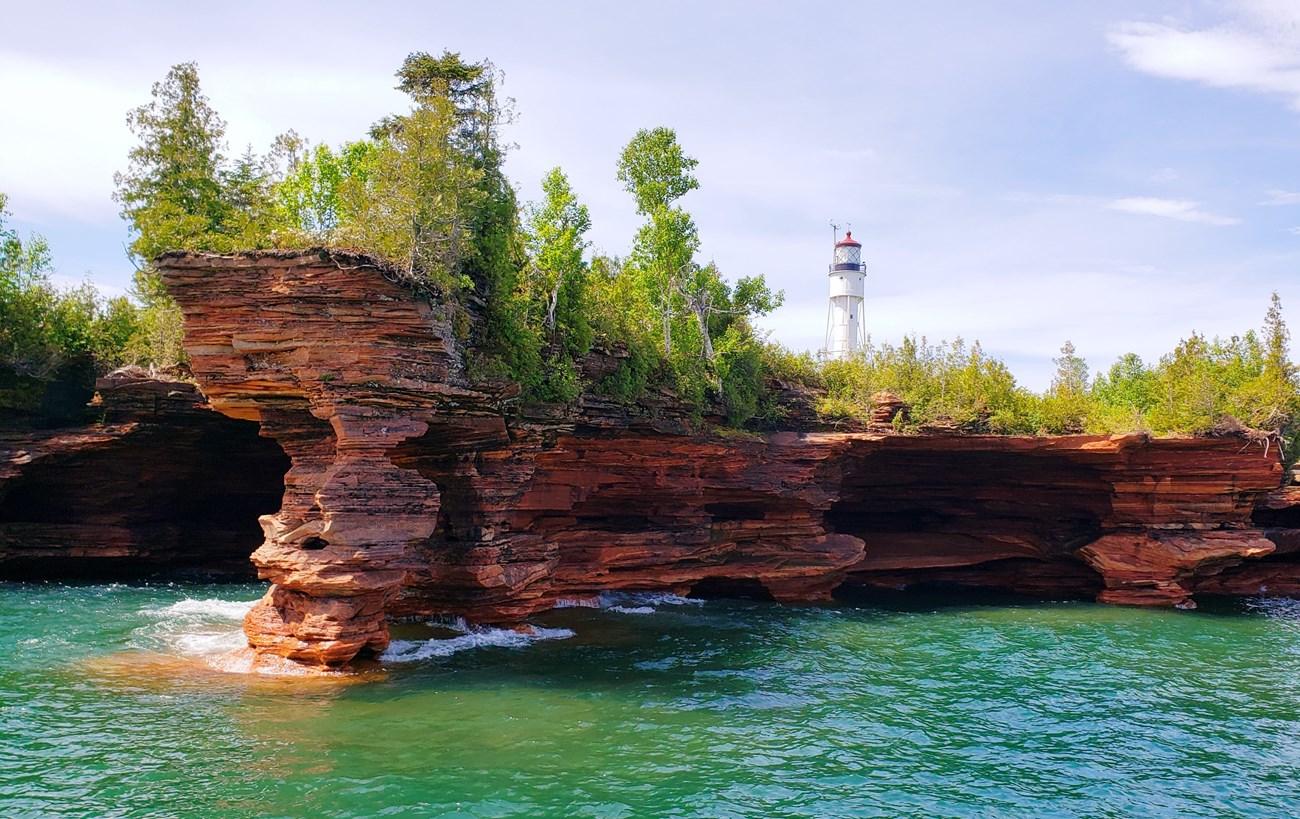 Bayfield
Explore Bayfield, Wisconsin: A scenic lakeside town offering outdoor adventures, historic charm, and a vibrant arts scene on the shores of Lake Superior.
Bayfield
Explore Bayfield, Wisconsin: A scenic lakeside town offering outdoor adventures, historic charm, and a vibrant arts scene on the shores of Lake Superior.

Swipe for more destinations
Best attractions in Chequamegon-Nicolet National Forest
Chequamegon-Nicolet National Forest offers a broad outdoor programme rather than a concentration of built attractions. Hiking ranges from short woodland walks to longer journeys on the North Country National Scenic Trail and sections of the Ice Age National Scenic Trail, while mountain-bike and equestrian routes occupy selected areas. The forest’s lakes and rivers support canoeing, kayaking, fishing and swimming at appropriate developed sites, and winter opens the landscape to cross-country skiing, snowshoeing and snowmobiling. Campgrounds, picnic areas, scenic drives and fire lookouts provide accessible introductions to the Northwoods, while quieter roads lead towards wetlands, pine stands, hardwood ridges and wildlife habitat. The Morgan Falls and St. Peter’s Dome area is a notable western destination for waterfalls, forest walking and elevated views. In the east, Cathedral Pines and the Peshtigo River corridor illustrate the forest’s conifer heritage and river landscapes. Gateway communities outside the forest add museums, outfitters and cultural attractions, but the national forest itself is best understood through its changing habitats, waterways and trail network.
-
State park
Copper Falls State Park
Explore the breathtaking beauty of Copper Falls State Park in Wisconsin, where stunning waterfalls and lush nature await your discovery.
-
Nature preserve
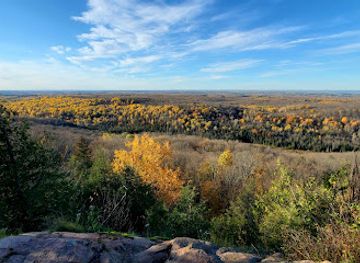
St. Peter's Dome National Natural Area
Experience the breathtaking views and serene beauty of St. Peter's Dome National Natural Area, a nature preserve perfect for outdoor adventures and peaceful retreats.
-
National forest
Chequamegon-Nicolet National Forest Headquarters
Discover the stunning landscapes and rich wildlife at Chequamegon-Nicolet National Forest Headquarters, a true gem for outdoor adventures in Wisconsin.

Best landmarks in Chequamegon-Nicolet National Forest
The forest’s most meaningful landmarks are often natural rather than monumental. Morgan Falls, on the western side near the Chequamegon area, is a recognised waterfall and trail destination, while St. Peter’s Dome provides one of the more notable elevated viewpoints in the forest. Cathedral Pines in the Nicolet area preserves a mature conifer stand that contrasts with the managed forest surrounding it and reflects the region’s changing timber history. The Peshtigo River and its forest corridor are important geographical features in the eastern part of the forest, with moving water, rocky stretches and associated recreation landscapes. Historic Civilian Conservation Corps structures and early forest-service facilities, where accessible, represent the public conservation programme that helped establish the national forests during the 1930s. More broadly, the forest’s lakes, bogs, old trees, fire towers and long wooded ridges function as landmarks on maps and journeys, but visitors should verify current access because roads, trails and structures can be seasonally restricted.
-
State park
Copper Falls State Park
Explore the natural beauty of Copper Falls State Park, where stunning waterfalls and scenic trails await outdoor enthusiasts in Wisconsin.
-
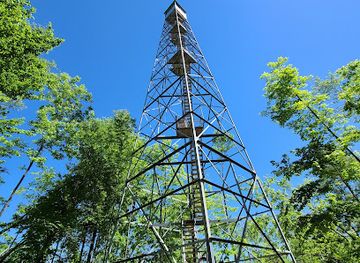
Observation deck
Mountain Lookout Tower
Discover the breathtaking panoramas from the Mountain Lookout Tower, a must-visit observation deck in Wisconsin's stunning natural landscapes.
-
Nature preserve
St. Peter's Dome National Natural Area
Discover the stunning landscapes and diverse wildlife of St. Peter's Dome National Natural Area in Wisconsin, a perfect nature escape for all adventure seekers.
-
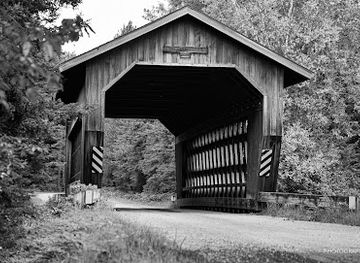
Bridge
Chequamegon or Smith Rapids Covered Bridge
Discover the beauty and history of Chequamegon or Smith Rapids Covered Bridge, a scenic gem in Wisconsin perfect for relaxation and photography.
Explore Chequamegon-Nicolet National Forest on the map
Plan your trip on one map. See where the top cities, national parks and sights are, and book hotels and experiences in a few clicks.
Best hotels in Chequamegon-Nicolet National Forest
Best restaurants in Chequamegon-Nicolet National Forest
There is little conventional dining inside the national forest, so most meals are taken in gateway communities such as Cable, Hayward, Eagle River, Florence, Iron Mountain and other nearby Northwoods towns. Their cafés, family restaurants, supper clubs, bakeries and traditional pubs cater to visitors heading out for fishing, paddling, hunting and trail activities. Menus commonly reflect Wisconsin’s wider culinary culture, including freshwater fish, burgers, sandwiches, fried cheese curds, soups, baked goods and locally produced beer, rather than a single dish exclusive to the forest. Farmers’ markets and independent food shops can be useful for assembling picnic supplies, particularly for campers and paddlers. Lakeside dining is available around some settled areas, while remote recreation sites require visitors to bring food and cooking equipment. Reservations and opening arrangements can be more limited in small communities outside peak summer periods, so plan provisions before travelling deep into the forest.
-
Restaurant
Kippy's Bar and Grill
Experience delicious chicken dishes and vibrant sports bar atmosphere at Kippy's Bar and Grill in Laona, Wisconsin.
-
Ice Cream
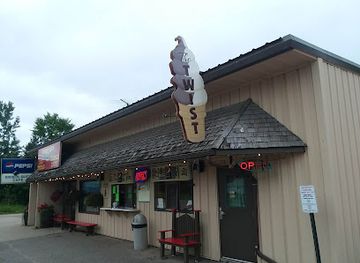
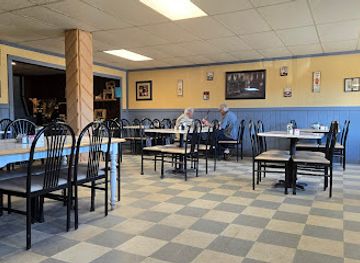
Double Buck Cafe / The Twist
Experience delightful ice cream and classic American fare at Double Buck Cafe in Laona, Wisconsin – a sweet escape for every traveler.
-
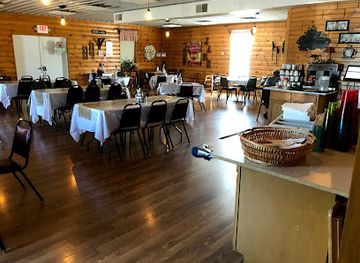
Restaurant
Clubhouse Restaurant
Experience the warmth of Laona at Clubhouse Restaurant, where hearty meals meet rustic charm in a picturesque setting.
-
Restaurant
Gus's
Discover authentic local flavors at Gus's in Laona - where every dish tells a story of Wisconsin's culinary heritage.

Best bars in Chequamegon-Nicolet National Forest
-
Bar
Manypenny Bistro
Experience the flavors of Bayfield at Manypenny Bistro, where locally-sourced ingredients meet bistro charm for unforgettable meals.
-
Bar
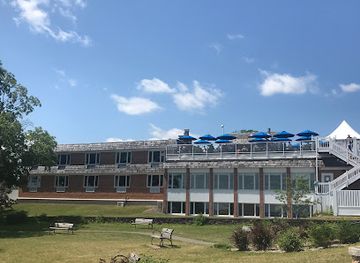
The Bayfield Inn
Experience the charm of The Bayfield Inn, a lakeside retreat in Wisconsin offering cozy accommodations, a delightful bar, and stunning views of Lake Superior.
-
Restaurant
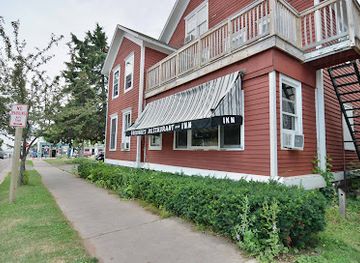
Greunke's First Street Inn & Dining
Experience delightful American cuisine and cozy accommodations at Greunke's First Street Inn & Dining in beautiful Bayfield, Wisconsin.
-
Bar
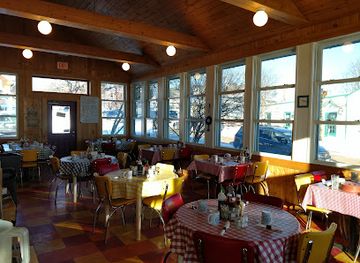
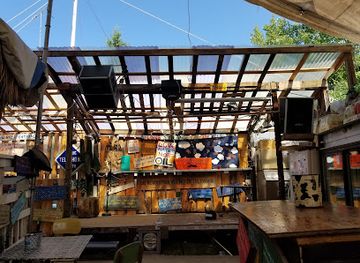
Tom's Burned Down Cafe
Experience the quirky charm of Tom's Burned Down Cafe, a beloved local bar in La Pointe, Wisconsin, known for its welcoming atmosphere and live music.
Best nightclubs in Chequamegon-Nicolet National Forest
-
Bar
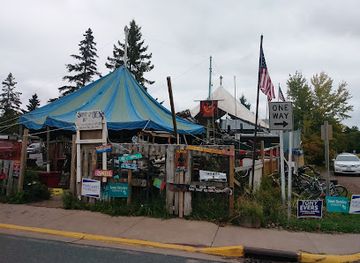
Tom's Burned Down Cafe
Discover the quirky charm of Tom's Burned Down Cafe, a unique bar in La Pointe, WI, where good drinks and great atmosphere await.
-
Grill
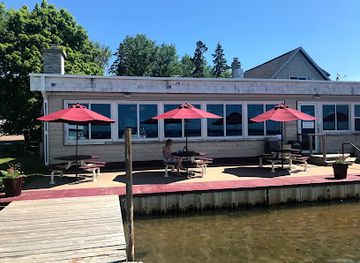
Beach Club on Madeline Island
Experience the best of lakeside dining at the Beach Club on Madeline Island, where fresh local cuisine meets stunning views.
-
Pub
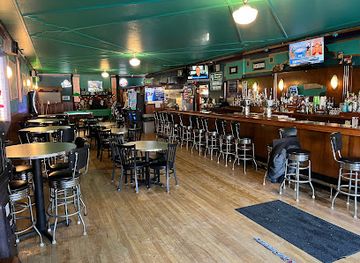
Morty's Pub
Discover the vibrant atmosphere and local flavors at Morty's Pub, a must-visit pub in Bayfield, Wisconsin for tourists seeking relaxation and good food.
-
Grill
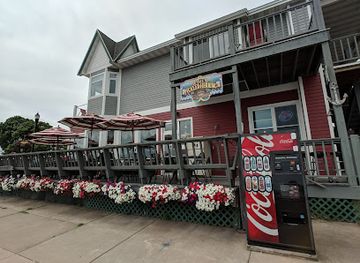
The Pickled Herring
Discover The Pickled Herring, a grill in Bayfield, WI, offering fresh local cuisine and stunning views of Lake Superior for an unforgettable dining experience.
Best shops in Chequamegon-Nicolet National Forest
-
Coffee shop
Wonderstate Coffee - Bayfield
Experience the essence of Bayfield at Wonderstate Coffee, where artisanal brews meet a cozy atmosphere and stunning lake views.
-
Restaurant
Grampa Tony's on Madeline Island
Experience the charm of Grampa Tony's on Madeline Island, where American classics meet warm hospitality in a beautiful setting.
-
Ice Cream
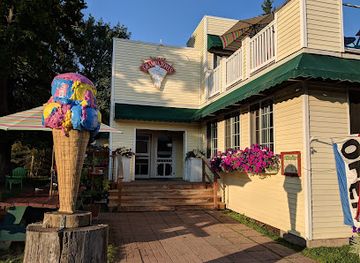
Sweet & Salty
Discover the sweet escape at Sweet & Salty in Bayfield, where gourmet ice creams, candies, and popcorn create delightful memories.
-
Gift shop
Erickson Orchard & Country Str
Experience the rustic charm of Erickson Orchard & Country Store, where unique gifts, antiques, and fresh produce await in the heart of Bayfield, Wisconsin.

Get your free copy of our complete guide to Chequamegon-Nicolet National Forest, delivered straight to you.
Everything on this page, from attractions and restaurants to essentials and local phrases, in one PDF you can read offline, print or share.
Already have an account? Sign in
Your Chequamegon-Nicolet National Forest guide is ready.
We'll send it to · Not you? Sign out

Getting your guide ready…
We are putting together a fresh copy of the Chequamegon-Nicolet National Forest guide. This can take up to a minute.
This can take a few moments. If your browser asks, choose Allow so the download can start. You'll find the guide in your Downloads folder.
Nothing happened? Download it again
Sorry, the guide is taking longer than usual. Please try again in a minute, or get it by email instead.
Chequamegon-Nicolet National Forest essentials
Currency and Payment
Safety
Emergency Situations
Do's and Don'ts
Local Tips
From Eve
Local phrases worth knowing
You don't need to get them perfect. A few words go a long way, and locals appreciate the effort.
Basics
| English | Local | Say it |
|---|---|---|
| Hello | Hi | [Hai] |
| Goodbye | See ya | [See yah] |
| Yes | Yep | [Yep] |
| No | Nah | [Nah] |
| Please/You're welcome | Sure thing | [Shur thing] |
| Thank you | Thanks | [Thangs] |
| Excuse me/Sorry | Sorry | [Sorry] |
| How are you? | How's it going? | [Hows it goin?] |
| Fine. And you? | Good. You? | [Good. You?] |
| Do you speak English? | Do you talk English? | [Do you talk English?] |
| I don't understand | I don’t get it | [I don’t get it] |
Eating & Drinking
| English | Local | Say it |
|---|---|---|
| I'd like to see the menu, please | Can I see the menu? | [Can I see the menu?] |
| I don't eat meat | I’m a vegetarian | [I’m a vegetarian] |
| Cheers! | Cheers! | [Cheers!] |
| I would like to pay, please | Can I get the check? | [Can I get the check?] |
Emergencies
| English | Local | Say it |
|---|---|---|
| Help! | Help! | [Help!] |
| Go away! | Leave me alone! | [Leave me alone!] |
| Call the Police! | Call 911! | [Call 911!] |
| Call a doctor! | Get a doctor! | [Get a doctor!] |
| I'm lost | I’m turned around | [I’m turned around] |
| I'm ill | I’m not feeling well | [I’m not feelin well] |
Shopping
| English | Local | Say it |
|---|---|---|
| I'd like to buy... | I want to buy... | [I want to buy...] |
| I'm just looking | Just browsing | [Just browsing] |
| How much is it? | What’s the price? | [What’s the price?] |
| That's too expensive | That’s pricey | [That’s pricey] |
| Can you lower the price? | Can you make it cheaper? | [Can you make it cheaper?] |
Time & Numbers
| English | Local | Say it |
|---|---|---|
| What time is it? | What’s the time? | [What’s the time?] |
| It's one o'clock | It's one | [It's one] |
| Half past (10) | Half past ten | [Half past ten] |
| Morning | Morning | [Morning] |
| Afternoon | Afternoon | [Afternoon] |
| Evening | Evening | [Evening] |
| Yesterday | Yesterday | [Yesterday] |
| Today | Today | [Today] |
| Tomorrow | Tomorrow | [Tomorrow] |
| 1 | One | [One] |
| 2 | Two | [Two] |
| 3 | Three | [Three] |
| 4 | Four | [Four] |
| 5 | Five | [Five] |
| 6 | Six | [Six] |
| 7 | Seven | [Seven] |
| 8 | Eight | [Eight] |
| 9 | Nine | [Nine] |
| 10 | Ten | [Ten] |
Transport & Directions
| English | Local | Say it |
|---|---|---|
| Where's a/the...? | Where’s the...? | [Where’s the...?] |
| What's the address? | What’s the address? | [What’s the address?] |
| Can you show me (on the map)? | Can you point it out? | [Can you point it out?] |
| When's the next (bus)? | When's the next bus? | [When's the next bus?] |
| A ticket (to ....) | A ticket to... | [A ticket to...] |
History of Chequamegon-Nicolet National Forest
Ojibwe homelands and treaty history
Northern Wisconsin lies within the broader homeland of Ojibwe peoples, whose communities developed enduring relationships with the region’s lakes, rivers, forests and wild foods. Through nineteenth-century treaties, the United States acquired territory while Ojibwe nations retained important rights in designated areas, including rights connected with hunting, fishing and gathering under treaty law. These rights remain part of the region’s contemporary cultural and legal landscape. Visitors should understand that the forest is not an empty wilderness but a lived landscape with continuing Indigenous presence and significance.
The fur trade and early non-Indigenous settlement
Before large-scale logging, travel through northern Wisconsin was shaped by Indigenous routes, waterways and the fur trade. French, British and later American traders operated within wider networks linking the Great Lakes to inland communities. Permanent non-Indigenous settlement expanded during the nineteenth century, bringing farms, trading posts, transport routes and commercial pressure on forest resources. Many present-day roads and towns developed from these earlier patterns of movement, although the national forest itself remains predominantly rural and dispersed.
Logging expansion in the nineteenth century
The arrival of railways and improvements in river transport enabled intensive timber harvesting across northern Wisconsin during the late nineteenth and early twentieth centuries. Pine and other valuable woods supplied growing Midwestern cities, while logging camps, mills and associated settlements spread through the Northwoods. Harvesting altered forest composition, disturbed soils and changed waterways. The industry left a strong regional legacy visible in museums, historic communities, working forests and the cultural prominence of hunting, fishing and timber.
National forest creation and reforestation
Much of the region’s forest land was left degraded or fragmented after the timber boom, encouraging federal acquisition and conservation. The Chequamegon and Nicolet national forests were established in the 1930s, during a period when the United States was responding to erosion, unemployment and failed agricultural land through public works and reforestation. Civilian Conservation Corps crews helped build roads, trails, fire infrastructure and recreation facilities. Their work formed part of the foundation for the public landscapes visitors use today.
Forest management and the modern Northwoods
After the Second World War, the national forests became increasingly important for recreation as well as timber, wildlife habitat, watershed protection and ecological research. In 1993, the Chequamegon and Nicolet national forests were administratively combined as Chequamegon-Nicolet National Forest. Modern management balances multiple uses, including sustainable forestry, habitat conservation, motorised recreation, quiet recreation, grazing in limited areas and protection of waterways. The result is a working public forest rather than a wholly untouched landscape.
Outdoor recreation and conservation culture
During the twentieth and twenty-first centuries, canoeing, fishing, camping, hunting, hiking, skiing and snowmobiling became central to the region’s visitor economy and local identity. Long-distance routes such as the North Country National Scenic Trail and sections of the Ice Age National Scenic Trail connect the forest to wider Wisconsin landscapes. Recreation has also increased attention to wetlands, old trees, wildlife corridors and responsible access, making conservation practice an important part of the contemporary forest experience.
Chequamegon-Nicolet National Forest in Photos
Browse through our photo collection highlighting the charm and character of the destination.
Neighbouring regions of Chequamegon-Nicolet National Forest
The closest regions to Chequamegon-Nicolet National Forest, if you have time for more than one.
-

-

-
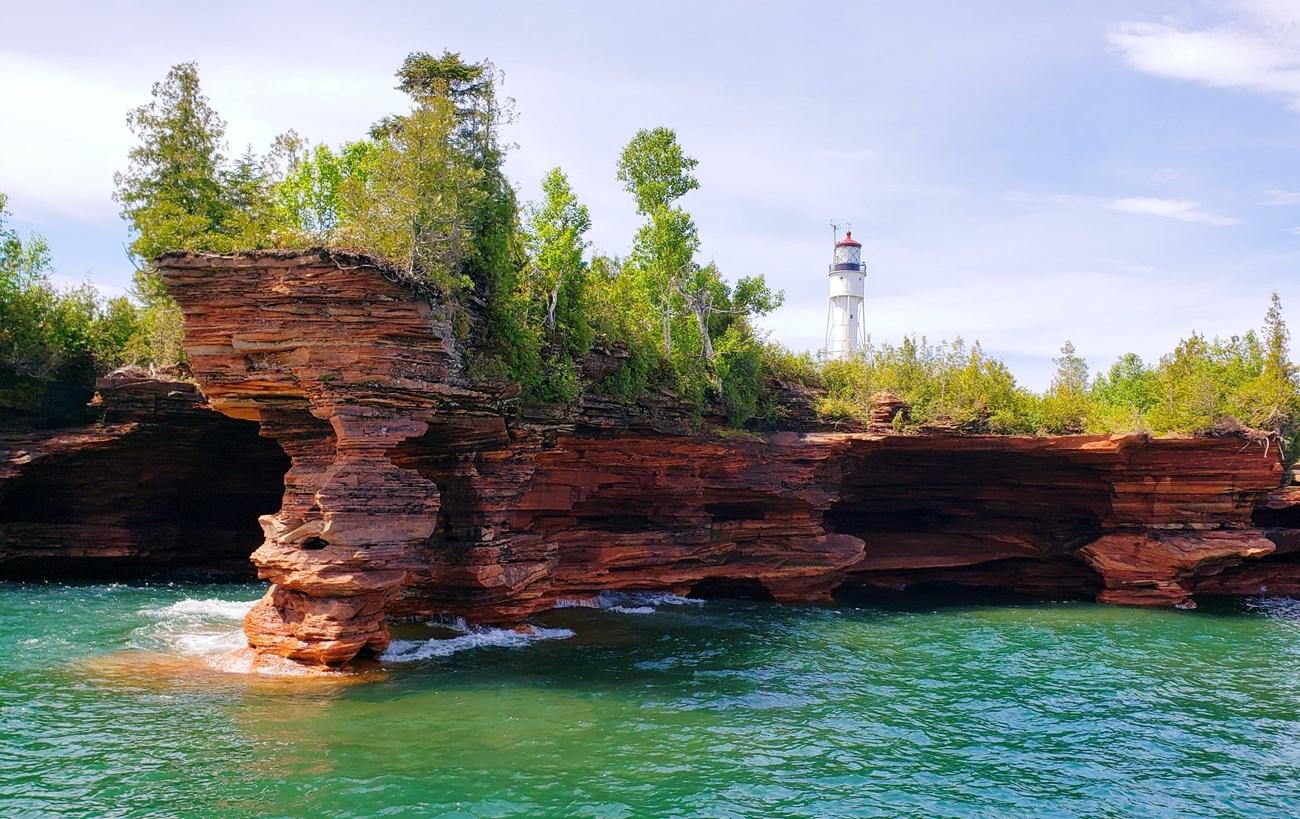 Lake Superior Lowland
Explore Wisconsin’s Lake Superior Lowland for Ojibwe heritage, working harbours, sandstone shores, orchards, forests and the Apostle Islands.
Lake Superior Lowland
Explore Wisconsin’s Lake Superior Lowland for Ojibwe heritage, working harbours, sandstone shores, orchards, forests and the Apostle Islands.
-

-


Swipe for more regions
Explore more

Explore more of Wisconsin
Discover Wisconsin: A Midwestern gem offering stunning natural landscapes, rich cultural experiences, and a taste of America's finest dairy products.
Explore Wisconsin