

Free Chippewa Valley Travel Guide & Mobile App
Explore Chippewa Valley with free travel guides. Discover regional history, expert tips, proposed trips, and audio guides on web or mobile app.


Explore Chippewa Valley in Wisconsin for river trails, forested parks, historic towns, craft beer, live music and welcoming small-city culture.
Read more about Chippewa Valley
Getting to and around Chippewa Valley
How to get there
Transportation
Top city travel guides in Chippewa Valley
The cities of Chippewa Valley, and the easiest places to base yourself.

Swipe for more cities
Best attractions in Chippewa Valley
Chippewa Valley attractions range from urban culture to forest and river recreation. In Eau Claire, the Pablo Center at the Confluence brings theatre, music and other performances to the meeting point of the Eau Claire and Chippewa rivers, while the Chippewa Valley Museum and Paul Bunyan Logging Camp Museum in Carson Park explain local social and lumber history. Chippewa Falls combines brewery heritage with access to Lake Wissota State Park, where wooded shorelines, wetlands and water-based recreation create a change of pace. Menomonie's Mabel Tainter Center for the Arts is both an operating cultural venue and an important historic interior. Outside the towns, the Chippewa River State Trail and Red Cedar State Trail offer cycling and walking through former railway landscapes, and the region's rivers and reservoirs support fishing, paddling and wildlife observation. County forests, farms and small communities add quieter experiences, particularly in autumn. Visitors should check park conditions and seasonal arrangements before planning outdoor activities.
-
Zoo
Irvine Park Zoo
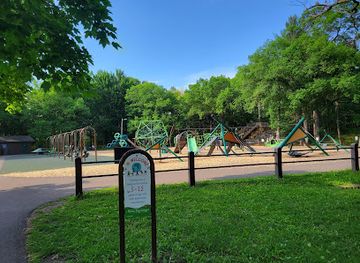
Discover the charm of Irvine Park Zoo in Chippewa Falls, Wisconsin - a family-friendly attraction with engaging animal exhibits and scenic park spaces.
-
Phoenix Park
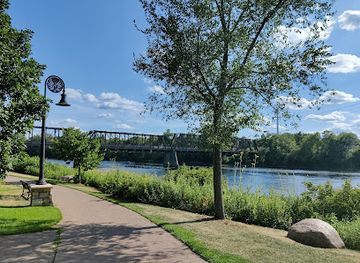
Explore the natural beauty and vibrant community atmosphere of Phoenix Park in Eau Claire, Wisconsin, a perfect retreat for relaxation and recreation.
-
Park
Carson Park
Explore the beauty of Carson Park – a natural haven in Eau Claire, Wisconsin, perfect for family fun, relaxation, and outdoor adventures.
-
Tourist attraction
Crystal Cave
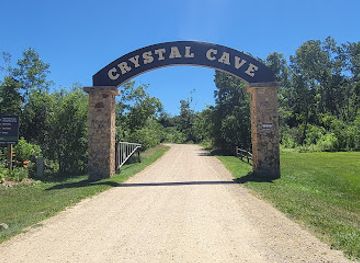
Discover the enchanting underground world of Crystal Cave in Wisconsin, a must-visit attraction for geology enthusiasts and families alike.

Best landmarks in Chippewa Valley
The Chippewa Valley's most recognisable landmarks express its river geography, lumber past and small-city civic history. Eau Claire's Pablo Center at the Confluence occupies a prominent position where the Eau Claire and Chippewa rivers meet, linking contemporary cultural life with the waterways that shaped settlement. Carson Park's Paul Bunyan Logging Camp Museum preserves a reconstructed lumber-camp setting that represents the work and institutions of the nineteenth-century timber industry. In Menomonie, the Mabel Tainter Center for the Arts is distinguished by its ornate late-nineteenth-century architecture and continuing public role beside Lake Menomin and the Red Cedar River. Chippewa Falls is marked by its long brewing association and historic town fabric, while nearby Lake Wissota provides a broad natural landmark of forest, shore and open water. The Red Cedar and Chippewa river corridors, together with the trails following former railway lines, are geographical landmarks as much as recreational assets: they explain why the region's towns developed where they did.
-
Tourist attraction
Irvine Park Zoo
Explore Irvine Park Zoo in Chippewa Falls, Wisconsin, where wildlife encounters and natural beauty await in a family-friendly setting.
-
Tourist attraction
Crystal Cave
Discover the enchanting beauty of Crystal Cave in Spring Valley, Wisconsin, where stunning rock formations and fascinating geological history await.
-
Tourist attraction
Wilke Glen and Cascade Falls
Explore the enchanting beauty of Wilke Glen and Cascade Falls, a serene park featuring breathtaking waterfalls and lush trails in Osceola, Wisconsin.
-
Historical landmark
Leinie Lodge
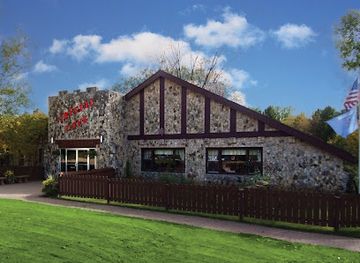
Explore Leinie Lodge in Chippewa Falls for a taste of history and craft beer amidst beautiful Wisconsin scenery.



Explore Chippewa Valley on the map
Plan your trip on one map. See where the top cities, national parks and sights are, and book hotels and experiences in a few clicks.
Best hotels in Chippewa Valley
Best restaurants in Chippewa Valley
Dining in the Chippewa Valley reflects Wisconsin's dairy and agricultural traditions while increasingly accommodating contemporary tastes. Cheese, butter, seasonal vegetables, baked goods and locally produced beer appear across cafés, taverns, markets and restaurants. Eau Claire offers the broadest range, including independent cafés, modern American cooking, international options, breweries and restaurants concentrated around the downtown and riverfront areas. Chippewa Falls and Menomonie retain a strong small-city tradition of diners, pubs, bakeries and family-run establishments, while rural communities are associated with taverns, fish fries and supper-club-style meals. Fish fries are a statewide Wisconsin tradition rather than an invention of the valley, but they remain a familiar regional dining experience. Farmers' markets provide opportunities to buy cheese, produce and baked goods when operating seasonally. Menus change, so visitors seeking a particular local product should ask vendors and restaurants about current Wisconsin sourcing.
-
Family-friendly
Chippewa Family Restaurant
Experience family-friendly dining at Chippewa Family Restaurant with delicious breakfast and American comfort food in a welcoming atmosphere.
-
Restaurant
SandBar and Grill, LLC
Discover lakeside dining at SandBar and Grill in Lake Hallie – where great food meets live music in a scenic atmosphere.
-
Restaurant
Hangar 54 Grill
Discover delicious burgers and chicken dishes at Hangar 54 Grill in Eau Claire - where aviation meets exceptional dining.
-
Grill
Loopy's Grill & Saloon
Discover delicious flavors and vibrant entertainment at Loopy's Grill & Saloon in Chippewa Falls - where great food meets outdoor adventure.

Best bars in Chippewa Valley
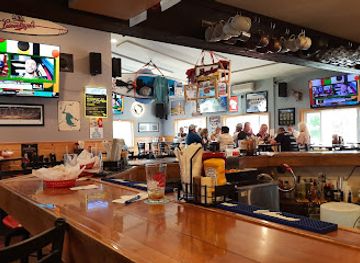
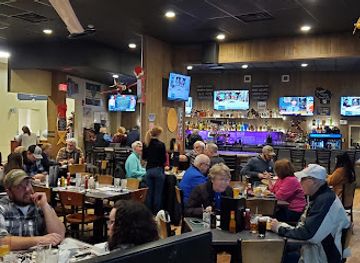
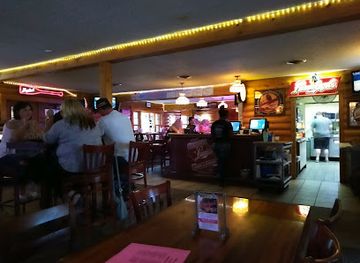
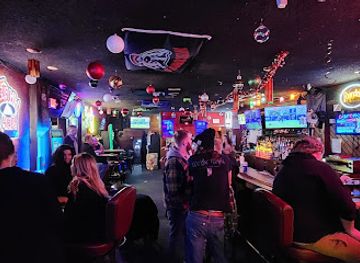
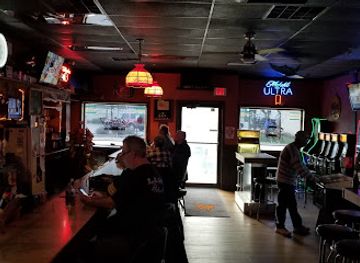
Evening life in the Chippewa Valley is concentrated in Eau Claire, with a mixture of traditional pubs, breweries, cocktail-led venues, cafés, live music rooms and performance events. The city's university population and established independent music culture give it a more varied late-evening scene than the surrounding rural communities, although it is not a major clubbing destination on the scale of a large American city. Chippewa Falls and Menomonie offer a quieter choice of neighbourhood bars, historic taverns, breweries, restaurants and occasional live music, with activity shaped by local events and the academic calendar. The Mabel Tainter Center and Pablo Center add theatre and concert options that do not centre on alcohol. In smaller communities, establishments may close earlier and transport options can be limited, so visitors should plan a safe journey back to their accommodation rather than relying on a late-night public transport network.
-
Bar
SandBar and Grill, LLC
Discover the SandBar and Grill in Lake Hallie, a lively bar and restaurant offering delicious American food and live music by the beautiful lakeside.
-
Grill
Loopy's Grill & Saloon
Discover the perfect blend of food, fun, and nature at Loopy's Grill & Saloon in Chippewa Falls, WI.
-
Bar
Leinie Lodge
Discover the heart of Wisconsin brewing at Leinie Lodge in Chippewa Falls, where tradition meets taste in a vibrant brewery experience.
-
Grill
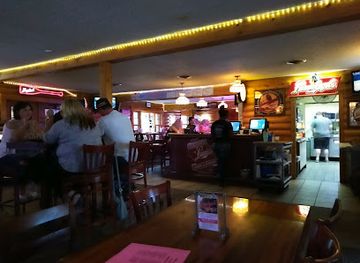
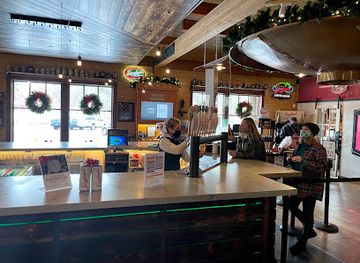
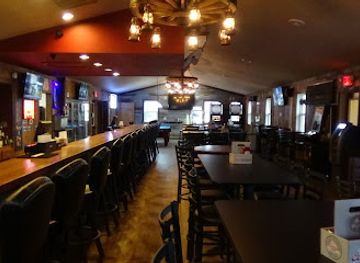
Heartbreakers
Experience the vibrant atmosphere and delicious grilled dishes at Heartbreakers, Chippewa Falls' favorite grill and bar destination.
Best nightclubs in Chippewa Valley
Evening life in the Chippewa Valley is concentrated in Eau Claire, with a mixture of traditional pubs, breweries, cocktail-led venues, cafés, live music rooms and performance events. The city's university population and established independent music culture give it a more varied late-evening scene than the surrounding rural communities, although it is not a major clubbing destination on the scale of a large American city. Chippewa Falls and Menomonie offer a quieter choice of neighbourhood bars, historic taverns, breweries, restaurants and occasional live music, with activity shaped by local events and the academic calendar. The Mabel Tainter Center and Pablo Center add theatre and concert options that do not centre on alcohol. In smaller communities, establishments may close earlier and transport options can be limited, so visitors should plan a safe journey back to their accommodation rather than relying on a late-night public transport network.
-
Night club
Loopy's Grill & Saloon
Discover Loopy's Grill & Saloon, where delicious food, refreshing drinks, and live entertainment create an unforgettable nightlife experience in Chippewa Falls.
-
Bar
Five O'Clock Club
Discover the vibrant nightlife of Eau Claire at the Five O'Clock Club, where good drinks and great company meet in a welcoming atmosphere.
-
Bar
Tomahawk Room
Experience the cozy charm of Tomahawk Room in Chippewa Falls, where great drinks and a welcoming atmosphere await.
-
Bar
Snout Saloon
Discover the vibrant atmosphere at Snout Saloon, Chippewa Falls' favorite bar for drinks, music, and unforgettable moments.

Best shops in Chippewa Valley
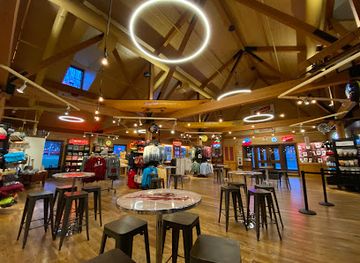
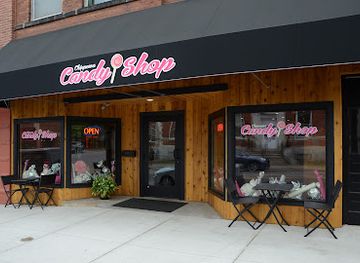
Shopping in the Chippewa Valley is centred on Eau Claire's downtown, neighbourhood commercial areas and larger retail corridors, with Chippewa Falls and Menomonie providing additional independent shops and everyday services. Visitors will find bookstores, galleries, antiques, clothing, homeware, cafés and locally made goods rather than a concentrated luxury-shopping district. Farmers' markets are useful for Wisconsin cheese, seasonal fruit and vegetables, baked products and other regional food, although dates and locations vary through the year. Brewery merchandise, locally themed gifts and craft work make practical souvenirs, while galleries and independent shops are better places to look for art connected with the region than generic tourist outlets. Historic downtowns in Chippewa Falls and Menomonie offer a slower browsing experience, and Eau Claire's cultural venues complement shopping with performances and exhibitions. Rural roadside stands and farm shops may operate seasonally; carry suitable payment options and check opening arrangements before making a special journey.
-
Gift shop
Leinie Lodge
Discover the heart of Wisconsin brewing at Leinie Lodge, where rich history meets flavorful experiences in Chippewa Falls.
-
Candy store
Chippewa Candy Shop
Explore the delightful Chippewa Candy Shop in Chippewa Falls, a sweet paradise filled with a vast array of confections and nostalgic treats.
-
Grocery store
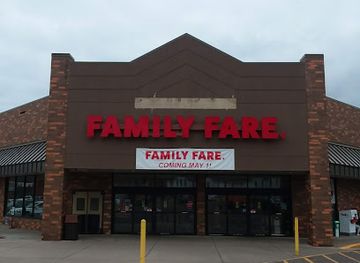
Family Fare Supermarket
Discover local flavors and essentials at Family Fare Supermarket in Chippewa Falls, your go-to grocery store for a taste of Wisconsin.
-
Gift shop
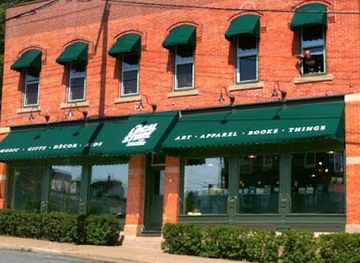
Volume One & The Local Store
Experience the vibrant culture of Eau Claire at Volume One & The Local Store, a unique blend of art gallery, bookstore, and gift shop.
Get your free copy of our complete guide to Chippewa Valley, delivered straight to you.
Everything on this page, from attractions and restaurants to essentials and local phrases, in one PDF you can read offline, print or share.
Already have an account? Sign in
Your Chippewa Valley guide is ready.
We'll send it to · Not you? Sign out

Getting your guide ready…
We are putting together a fresh copy of the Chippewa Valley guide. This can take up to a minute.
This can take a few moments. If your browser asks, choose Allow so the download can start. You'll find the guide in your Downloads folder.
Nothing happened? Download it again
Sorry, the guide is taking longer than usual. Please try again in a minute, or get it by email instead.
Chippewa Valley essentials
Currency and Payment
Safety
Emergency Situations
Do's and Don'ts
Local Tips
From Eve
Local phrases worth knowing
You don't need to get them perfect. A few words go a long way, and locals appreciate the effort.
Basics
| English | Local | Say it |
|---|---|---|
| Hello | Boozhoo | [Boo-zhoo] |
| Goodbye | Miigwech | [Mee-gwech] |
| Yes | Ee | [Eeh] |
| No | Gagwe | [Gah-gweh] |
| Please/You're welcome | Nin goji | [Nin go-jee] |
| Thank you | Miigwech | [Mee-gwech] |
| Excuse me/Sorry | Pinesi | [Pi-neh-see] |
| How are you? | Aaniin ezhi-ayaayan? | [Ah-nee-een eh-zhi-ah-yah-n?] |
| Fine. And you? | Niin gwayak, aaniin ezhi-ayaayan? | [Nin gwyak, ah-nee-een eh-zhi-ah-yah-n?] |
| Do you speak English? | Nin gii-wiijiiwaad English? | [Nin gee-wi-jii-wahd English?] |
| I don't understand | Nin gii-zhichiged | [Nin gee-zhih-geh-d] |
Eating & Drinking
| English | Local | Say it |
|---|---|---|
| I'd like to see the menu, please | Nin gii-zhichiged mino-bimaadiziwin, nin goji | [Nin gee-zhih-geh-d mee-no-bee-mah-dih-zi-win, nin go-jee] |
| I don't eat meat | Nin gii-zhichiged mino-bimaadiziwin | [Nin gee-zhih-geh-d mee-no-bee-mah-dih-zi-win] |
| Cheers! | Mii sa na! | [Mee sah nah!] |
| I would like to pay, please | Nin gii-zhichiged miinwa, nin goji | [Nin gee-zhih-geh-d mee-in-wah, nin go-jee] |
Emergencies
| English | Local | Say it |
|---|---|---|
| Help! | Nin gii-ziigwan! | [Nin gee-zee-gwan!] |
| Go away! | Gagwe niibin! | [Gah-gweh nee-bin!] |
| Call the Police! | Nin gii-bimaadiziwin naasaab! | [Nin gee-bee-mah-dih-zi-win nah-sahb!] |
| Call a doctor! | Nin gii-bimaadiziwin dibaajimowin! | [Nin gee-bee-mah-dih-zi-win dee-bah-ji-mo-win!] |
| I'm lost | Nin gii-zhichiged gii-bimaadiziwin | [Nin gee-zhih-geh-d gee-bee-mah-dih-zi-win] |
| I'm ill | Nin gii-zhichiged gii-zaagid | [Nin gee-zhih-geh-d gee-zah-gid] |
Shopping
| English | Local | Say it |
|---|---|---|
| I'd like to buy... | Nin gii-zhichiged gii-jiibaak | [Nin gee-zhih-geh-d gee-ji-bahk] |
| I'm just looking | Nin gii-zhichiged weweni | [Nin gee-zhih-geh-d weh-weh-nee] |
| How much is it? | Aaniin gii-nisidot? | [Ah-nee-een gee-nee-sih-dot?] |
| That's too expensive | Aaniin gii-wezhik | [Ah-nee-een gee-weh-zhik] |
| Can you lower the price? | Nin gii-zhichiged gii-nisidot gii-mazina'igan? | [Nin gee-zhih-geh-d gee-nee-sih-dot gee-mah-zi-nah-igan?] |
Time & Numbers
| English | Local | Say it |
|---|---|---|
| What time is it? | Aaniin gii-nisidot? | [Ah-nee-een gee-nee-sih-dot?] |
| It's one o'clock | Nin gii-nisidot niizho | [Nin gee-nee-sih-dot nee-zho] |
| Half past (10) | Nin gii-nisidot naanoo naani | [Nin gee-nee-sih-dot nah-noo nah-nee] |
| Morning | Niswi | [Nih-swee] |
| Afternoon | Niswi-zii | [Nih-swee-zee] |
| Evening | Niswi-giizhig | [Nih-swee-gee-zhig] |
| Yesterday | Niin gii-mikwen | [Nin gee-mih-kwehn] |
| Today | Niin gii-waabizhi | [Nin gee-wah-bih-zhih] |
| Tomorrow | Niin gii-bimaadiziwin | [Nin gee-bee-mah-dih-zi-win] |
| 1 | Niswi | [Nih-swee] |
| 2 | Nii | [Nee] |
| 3 | Niswi naana | [Nih-swee nah-nah] |
| 4 | Nii naana | [Nee nah-nah] |
| 5 | Niswi naana | [Nih-swee nah-nah] |
| 6 | Nii naana | [Nee nah-nah] |
| 7 | Niswi naana | [Nih-swee nah-nah] |
| 8 | Nii naana | [Nee nah-nah] |
| 9 | Niswi naana | [Nih-swee nah-nah] |
| 10 | Nii naana | [Nee nah-nah] |
Transport & Directions
| English | Local | Say it |
|---|---|---|
| Where's a/the...? | Aaniin gii-nisidot ...? | [Ah-nee-een gee-nee-sih-dot ...?] |
| What's the address? | Aaniin gii-nisidot address? | [Ah-nee-een gee-nee-sih-dot address?] |
| Can you show me (on the map)? | Nin gii-bimaadiziwin mino-gikendaasowin? | [Nin gee-bee-mah-dih-zi-win mee-no-gee-ken-dah-so-win?] |
| When's the next (bus)? | Aaniin gii-nisidot kiiwidin? | [Ah-nee-een gee-nee-sih-dot kee-wih-dihn?] |
| A ticket (to ....) | Nin gii-zhichiged ticket (to ...) | [Nin gee-zhih-geh-d ticket (to ...)] |
History of Chippewa Valley
Indigenous Homelands and River Networks
The Chippewa Valley lies within the traditional homelands and wider historical landscapes of Ojibwe and Dakota peoples. Rivers, lakes and portage routes supported travel, fishing, hunting and trade long before European-American settlement. The Chippewa River and its tributaries remained important corridors as the region changed, and treaty-making during the nineteenth century transferred large areas to the United States while reshaping Indigenous access to land and resources. The Lac du Flambeau Band, Lac Courte Oreilles Band and Red Cliff Band are among the Ojibwe communities whose histories are part of Wisconsin's broader story, although their reservations are outside the central Chippewa Valley.
Early American Settlement and Forts
European-American settlement expanded in the nineteenth century through river travel, land surveying, missionary activity and trading networks. Menomonie developed around the Red Cedar River, while Eau Claire grew near the confluence of the Eau Claire and Chippewa rivers. These waterways connected the interior to the Mississippi River and wider markets. Early settlement brought farms, mills, shops and transport improvements, while also displacing Indigenous communities and imposing new political and economic systems across western Wisconsin.
The Lumber Era, Nineteenth Century
Commercial logging transformed the valley during the nineteenth century. Pine forests in northern Wisconsin supplied sawmills, and timber was floated or transported along the Chippewa River towards mills and markets. Eau Claire, Chippewa Falls and Menomonie expanded rapidly as lumber centres, attracting workers, merchants, engineers and investors. The period left a visible architectural and institutional legacy in historic downtowns, former industrial sites, civic buildings and museums such as the Paul Bunyan Logging Camp Museum in Eau Claire. Large-scale logging also altered forests, river habitats and the region's demographic pattern.
Railways, Manufacturing and Urban Growth
Railway construction in the late nineteenth and early twentieth centuries reduced reliance on river transport and connected valley towns with Minneapolis–Saint Paul, Chicago and other Midwestern markets. Eau Claire became an important commercial and manufacturing centre, while Chippewa Falls and Menomonie developed industries linked to timber, agriculture, machinery and regional trade. Rail corridors later became recreational routes, including the Chippewa River State Trail and Red Cedar State Trail, allowing modern visitors to follow transport lines that once carried people, timber and manufactured goods.
Brewing and Agricultural Traditions
Agriculture became increasingly important after the most intensive lumbering declined. Dairy farming, grain production and food processing helped anchor the rural economy, contributing to Wisconsin's enduring cheese and farm-market culture. In Chippewa Falls, the brewery founded by Jacob Leinenkugel in 1867 grew into one of the region's best-known businesses and remains associated with the city's industrial heritage. Food and drink today reflect both these long-standing agricultural connections and a newer interest in craft brewing, cafés and locally sourced products.
Universities, Arts and Regional Renewal
The twentieth and early twenty-first centuries brought a broader economic and cultural identity to the valley. The University of Wisconsin–Eau Claire expanded as a major educational institution, while arts organisations, music communities and downtown redevelopment strengthened Eau Claire's role as a regional cultural centre. The Pablo Center at the Confluence, opened in 2018 near the meeting of the Eau Claire and Chippewa rivers, symbolises this continuing development. Menomonie's Mabel Tainter Center likewise demonstrates how historic buildings can remain active centres of community life.
Chippewa Valley in Photos
Browse through our photo collection highlighting the charm and character of the destination.
Neighbouring regions of Chippewa Valley
The closest regions to Chippewa Valley, if you have time for more than one.
-
-

-

-

-


Swipe for more regions
Explore more

Explore more of Wisconsin
Discover Wisconsin: A Midwestern gem offering stunning natural landscapes, rich cultural experiences, and a taste of America's finest dairy products.
Explore Wisconsin