

Free Mississippi River Valley Travel Guide & Mobile App
Explore Mississippi River Valley with free travel guides. Discover regional history, expert tips, proposed trips, and audio guides on web or mobile app.


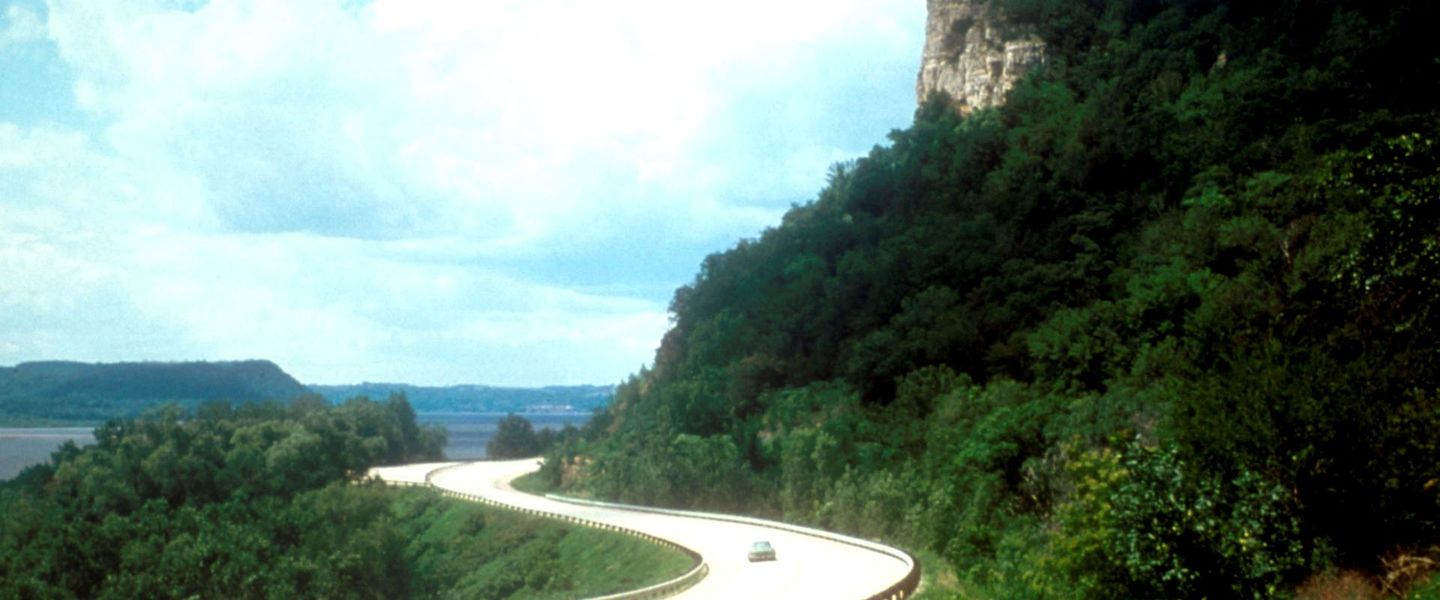


Explore Wisconsin’s Mississippi River Valley for blufftop views, historic river towns, wildlife, paddling routes and the Great River Road.
Read more about Mississippi River Valley
Getting to and around Mississippi River Valley
How to get there
Transportation
Top city travel guides in Mississippi River Valley
The cities of Mississippi River Valley, and the easiest places to base yourself.
-

-

-
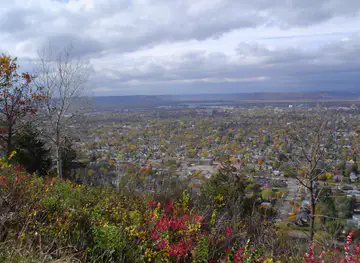


Swipe for more cities
Destinations in Mississippi River Valley
Resorts, valleys and scenic spots worth a trip of their own.
-

-


Swipe for more destinations
Best attractions in Mississippi River Valley
The Mississippi River Valley’s attractions combine water, wildlife, history and bluff country. The Great River Road links riverfront communities, scenic pull-offs and access points, with especially varied landscapes around La Crosse, Trempealeau, Fountain City and Prairie du Chien. Perrot State Park offers hiking and birdwatching where the Trempealeau River meets the Mississippi, while Merrick State Park is known for backwaters, boating and wetlands. Wyalusing State Park, at the southern end of the Wisconsin valley, combines elevated views with wooded trails and archaeological heritage. La Crosse supplies the strongest concentration of museums, riverfront walks, cultural programming and family-oriented activities. Smaller towns contribute historic storefronts, local galleries, marriage of food and craft traditions, and working river scenery. Outdoor visitors can fish, paddle, cycle, hike and watch waterfowl or bald eagles, but should adapt plans to water levels and seasonal weather. Historic Prairie du Chien adds fort-related interpretation and early-settlement history, while the valley’s islands, sloughs and floodplain forests offer a quieter experience than the main road.
-
State park
Perrot State Park
Discover the breathtaking landscapes and diverse wildlife at Perrot State Park in Trempealeau, Wisconsin, perfect for outdoor adventures year-round.
-
Park
Buena Vista Park
Experience the breathtaking views and serene trails of Buena Vista Park, a must-visit destination in Alma, Wisconsin for outdoor enthusiasts and nature lovers.
-
Park
St. Feriole Island Park
Experience the serene beauty of St. Feriole Island Park, a perfect blend of nature and recreation along the Mississippi River.
-
Tourist attraction
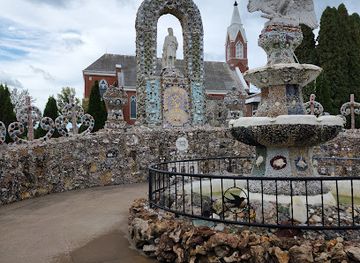
Dickeyville Grotto & Shrines
Explore the artistic and spiritual wonder of Dickeyville Grotto & Shrines - a breathtaking destination in Wisconsin that enchants every visitor.


Best landmarks in Mississippi River Valley
The Mississippi itself is the valley’s defining landmark, with broad channels, wooded islands and backwaters separating Wisconsin from Minnesota and Iowa. The large confluence at Prescott, where the St Croix River joins the Mississippi, creates one of the region’s most significant geographical settings. Limestone bluffs form another recurring landmark, rising above the floodplain around La Crosse, Trempealeau, Fountain City and the southern Driftless Area. In Prairie du Chien, Fort Crawford’s surviving and reconstructed heritage reflects the town’s strategic role in early United States history, while the Villa Louis historic estate presents the wealth and commercial ambitions of a nineteenth-century river family. Historic commercial streets in La Crosse, Stockholm, Alma and Prairie du Chien retain brick buildings associated with river trade and railway-era growth. State-park viewpoints at Perrot and Wyalusing are important not simply for scenery but for showing how waterways, ridges and settlement shaped movement through the region. Churches, grain facilities and working landings add further evidence of the valley’s continuing civic and agricultural identity.
-
State park
Perrot State Park
Experience the breathtaking landscapes and diverse wildlife at Perrot State Park, a must-visit destination along the Mississippi River in Wisconsin.
-
Park
St. Feriole Island Park
Discover the serene beauty and historical charm of St. Feriole Island Park, a must-visit destination in Prairie du Chien, Wisconsin.
-
Historical landmark
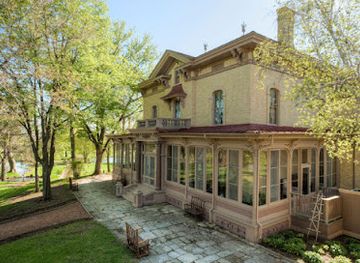
Villa Louis Historic Site
Explore the Villa Louis Historic Site in Prairie du Chien, WI, where 19th-century elegance meets rich historical narratives along the Mississippi River.
-
State park
Nelson Dewey State Park
Experience the beauty of nature and history at Nelson Dewey State Park in Wisconsin, perfect for hiking, picnicking, and exploring the outdoors.



Explore Mississippi River Valley on the map
Plan your trip on one map. See where the top cities, national parks and sights are, and book hotels and experiences in a few clicks.
Best hotels in Mississippi River Valley
Best restaurants in Mississippi River Valley
Dining in Wisconsin’s Mississippi River Valley is shaped by supper clubs, taverns, cafés, bakeries, seasonal farm produce and the state’s wider cheese-making tradition. La Crosse has the broadest range, from casual restaurants and breweries to contemporary cooking, while smaller river towns favour relaxed cafés, family-run establishments and places where a meal may extend over an evening. Fish, burgers, sandwiches, pizzas and fried cheese curds are common regional choices, alongside Wisconsin cheese, locally raised meat and produce from farms in the surrounding coulees. Farmers’ markets and roadside stands are useful for fruit, vegetables, baked goods and preserves when in season. River communities may offer freshwater fish and boat-town staples, though availability varies. In the southern valley, historic taverns and supper clubs provide a strong link with local dining culture; in La Crosse, craft beverages and more varied international food reflect its larger population and student community.
-
Fine Dining
Ishnala Supper Club
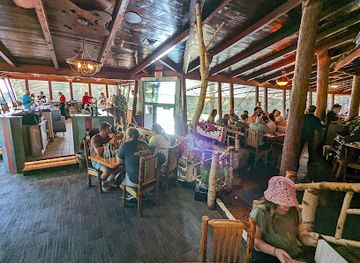
Discover exquisite seafood and steak dishes at Ishnala Supper Club while enjoying breathtaking views of Lake Delton in Wisconsin.
-
American
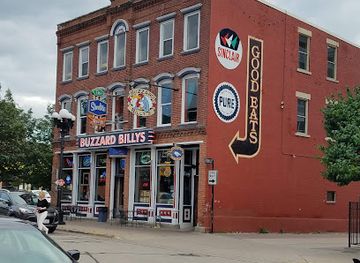
Buzzard Billy's
Experience the vibrant fusion of Cajun and American cuisine at Buzzard Billy's in La Crosse - a culinary gem for every traveler.
-
Seafood
Harbor House
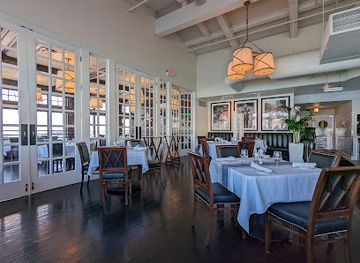
Experience unparalleled seafood dining at Harbor House with stunning lake views and an exquisite menu in Milwaukee.
-
River
Mississippi River
Explore the iconic Mississippi River - a majestic waterway filled with breathtaking scenery, rich history, and endless adventures.

Best bars in Mississippi River Valley
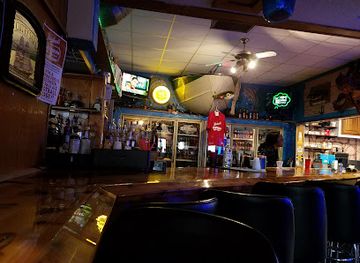
Evening life is generally sociable and low-key rather than dominated by large clubs. La Crosse is the valley’s principal nightlife centre, with traditional pubs, breweries, cocktail-oriented bars, live music and venues connected with its university and downtown districts. Elsewhere, historic taverns, supper-club lounges, brewery taprooms and bars attached to restaurants provide the main evening options. River towns such as Prairie du Chien, Alma, Pepin and Prescott can be lively during summer weekends and local events, but opening patterns and entertainment vary considerably by season. Smaller communities may offer live bands, community performances or informal gatherings rather than a concentrated bar scene. Visitors should arrange transport before drinking, particularly on rural roads where distances are substantial and taxis or rideshares may be limited. For a quieter evening, riverfront walks, sunset views and early dinners are often more characteristic than late-night entertainment.
-
American
Harbor Bar, Restaurant, Marina
Experience delicious American cuisine and stunning riverside views at the Harbor Bar, Restaurant, Marina in Hager City, WI.
-
Italian
Vino in the Valley
Discover the exquisite flavors of Italy at Vino in the Valley, a scenic wine bar and restaurant in Maiden Rock, Wisconsin.
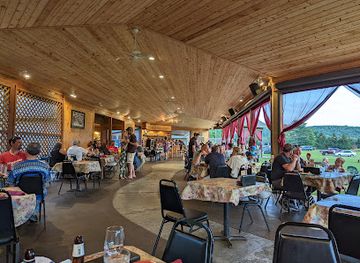
Best nightclubs in Mississippi River Valley
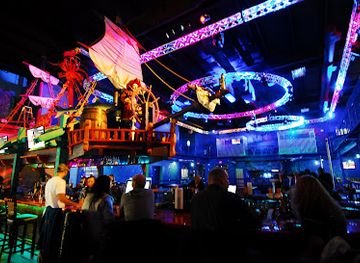
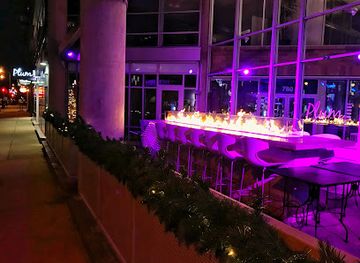
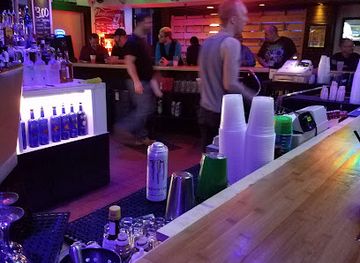
Evening life is generally sociable and low-key rather than dominated by large clubs. La Crosse is the valley’s principal nightlife centre, with traditional pubs, breweries, cocktail-oriented bars, live music and venues connected with its university and downtown districts. Elsewhere, historic taverns, supper-club lounges, brewery taprooms and bars attached to restaurants provide the main evening options. River towns such as Prairie du Chien, Alma, Pepin and Prescott can be lively during summer weekends and local events, but opening patterns and entertainment vary considerably by season. Smaller communities may offer live bands, community performances or informal gatherings rather than a concentrated bar scene. Visitors should arrange transport before drinking, particularly on rural roads where distances are substantial and taxis or rideshares may be limited. For a quieter evening, riverfront walks, sunset views and early dinners are often more characteristic than late-night entertainment.
-
Bar
The Reef
Experience the electrifying nightlife at The Reef, the ultimate dance club and live music venue in Lake Delton, Wisconsin.
-
Night club
Room Seven
Discover the electrifying nightlife of Milwaukee at Room Seven, a top night club and bar offering incredible music and vibrant atmosphere.
-
Gay night club
FIVE Nightclub
Discover the vibrant energy of FIVE Nightclub, Madison's premier gay nightlife destination filled with fun, music, and inclusive community spirit.
-
Night club
Mad Planet
Mad Planet: Dive into Milwaukee's eclectic nightlife with vibrant music, affordable drinks, and a welcoming atmosphere that captivates every visitor.

Best shops in Mississippi River Valley
Shopping is concentrated in independent town-centre businesses, galleries, antique shops, cafés and seasonal markets rather than large retail districts. La Crosse offers the broadest choice of clothing, books, food shops, arts businesses and locally produced goods, while smaller communities such as Stockholm, Pepin, Alma and Prairie du Chien have more individualistic high streets shaped by tourism and local trade. Farmers’ markets and farm stands are useful for Wisconsin cheese, preserves, baked goods, seasonal fruit and vegetables, although dates and availability change through the year. Galleries and craft shops commonly feature pottery, woodwork, textiles, paintings and river-valley photography. In historic river towns, carefully restored commercial buildings often make the shopping setting part of the experience. Visitors should distinguish locally made goods from generic souvenirs and check seasonal opening arrangements, particularly in smaller communities outside summer weekends.
-
Clothing store
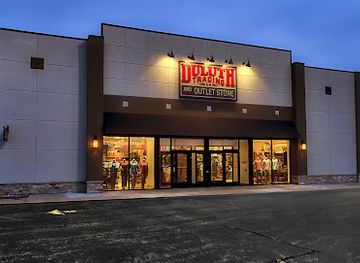
Duluth Trading Company
Explore Duluth Trading Company for rugged, stylish outdoor clothing and gear in Belleville, Wisconsin, perfect for every adventurer.
-
Gift shop
A Unique Boutique LLC Gift Shop
Discover unique gifts and local artistry at A Unique Boutique LLC Gift Shop in Marion, Wisconsin, a must-visit for every traveler.
-
Gift shop
Create Happy Gift Shop
Explore Create Happy Gift Shop in Galesville, WI, your go-to destination for unique gifts, handmade crafts, and local artistry.


Get your free copy of our complete guide to Mississippi River Valley, delivered straight to you.
Everything on this page, from attractions and restaurants to essentials and local phrases, in one PDF you can read offline, print or share.
Already have an account? Sign in
Your Mississippi River Valley guide is ready.
We'll send it to · Not you? Sign out

Getting your guide ready…
We are putting together a fresh copy of the Mississippi River Valley guide. This can take up to a minute.
This can take a few moments. If your browser asks, choose Allow so the download can start. You'll find the guide in your Downloads folder.
Nothing happened? Download it again
Sorry, the guide is taking longer than usual. Please try again in a minute, or get it by email instead.
Mississippi River Valley essentials
Currency and Payment
Safety
Emergency Situations
Do's and Don'ts
Local Tips
From Eve
Local phrases worth knowing
You don't need to get them perfect. A few words go a long way, and locals appreciate the effort.
Basics
| English | Local | Say it |
|---|---|---|
| Hello | Howdy | [Ha-dee] |
| Goodbye | See you later | [See ya lay-ter] |
| Yes | Yep | [Yep] |
| No | Nope | [Nope] |
| Please/You're welcome | Please/No problem | [Pleez/No prob-lem] |
| Thank you | Thanks a lot | [Thanks a lot] |
| Excuse me/Sorry | Excuse me/Sorry 'bout that | [Ex-cuze me/Sorry 'bout that] |
| How are you? | How ya doin'? | [How ya doin'?] |
| Fine. And you? | Good. And you? | [Good. An' you?] |
| Do you speak English? | You speakin' English? | [You speakin' Ing-lish?] |
| I don't understand | I ain't gettin' it | [I ain't gettin' it] |
Eating & Drinking
| English | Local | Say it |
|---|---|---|
| I'd like to see the menu, please | Can I take a look at the menu? | [Can I take a look at the men-oo?] |
| I don't eat meat | I ain't eatin' meat | [I ain't eatin' meat] |
| Cheers! | Cheers! | [Cheers!] |
| I would like to pay, please | Can I get the check, please? | [Can I get the check, pleez?] |
Emergencies
| English | Local | Say it |
|---|---|---|
| Help! | Help! | [Help!] |
| Go away! | Leave me alone! | [Leave me alone!] |
| Call the Police! | Call the cops! | [Call the cops!] |
| Call a doctor! | Get a doctor! | [Get a doc-tor!] |
| I'm lost | I'm all turned around | [I'm all turned around] |
| I'm ill | I'm not feelin' well | [I'm not feelin' well] |
Shopping
| English | Local | Say it |
|---|---|---|
| I'd like to buy... | I wanna buy... | [I wanna buy...] |
| I'm just looking | Just lookin' around | [Just lookin' around] |
| How much is it? | What’s the price? | [What’s the price?] |
| That's too expensive | That costs too much | [That costs too much] |
| Can you lower the price? | Can ya bring the price down? | [Can ya bring the price down?] |
Time & Numbers
| English | Local | Say it |
|---|---|---|
| What time is it? | What time ya got? | [What time ya got?] |
| It's one o'clock | It's one o'clock | [It's one o'clock] |
| Half past (10) | Half past ten | [Half past ten] |
| Morning | Mornin' | [Mornin'] |
| Afternoon | Afternoon | [Af-ter-noon] |
| Evening | Evenin' | [Evenin'] |
| Yesterday | Yest'day | [Yest'day] |
| Today | Today | [Today] |
| Tomorrow | Tomorra' | [Tomorra'] |
| 1 | One | [One] |
| 2 | Two | [Two] |
| 3 | Three | [Three] |
| 4 | Four | [Four] |
| 5 | Five | [Five] |
| 6 | Six | [Six] |
| 7 | Seven | [Seven] |
| 8 | Eight | [Eight] |
| 9 | Nine | [Nine] |
| 10 | Ten | [Ten] |
Transport & Directions
| English | Local | Say it |
|---|---|---|
| Where's a/the...? | Where's a ...? | [Where's a ...?] |
| What's the address? | What’s the address? | [What’s the address?] |
| Can you show me (on the map)? | Can you show me on the map? | [Can you show me on the map?] |
| When's the next (bus)? | When's the next bus? | [When's the next bus?] |
| A ticket (to ....) | A ticket to ... | [A ticket to ...] |
History of Mississippi River Valley
Indigenous Mississippi and Driftless Landscapes
The Mississippi Valley has been inhabited and travelled for thousands of years. Indigenous peoples used the river, islands, wooded ridges and fertile floodplain for movement, fishing, hunting and settlement. The Ho-Chunk have particularly deep historical and cultural ties to much of southwestern Wisconsin, while the wider valley has also been connected with Dakota, Menominee, Sauk and Meskwaki histories. Burial mounds and other archaeological traces remain part of the region’s heritage, although their meaning should be understood within living Indigenous traditions rather than treated simply as antiquities.
French Exploration and the Fur Trade
French explorers, missionaries and traders entered the upper Mississippi system during the seventeenth and eighteenth centuries, building relationships and commercial networks with Indigenous communities. The river became a route for furs, lead and other goods, linking the interior with settlements farther downstream. Prairie du Chien grew into an important meeting and trading point because of its position at the junction of river routes. French influence remains visible in the region’s early place names and in the layered cultural history of its settlements.
Prairie du Chien and Fort Crawford
Prairie du Chien became a strategic military and political centre during the period when the United States expanded control over the upper Mississippi. Fort Crawford, established in the early nineteenth century, was involved in negotiations with Indigenous nations and in the military history surrounding the War of 1812 and later frontier tensions. The town’s location made it important for trade, administration and transport as well as defence. Reconstructed and preserved elements of the fort period help explain how national policy affected Indigenous communities and river commerce.
Steamboats, Lumber and River Commerce
During the nineteenth century, steamboats transformed the Mississippi into a major commercial artery. River towns such as La Crosse, Alma, Trempealeau and Prairie du Chien handled grain, timber, livestock and manufactured goods, while lumber operations upriver fed sawmills and building markets. The river was productive but dangerous, with shifting channels, submerged hazards and seasonal flooding. Warehouses, port facilities, historic commercial blocks and surviving riverfront infrastructure reflect the period when water transport was central to the valley’s economy.
Railways, Agriculture and Permanent Towns
Railway construction from the mid-nineteenth century altered the balance between river and land transport. Rail connections helped farmers move grain and livestock to larger markets and allowed river communities to develop more stable commercial and civic institutions. Churches, schools, banks, hotels and brick storefronts appeared in towns along the bluffs and floodplain. Agriculture remained important, but transport improvements also encouraged manufacturing, services and tourism. Many of the valley’s historic town centres date from this period of rapid connection and growth.
Conservation and the Great River Road
In the twentieth century, changing industry and transport reduced the river’s role as the region’s sole commercial lifeline, while public concern grew over floodplain development, wildlife habitat and scenic landscapes. State parks, fish and wildlife areas and protected backwaters helped conserve sections of the valley. The Great River Road later connected communities through a deliberately scenic touring route, encouraging heritage and nature tourism while remaining compatible with working farms, ports and river industries. Today, conservation and recreation complement rather than replace the valley’s agricultural and civic life.
Mississippi River Valley in Photos
Browse through our photo collection highlighting the charm and character of the destination.
Neighbouring regions of Mississippi River Valley
The closest regions to Mississippi River Valley, if you have time for more than one.
-

-

-

-

-


Swipe for more regions
Explore more

Explore more of Wisconsin
Discover Wisconsin: A Midwestern gem offering stunning natural landscapes, rich cultural experiences, and a taste of America's finest dairy products.
Explore Wisconsin