

Jackson Hole Travel Guide - Free Web & App
Your ultimate guide to Jackson Hole. Discover top landmarks, proposed trips, and local tips. Free on the web or via the Evendo companion app.


Jackson Hole, Wyoming pairs Grand Teton scenery, wildlife watching, mountain trails, western heritage and year-round outdoor adventure near Yellowstone
Landscape and Sense of Place
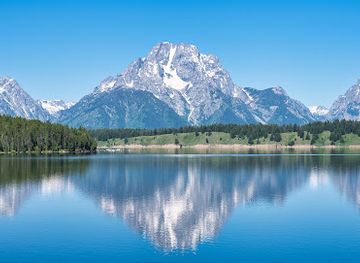
Jackson Hole is a broad mountain valley in north-western Wyoming, framed by the rugged Teton Range to the west and the Gros Ventre Range to the east. The name refers to the valley rather than simply the town of Jackson, and the area encompasses a patchwork of public land, ranches, villages, protected landscapes and the dramatic mountain scenery of Grand Teton National Park. The Snake River winds through the valley, while sagebrush flats, cottonwood corridors, alpine lakes and glacially shaped peaks create markedly different environments within a relatively compact region.Read more about Jackson Hole
Wildlife and Protected Landscapes
Communities and Outdoor Life
When is the best time to visit Jackson Hole?
Best: June–August · 22–25°C| Month | High (°C) | Rainfall (mm) |
|---|---|---|
| January | -2 | 48 |
| February | 0 | 43 |
| March | 6 | 43 |
| April | 11 | 41 |
| May | 17 | 46 |
| June (best) | 22 | 41 |
| July (best) | 25 | 36 |
| August (best) | 24 | 41 |
| September | 20 | 46 |
| October | 12 | 41 |
| November | 3 | 43 |
| December | -1 | 48 |
Getting to and around Jackson Hole
How to get there
Transportation
Best attractions in Jackson Hole
Grand Teton National Park contains Jackson Hole's defining collection of sights, from Jenny Lake and its mountain backdrop to the broad waters of Jackson Lake, the Snake River and the dramatic Cathedral Group. Oxbow Bend is a notable viewpoint for river scenery and possible wildlife observation, while the historic Mormon Row district preserves early homesteading buildings against the Teton Range. Near Jackson, the National Elk Refuge provides open landscapes and seasonal views of elk, pronghorn and other wildlife, though access and observation conditions vary. Teton Village offers summer mountain access and winter skiing, while the National Museum of Wildlife Art presents a cultural perspective on the animals and landscapes of the American West. Jackson's Town Square, historic buildings, galleries and rodeo tradition provide a contrasting urban and western experience. The wider valley also leads towards mountain roads, ranch country and gateways to Yellowstone, although those destinations should be planned as separate excursions rather than assumed to lie within Jackson Hole itself.
-
Tourist attraction
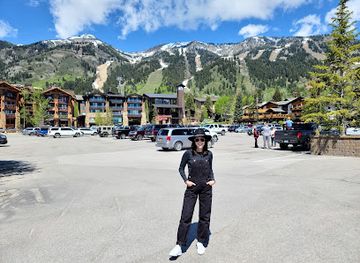
Jackson Hole Mountain Resort
Discover the thrill of skiing and the beauty of nature at Jackson Hole Mountain Resort, your year-round adventure destination in Wyoming.
-
Tourist attraction
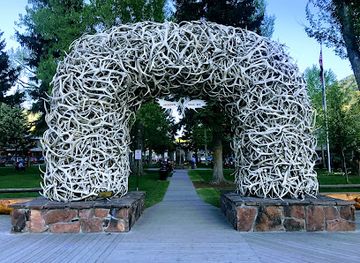
Jackson Town Square
Explore Jackson Town Square, a vibrant hub of culture, art, and stunning natural beauty in the heart of Wyoming's majestic landscape.
-
Visitor center
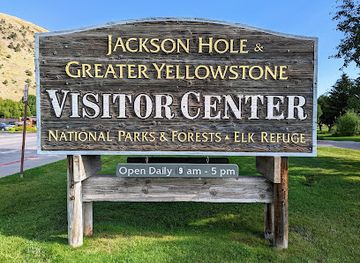
National Elk Refuge & Greater Yellowstone Visitor Center
Explore the National Elk Refuge & Greater Yellowstone Visitor Center for an unforgettable wildlife experience in the heart of Wyoming's stunning landscapes.
-
Tourist attraction
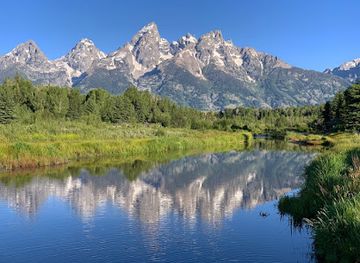
Schwabacher Landing
Experience the breathtaking beauty of Schwabacher Landing, where stunning mountain reflections meet serene waters in Grand Teton National Park.
Best landmarks in Jackson Hole
The Teton Range is Jackson Hole's central natural landmark, rising sharply from the valley floor and culminating in peaks such as Grand Teton, Mount Owen and Mount Moran. Jenny Lake and Jackson Lake are prominent water features associated with the glacial landscape, while the Snake River provides a sinuous foreground to many mountain views. The historic barns of Mormon Row are among the valley's most recognisable human landmarks, linking homesteading history with the Teton panorama. In Jackson, the Town Square's elk-antler arches express the community's western character and its relationship with the National Elk Refuge, whose wintering elk herd is one of the region's best-known wildlife symbols. Teton Village, at the foot of the southern range, represents the modern development of winter sports and mountain tourism. Together, these natural and cultural landmarks show how geology, wildlife, ranching and recreation overlap across the valley.
-
Park
Jackson Town Square
Explore the enchanting Jackson Town Square, a vibrant park filled with antler arches, local shops, and breathtaking views in the heart of Jackson Hole.
Explore Jackson Hole on the map
Plan your trip on one map. See where the top attractions, landmarks, restaurants and hotels are, and book hotels and experiences in a few clicks.
Best hotels in Jackson Hole
Best restaurants in Jackson Hole
Dining in Jackson Hole combines western ranching traditions, Rocky Mountain ingredients and an increasingly varied restaurant scene concentrated in Jackson and Teton Village. Visitors can find familiar American dishes alongside locally influenced menus featuring beef, game where legally sourced, trout and seasonal produce, while cafés, bakeries and casual restaurants provide practical options before or after time outdoors. Jackson's historic centre has the greatest concentration of places to eat, with further choices in Teton Village and around major accommodation areas. Outside these hubs, food services are limited and visitors exploring Grand Teton National Park, the National Elk Refuge or remote trailheads should plan provisions rather than expect a restaurant nearby. Farm shops and local producers reflect the valley's agricultural character, while western-style saloons and ranch-oriented dining evoke the area's working landscape without making every meal a themed experience.
-
Restaurant
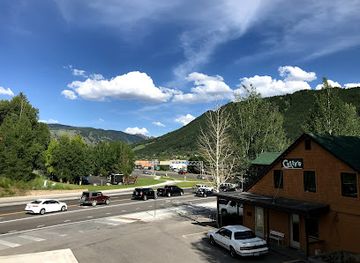
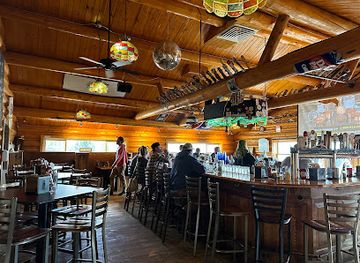
Cutty's Bar & Grill
Experience mouthwatering local cuisine and craft beverages at Cutty's Bar & Grill in Jackson, Wyoming - your perfect dining destination.
-
Fast Food
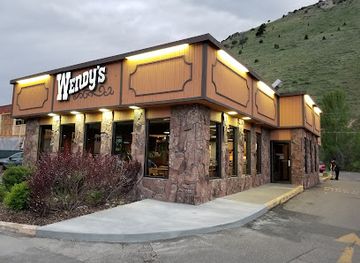
Wendy's
Savor delicious fast food at Wendy's in Jackson – perfect for tourists craving quick bites amidst breathtaking Wyoming scenery.
-
Grill
The Bird
Experience delectable grilled cuisine at The Bird in Jackson; where flavor meets comfort in the heart of Wyoming's breathtaking landscapes.
-
Italian
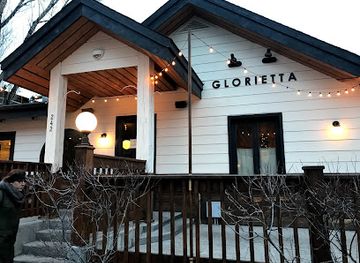
Glorietta Trattoria
Experience authentic Italian cuisine at Glorietta Trattoria in Jackson, Wyoming – where every dish tells a story.
Best bars in Jackson Hole
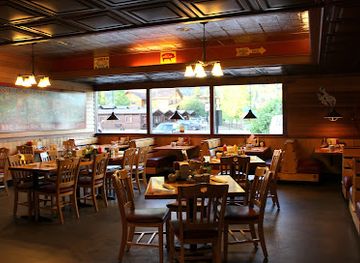
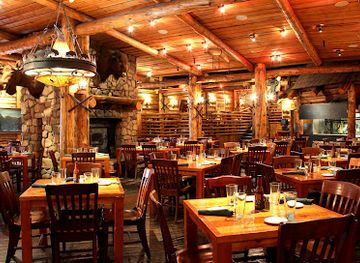
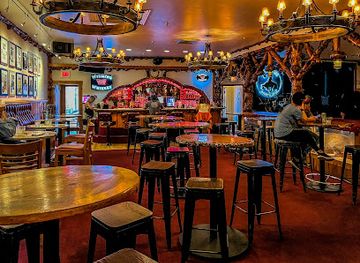
Jackson Hole's evening scene is centred on Jackson, where historic bars, saloons, hotel lounges and live-music venues create a sociable western atmosphere after dark. The town's nightlife is generally more pub- and music-led than club-focused, with entertainment ranging from informal gatherings to performances at established cultural venues when scheduled. Teton Village also has bars and après-ski settings, especially during the winter season, although the character is tied closely to mountain recreation and accommodation. Outside Jackson and Teton Village, evenings are quiet, with rural inns and lodges providing the main opportunities for a drink or conversation. Visitors should not expect a large nightclub district across the valley, and seasonal programming, weather and operating patterns can affect what is available.
-
Barbecue
Bubba's Bar-B-Que Restaurant
Experience the rich flavors of Southern barbecue at Bubba's Bar-B-Que in Jackson, WY, where every bite tells a story of culinary excellence.
-
Bar
Gun Barrel Steak and Game House
Indulge in game and steak specialties at Jackson's Gun Barrel Steak and Game House, a family-friendly fine dining gem.
-
Bar
Million Dollar Cowboy Bar
Discover the iconic Million Dollar Cowboy Bar in Jackson, Wyoming, where the spirit of the Wild West comes alive with live music, cowboy decor, and friendly vibes.
-
Hamburger
Liberty Burger
Discover Liberty Burger in Jackson, Wyoming – a gourmet hamburger haven with local flavors and a cozy atmosphere perfect for all food lovers.
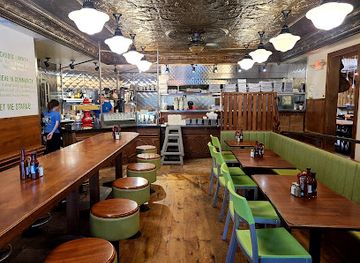
Best nightclubs in Jackson Hole
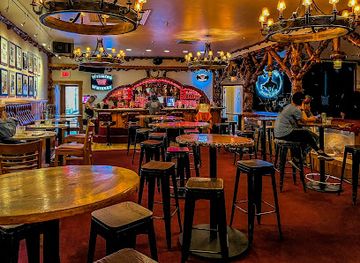
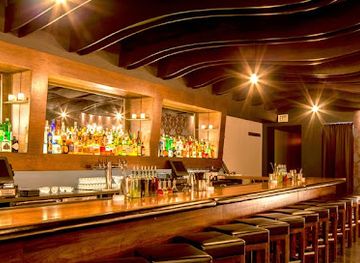
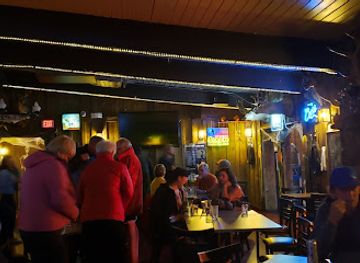
Jackson Hole's evening scene is centred on Jackson, where historic bars, saloons, hotel lounges and live-music venues create a sociable western atmosphere after dark. The town's nightlife is generally more pub- and music-led than club-focused, with entertainment ranging from informal gatherings to performances at established cultural venues when scheduled. Teton Village also has bars and après-ski settings, especially during the winter season, although the character is tied closely to mountain recreation and accommodation. Outside Jackson and Teton Village, evenings are quiet, with rural inns and lodges providing the main opportunities for a drink or conversation. Visitors should not expect a large nightclub district across the valley, and seasonal programming, weather and operating patterns can affect what is available.
-
Bar
Million Dollar Cowboy Bar
Immerse yourself in the lively spirit of the Wild West at the Million Dollar Cowboy Bar, a Jackson, Wyoming icon known for its vibrant nightlife and cowboy charm.
-
Bar
The Rose
Experience the vibrant nightlife at The Rose in Jackson, Wyoming, with exquisite cocktails, live music, and a lively atmosphere that captures the essence of local fun.
-
Bar
Virginian Saloon
Discover the lively Virginian Saloon in Jackson, WY, where rustic charm meets vibrant nightlife, perfect for a night out after exploring the great outdoors.
Best shops in Jackson Hole
Shopping is concentrated in Jackson, particularly around the historic Town Square and adjoining streets, where galleries, western-wear retailers, outdoor shops, jewellers and independent businesses reflect the town's visitor economy. Art associated with wildlife, western subjects and the Rocky Mountain landscape is a notable feature, while locally relevant purchases may include leather goods, boots, handmade jewellery, regional food products and practical outdoor equipment. Teton Village has shops serving skiers, hikers and other mountain visitors, but retail choice is narrower than in Jackson. Small communities and rural areas may have only limited everyday facilities, so equipment, provisions and gifts are best sourced before heading into Grand Teton National Park or the National Elk Refuge. Visitors should distinguish locally made work from broadly marketed western-themed merchandise and respect the businesses' seasonal operating patterns.
-
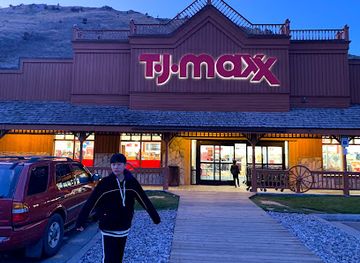
Department store
T.J. Maxx
Explore T.J. Maxx in Jackson, Wyoming for unbeatable deals on clothing, accessories, and home goods, perfect for every savvy shopper.
-
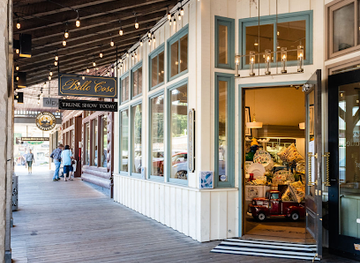
Gift shop
Belle Shops | Town Square
Explore Belle Shops in Jackson, WY for unique gifts, home goods, and exquisite jewelry that capture the spirit of your travels.
-
Gift shop
MADE
Discover MADE in Jackson Hole, your go-to destination for unique local gifts, art, and fashion accessories that celebrate the spirit of Wyoming.
-
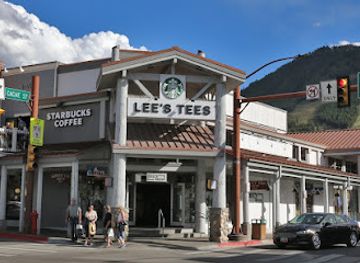
T-shirt store
Lee's Tees
Discover unique souvenirs at Lee's Tees in Jackson, Wyoming, where stylish T-shirts embody the spirit of the American West.

Get your free copy of our complete guide to Jackson Hole, delivered straight to you.
Everything on this page, from attractions and restaurants to essentials and local phrases, in one PDF you can read offline, print or share.
Already have an account? Sign in
Your Jackson Hole guide is ready.
We'll send it to · Not you? Sign out

Getting your guide ready…
We are putting together a fresh copy of the Jackson Hole guide. This can take up to a minute.
This can take a few moments. If your browser asks, choose Allow so the download can start. You'll find the guide in your Downloads folder.
Nothing happened? Download it again
Sorry, the guide is taking longer than usual. Please try again in a minute, or get it by email instead.
Jackson Hole essentials
Currency and Payment
Safety
Emergency Situations
Do's and Don'ts
Local Tips
From Eve
Local phrases worth knowing
You don't need to get them perfect. A few words go a long way, and locals appreciate the effort.
Basics
| English | Local | Say it |
|---|---|---|
| Hello | Howdy | [hau-dee] |
| Goodbye | See ya | [see ya] |
| Yes | Yep | [yep] |
| No | Nope | [nohp] |
| Please/You're welcome | Please/No worries | [pleez/noh wur-eez] |
| Thank you | Thanks | [thanks] |
| Excuse me/Sorry | Pardon me/My bad | [par-dn mee/my bad] |
| How are you? | Howdy partner? | [hau-dee par-tner] |
| Fine. And you? | Jus' fine. You? | [jus fine. yoo] |
| Do you speak English? | Ya speak English? | [ya speak ing-glish] |
| I don't understand | I'm lost | [I'm lost] |
Eating & Drinking
| English | Local | Say it |
|---|---|---|
| I'd like to see the menu, please | Menu, please | [menu, please] |
| I don't eat meat | No meat for me | [noh meet for mee] |
| Cheers! | Cheers! | [cheers] |
| I would like to pay, please | Check please | [check please] |
Emergencies
| English | Local | Say it |
|---|---|---|
| Help! | Help! | [help] |
| Go away! | Leave me be! | [leave mee bee] |
| Call the Police! | Call the cops! | [call the cops] |
| Call a doctor! | Get a doc! | [get a doc] |
| I'm lost | I'm lost | [I'm lost] |
| I'm ill | I'm sick | [I'm sick] |
Shopping
| English | Local | Say it |
|---|---|---|
| I'd like to buy... | I'll take... | [I'll take...] |
| I'm just looking | Just browsing | [just brows-ing] |
| How much is it? | How much? | [how much] |
| That's too expensive | Too pricey | [too pry-see] |
| Can you lower the price? | Can you do better? | [can you do bet-ter] |
Time & Numbers
| English | Local | Say it |
|---|---|---|
| What time is it? | What's the time? | [wuts the time] |
| It's one o'clock | It's one | [It's one] |
| Half past (10) | Half ten | [half ten] |
| Morning | Morning | [morning] |
| Afternoon | Afternoon | [after-noon] |
| Evening | Evening | [evening] |
| Yesterday | Yesterday | [yes-ter-day] |
| Today | Today | [to-day] |
| Tomorrow | Tomorrow | [to-mor-row] |
| 1 | One | [wun] |
| 2 | Two | [too] |
| 3 | Three | [three] |
| 4 | Four | [fore] |
| 5 | Five | [fahyv] |
| 6 | Six | [siks] |
| 7 | Seven | [sev-en] |
| 8 | Eight | [ate] |
| 9 | Nine | [nain] |
| 10 | Ten | [ten] |
Transport & Directions
| English | Local | Say it |
|---|---|---|
| Where's a/the...? | Where's the...? | [wheres the] |
| What's the address? | Address? | [address] |
| Can you show me (on the map)? | Show me (on map)? | [show me (on map)] |
| When's the next (bus)? | Next (bus)? | [next (bus)] |
| A ticket (to ....) | Ticket (to ...) | [ticket (to)] |
History of Jackson Hole
A Valley Shaped by Ice and Rivers
Jackson Hole was shaped by long geological processes, including faulting, uplift, glaciation and river erosion. Glaciers descended from the Teton Range during the last ice ages, carving valleys and leaving moraines, lakes and broad outwash plains. The Snake River later became the valley's principal watercourse, linking wetlands, forests and sagebrush country. These landforms explain the area's distinctive contrasts: steep granite peaks rise abruptly above a relatively open valley floor, while Jackson Lake and Jenny Lake occupy basins associated with glacial activity. Geological history remains visible in the Teton skyline, rocky canyons and changing vegetation zones.
Indigenous Homelands and Early Travel
Long before Euro-American settlement, the Jackson Hole region was used by Indigenous peoples, including Eastern Shoshone, Northern Arapaho, Bannock and Crow communities, for hunting, gathering and seasonal movement. Archaeological evidence across the wider region records a much older human presence, while trails followed river corridors and mountain passes. In the early nineteenth century, fur trappers and explorers entered the valley during the North American fur trade. The name Jackson Hole is associated with fur trapper Davey Jackson, whose name became attached to the valley in the 1820s, although the landscape's Indigenous history is considerably older.
Settlement, Ranching and Jackson
Permanent Euro-American settlement increased during the late nineteenth century, when homesteaders established ranches and small communities in the valley. Jackson, founded as a settlement in the 1890s, developed as a local trading and administrative centre, while ranching remained central to the economy and landscape. The valley's short growing season and high elevation favoured livestock rather than intensive agriculture. Buildings, irrigation works and open ranchland preserve aspects of this period, although modern development and tourism have transformed the scale of the local economy. The town's Town Square, with its famous elk-antler arches, reflects the region's western identity and later civic history.
National Parks and Public-Land Conservation
Conservation gradually reshaped Jackson Hole. Grand Teton National Park was established in 1929 to protect the Teton Range and later expanded to include much of the valley floor. In 1949, John D. Rockefeller, Jr. donated extensive land that helped connect the park's landscapes and is now associated with the John D. Rockefeller, Jr. Memorial Parkway. The National Elk Refuge, established in 1912 near Jackson, protected important winter range for the Jackson elk herd. These designations created a framework for safeguarding scenery and habitat while leaving the valley as a working landscape shared by ranching, recreation and tourism.
Tourism and the Modern Valley
Tourism expanded during the twentieth century as improved roads, dude ranches, national-park travel and winter sports brought more visitors to Jackson Hole. Jackson Hole Mountain Resort opened at Teton Village in 1965, helping establish the valley as a major ski destination, while summer visitation grew around hiking, climbing, fishing, boating and wildlife observation. Today, the area balances a large visitor economy with conservation responsibilities, housing pressure, working ranches and the protection of wildlife corridors. Grand Teton National Park, the National Elk Refuge and surrounding public lands remain central to the valley's identity, but access, development and environmental stewardship continue to shape its future.
Jackson Hole in Photos
Browse through our photo collection highlighting the charm and character of the destination.
Neighbouring destination travel guides
The closest destinations to Jackson Hole, if you have time for more than one.
-

-
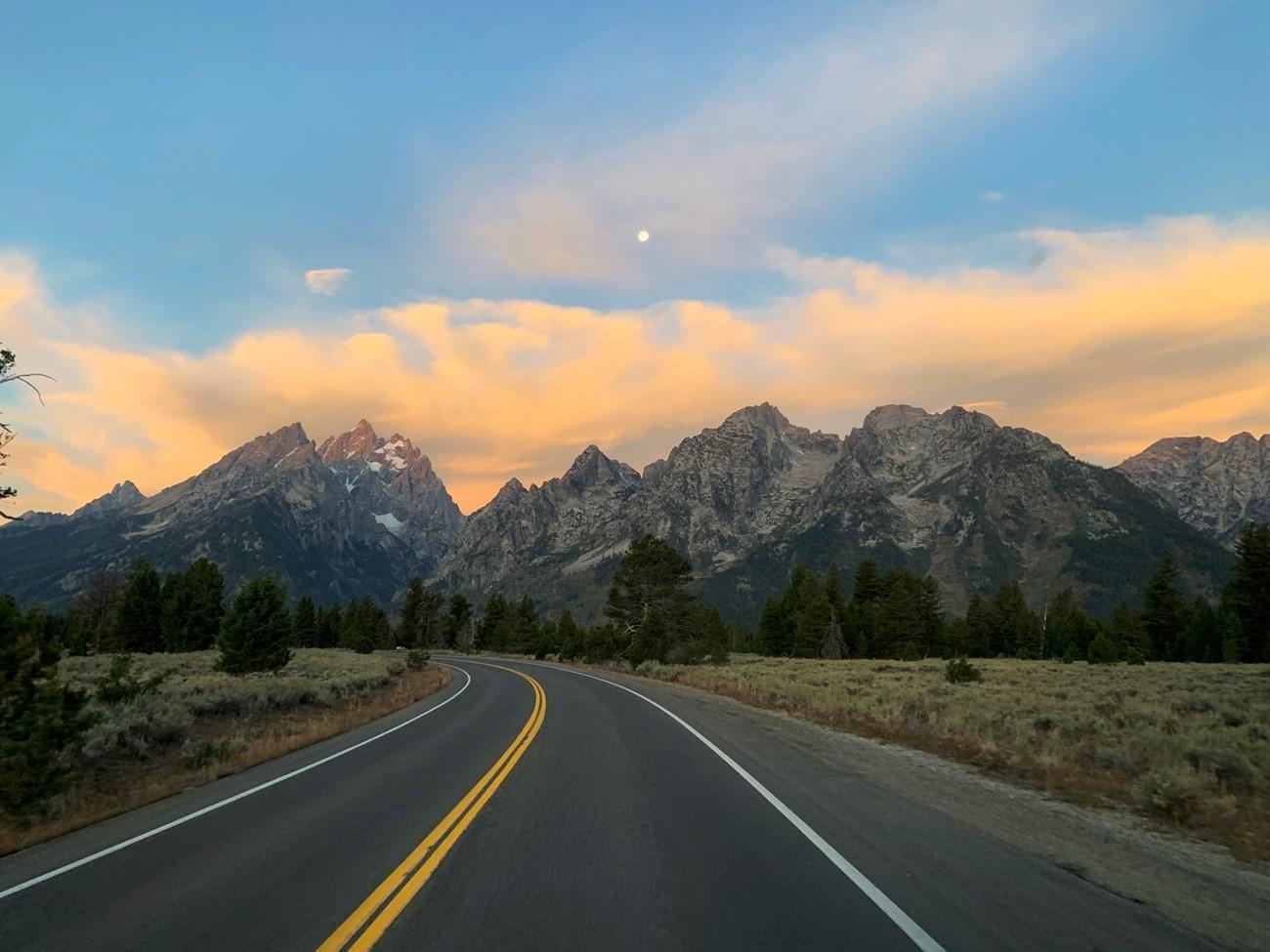 Bridger-Teton National Forest
Discover the majesty of Bridger-Teton National Forest, where vast wilderness, diverse wildlife, and outdoor adventures await in the heart of Wyoming.
Bridger-Teton National Forest
Discover the majesty of Bridger-Teton National Forest, where vast wilderness, diverse wildlife, and outdoor adventures await in the heart of Wyoming.
-
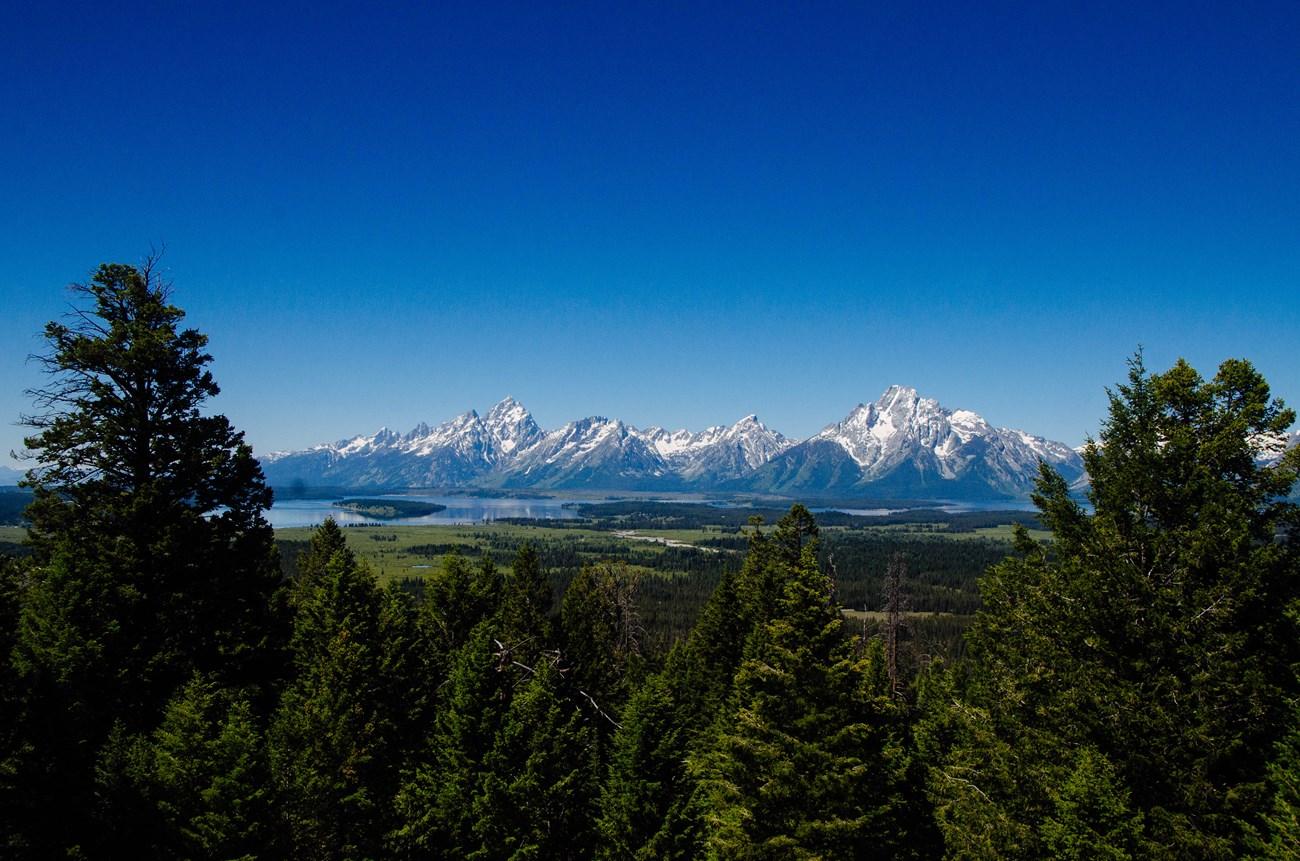 Grand Teton National Park
, Wyoming, pairs jagged peaks, alpine lakes, wildlife-rich valleys, scenic drives and western heritage near Jackson.
Grand Teton National Park
Grand Teton National Park, Wyoming, pairs jagged peaks, alpine lakes, wildlife-rich valleys, scenic drives and western heritage near Jackson.
-

-


Swipe for more destinations
Explore more

Explore more of Grand Teton National Park
Grand Teton National Park combines granite peaks, alpine lakes, wildlife, historic homesteads and hiking across Wyoming's Jackson Hole.
Explore Grand Teton National Park
Explore more of Wyoming
Discover Wyoming: A Land of Unspoiled Beauty, Rich History, and Boundless Outdoor Adventures in the Heart of the American West.
Explore Wyoming