

Free Niobrara County Travel Guide & Mobile App
Explore Niobrara County with free travel guides. Discover regional history, expert tips, proposed trips, and audio guides on web or mobile app.


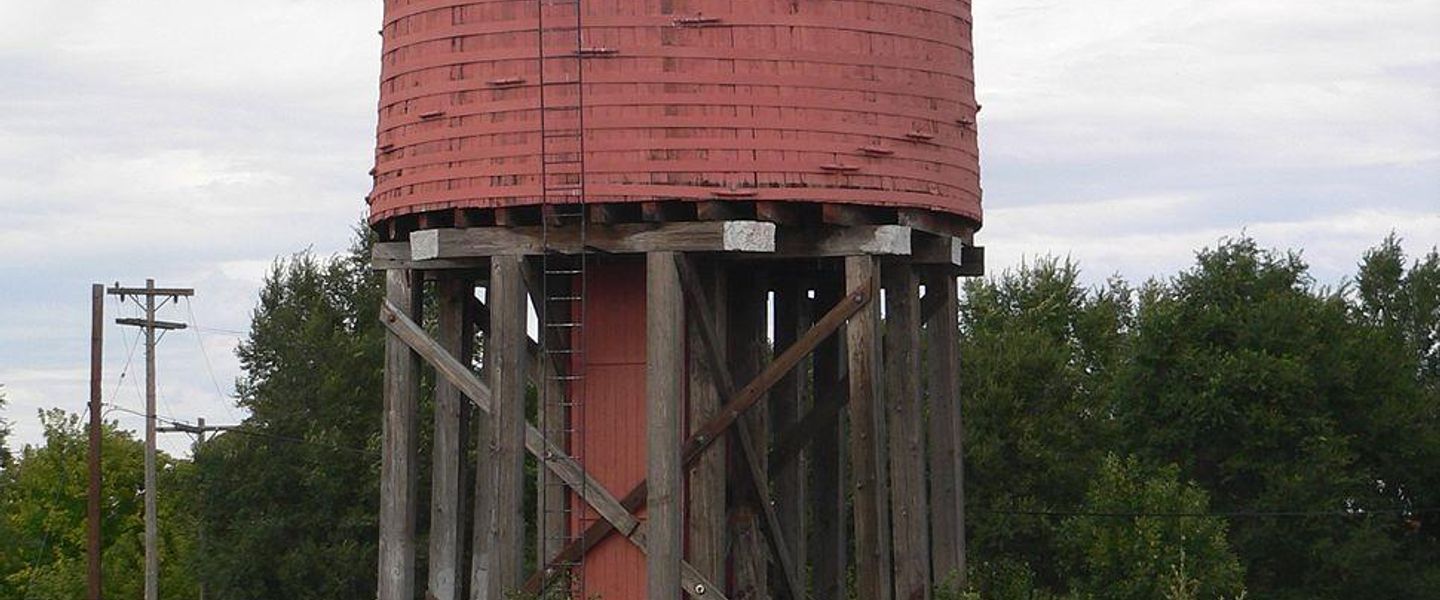


Niobrara County, Wyoming offers open prairie, river landscapes, ranching history, small-town museums and quiet eastern-road exploration.
Read more about Niobrara County
Getting to and around Niobrara County
How to get there
Transportation
Best landmarks in Niobrara County
Lusk’s historic town centre and the Lusk Museum and Stagecoach Depot are the county’s clearest built landmarks, together illustrating the town’s development as a transport, ranching and administrative centre. The depot’s association with overland travel connects local history to the wider movement of people and goods across the Wyoming plains. The Niobrara River is the county’s principal natural landmark, cutting a comparatively verdant course through open grassland and marking a long-established corridor for wildlife and human movement. Around the county, low buttes, exposed ridges and broad prairie horizons create landmarks of scale rather than monumental architecture; their importance is visual and geographical, helping travellers read the terrain from the road. Lance Creek’s oil-field landscape is significant for its industrial associations, even where individual facilities are working sites rather than visitor attractions. Together these places express Niobrara County’s character: a small historic town, a river valley, a productive prairie and an energy landscape set beneath an exceptionally open sky.
-
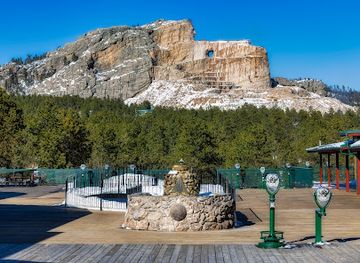
Monument
Crazy Horse Memorial
Explore the Crazy Horse Memorial: A Cultural Landmark Celebrating Native American Heritage in the Scenic Black Hills of South Dakota.
-
State park
Curt Gowdy State Park
Explore the breathtaking landscapes, outdoor activities, and serene camping experiences at Curt Gowdy State Park in Wyoming.
-
State park
Glendo State Park
Explore the breathtaking landscapes and outdoor adventures that await you at Glendo State Park in Wyoming, where nature and recreation meet.
-
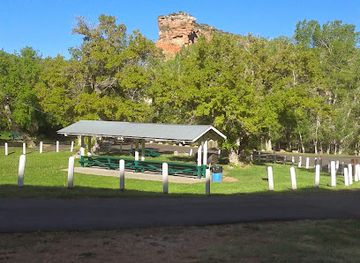
Park
Ayres Natural Bridge Park
Discover the stunning landscapes, rich history, and outdoor adventures at Ayres Natural Bridge Park in Wyoming, a must-visit destination for nature lovers.


Explore Niobrara County on the map
Plan your trip on one map. See where the top cities, national parks and sights are, and book hotels and experiences in a few clicks.
Best hotels in Niobrara County
Best restaurants in Niobrara County
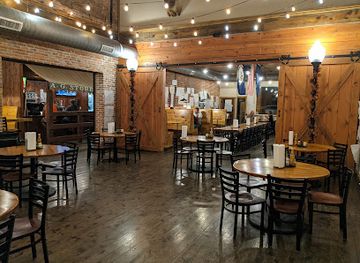
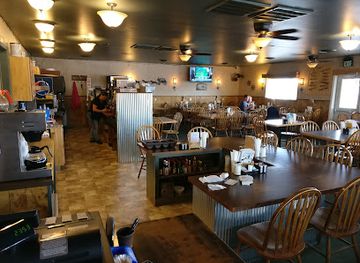
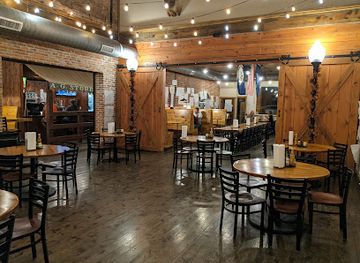
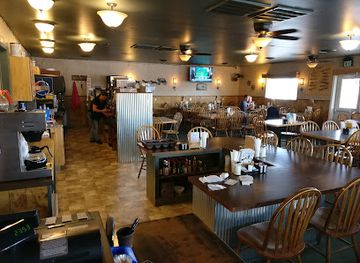
Dining in Niobrara County is centred on the practical, community-oriented establishments of Lusk and the limited services available in smaller settlements. Visitors can expect cafés, diners and straightforward local restaurants suited to travellers, ranching families and people crossing eastern Wyoming by road, rather than a large restaurant district. Menus commonly reflect broader Wyoming and American West traditions: beef, burgers, sandwiches, breakfast dishes, chilli and baked goods are more characteristic than a narrowly defined county cuisine. Local grocery shopping is useful for picnics and longer drives, especially when exploring remote roads. The surrounding ranching economy gives beef and hearty country cooking a strong regional context, while seasonal produce and homemade baking may appear through community events or local markets. Dining options can be limited outside Lusk and may operate to small-town schedules, so plan evening meals and fuel stops rather than assuming late service. Craft beverages and regional products are better treated as occasional finds than as the foundation of the county’s food identity.
-
American
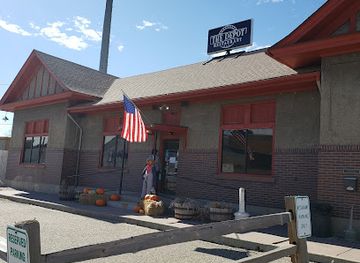
The Depot Restaurant
Experience delightful American cuisine in Douglas at The Depot Restaurant – where local flavors meet warm hospitality.
-
Pizza
Pizza Place
Discover Lusk's beloved pizza spot offering handcrafted pies made with local ingredients in a cozy atmosphere.
-
Restaurant
Outpost Café
Discover comfort food at Outpost Café in Lusk, Wyoming - where friendly service meets delicious meals.
-
Restaurant
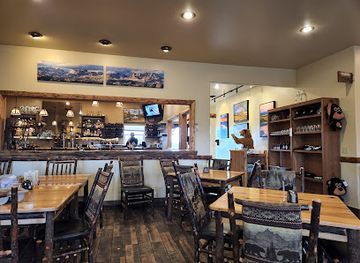
The Bear Den | Restaurant & Bar
Discover The Bear Den: A charming restaurant & bar in Daniel, Wyoming offering delicious steaks and welcoming vibes amidst scenic beauty.
Best bars in Niobrara County
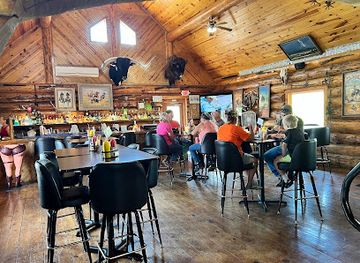
Niobrara County does not have a major nightclub scene, and evenings are generally built around local bars, casual restaurants, community gatherings and the quiet social life of small towns. Lusk is the most likely place to find a traditional Wyoming bar or pub-style meeting place, while smaller communities offer more limited options. The atmosphere is usually informal and locally oriented rather than designed around a visitor nightlife industry. Live music, seasonal community events and social occasions may provide evening entertainment, but schedules vary and should be checked locally. Rural darkness is a defining feature after closing time, making stargazing and an early start for the next day more realistic than late-night venue-hopping. Visitors should drink responsibly, arrange a safe journey and remember that distances between communities can be considerable.
-
Bar
The Diamond Bar at Devils Tower
Experience local flavors and stunning views at The Diamond Bar, your perfect dining destination near Devils Tower.
-
Hotel
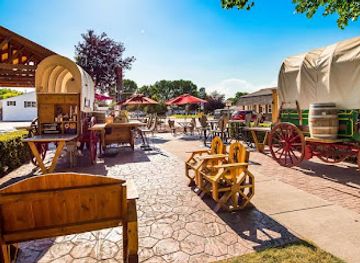
Best Western Pioneer
Discover the charm of Lusk, Wyoming with a stay at Best Western Pioneer, where comfort meets convenience for every traveler.
-
Pizza
Pizza Place
Discover the best pizza in Lusk, Wyoming, with a variety of delicious options and a welcoming atmosphere for all pizza lovers.
-
Restaurant
Outpost Café
Discover the warmth and comfort of Outpost Café in Lusk, Wyoming, where delicious meals meet a welcoming atmosphere.
Best shops in Niobrara County
Shopping in Niobrara County is practical and small-scale, with Lusk providing the broadest choice of groceries, travel supplies, gifts and locally oriented services. Independent shops and community businesses are more characteristic than large shopping centres, while smaller settlements have very limited retail provision. The most appropriate souvenirs reflect eastern Wyoming’s ranching and frontier associations: regional books, local-history material, Western clothing, handmade crafts and locally produced food when available. Museum shops or community events may offer items connected with the county’s transport, ranching and oil heritage, although stock and opening arrangements vary. Travellers should buy specialist outdoor supplies, substantial provisions and fuel before leaving Lusk, particularly when planning a remote drive. Seasonal farmers’ markets, fairs and local fundraising events can provide opportunities to meet producers and purchase baked goods or crafts, but they should not be assumed to operate every week. The county’s retail experience is primarily about useful supplies and locally made or locally themed items rather than destination shopping.
-
 Hotel
HotelBest Western Pioneer
Discover the heart of Wyoming at Best Western Pioneer, where comfort and local charm come together for an unforgettable stay.
-
Gift shop
Plains Motel Trading Post Gift Shop & Ice Cream Parlor
Experience the charm of Wyoming at the Plains Motel Trading Post, your go-to gift shop and ice cream parlor in Douglas.
-
Grocery store
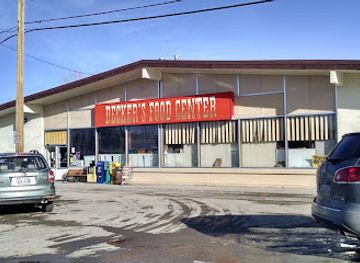
Decker's Market
Experience the heart of Wyoming at Decker's Market, where local flavors and friendly service create a unique grocery shopping experience.
-
Gas station
Sinclair Gas Station
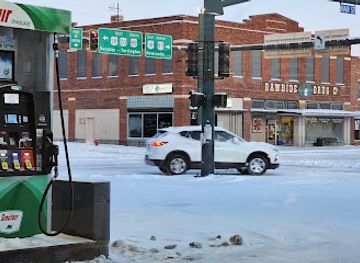
Discover the Sinclair Gas Station in Lusk, WY – your convenient refueling stop with friendly service and a well-stocked convenience store.
Get your free copy of our complete guide to Niobrara County, delivered straight to you.
Everything on this page, from attractions and restaurants to essentials and local phrases, in one PDF you can read offline, print or share.
Already have an account? Sign in
Your Niobrara County guide is ready.
We'll send it to · Not you? Sign out

Getting your guide ready…
We are putting together a fresh copy of the Niobrara County guide. This can take up to a minute.
This can take a few moments. If your browser asks, choose Allow so the download can start. You'll find the guide in your Downloads folder.
Nothing happened? Download it again
Sorry, the guide is taking longer than usual. Please try again in a minute, or get it by email instead.
Niobrara County essentials
Currency and Payment
Safety
Emergency Situations
Do's and Don'ts
Local Tips
From Eve
Local phrases worth knowing
You don't need to get them perfect. A few words go a long way, and locals appreciate the effort.
Basics
| English | Local | Say it |
|---|---|---|
| Hello | Howdy | [hau-dee] |
| Goodbye | See ya | [see yah] |
| Yes | Yep | [yehp] |
| No | Nope | [noh-p] |
| Please/You're welcome | Please/No problem | [pleez/noh prob-luhm] |
| Thank you | Thanks | [thangks] |
| Excuse me/Sorry | Excuse me/Sorry | [ex-kyoos mee/sor-ee] |
| How are you? | How's it going? | [howz it go-ing] |
| Fine. And you? | Good. You? | [guhd. yoo?] |
| Do you speak English? | You speakin' English? | [yoo speek-in' ing-glish?] |
| I don't understand | I ain't gettin' it | [I aynt get-in' it] |
Eating & Drinking
| English | Local | Say it |
|---|---|---|
| I'd like to see the menu, please | Can I see the menu? | [kan I see thuh men-yoo?] |
| I don't eat meat | I don't do meat | [I don't do meet] |
| Cheers! | Cheers! | [cheerz] |
| I would like to pay, please | Can I get the bill? | [kan I get thuh bil?] |
Emergencies
| English | Local | Say it |
|---|---|---|
| Help! | Help! | [help] |
| Go away! | Get outta here! | [get out-ta heer] |
| Call the Police! | Call the cops! | [kawl thuh cops] |
| Call a doctor! | Get a doc! | [get a doc] |
| I'm lost | I can't find my way | [I kant find my way] |
| I'm ill | I'm feelin' sick | [I'm feelin' sik] |
Shopping
| English | Local | Say it |
|---|---|---|
| I'd like to buy... | I'm lookin' to buy... | [I'm lookin' to buy...] |
| I'm just looking | Just browsin' | [just brow-zin'] |
| How much is it? | What's the price? | [whats thuh prys?] |
| That's too expensive | That's a bit steep | [thats a bit steep] |
| Can you lower the price? | Can you bring down the price? | [kan yoo bring down thuh prys?] |
Time & Numbers
| English | Local | Say it |
|---|---|---|
| What time is it? | What time ya got? | [whats time ya got?] |
| It's one o'clock | It's one | [its wun] |
| Half past (10) | Half past ten | [haf past ten] |
| Morning | Mornin' | [morn-in'] |
| Afternoon | Afternoon | [af-ter-noon] |
| Evening | Evenin' | [eev-nin'] |
| Yesterday | Yesterday | [yes-ter-day] |
| Today | Today | [to-day] |
| Tomorrow | Tomorrow | [to-mor-row] |
| 1 | One | [wun] |
| 2 | Two | [too] |
| 3 | Three | [three] |
| 4 | Four | [for] |
| 5 | Five | [fiv] |
| 6 | Six | [siks] |
| 7 | Seven | [sev-en] |
| 8 | Eight | [ate] |
| 9 | Nine | [nayn] |
| 10 | Ten | [ten] |
Transport & Directions
| English | Local | Say it |
|---|---|---|
| Where's a/the...? | Where's the...? | [wheres thuh...?] |
| What's the address? | What's the address? | [whats thuh ad-res?] |
| Can you show me (on the map)? | Can ya point it out? | [kan ya point it out?] |
| When's the next (bus)? | When's the next bus? | [whens thuh next bus?] |
| A ticket (to ....) | One ticket to... | [wun tik-it to...] |
History of Niobrara County
Indigenous Plains Landscapes Before American Settlement
The land now forming Niobrara County has long been part of the cultural and travel landscape of Indigenous peoples of the Great Plains, including Lakota, Cheyenne and Arapaho communities. The river valleys, grasslands and water sources supported movement, hunting and seasonal activity, while the wider region connected the northern plains with the central Great Plains. Later American settlement transformed access to land and resources, but Indigenous history remains an essential part of understanding the county rather than a prelude that ended with Euro-American arrival.
Emigrant and Military Routes in the Nineteenth Century
During the nineteenth century, routes across eastern Wyoming linked the Missouri River region with forts, mining districts and settlements farther west. Travel was shaped by river crossings, water availability and the need to move supplies across open country. Military expeditions and the broader pressures of westward expansion brought conflict and profound disruption to Indigenous communities. Although Niobrara County did not become a major urban centre, its position on the eastern Wyoming plains placed it within the changing transport and military geography of the American West.
Railroads, Lusk and County Formation
The arrival of rail connections and the organisation of local government helped turn isolated prairie settlement into a more durable network of towns and ranches. Lusk, established in the late nineteenth century, became the county seat and a service point for surrounding agricultural country. Niobrara County was created in 1911 from part of Converse County, reflecting the practical need to administer a growing but widely dispersed population. The town’s depot and surviving historic fabric convey the importance of transport to early civic and commercial life.
Ranching and Dryland Agriculture
Cattle ranching became one of the defining economic activities of Niobrara County, making use of extensive grassland that was less suited to intensive cultivation. Farms also developed where soils, rainfall and access to water permitted, with wheat and other crops contributing to the local economy. Ranching shaped landholding patterns, seasonal work and community identity, while roads and small settlements connected widely scattered properties. Much of the county’s present appearance, including its open vistas and working grasslands, is a continuing legacy of this period.
The Lance Creek Oil Boom
Petroleum discoveries at Lance Creek in the early twentieth century introduced an important industrial chapter to Niobrara County. Oil production brought workers, investment, equipment and new pressures on local infrastructure to a region previously dominated by ranching and agriculture. The field’s history followed the cycles familiar to many western oil districts, with periods of expansion and contraction rather than permanent urban growth. Lance Creek remains a reminder that the county’s economy has always included both land-based industries and the extraction of underground resources.
Modern Rural Transformation
In the later twentieth and early twenty-first centuries, improved roads, mechanisation and changes in agriculture reduced the need for large local workforces, while small communities continued to provide essential services across a wide area. Niobrara County became known for its very low population density, working landscapes and historic associations rather than large-scale tourism development. Museums, heritage buildings, wildlife areas and local events now help interpret a county where ranching, energy, transport and the prairie environment remain closely connected.
Niobrara County in Photos
Browse through our photo collection highlighting the charm and character of the destination.
Neighbouring regions of Niobrara County
The closest regions to Niobrara County, if you have time for more than one.
-

-

-

-

-


Swipe for more regions
Explore more

Explore more of Wyoming
Discover Wyoming: A Land of Unspoiled Beauty, Rich History, and Boundless Outdoor Adventures in the Heart of the American West.
Explore Wyoming