

Black Hills, Wyoming Travel Guide
Discover the enchanting Black Hills in Wyoming, where stunning landscapes, rich history, and outdoor adventures await. A perfect blend of natural beauty and cultural heritage.
Nestled in the northeastern part of Wyoming, the Black Hills offer an enchanting blend of natural beauty, rich history, and unique attractions. This region, known for its dark, tree-covered hills, provides visitors with a scenic retreat filled with outdoor adventures and cultural experiences. Explore the stunning landscapes of the Black Hills National Forest, where lush forests, rugged cliffs, and crystal-clear streams create a picturesque environment. Hiking and biking trails wind through the forest, offering opportunities for wildlife spotting and breathtaking views. Don't miss the chance to visit the iconic Devils Tower, a unique geological formation that rises dramatically from the plains. The Black Hills are also steeped in history and culture. Discover the heritage of the Native American tribes who have called this land home for centuries at local museums and cultural centers. Visit historic towns like Sundance, where you can step back in time and learn about the area's mining past and its role in the Wild West. Whether you're seeking adventure, relaxation, or a bit of both, the Black Hills in Wyoming are a must-visit destination. With their diverse attractions and serene beauty, they promise an unforgettable experience for every traveler.

Know before you go
Hi, I'm Eve. Here are a few practical things to know before exploring Black Hills.
- Visit during the fall for beautiful foliage and fewer crowds.
- Wear sturdy hiking boots for the trails in Black Hills National Forest.
- Check for any required permits before hiking Devil's Tower.
- Spend a night camping under the stars in one of the many campgrounds.
- Carry a map and plenty of water when exploring remote areas.
Top City Travel Guides in Black Hills
The cities of Black Hills, and the easiest places to base yourself.

Destinations in Black Hills
Resorts, valleys and scenic spots worth a trip of their own.
Explore Black Hills: Things to Do, Places to Eat, Hotels & More
Handpicked recommendations for top attractions, local dining, accommodations, and more

Top Attractions & Sightseeing in Black Hills
Top-rated picks
Best Attractions

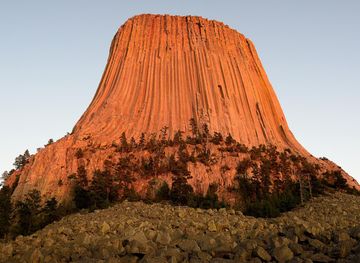
Devils Tower National Monument
Discover the breathtaking beauty and rich cultural history of Devils Tower National Monument, a must-visit natural wonder in Wyoming.

Bear Country USA
Explore Bear Country USA, a wildlife park in Rapid City, SD, where you can see bears, bison, wolves, and more in a natural habitat setting.

Black Hills National Forest
Explore the breathtaking landscapes and rich history of Black Hills National Forest, a must-visit destination for nature lovers and adventure seekers alike.

Crazy Horse Memorial
Experience the grandeur of the Crazy Horse Memorial, the world's largest mountain carving, honoring Native American culture and history in South Dakota.

Best landmarks in Black Hills
Top-rated picks
Best Landmarks

Devils Tower National Monument
Explore the breathtaking beauty and cultural heritage of Devils Tower National Monument, a unique geological wonder and sacred site in Wyoming.

Buffalo Bill Center of the West
Discover the captivating history of the American West at the Buffalo Bill Center of the West, a must-visit museum in Cody, Wyoming.

Crazy Horse Memorial
Explore the Crazy Horse Memorial in South Dakota, a monumental tribute to Native American culture and history amidst breathtaking Black Hills scenery.

1880 Train - Hill City Depot
Embark on a scenic journey through the Black Hills with the 1880 Train, a cherished heritage railroad in Hill City, South Dakota.

Best restaurants in Black Hills
Top-rated picks
Best Restaurants

Alpine Inn
Experience exquisite dining and cozy lodging at Alpine Inn in Hill City – your gateway to Black Hills' culinary delights.

Colonial House Restaurant & Bar
Experience delightful American cuisine at Colonial House Restaurant & Bar in Rapid City - perfect for breakfast lovers and dessert enthusiasts.

Full Throttle Saloon
Discover Full Throttle Saloon: A Legendary Biker Bar in South Dakota Offering Live Music, Great Food, and Unforgettable Experiences.

FireRock Steakhouse
Discover the ultimate steak dining experience at FireRock Steakhouse in Casper - where quality meets flavor in every bite.

Best bars in Black Hills
Top-rated picks
Best Bars

Saloon No. 10
Discover the historic charm of Saloon No. 10, a lively bar and steakhouse in Deadwood, South Dakota, where good food and great times await.

Buglin' Bull Restaurant and Sports Bar
Experience the essence of American dining at Buglin' Bull Restaurant and Sports Bar, where great food meets the thrill of sports in Custer, SD.

The Knuckle Saloon
Discover the vibrant energy and delicious cuisine at The Knuckle Saloon in Sturgis, South Dakota, a must-visit for every traveler.

Firehouse Brewing Company
Experience unique craft beers and delicious American cuisine at Firehouse Brewing Company in the heart of Rapid City, South Dakota.

Best nightclubs in Black Hills
Top-rated picks
Best Nightclubs

Beacon Club
Experience the vibrant nightlife at Beacon Club in Mills, Wyoming, where great drinks, lively music, and unforgettable moments await.

Happy Days Liquors / Butch's Bar
Experience the vibrant nightlife of Evansville at Happy Days Liquors / Butch's Bar, featuring karaoke, great drinks, and a welcoming atmosphere.

Cadillac Ranch Bar
Discover the lively nightlife at Cadillac Ranch Bar in Cheyenne, Wyoming, where great drinks and an energetic crowd await you.

Sundance Lounge
Experience the vibrant atmosphere of Sundance Lounge, Gillette's favorite cocktail bar with karaoke, great drinks, and delicious bites.

Best shops in Black Hills
Top-rated picks
Best Shops

Prairie Edge Trading Co & Galleries
Explore the vibrant world of Native American art and culture at Prairie Edge Trading Co & Galleries in Rapid City, a unique gift shop and art gallery.

Candyland
Discover a whimsical world of candy, ice cream, and coffee at Candyland in Rapid City, SD, where sweet dreams come true.

Mount Rushmore Gift Shop
Shop unique souvenirs and local crafts at Mount Rushmore Gift Shop, where your adventure continues with exclusive mementos.

Dave's Rock Shop
Explore the fascinating world of geology at Dave's Rock Shop in Custer, South Dakota, a treasure trove for rock lovers and curious visitors.

Explore Black Hills on the Map
A handpicked selection of must-see spots in Black Hills, mapped for you.
Black Hills Essentials
-
The Black Hills in Wyoming can be accessed primarily by road. The nearest major airport is Denver International Airport (DEN) in Colorado, about 5-6 hours away by car. From the airport, you can rent a car and drive to the Black Hills. Alternatively, Rapid City Regional Airport (RAP) in South Dakota is closer, about 1.5-2 hours away by car. From Rapid City, you can also rent a car or use shuttle services to reach the Black Hills.
-
Once in the Black Hills, renting a car is the most convenient way to explore the area, given the limited public transportation options. Roads are well-maintained, and parking is generally available near major attractions. Bicycle rentals are also an option for those looking to explore the natural scenery up close. Guided tours are available for those who prefer not to drive.
-
The official currency in the United States is the US Dollar (USD). Credit and debit cards are widely accepted in most restaurants, hotels, and shops in the Black Hills area. However, it is advisable to carry some cash, especially for smaller businesses and rural areas. ATMs are available in towns like Custer and Hill City.
-
The Black Hills are generally safe for tourists. However, it's always wise to take standard precautions such as not leaving valuables in your car and being aware of your surroundings. Certain areas can be more isolated and may have limited cellphone reception, so plan accordingly. There are no specific high-crime areas targeting tourists, but always stay vigilant.
-
In case of emergency, dial 911 for immediate assistance. Medical facilities are available in nearby towns like Rapid City. It is advisable to have travel insurance that covers medical emergencies. For minor health issues, there are pharmacies in Custer and Hill City where you can purchase over-the-counter medications.
-
Fashion: Do wear comfortable and weather-appropriate clothing, especially if you plan on hiking or engaging in outdoor activities. Religion: Do respect local customs and traditions. Some areas may have Native American cultural significance, so be respectful. Public Transport: Do use available shuttle services where possible. Don't rely solely on public transport as it is limited. Greetings: Do greet people with a friendly smile or a handshake. Eating & Drinking: Do try local cuisine and visit local diners. Don't litter; always use trash bins.
-
To experience the Black Hills like a local, visit during off-peak seasons for a more relaxed experience. Take part in local events and festivals to immerse yourself in the culture. Visit local diners and cafes for authentic food. Engage with locals who are often friendly and willing to share insights about the area. Don't miss the scenic drives, such as the Needles Highway and Iron Mountain Road, for breathtaking views.
When is the best time to visit Black Hills?
Useful Local Phrases for Black Hills
You don't need to speak the language perfectly. Even learning a few simple words can make conversations warmer—and locals usually appreciate the effort.
— Eve

Here are the phrases I use most often in Black Hills. Try a few—you'll be surprised how far they go! 😊
❤️
-
- HelloHowdy
[haʊdi] - GoodbyeSee ya later
[si jə ˈleɪtər] - YesYep
[jɛp] - NoNope
[noʊp] - Please/You're welcomeSure thing
[ʃʊr θɪŋ] - Thank youThanks a lot
[θæŋks ə lɒt] - Excuse me/SorryPardon me
[ˈpɑːrdən mi] - How are you?How ya doin'?
[haʊ jə ˈduɪn] - Fine. And you?Good. And you?
[ɡʊd. ənd ju] - Do you speak English?You speakin' English?
[ju ˈspiːkɪn ˈɪŋɡlɪʃ] - I don't understandI ain't gettin' it
[aɪ eɪnt ˈɡɛtɪn ɪt]
- HelloHowdy
-
- I'd like to see the menu, pleaseCan I see the menu?
[kæn aɪ si ðə ˈmɛnju] - I don't eat meatI don't do meat
[aɪ doʊnt du mit] - Cheers!Cheers!
[ʧɪrz] - I would like to pay, pleaseCan I get the check?
[kæn aɪ ɡɛt ðə ʧɛk]
- I'd like to see the menu, pleaseCan I see the menu?
-
- Help!Help!
[hɛlp] - Go away!Leave me alone!
[liːv mi əˈloʊn] - Call the Police!Get the cops!
[ɡɛt ðə kɑps] - Call a doctor!Get a doc!
[ɡɛt ə dɑk] - I'm lostI'm turned around
[aɪm tɜrnd əˈraʊnd] - I'm illI'm feelin' under the weather
[aɪm ˈfiːlɪn ˈʌndər ðə ˈwɛðər]
- Help!Help!
-
- I'd like to buy...I'm lookin' to buy...
[aɪm ˈlʊkɪn tə baɪ] - I'm just lookingJust browsing
[dʒʌst ˈbraʊzɪŋ] - How much is it?What’s the price?
[wɒt s ðə praɪs] - That's too expensiveThat’s a bit steep
[ðæts ə bɪt stiːp] - Can you lower the price?Can ya cut the price?
[kæn jə kʌt ðə praɪs]
- I'd like to buy...I'm lookin' to buy...
-
- What time is it?What time ya got?
[wɒt taɪm jə ɡɒt] - It's one o'clockIt's one
[ɪts wʌn] - Half past (10)Half past ten
[hæf pæst tɛn] - MorningMornin'
[ˈmɔrnɪn] - AfternoonAfternoon
[ˌæftərˈnun] - EveningEvenin'
[ˈiːvənɪn] - YesterdayYesterday
[ˈjɛstərdeɪ] - TodayToday
[təˈdeɪ] - TomorrowTomorrow
[təˈmɔroʊ] - 1One
[wʌn] - 2Two
[tu] - 3Three
[θri] - 4Four
[fɔr] - 5Five
[faɪv] - 6Six
[sɪks] - 7Seven
[ˈsɛvən] - 8Eight
[eɪt] - 9Nine
[naɪn] - 10Ten
[tɛn]
- What time is it?What time ya got?
-
- Where's a/the...?Where's the...?
[wɛrz ðə] - What's the address?What’s the address?
[wʌts ði əˈdrɛs] - Can you show me (on the map)?Can ya point it out?
[kæn jə pɔɪnt ɪt aʊt] - When's the next (bus)?When's the next bus?
[wɛn ðə nɛkst bʌs] - A ticket (to ....)A ticket to...
[ə ˈtɪkɪt tə]
- Where's a/the...?Where's the...?
History of Black Hills
-
Before European settlers arrived, the Black Hills were central to the culture and spirituality of the Lakota Sioux. Known as 'Paha Sapa' in Lakota, meaning 'Hills that are black,' the area was considered sacred ground. The Lakota Sioux believed that the Black Hills were the center of the world, a place of creation and renewal.
-
In 1874, Lieutenant Colonel George Armstrong Custer led an expedition into the Black Hills, which resulted in the discovery of gold. This discovery triggered the Black Hills Gold Rush, leading to an influx of miners and settlers. Despite the 1868 Treaty of Fort Laramie, which granted the Black Hills to the Sioux, the U.S. government failed to stop the gold rush.
-
The discovery of gold in the Black Hills led to escalating tensions between the U.S. government and the Sioux, culminating in the Great Sioux War of 1876. This series of battles and negotiations included the infamous Battle of Little Bighorn, where General Custer met his demise. The war ended with the Sioux being forced onto reservations, and the Black Hills being taken by the U.S. government.
-
One of the most iconic landmarks in the Black Hills is Mount Rushmore, featuring the carved faces of Presidents George Washington, Thomas Jefferson, Theodore Roosevelt, and Abraham Lincoln. The project was initiated by Doane Robinson and sculpted by Gutzon Borglum between 1927 and 1941. Mount Rushmore has since become a symbol of American history and heritage.
-
In response to Mount Rushmore, Lakota Chief Henry Standing Bear commissioned the Crazy Horse Memorial to honor the heritage of Native Americans. Sculptor Korczak Ziolkowski began the project in 1948, and it remains a work in progress. When completed, it will be the largest mountain carving in the world, depicting the Sioux leader Crazy Horse riding a horse and pointing into the distance.
-
Located in Lead, South Dakota, near the Wyoming border, the Homestake Gold Mine was established in 1876 and became one of the largest and deepest gold mines in North America. It played a significant role in the economy of the Black Hills region until its closure in 2002. Today, the site houses the Sanford Underground Research Facility, contributing to scientific advancements.
-
Established in 1897, the Black Hills National Forest spans over 1.2 million acres across Wyoming and South Dakota. The forest is a haven for outdoor enthusiasts, offering activities such as hiking, camping, and wildlife viewing. It also preserves the natural beauty and biodiversity of the Black Hills, helping to maintain the ecological balance of the region.
Neighbouring Regions of Black Hills
The closest regions to Black Hills, if you have time for more than one.



Your all‑in‑one travel companion app
Explore expert travel guides, compare and book tours, experiences, hotels, and more—all from the palm of your hand. Download now for seamless trip planning wherever your wanderlust takes you.


Explore More of Wyoming

Looking beyond Black Hills? Discover Wyoming for broader travel guides, local hot-spots, and regional highlights.
Explore WyomingBlack Hills in Photos
Browse through our photo collection highlighting the charm and character of the destination.


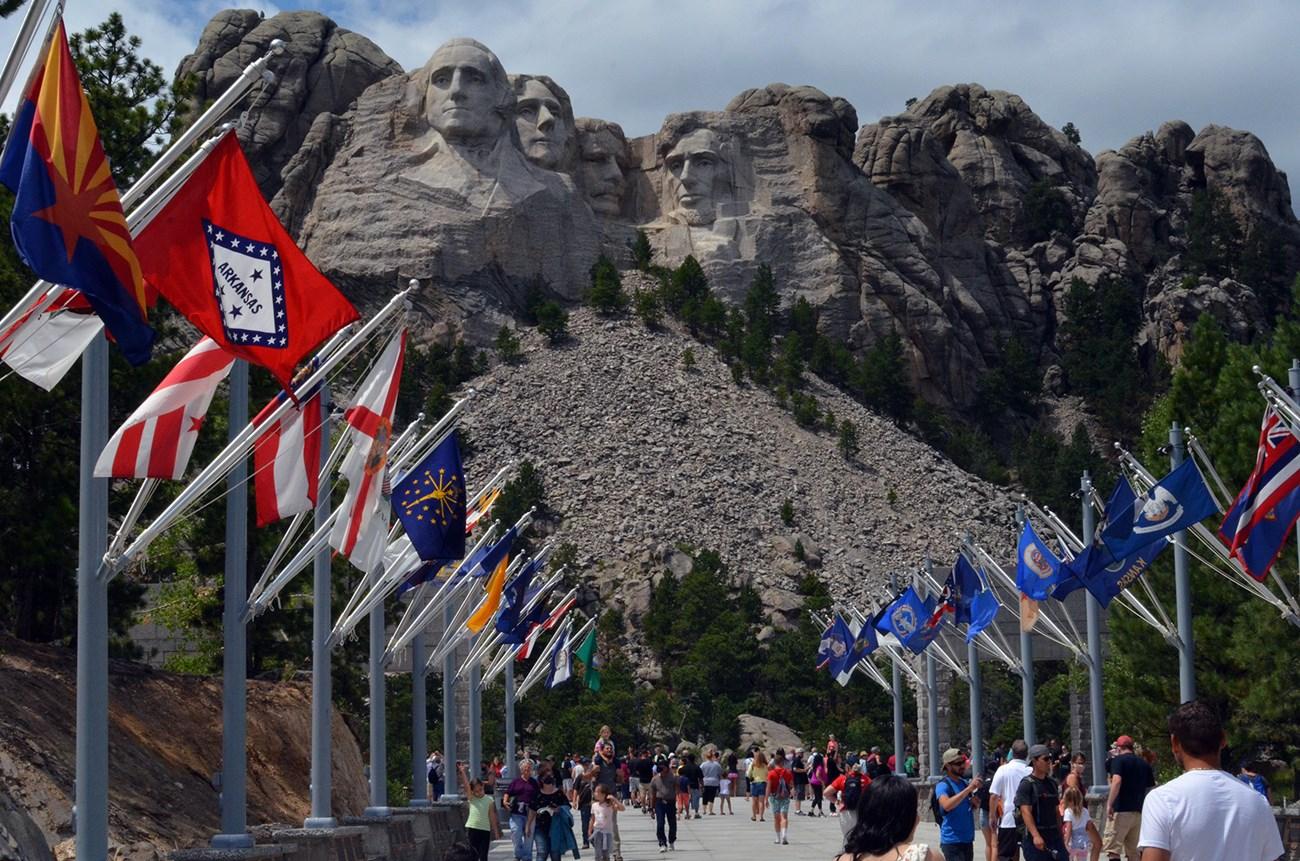


The Majestic Black Hills: A Natural Wonderland
Nestled in the northeastern part of Wyoming, the Black Hills offer an enchanting blend of natural beauty, rich history, and unique attractions. This region, known for its dark, tree-covered hills, provides visitors with a scenic retreat filled with outdoor adventures and cultural experiences. Explore the stunning landscapes of the Black Hills National Forest, where lush forests, rugged cliffs, and crystal-clear streams create a picturesque environment. Hiking and biking trails wind through the forest, offering opportunities for wildlife spotting and breathtaking views. Don't miss the chance to visit the iconic Devils Tower, a unique geological formation that rises dramatically from the plains. The Black Hills are also steeped in history and culture. Discover the heritage of the Native American tribes who have called this land home for centuries at local museums and cultural centers. Visit historic towns like Sundance, where you can step back in time and learn about the area's mining past and its role in the Wild West. Whether you're seeking adventure, relaxation, or a bit of both, the Black Hills in Wyoming are a must-visit destination. With their diverse attractions and serene beauty, they promise an unforgettable experience for every traveler.