


Aral Sea - Extended trip (3 days)
 Kipchak, UZ
 100% of travellers recommend this
Highlights
- Explore the haunting beauty of Muynak cemetery
- Immerse in rich local culture of Karakalpakstan
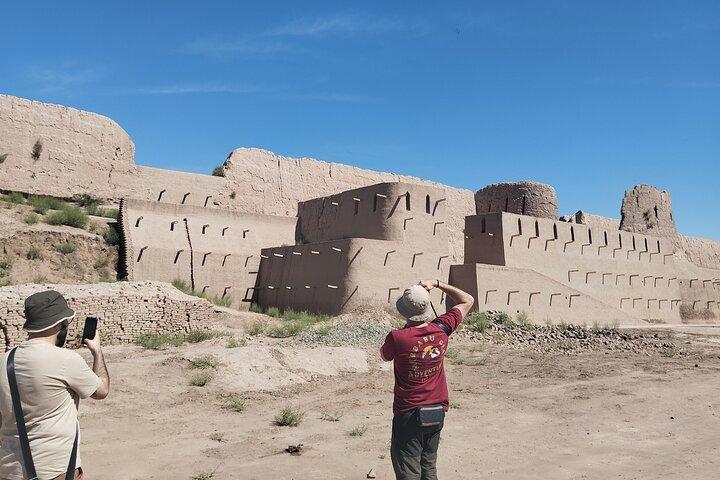
- Discover ancient fortresses with breathtaking views
- Experience the unique art at Savitsky museum
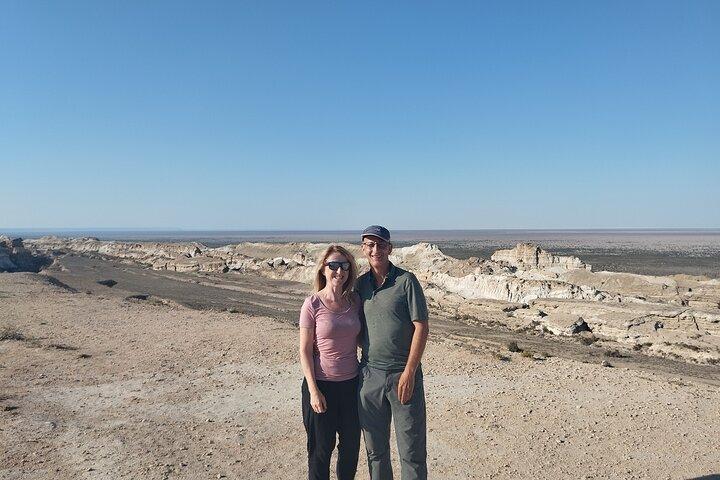
- Adventure through the stunning Ustyurt Canyons
-
Duration: 3 days
-
Private transportation
-
Hotel pickup and drop-off
-
Audio guide materials
-
Visit 19 tourist destinations
-
Experienced drivers
Embarking on a three-day odyssey to the Aral Sea, travelers will traverse over 1,200 kilometers of breathtaking landscapes and immerse themselves in the rich cultural tapestry of Karakalpakstan. With expert drivers guiding them through desert terrains, they will explore 19 captivating destinations, including the haunting Muynak ship cemetery and the ancient fortresses of Ayazkala and Toprak Kala. Each stop unveils stories of resilience, history, and ecological transformation. The journey is enhanced by the vibrant local traditions, making it not just a tour, but a profound cultural experience. From the iconic Savitsky Museum's avant-garde art collection to the serene shores of the Aral Sea, this adventure promises unforgettable encounters and breathtaking vistas that will linger in their hearts long after the trip ends.
At a Glance
-
 Free cancellation
-
 3 days
-
 Instant Confirmation
-
 Available in English
-
 Mobile voucher
-
 Private Tour
-
 Audio guide
-
 Family friendly

Featured Reviews

Embark on a 3-day adventure to the Aral Sea, exploring ancient fortresses, unique museums, and stunning landscapes in Uzbekistan's Karakalpakstan region.
Included
-
 Private transportationPrivate transportation
-
OtherHotel pick up and drop off
-
In-vehicle air conditioningAir-conditioned vehicle
-
OtherAudio guide materials
Excluded
-
 OtherAral Sea Museum (in Muynak) - entrance ticket is USD 3/person
-
OtherSavitsky museum (Nukus) entrance ticket is USD 7/person
-
OtherAral Sea yurt camp: USD 40; Ayazkala yurt camp USD 50. Total:
-
LunchLunch
-
OtherEntrance fee for fortresses (each around USD 2)
Meeting Point
We can meet the visitor at Ota Darvoza, Western gate in Ichan Qala, Khiva

99H4+CRQ, Khiva, Xorazm Region , Uzbekistan

End Point
We can meet the visitor at Ota Darvoza, Western gate in Ichan Qala, Khiva

99H4+CRQ, Khiva, Xorazm Region , Uzbekistan
Pickup
Check if pick-up is available from your location, you will select during checkout (providers may allow other pickup locations)

What to expect
Chilpik Dakhma/Kala
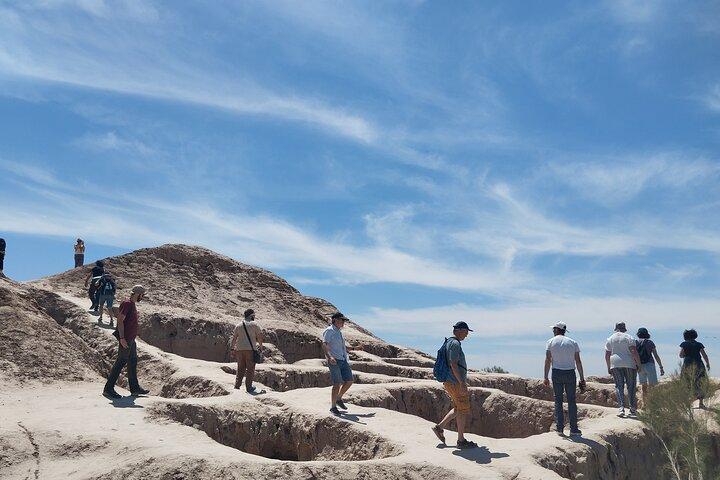
The age of this Zoroastrian ancient monument - dakhma Chilpyk (Shylpyk, Chilpak Kala) is more than 2200 years. Chilpyk is a round roofless tower, 15 meters high and 65 meters in diameter, built at the top of the rounded natural hill, 43 km away from Nukus. The Zoroastrians used it for burial of the dead. The remains of the deceased were thrown in the tower to the birds of prey. Later the bones were collected in earthenware vessels-ossuaries and dug into the ground. This way of disposal was connected with the Zoroastrian philosophy, which prohibited defiling the land with corrupted bodies.
30 minutes
 Admission Not Included
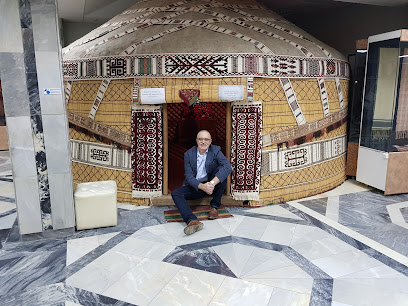
The Nukus Museum of Art, or more properly the State Museum of Arts of the Republic of Karakalpakstan named after I.V. Savitsky, is located in Nukus, Karakalpakstan. It possesses the world’s second largest collection of Russian avant-garde artworks, as well as galleries of antiquities and Karakalpak folk art. The State Museum of Arts of Karakalpakstan was founded in 1966 at the initiative of Moscow artist Igor Vitalievich Savitsky (1915-1984). The museum holds the largest art collection in Central Asia, and its approximately 100,000 items provide chronological coverage of more than four millennia.
60 minutes
Admission Not Included
Aral Sea
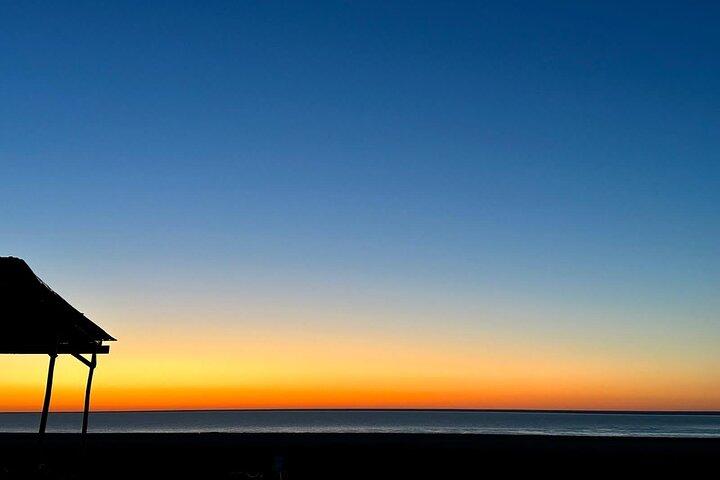
Aral Sea shore is a place to swim, to observe the local climate, environment from the hills , rocks which were previously part of the Aral Sea
60 minutes
Ships Cemetery
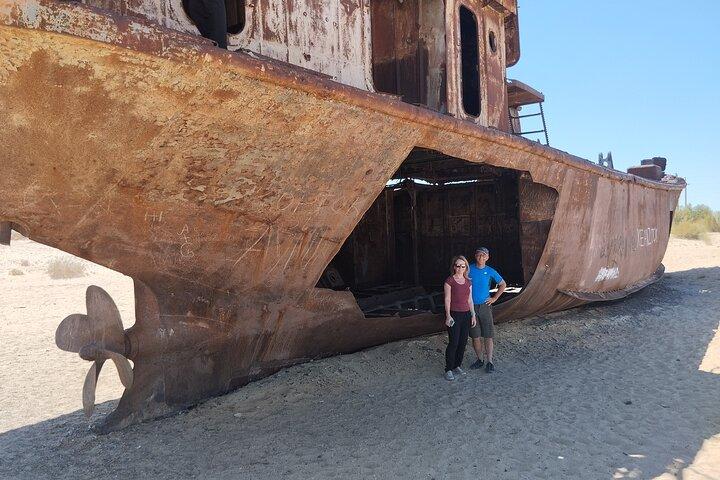
Hidden in one of the most obscure corners of the former Soviet Union lies one of its darkest secrets; the disappearance, in a single lifetime, of the Aral Sea (Orol Dengizi), once the fourth largest inland sea in the world. Moynaq (population 12,000), 210km north of Nukus, encapsulates more visibly than anywhere the absurd tragedy of the Aral Sea. Once one of the sea’s two major fishing ports, it now stands some 180km from the water. What remains of Moynaq’s fishing fleet lies rusting on the sand in the former seabed. Muynak (Moynoq, in Uzbek Latin, Mojnak in Karakalpak) was once the largest port on the Aral, a finger of coast where a significant part of the Aral catch was processed and canned.
60 minutes
The Regional History and Aral Sea Museum
The Muynak Regional Studies Museum also known as Ecological Museum of Muynak can be called one of the most unique museums in Uzbekistan. This museum, modest by metropolitan standards, with less than two hundred exhibits, tells the visitors a tragic story of the bygone era, when things were humming in this region and the Aral Sea was so large and affluent that it was called as sea.
30 minutes
Sudoche lake is a natural lake close to the Aral Sea rich with its flora and fauna. Urga village, Kibla Ustyurt village are remote areas worth to visit around
60 minutes
Mizdakhan Necropolis
Mizdakhan necropolis, ancient cemetery, located next to the remains of the Gyaur-Kala fortress, is one of the oldest and most visited pilgrimage sites of Karakalpakstan. The fortress received its name during the Arab conquest, and means “a fortress of disbelievers”, as scientists found that the inhabitants of the fortress used to be Zoroastrians before the Arab conquest. Mizdakhan arose near the city of the fire-worshipers in around II-IV centuries BC, then it turned into one of the most revered Muslim shrines of Central Asia. The name of the city of Khojali, located on the bank of the Amudarya near the capital of Karakalpakstan - Nukus, means "the land of pilgrims". Necropolis of Mizdakhan (IV century BC - XIV century AD) is a huge complex of age-diverse antiquities and includes one of the most ancient cemeteries in Central Asia.
30 minutes

At the end of the day, overnight is at Ayazkala yurt camp where you can sleep in the middle of the desert.
30 minutes
During traditional jeep tours to the Aral Sea, tourists typically visit nearly all the attractions of the Ustyurt Plateau in Uzbekistan: - Kurgancha-Kala – a 13th-century fortress, also known as Karganshikala and Davlet-girey, served as an outpost on the caravan route along the Aral Sea coast. Today, a tourist yurt camp is located nearby. - Kubla-Ustyurt – a settlement built in 1964 along the gas pipeline route. Currently, several hundred people live here, raising camels and selling genuine camel milk. - Urga – a cape with an abandoned settlement and the ruins of a lighthouse above Sudochye Lake. Once home to Russian settlers engaged in fishing, the village gradually fell into disuse and decay, though fishermen still visit today. - Barsakelmes – a salt marsh covering a thousand square kilometers. Today, salt is industrially harvested here. It is located 200 km from the city of Nukus.
60 minutes
Barsa-Kelmes
Barsakelmes – a salt marsh covering a thousand square kilometers. Today, salt is industrially harvested here. It is located 200 km from the city of Nukus. The meaning is that it is a non-returnable place, due to its remoteness
20 minutes
Ayaz-Kala is an archaeological site in Ellikqala District, Karakalpakstan, in northern Uzbekistan, built between the 4th century BCE and the 7th century CE. Situated on a hilltop overlooking the Kyzylkum Desert, the site encompasses the ruins of an ancient Khorezm fortress. At the southern end of the axis is a square gateway, which is a typical element of frontier fortresses of Khorezm. The enemies' approach lies parallel to the south east walls and invaders were vulnerable to attack from above. A massive gateway defended by two rectangular towers leads into a small rectangular chamber. This chamber was overlooked on all sides by high walls from which bowmen could shoot at the enemy in case the first gate was breached
60 minutes
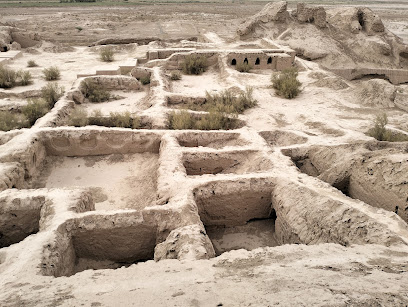
Toprak Kala is dated in the Kushan period, around the 2nd and 3rd centuries CE and was the royal residence of the kings of the Khorezm. The place, having first served as a Royal sanctuary, was briefly abandoned in the early 4th century and then after some restorations, was used as an administrative citadel for the city.
30 minutes
Admission Not Included
Guldursun Qala
Guldursun Kala is a fortified town. The exterior walls and towers date to the 12th century CE. Much ancient and medieval pottery and many bronze items and coins were found within the site during archeological excavations. The coins indicate that the last period of occupation is related to the year 1220, during the rule of Muhammad Khorezmshah and the time of the Mongol invasion of Khorezm
20 minutes
Kyzyl Kala
Guldursun Kala is a fortified town. The exterior walls and towers date to the 12th century CE. Much ancient and medieval pottery and many bronze items and coins were found within the site during archeological excavations. The coins indicate that the last period of occupation is related to the year 1220, during the rule of Muhammad Khorezmshah and the time of the Mongol invasion of Khorezm
20 minutes
Admission Not Included
Koi Krylgan Kala
Kizil Kala was originally constructed in the Late Antique period, 1st to 4th centuries CE, but was abandoned and then rebuilt in the 12th-13th centuries on the eve of the Mongol invasions. There is some debate about how this fortress may have been used in ancient times, with some scholars proposing that it was a garrison barracks for troops, whilst others suggest it was an early example of the many fortified manor houses that were typical of Khorezm in the early medieval periods
20 minutes
Angka Kala
The Angka-kala settlement (I–III centuries, X–XII centuries A.D.) is situated 22 kilometres north of Turtkul city. The Fortress is well preserved and has an almost square form in the architectural plan. Here you can still see a corridor formed by the outer and inner walls, rectangular towers, loopholes shaped for shooting that are cut through the exterior wall, and towers in a single line. It is noteworthy that almost all the bricks overlapping the loopholes are marked with tamga – a sign of a master. An ancient Khorezm inscription found on one of the bricks consists of five characters engraved in a single line. The monument belongs to the late antiquity culture of Khorezm (I–III centuries A.D.). The extant ceramics found in the Fortress date back to this period. However, the well-preserved fortified constructions were probably used during the Middle Ages (X–XII centuries).
20 minutes

Duman Kala composed of three adjacent sections – a square-shaped western enclosure with corner towers; a smaller square-shaped citadel; and an irregular four-sided northern enclosure, the remains of which can no longer been seen. The western citadel is the best-preserved section, especially along its northern side, but only small section of the eastern enclosure remains
20 minutes
The experience can be subject to change due to bad weather or unforseen circumstances. We always endeavour to give you the best possible experience.
Additional Information
-
 Disclaimer: transportation time is included in the total duration
-
Minimum age is 15 for this tour
-
Travelers should have at least a moderate level of physical fitness
What our experts say
-
 Visit the Savitsky Museum early
-
Try local cuisine in Nukus
-
Pack snacks for the long drives
-
Wear comfortable shoes for hiking
-
Stay hydrated—bring water bottles

More About this Experience
Introduction
Immerse yourself in a journey like no other with the Aral Sea - Extended Trip, a captivating three-day experience that takes you deep into the heart of Uzbekistan's stunning landscapes and rich cultural heritage. This adventure covers over 1,200 kilometers in two vehicles, a comfortable sedan and a rugged 4x4, ensuring an exhilarating ride through the dramatic desert terrains. Along the way, you'll explore 19 iconic destinations, including the hauntingly beautiful Muynak ship cemetery and the fascinating Savitsky Museum. Each stop is a gateway to history, art, and natural beauty, offering a unique glimpse into the once-thriving Aral Sea region. With professional drivers at the helm, you can relax and absorb the breathtaking views while learning about the area's cultural significance and ecological challenges. Whether you're an adventure seeker or a history aficionado, this trip promises an unforgettable experience that resonates long after it's over.What to expect?
On this extensive journey, travelers can expect a diverse array of experiences that blend adventure, culture, and history. Over the span of three days, participants will visit fascinating locations that tell the story of the Aral Sea's transformation, including the eerie Muynak ship cemetery where rusting vessels stand as ghosts of a bygone era. The itinerary includes stops at ancient fortresses, the striking Ustyurt Canyons, and the picturesque shores of the Aral Sea itself. Each site is accompanied by an insightful audio guide, providing context and enriching your understanding of the region's cultural and historical significance. Alongside the mesmerizing landscapes, you'll have the chance to indulge in local traditions and enjoy the warm hospitality of the Karakalpak people. Expect to come away with not just memories, but a deeper appreciation of the complex narratives that shape this unique area of Uzbekistan.Who is this for?
The Aral Sea - Extended Trip is designed for a wide range of travelers seeking adventure and cultural immersion. Whether you're a seasoned backpacker, a family looking for an educational experience, or simply someone with a passion for history and nature, this tour caters to diverse interests. Ideal for those aged 15 and above, the tour welcomes individuals, couples, and small groups who are eager to explore off-the-beaten-path destinations. Travelers with a moderate level of physical fitness will find the journey accessible, while everyone can enjoy the rich storytelling and stunning vistas. This experience is perfect for anyone who wishes to engage with the heritage of Uzbekistan, witness the ecological consequences of climate change firsthand, and connect with the vibrant culture of the Karakalpakstan region.Why book this?
Booking the Aral Sea - Extended Trip guarantees an adventure that transcends the ordinary. It’s more than just a sightseeing tour; it’s a profound journey into a world where history, art, and nature collide in spectacular fashion. The unique selling points of this experience lie in its comprehensive itinerary, which showcases an impressive array of destinations, from ancient fortresses to stunning natural landscapes. The knowledgeable audio guides enhance your exploration, providing insights that allow for a deeper appreciation of each location. Additionally, the opportunity to travel in private vehicles means a personalized experience tailored to your interests. With the chance to meet local communities and witness their traditions, you will leave with unforgettable memories, new friendships, and a broader perspective on the environmental issues facing the Aral Sea. This trip offers a rare glimpse into a remarkable part of the world that is often overlooked, making it a must-book for any adventurous traveler.Good to know
Before embarking on your adventure to the Aral Sea, there are a few essential details to keep in mind. The tour includes private transportation with air conditioning for a comfortable ride, along with hotel pick-up and drop-off services for added convenience. However, certain entrance fees and optional accommodations, such as yurt camps, are not included in the base price, so it’s wise to plan your budget accordingly. Participants should also be aware that the transportation time is factored into the overall trip duration. As the journey involves traversing desert landscapes, a moderate level of physical fitness is recommended. It's also important to dress appropriately for the climate and bring essentials like water and sunscreen. With these tips in mind, travelers can fully enjoy the breathtaking views and enriching experiences that await them throughout this unforgettable journey.Reviews
Feedback from travelers who have experienced the Aral Sea - Extended Trip has been overwhelmingly positive. Many have praised the well-curated itinerary that seamlessly blends adventure with cultural exploration, highlighting the haunting beauty of the Muynak ship cemetery and the artistic treasures at the Savitsky Museum. Participants have noted the professionalism and expertise of the drivers, who navigated the challenging terrain with ease, allowing everyone to relax and enjoy the stunning landscapes. Travelers frequently mention the warmth and hospitality of the local communities, enriching their experience further. The immersive nature of the trip, combined with the opportunity to learn about the ecological challenges faced by the region, has left many feeling inspired and more aware of the world around them. Overall, the Aral Sea - Extended Trip is celebrated not just as a tour, but as a transformative journey that resonates deeply with those who embark on it.
Your all‑in‑one travel companion app
Explore expert travel guides, compare and book tours, experiences, hotels, and more—all from the palm of your hand. Download now for seamless trip planning wherever your wanderlust takes you.


This is a popular product and the date you are looking for just sold out. Next available date is
