


Everest Base Camp Trek (15 Days)
 Kathmandu, NP
 100% of travellers recommend this
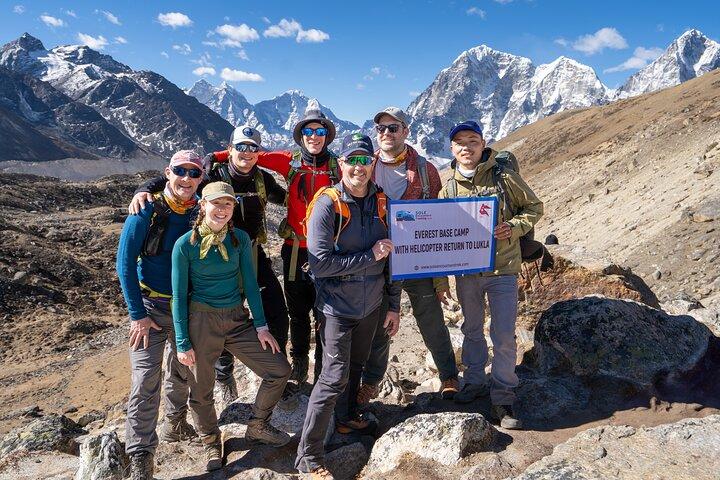
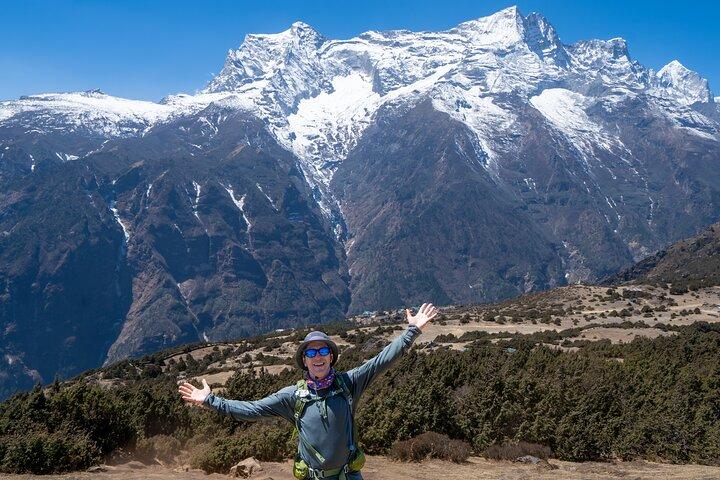
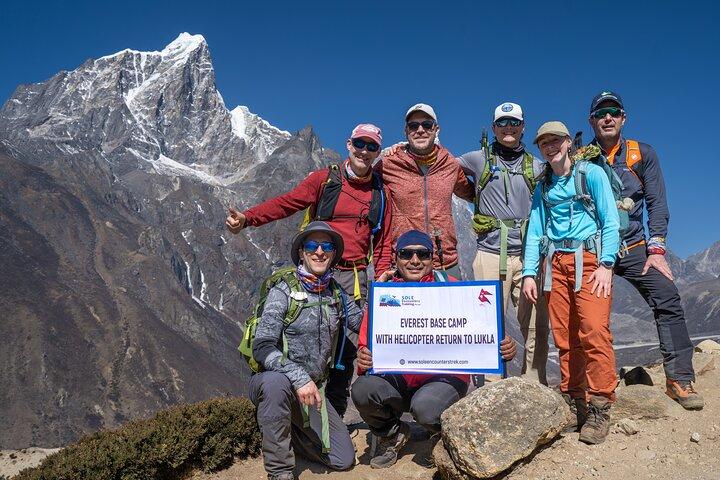
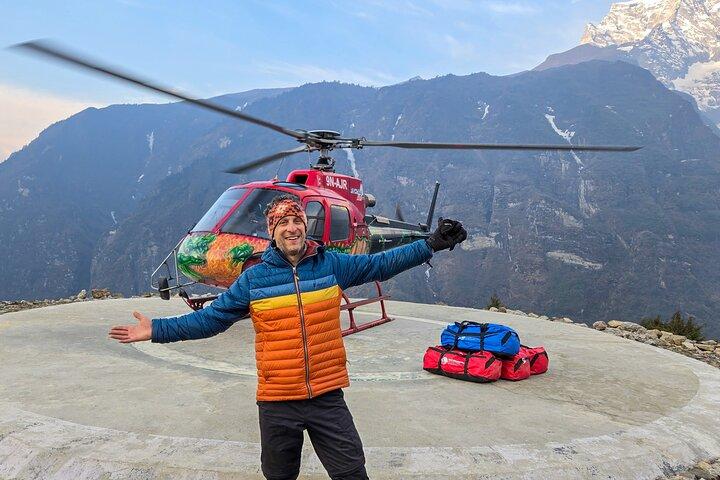
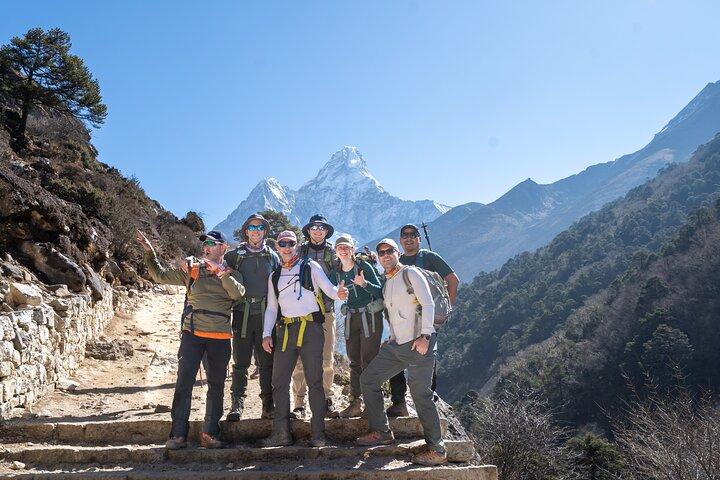
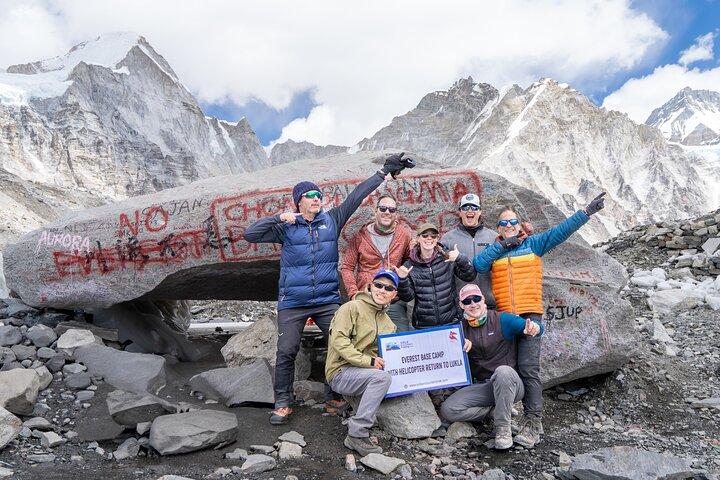
Highlights
- Breathtaking views of Mount Everest await you
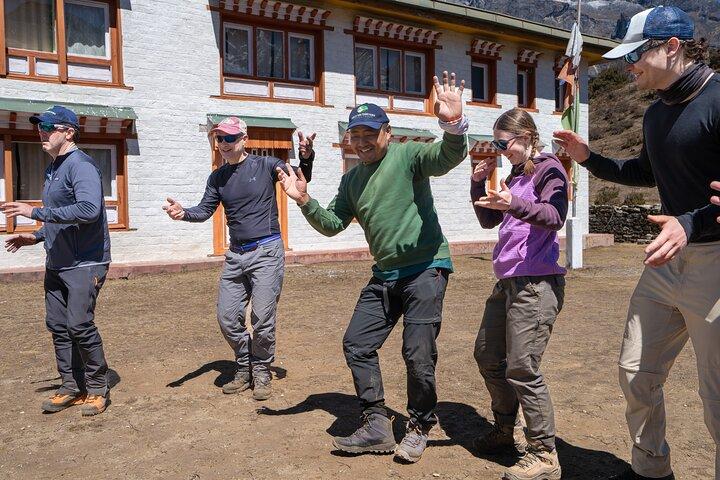
- Immerse in rich Sherpa culture and traditions
- Experience thrilling flights over the Himalayas
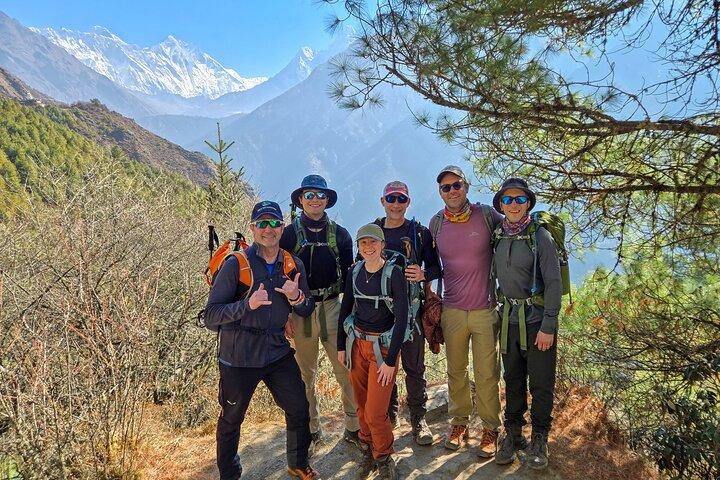
- Trek through stunning rhododendron forests together
- Celebrate your achievement with a farewell dinner
-
Duration 15 days
-
Private Tour
-
Professional Trek Guide
-
Includes round-trip flights to Lukla
-
Accommodation in teahouses
-
Insurance for trekking crew
Embarking on the Everest Base Camp Trek is an exhilarating journey through the heart of the Himalayas, where breathtaking landscapes and rich Sherpa culture come together. Over 15 days, travelers will traverse verdant rhododendron forests, cross iconic suspension bridges, and behold majestic peaks, including the towering Everest. Guided by experienced Sherpa leaders and supported by dedicated porters, participants enjoy personalized attention and a deep dive into local traditions. With a focus on safety and responsible tourism, this trek ensures a smooth adventure, from essential altitude briefings to accommodations in cozy teahouses. The experience culminates in the emotional milestone of standing at Everest Base Camp, surrounded by colorful prayer flags and the majestic Khumbu Glacier. Each step of this journey is not just a trek; it's a meaningful exploration that transforms the spirit and ignites a passion for the mountains.
At a Glance
-
 Free cancellation
-
 15 days
-
 Instant Confirmation
-
 Available in Spanish; Castilian, German, English, Italian, French
-
 Mobile voucher
-
 Private Tour
-
 Guided
-
 Family friendly

Featured Reviews

Embark on an unforgettable 15-day trek to Everest Base Camp, blending adventure, culture, and stunning Himalayan views with expert local guides.
Included
-
 OtherInsurance coverage for all trekkinag crew, including guides, assistant guides, and porters.
 -
Government feesGovernment Fees
-
OtherRound-trip flights to Lukla from Kathmandu or Manthali, based on season and airport regulations.
-
OtherAccomodation in standard teahouses during the trek
-
Dinner
-
Other1 assistant guide per 5 trekkers for added safety, support, and personalized attention.
-
Breakfast
-
OtherAccomodation in Manthali, in a Glamping:thatched-roof shelter with twin beds, fan, and charging port
-
Private transportationPrivate transport for airport arrival/departure and round-trip drive between Kathmandu and Manthali for Lukla flights, with a comfortable vehicle and professional driver.
-
Entrance feesSagarmatha National Park Entrace Fees, Khumbu Rural Municipality Permit and Tims Card
-
OtherPorters to carry your overnight bag, provided at a 2 trekkers to 1 porter ratio
-
OtherAccomodation in Kathmandu, in a 3-star hotel with breakfast in Thamel
-
OtherProfessional, government-licensed, first-aid trained Trek guide
Excluded
-
 OtherInternational airfare – Flights to/from Nepal are not included.
 -
OtherNepal visa fee – Payable on arrival at the airport or online in advance
-
OtherTravel insurance not included; must cover emergency evacuation and trek’s highest altitude reached
-
OtherExtra nights in Kathmandu or Manthali – Due to early return, delays, or schedule changes.
-
OtherPersonal trekking gear
-
OtherTips for guide, porter, and support staff not mandatory but expected as a gesture of appreciation
-
OtherHot showers, battery charging & Wi-Fi – Available for an extra fee at most teahouses.
-
OtherUnforeseen expenses due to delays, weather, or emergencies like rescue or extra nights not included.
-
MealsMeals during the trek are not included. In Kathmandu, only hotel breakfasts, a welcome dinner, and a farewell dinner are provided; other lunches and dinners in the city are at your own expense.
-
OtherDrinking water not included; we recommend bringing a filter bottle or purification tablets.
Meeting Point
We will meet in the Thamel area of Kathmandu. You can suggest a preferred location in Thamel or contact us in advance, and we’ll confirm the exact meeting point for pickup or briefing based on your convenience.

Kathmandu 44600 , Nepal

End Point
We will meet in the Thamel area of Kathmandu. You can suggest a preferred location in Thamel or contact us in advance, and we’ll confirm the exact meeting point for pickup or briefing based on your convenience.

Kathmandu 44600 , Nepal
Pickup
Check if pick-up is available from your location, you will select during checkout (providers may allow other pickup locations)

What to expect
Kathmandu
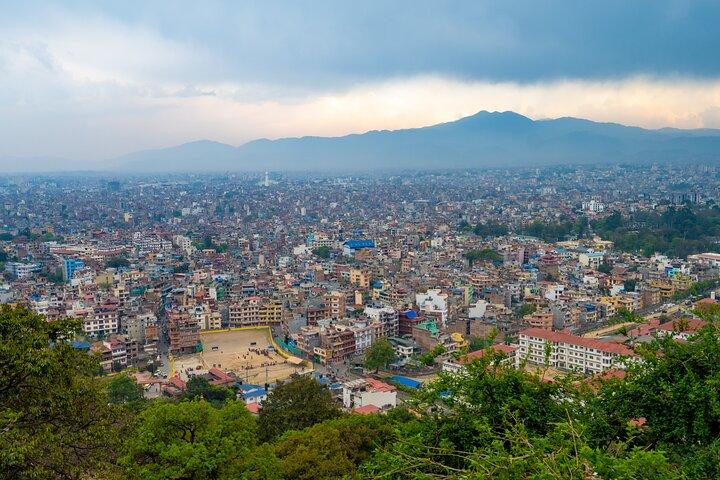
Upon landing at Tribhuvan International Airport (TIA), our office representatives will greet you with a warm “Namaste” and transfer you to your hotel in Kathmandu. After check-in, the rest of the day is yours to roam the lively streets, taste local cuisine, or visit nearby highlights—Kathmandu Durbar Square, Swayambhunath (Monkey Temple), Pashupatinath, and the majestic Boudhanath Stupa—framed by the valley’s verdant hills and distant Himalayan peaks. Sightseeing is not included in the package, but you are welcome to explore independently or let us arrange a guided city tour for you at a reasonable price. A short pre-departure meeting will be held in the hotel lobby this evening to review trek logistics and answer any questions. Overnight in Kathmandu.
720 minutes
Manthali
We begin our journey with an early morning drive from Kathmandu to Manthali (132 km, approx. 5–6 hours). The scenic route follows the Araniko and BP highways, offering stunning views of terraced hillsides, the Himalayan foothills, and rivers such as the Sunkoshi and Tamakoshi. You'll pass through charming villages and bustling roadside markets, where locals go about their daily routines. En route, we may stop for tea or a light breakfast while enjoying the changing landscapes—from forested ridges to fertile valleys. This drive also gives a glimpse into rural Nepal’s lifestyle and natural beauty. By late morning or early afternoon, we reach Manthali, a peaceful riverside town surrounded by low hills. Here, you can relax and settle into your accommodation while we confirm details for the next day’s flight to Lukla. The experience combines scenic beauty, cultural insights, and a seamless transition from city to countryside.
720 minutes
Flights to Lukla
Often ranked among the world’s most thrilling flights, the journey to Lukla is a breathtaking 25–30 minute adventure through the heart of the Himalayas. Departing from either Kathmandu or Manthali, the flight offers panoramic views of snow-capped peaks, lush valleys, and rugged terrain. On clear mornings, you may catch glimpses of Everest, Lhotse, and Ama Dablam from your window seat. The highlight of the experience is landing at Tenzing-Hillary Airport in Lukla (2,860 m)—a dramatic airstrip perched on a mountainside with a short, uphill runway surrounded by cliffs. This scenic flight not only delivers stunning aerial views but also serves as the gateway to your Everest region trek. Please note: flights are highly weather-dependent and occasional delays or rescheduling are common, so flexibility is key. Despite its brevity, the flight offers one of the most memorable moments of your Himalayan journey.
25 minutes
 Admission Included
Lukla
Lukla (2,860 m) is the gateway to the Everest region and one of Nepal’s most iconic mountain towns. Upon arrival at the dramatic Tenzing-Hillary Airport, travelers are greeted by fresh mountain air, towering peaks, and the buzz of trekkers and porters preparing for their journey. The town offers stunning views of the surrounding Himalayas and marks the starting point of the classic Everest Base Camp Trek. Visitors can enjoy breakfast in a teahouse, watch daily life unfold in the village, and witness the vibrant Sherpa culture that defines this region. Colorful prayer flags, mani walls, and monasteries set a spiritual tone, while the nearby hills and river trails offer short acclimatization walks. Lukla also serves as a staging area for organizing porters, gear, and last-minute preparations. It’s a place of excitement and anticipation, where your true Himalayan adventure officially begins.
60 minutes
Phakding
Phakding (2,610 m) is a peaceful village nestled along the banks of the Dudh Koshi River and is the first overnight stop for most Everest Base Camp trekkers. The trek from Lukla to Phakding takes about 4 hours and is a gentle descent through lush pine forests, passing traditional Sherpa villages, mani walls, and suspension bridges adorned with prayer flags. Along the way, trekkers experience their first taste of Khumbu culture, with views of chortens, prayer wheels, and stone-carved Buddhist inscriptions. Phakding itself is a charming riverside settlement with cozy teahouses, stunning views, and the soothing sound of glacial waters. It offers a comfortable place to rest and begin acclimatizing to the altitude. Visitors can explore nearby monasteries, take a short walk to the Rimijung Gompa, or simply relax by the river. It’s a perfect introduction to the natural beauty and cultural richness of the Everest region.
720 minutes
Benkar
Shortly after leaving Phakding, the trail winds through Toktok and leads to Benkar, a picturesque village framed by lush pine forest and waterfalls. Here, trekkers are welcomed by vibrant mani walls, fluttering prayer flags, and boulders etched with Buddhist mantras. It’s the first place on the trail where views of Thamserku (6,608 m) become prominent, its icy summit towering above the treetops. The tranquil sound of the river and the presence of small teahouses make it a peaceful spot for a tea break or photo stop. This stretch offers a gentle gradient and introduces trekkers to the quiet spiritual beauty of the Khumbu, with every corner of the trail revealing sacred stones, fluttering flags, and a growing sense of elevation. It’s a perfect warm-up for the challenging climbs ahead.
Monjo
Monjo marks the last village before entering Sagarmatha National Park and is a popular place for a short rest. The village sits at the foot of a dramatic hill and offers several cozy teahouses and a lively, colorful atmosphere, often filled with the chatter of trekkers, porters, and locals. Surrounded by pine-covered ridges and the sound of the Dudh Koshi below, Monjo features more prayer wheels, stone walls, and welcoming lodges where trekkers often pause for tea or snacks. It's also the last chance to make final adjustments before entering the protected national park zone. The energy here shifts from gentle trekking to anticipation as the ascent toward Namche begins shortly after. It’s a good place to catch your breath before the park checkpoint and the increasingly steep terrain ahead.
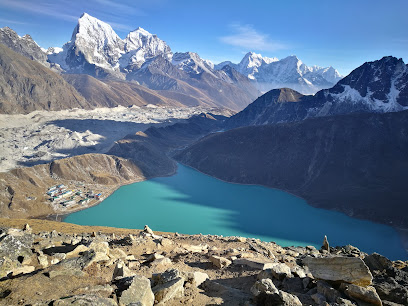
Just beyond Monjo, we officially enter Sagarmatha National Park, a UNESCO World Heritage Site established in 1976. This protected area spans over 1,100 square kilometers and is home to dramatic Himalayan peaks, deep gorges, and forests of pine, fir, and rhododendron. At the entrance gate, trekkers present their TIMS and national park permits, while a small visitor center offers informative displays about the park’s ecology, glaciers, and wildlife, including snow leopards, red pandas, and Himalayan monals. The trail beyond is part of a sacred landscape where mountain ecosystems and Sherpa culture coexist. As we ascend, you'll notice fewer villages and a deeper sense of wilderness. This checkpoint marks a transition—not just legally, but spiritually and geographically—into the true highlands of Everest. With support from our guide, we pause here to learn, take in panoramic views, and appreciate the immense beauty and conservation efforts that protect this Himalayan sanctuary.
Jorsalle
After passing the park gate, the trail descends gently to Jorsalle, a small riverside village nestled between steep forested slopes. Jorsalle is the last settlement before Namche Bazaar and serves as a popular lunch stop. Its teahouses and outdoor dining areas offer trekkers a chance to relax beside the roaring Dudh Koshi River. The village sits at the confluence of the Dudh Koshi and Bhote Koshi rivers, surrounded by dense pine forest and towering cliffs. Beyond Jorsalle, the trail becomes noticeably steeper, so this is the best place to refuel before the final push to Namche. With scenic bridges, roaring rapids, and fluttering flags all around, Jorsalle captures the raw energy of the Khumbu just before the day’s toughest climb.
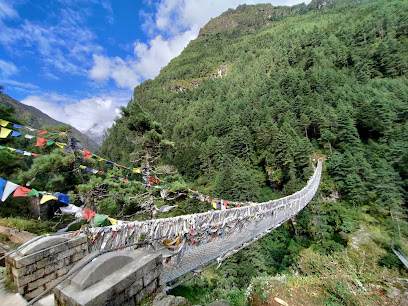
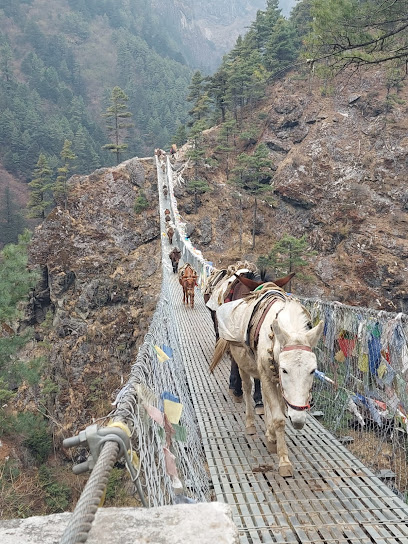
Rising high above the Dudh Koshi, the Hillary Suspension Bridge is one of the most iconic and photographed crossings on the Everest Base Camp trail. This steel suspension bridge is draped with thousands of prayer flags and connects two sheer cliffs over a deep river gorge. Crossing it marks the beginning of the most physically demanding part of the day—a relentless 600 m ascent through dense pine forest leading to Namche Bazaar. The height, swaying motion, and sheer drop below offer a thrilling experience, often accompanied by a traffic jam of yaks, porters, and fellow trekkers. For many, the bridge symbolizes adventure, elevation, and the true beginning of the high Himalayan trail. Our guide ensures your safe crossing and captures memorable photos along the way.
Namche Bazaar
Namche Bazaar is the vibrant center of the Khumbu region, nestled in a natural amphitheater at 3,440 meters. The 10 km trek from Phakding takes 6–7 hours, with about 850 m of ascent and 100 m of descent. After crossing the Hillary Suspension Bridge, the trail climbs steeply through pine forests with occasional views of Everest and Lhotse. On arrival, Namche welcomes you with its colorful houses, stone-paved paths, and a lively atmosphere filled with Sherpa culture and trade. It’s the largest town in the region, offering a wide range of amenities including shops, lodges, gear stores, and excellent lunch spots. Popular eateries like Namche Bakery, Café de 8848, and Sherpa Barista serve hearty meals, fresh coffee, and baked goods—perfect after a long climb. The town also features the Sherpa Culture Museum, a small monastery, and breathtaking views of the surrounding peaks. Namche blends tradition and comfort, making it a key stop on the Everest trail.
720 minutes
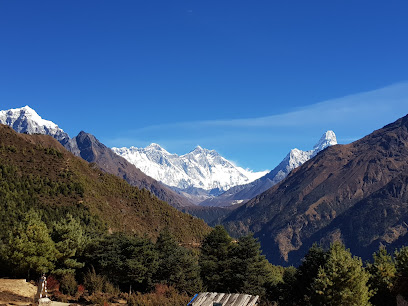
Just 20–30 minutes uphill from Namche’s upper lodges, this wide-open viewpoint offers trekkers their first clear glimpse of Mount Everest, along with stunning views of Lhotse, Ama Dablam, Thamserku, and Kongde Ri. A bronze statue of Tenzing Norgay stands proudly against the backdrop of the world’s highest peaks—one of the most photographed moments of the trek. Next to it, the Sagarmatha National Park Museum showcases Sherpa culture, mountain geology, flora, fauna, and climbing history. This viewpoint is a must-visit for nearly all trekkers during the acclimatization hike from Namche. It's a place to pause, reflect, and absorb the grandeur of the Khumbu landscape. The setting is peaceful, with pine forests, fluttering prayer flags, and crisp mountain air adding to the magic of this early milestone on the journey to Everest Base Camp.
15 minutes
 Admission Not Included
Syangboche Airport
About 30–40 minutes uphill from the museum, Syangboche Airstrip is one of the highest runways in the world, originally built for supply flights. Though commercial flights are rare today, it remains an iconic and scenic landmark. Trekkers often pause here to catch their breath and admire the wide open views of Namche below and the snowcapped giants above. The broad, grassy strip cuts through alpine terrain and occasionally hosts helicopters or charter landings. Most acclimatization hikes include this stop, though it may be skipped if weather or fitness is a concern. Wildlife like musk deer and Himalayan monals are sometimes spotted nearby. This spot also offers a psychological boost—the terrain begins to open up, the air feels thinner, and trekkers gain confidence as they climb toward the high Himalayas. It's a natural rest point before continuing to the Everest View Hotel.
Everest View Point
The Everest View Point is the highest and most spectacular stop on the Namche acclimatization hike, offering a sweeping panorama of Mount Everest, Lhotse, Ama Dablam, Nuptse, Thamserku, and Kongde Ri. The trail climbs gradually through alpine forest and hillside meadows, with benches and scenic pauses along the way. Reaching the ridge takes about 1.5 to 2 hours, gaining roughly 440 meters in elevation from Namche Bazaar (3,440 m)—an ideal gain for acclimatization. At the top sits the iconic Everest View Hotel, a Guinness-recognized 5-star hotel known for its panoramic terrace and warm drinks with a view. After soaking in the landscape and enjoying tea or coffee, we return the same way, descending the same 440 meters over about 1 to 1.5 hours. In total, the round-trip hike covers approximately. 4–5 km with a moderate ascent and descent, offering the perfect balance of challenge, altitude gain, and unforgettable scenery.
30 minutes
Admission Not Included
Kyangjuma
Kyangjuma is a stunning ridge-top viewpoint located shortly after leaving Namche. The trail climbs gradually to this open stretch, where trekkers are rewarded with expansive views of Everest, Lhotse, Ama Dablam, Thamserku, and Kongde Ri. It’s one of the most picturesque spots before gaining serious elevation. Lined with colorful prayer flags, mani stones, and scattered rhododendron bushes, the area feels both serene and sacred. On clear mornings, this is one of the best locations for photography, as the mountains appear crisp and close. A few tea houses nearby offer hot drinks and snacks, making this a natural place to rest and absorb the beauty. The trail from here begins a long descent, so trekkers often linger to enjoy the landscape. Kyangjuma marks the end of Namche’s upper ridgeline and the beginning of deeper entry into the high Himalayas.
Tashinga
The trail from Kyangjuma winds down to the peaceful settlements of Sanasa and Tashinga, known for their gentle slopes and traditional Sherpa homes. Here, trekkers walk through pine and juniper forests with wide-open views across the Dudh Koshi valley. Colorful mani walls, prayer flags, and grazing yaks dot the trail. This area offers a quieter and less-traveled feel, with occasional rest spots where trekkers can pause and soak in the tranquility. The descent is steady and moderate, making it a pleasant change before the steeper sections ahead. Wildlife such as Himalayan monals and musk deer are sometimes spotted here. The forested atmosphere, combined with traditional homes and wide trail bends, makes Sanasa and Tashinga a scenic and culturally rich section of the route toward Tengboche.
Phunki Thanga
Phunki Tenga is a forested riverside stop nestled along the Dudh Koshi River and serves as the lowest point before the steep ascent to Tengboche. It’s a favored lunch spot for trekkers, offering a handful of teahouses with outdoor seating and meals. The sound of the river, the shade of pine trees, and the spinning water-powered prayer wheels create a calm and spiritual environment. Trekkers often see monks and porters passing through this crossroads. As you cross the sturdy metal bridge into Phunki Tenga, you’ll feel the temperature drop slightly and the trail momentarily levels out, allowing a restful break before the next climb. This is also where oxygen levels begin to feel thinner, making it a key point for refueling and hydration. From here, the trail climbs about 600 meters to reach the ridge-top village of Tengboche.
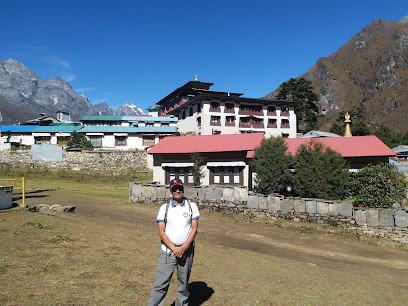
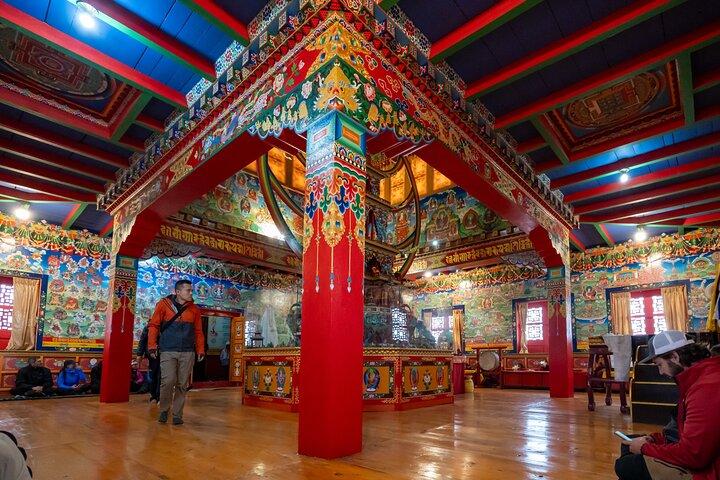
Tengboche Monastery is the largest and most significant gompa in the Everest region, perched dramatically on a wide ridge with views of Everest, Lhotse, Nuptse, and Ama Dablam. Founded in 1916, the monastery is a spiritual center for the Sherpa people and hosts daily chanting ceremonies (pujas) that trekkers may respectfully observe. The trail leading to the monastery is steep but rewarding, winding through rhododendron and pine forests. Upon arrival, visitors are greeted by colorful murals, rows of spinning prayer wheels, and a tranquil courtyard framed by mountains. Inside, the main prayer hall features statues, butter lamps, and elaborate thangka paintings. The surrounding area is peaceful, with simple teahouses and the hum of prayer in the air. Visiting Tengboche Monastery is not just a cultural experience—it’s a moment of reflection in the heart of the Himalayas.
15 minutes
Admission Not Included
The trek to Tengboche (3,867 m) is one of the most scenic segments of the Everest Base Camp trail. Starting from Namche Bazaar, the day covers approximately 9.5 kilometers and takes 5 to 6 hours of steady trekking. The trail begins with a mostly flat walk through pine forests, offering panoramic views of Everest, Lhotse, and Ama Dablam. Trekkers typically stop for a tea break at Kyangjuma or Sanasa, enjoying the peaceful scenery. The route then descends about 300 meters to the Dudh Koshi River at Phunki Tenga, a common lunch stop. After crossing the river, a challenging ascent of approximately 600 meters begins, winding through lush rhododendron and pine forests. Along the way, it’s possible to spot Himalayan thars, musk deer, or colorful pheasants. Upon reaching Tengboche, trekkers are rewarded with dramatic mountain views, the sacred Tengboche Monastery, and a warm bakery offering fresh pastries and hot drinks—a comforting end to a memorable trekking day.
720 minutes
Deboche
Just below Tengboche, the trail gently descends through lush rhododendron and pine forests to the quiet settlement of Deboche. This peaceful village is home to a small Sherpa Buddhist nunnery, often overlooked but spiritually important in the region. Prayer flags line the trail, and the tranquil sound of the Imja Khola river echoes nearby. The path offers occasional glimpses of Ama Dablam through forest clearings, creating a serene backdrop for a relaxed walk. Though there are only a few teahouses, some trekkers stop here briefly for tea before continuing. Deboche marks the transition from alpine forest to a rockier, more exposed highland trail. Its traditional stone homes and surrounding greenery give trekkers a final taste of forested Khumbu before entering the windswept valley terrain ahead. While Deboche itself is quiet, it’s a meaningful and reflective stop en route to higher elevations.
Pangboche
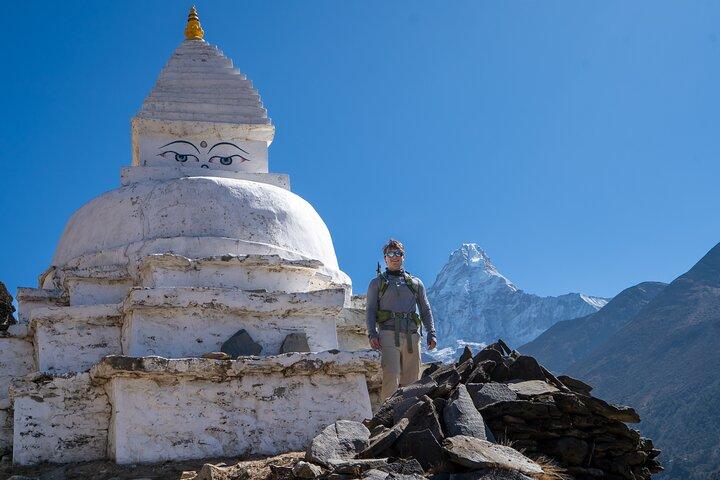
Pangboche is the highest permanent Sherpa settlement in the Khumbu, rich in history and spiritual culture. The village is home to the ancient Pangboche Monastery, believed to be the oldest in the region, and often visited by trekkers who stop here for a tea break. It holds legendary relics, including a supposed piece of a yeti scalp, which continues to spark curiosity. The trail into Pangboche offers open views of Ama Dablam, which towers directly overhead, making the village one of the most photogenic locations on the trail. Pangboche is also a base for climbers heading toward Ama Dablam and serves as a cultural bridge between lower villages and higher-altitude communities. The air grows noticeably thinner, and trekkers begin to feel the effects of elevation. With its prayer wheels, traditional homes, and spiritual atmosphere, Pangboche is both a visual and cultural highlight of the day’s journey.
SOMARE
Somare is a seasonal hamlet nestled in the Imja Valley and often used as a lunch stop during the trek to Dingboche. As the trail leaves Pangboche, the landscape becomes noticeably drier and more exposed. Trees give way to scrub and rock, and the wind often picks up, reminding trekkers that they are entering the true high-altitude zone. Somare consists of a few basic lodges and tea houses, offering warm meals and drinks in a peaceful setting. The area provides broad views of the surrounding mountains, including Lhotse and Island Peak in the far distance. Nearby lies Orsho, another small rest area that blends seamlessly with Somare in the trail experience. While less culturally rich than Pangboche, Somare marks a physical and visual shift in the landscape—wider valleys, bigger peaks, and a more rugged trail feel. It’s a key point for rest and nourishment before the final stretch to Dingboche.
Dingboche
Dingboche is a peaceful high-altitude village nestled in a wide alpine valley beneath the towering peaks of Ama Dablam, Lhotse, and Island Peak. The trail from Tengboche covers approximately 8.5 kilometers over 5 to 6 hours, with a cumulative ascent of 620 meters, descent of 170 meters, and around 1.5 kilometers of flat walking. Surrounded by stone-walled fields that protect barley and potatoes from wind and yaks, the village offers a striking contrast to the narrower settlements below. Dingboche’s flat layout and spacious lodges make it ideal for acclimatization, and it’s a common two-night stop on most Everest itineraries. Teahouses are well-equipped, and Cafe 4410 and small bakeries serve fresh pastries, hot drinks, and Wi-Fi. On clear days, trekkers can enjoy stunning views from nearby ridges and observe climbers preparing for ascents of Island Peak and other nearby summits. The atmosphere is calm, remote, and perfect for recovery before heading higher.
720 minutes
Nangkartshang Peak
The round-trip hike to Nangkartsang View Point begins just above Dingboche and is a key acclimatization walk on the Everest trail. The trail covers approximately 4.5 km round trip with a total ascent and descent of 620 meters, climbing steeply up a dry, exposed ridge with no flat sections. As you ascend, the landscape widens to reveal dramatic views over the Imja Valley and surrounding peaks. The summit offers a stunning 360° panorama of Ama Dablam, Lhotse, Island Peak, Taboche, Makalu, and even Cho Oyu on a clear day. Marked by prayer flags and stone cairns, the viewpoint is often breezy and cold, so warm layers are essential. Trekkers typically take a break at the top to enjoy snacks, hydrate, and take photos before returning the same way. Though physically demanding, this hike is highly effective for acclimatization and offers some of the most impressive early mountain views of the entire Everest Base Camp journey.
Dughla
After a gradual ascent from Dingboche along open yak pastures and glacial ridges, the trail reaches Thukla (Dughla)—a common lunch stop at the foot of a steep slope. Several teahouses here serve warm meals and hot drinks, and trekkers often rest before the toughest part of the day. Just above lies the Thukla Memorial Pass, where the path climbs around 200 meters in a short, demanding stretch. At the top, a windswept plateau hosts dozens of memorials to climbers who lost their lives on Everest. Stone stupas and engraved plaques honor legends like Scott Fischer and Babu Chiri Sherpa, set against a stark, powerful backdrop of rock, ice, and silence. This area is emotionally stirring, offering a place of reflection surrounded by the high Himalayas. The views stretch across the Khumbu Glacier and down the valley, and it’s a natural pause point for breath, thought, and memory before continuing on to Lobuche.
Lobuche
Lobuche is a rugged, windswept high-altitude settlement nestled alongside the Khumbu Glacier, marking the final major stop before Everest Base Camp. The trek from Dingboche spans approximately 7.5 kilometers and takes 4 to 5 hours, with a total ascent of around 560 meters, descent of 120 meters, and roughly 1 kilometer of flat terrain. After crossing the Thukla Memorial Pass, the trail eases onto a rocky moraine trail that runs parallel to the glacier. Views of Lobuche East, the icy glacier wall, and Nuptse’s jagged ridgeline dominate the horizon. The village itself consists of a few teahouses and lodges offering simple meals, warm drinks, and shared rooms. Oxygen levels drop noticeably here, and trekkers often feel the effects of altitude. Despite its basic nature, Lobuche carries a hum of excitement and quiet focus—it is the doorstep to Everest, and the atmosphere is filled with both anticipation and respect for what lies ahead.
720 minutes
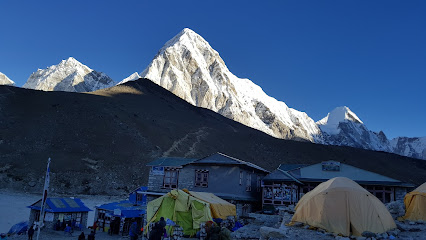
The trek from Lobuche to Gorakshep covers approximately 4.5 kilometers over 2 to 2.5 hours, with a total ascent of 320 meters and descent of 60 meters. The trail gradually climbs along the lateral moraine of the Khumbu Glacier, through rugged and sandy terrain. As you walk, you begin to see the full scope of the glacier, the sharp ridges of Nuptse, and the snowy flanks of Pumori rising to the north. Upon reaching Gorakshep, a small cluster of basic teahouses nestled on a frozen, rocky basin, trekkers stop for a warm meal and brief rest. Once a temporary Everest Base Camp itself, Gorakshep now serves as the final lodge-supported outpost before reaching the modern base camp. While facilities are minimal, the setting is striking, surrounded by ice, rock, and sky. After refueling, trekkers prepare to tackle the final stretch toward Everest Base Camp, carrying both anticipation and a sense of nearing the goal.
720 minutes
Admission Included
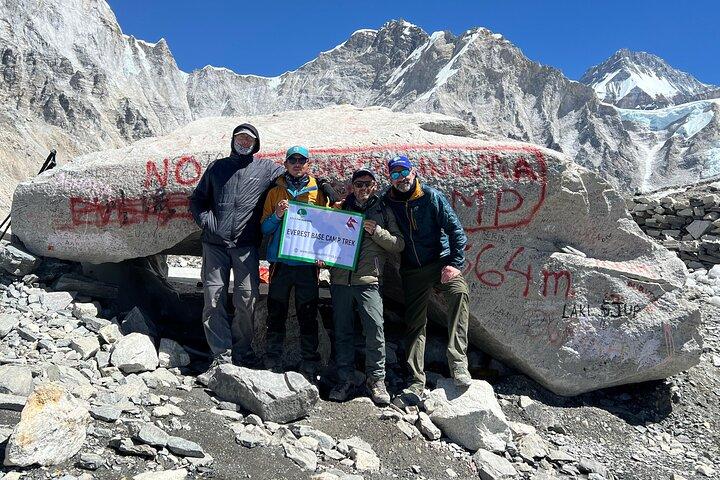
From Gorakshep, the trail to Everest Base Camp winds across glacial moraine and ice-strewn terrain beside the shifting edge of the Khumbu Glacier. The round trip is about 8 kilometers and takes 4 to 5 hours, with 230 meters of total ascent and descent. The trail undulates gently but becomes tiring due to the thin air and rough footing. As you approach base camp, the towering face of Nuptse dominates the view, while Everest’s summit remains hidden behind its western shoulder. Upon arrival, you’ll find the iconic Everest Base Camp rock surrounded by colorful prayer flags. In spring, expedition tents cluster across the glacier, bringing the scene to life. It’s an emotional and celebratory moment for many trekkers, standing at the launching point of summit attempts and the symbolic end of their journey. After photos and reflection, the group retraces their steps back to Gorakshep, completing a long and rewarding day at high altitude.
30 minutes
Khumbu Glacier
The Khumbu Glacier is the lifeline of the upper Everest region, stretching over 17 kilometers from the base of Everest’s Western Cwm to below Lobuche. Trekkers walk alongside its lateral moraine between Lobuche and Everest Base Camp, often hearing the glacier crack and groan under pressure. Although its surface is covered in dust and rock, deep crevasses reveal its ancient blue ice beneath. The glacier is ever-changing—seracs collapse, ice shifts, and in spring the route to Everest is carved directly across it toward the Khumbu Icefall. From near base camp, trekkers can view the start of this treacherous section used by summit expeditions. The glacier’s scale is staggering, its presence powerful. It is not just a backdrop—it’s a moving, breathing reminder of Everest’s living geology. Walking alongside or above it is a humbling and unforgettable part of the trek, offering insight into the raw, glacial forces that shape the Khumbu landscape.
Kala Patthar
The pre-dawn hike to Kala Patthar is one of the most iconic and rewarding experiences on the Everest trail. The round-trip distance from Gorakshep is approximately 3 kilometers, with a total ascent and descent of 390 meters over 2.5 to 3 hours. The trail begins steeply in darkness, with cold winds and starlit skies overhead, gradually revealing the snowy silhouettes of towering peaks. As the sun rises, the view transforms dramatically—Everest’s summit glows golden, flanked by Lhotse, Nuptse, Pumori, and Ama Dablam. The summit of Kala Patthar offers the clearest and closest panoramic view of Everest available to trekkers. Marked by prayer flags and rocky outcrops, it’s a powerful place to pause, reflect, and take in the scale of the Himalayas. Despite thin air and freezing temperatures, the experience is emotionally stirring and unforgettable. After photos and a short break, trekkers descend back to Gorakshep for a well-earned breakfast.
30 minutes
Pheriche
Following breakfast in Gorakshep, the trail descends toward Pheriche, a wind-swept village nestled in a wide alpine valley. The walk is approximately 8.5 kilometers, taking about 4 hours, with a total descent of 870 meters, ascent of 180 meters, and 1.5 kilometers of flat trail. The first section retraces the path to Lobuche, followed by a leftward split from the main EBC trail that leads toward Pheriche. The landscape opens into vast, glacial plains with views of Taboche, Cholatse, and the ridgeline of Ama Dablam. The trail is rocky but easier on the lungs as you drop in altitude. Pheriche is quieter and more open than Dingboche, offering good teahouses and access to the Himalayan Rescue Association Aid Post, which has helped countless trekkers with altitude-related concerns. After days in higher, harsher conditions, arriving in Pheriche feels like a gentle return—welcoming, calm, and ideal for a restful night.
720 minutes
Namche Bazaar
The trail from Pheriche to Namche Bazaar is a long and varied descent of about 15 kilometers, taking approximately 7.5 hours. Though you lose altitude, the trek is physically demanding due to the mix of 1,100 meters of downhill, 360 meters of uphill, and 3.5 kilometers of flat walking. From Pheriche, the trail follows the Imja Khola and merges with the main route at Pangboche before reaching Debouche. You’ll stop for lunch near Phunki Tenga, at the base of the final major climb of the day—a challenging ascent through pine forest leading back to Kyangjuma. After this, it’s a gentler walk along familiar ridges with distant views of Everest and Ama Dablam. The scenery transitions from rocky alpine terrain to rich pine forests and river crossings. Arriving back in Namche Bazaar feels like a return to comfort and civilization, with its bakeries, shops, cafés, and vibrant Sherpa culture—a perfect place to unwind and celebrate your progress.
720 minutes
Lukla
The final trekking day spans approximately 18 km and takes around 7 hours to reach Lukla from Namche. The trail includes 1,190 meters of descent, 530 meters of ascent, and around 3.5 km of flat walking. Starting with a steep descent through pine forests, trekkers cross suspension bridges over the Dudh Koshi River and revisit familiar villages like Jorsalle, Monjo, and Benkar. Tea breaks are often taken in Monjo or Toktok, and lunch is usually enjoyed in Phakding by the riverside. The final uphill section from Chheplung to Lukla can be challenging, but the sight of Lukla’s prayer flags signals a joyful end. That evening, it is customary for trekkers to host a farewell dinner for their guides and porters—an opportunity to share stories, laughter, and gratitude. Tipping your crew is warmly encouraged and deeply appreciated for their dedication and support throughout the journey.
720 minutes
Kathmandu
After breakfast in Lukla, we take a thrilling 20-minute scenic flight to Manthali Airport (1,474m), descending from the high Himalayas into the subtropical hills of the Ramechhap district. Weather permitting, the flight offers sweeping views of mountain peaks and green valleys. On arrival, a private vehicle awaits for a 132 km road journey to Kathmandu, which takes about 5–6 hours depending on traffic and road conditions. The drive winds through riverside highways, rural villages, and lush forested hills, offering a contrast to the alpine terrain of the past days. We stop midway at a local restaurant for a relaxed lunch and tea break. Upon reaching Kathmandu (1,400m), we check into our comfortable hotel in Thamel. You’ll have time to freshen up or explore the city streets. This transition from mountains to metropolis offers space to reflect and celebrate the unforgettable adventure you’ve just completed.
720 minutes
Kathmandu
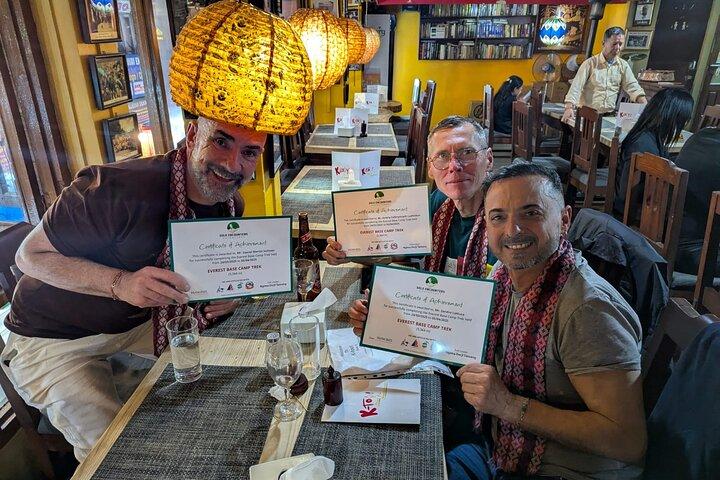
After breakfast, depending on your flight time, you may have a few final hours to explore the colorful streets of Thamel—perfect for last-minute souvenir shopping or a quiet moment in a café. Our team will ensure your airport transfer is smooth and timely. As you leave Nepal, we hope your heart carries the spirit of the Himalayas, the kindness of the people, and the beauty of the journey you’ve completed. It’s been our great honor to host you, and we sincerely invite you to trek with us again, whether to new peaks or familiar trails, the mountains are always calling. Until next time, safe travels and dhanyabad (thank you) from all of us at Sole Encounters Trekking
360 minutes
The experience can be subject to change due to bad weather or unforseen circumstances. We always endeavour to give you the best possible experience.
Additional Information
-
 Not recommended for pregnant travelers
 -
Not recommended for travelers with poor cardiovascular health
-
Not recommended for travelers with spinal injuries
-
Public transportation options are available nearby
-
Travelers should have at least a moderate level of physical fitness
What our experts say
-
 Try local dal bhat in Kathmandu.
 -
Bring a water filter bottle for hydration.
-
Visit the Sherpa Culture Museum in Namche.
-
Enjoy pastries at the bakery in Tengboche.
-
Take a rest day in Dingboche for acclimatization.

More About this Experience
Introduction
Embark on the adventure of a lifetime with the Everest Base Camp Trek (15 Days), where breathtaking landscapes and rich culture intertwine to create an unforgettable experience. This meticulously crafted journey takes trekkers through the heart of the Himalayas, offering a unique blend of adventure and connection to local traditions. From the moment you arrive in Kathmandu, a vibrant city steeped in history, to your ascent through picturesque villages and stunning mountain vistas, every detail is designed to ensure your trek is both safe and enriching. Guided by experienced Sherpa leaders and supported by a dedicated team, this trek prioritizes your well-being while immersing you in the stunning beauty of the Khumbu region. With a commitment to responsible tourism, you’ll not only witness the majestic Everest but also support the local community and culture. This isn’t just a trek; it’s a journey into the soul of Nepal, where every step tells a story.What to expect?
Expect an extraordinary adventure filled with the awe-inspiring beauty of the Himalayas and a deep dive into Sherpa culture. As you trek to Everest Base Camp, you’ll traverse lush pine forests, cross iconic suspension bridges, and witness the grandeur of towering peaks like Ama Dablam and Nuptse. The journey is well-paced, allowing time for acclimatization and exploration, ensuring that you not only reach your destination but also savor every moment along the way. You'll enjoy comfortable teahouse accommodations, delicious local meals, and the camaraderie of fellow trekkers. The knowledgeable guides will share stories of the mountains and the people who call them home, enriching your experience. From the unforgettable flight to Lukla to the triumphant arrival at Everest Base Camp, each day offers new challenges and breathtaking scenery, making this trek a true testament to the spirit of adventure.Who is this for?
The Everest Base Camp Trek is designed for adventurers of various skill levels, making it accessible to both seasoned trekkers and those new to high-altitude hiking. If you possess a moderate level of fitness and a spirit of adventure, this trek welcomes you with open arms. Whether you’re a solo traveler seeking a transformative experience, a group of friends looking for an epic journey, or a family wanting to bond over breathtaking landscapes, this trek caters to all. It's also perfect for anyone interested in immersing themselves in a rich cultural experience, as the Sherpa communities along the route offer unique insights into their traditions and way of life. Though the trek involves challenging ascents and variable weather conditions, the supportive team and carefully planned itinerary ensure that everyone can participate and enjoy the journey.Why book this?
Booking the Everest Base Camp Trek is not just about reaching a destination; it’s about embracing an experience that will resonate in your heart long after you return home. The unique selling points of this trek include the expertise of local guides who are not only skilled at navigating the terrain but also passionate about sharing their culture and stories. The commitment to responsible tourism ensures that your adventure supports local communities, allowing you to give back while enjoying the breathtaking landscapes. With a focus on safety, the trek includes altitude briefings and a flexible pace to accommodate all trekkers. Plus, the opportunity to witness the world’s highest peaks up close, coupled with the camaraderie forged along the trail, creates a powerful sense of achievement and belonging. This trek is more than just a journey; it’s a chance to discover your limits, connect with nature, and create lasting memories.Good to know
Before embarking on the Everest Base Camp Trek, it’s essential to prepare adequately to ensure a smooth and enjoyable experience. It’s recommended to have at least a moderate level of physical fitness, as the trek involves varied terrain and significant altitude gain. Proper trekking gear, including sturdy boots, warm clothing, and a good quality sleeping bag, will enhance your comfort on the trail. Be sure to acclimatize properly and stay hydrated for optimal performance. The trek is not recommended for pregnant travelers or those with serious cardiovascular conditions, so a pre-trek health check is advisable. Lastly, while tips for guides and porters are not mandatory, they are greatly appreciated and a wonderful way to show gratitude for their support during the trek. Remember to embrace the journey, soak in the stunning views, and connect with fellow trekkers along the way.Reviews
Trekkers rave about their experiences on the Everest Base Camp Trek, often highlighting the breathtaking views, supportive guides, and rich cultural interactions as standout elements of their journey. Many have described the trek as life-changing, noting that the camaraderie formed with fellow adventurers and the local Sherpa community added depth to their experience. Reviewers frequently mention the attention to safety and comfort provided by the trekking team, which allowed them to focus on the stunning landscapes and personal achievements rather than logistical concerns. The memories of standing at the base of Everest, witnessing sunrise from Kala Patthar, and sharing laughter during challenging moments remain etched in their hearts. Overall, the overwhelming sentiment is one of gratitude for a well-organized trek that balances adventure with cultural immersion, making participants eager to recommend the journey to others.


Your all‑in‑one travel companion app
Explore expert travel guides, compare and book tours, experiences, hotels, and more—all from the palm of your hand. Download now for seamless trip planning wherever your wanderlust takes you.


This is a popular product and the date you are looking for just sold out. Next available date is
