


Everest Three Passes Trek 16 Days
 Ramechhap, NP
 100% of travellers recommend this
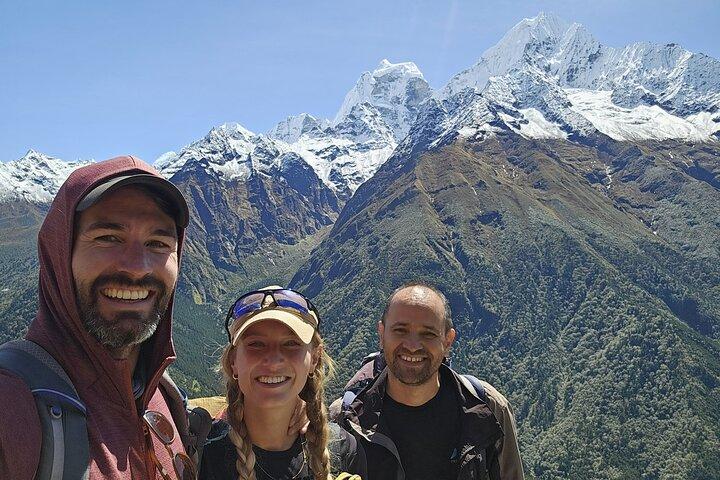
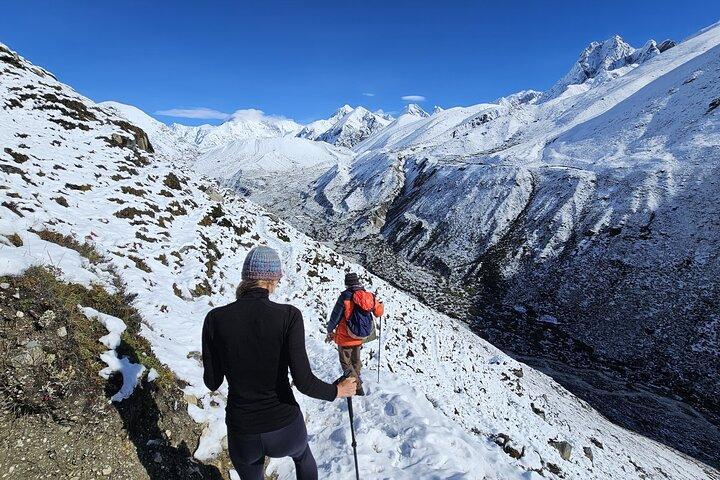
Highlights
- Breathtaking views from three high-altitude passes
- Cultural immersion in remote Sherpa villages
- Stunning landscapes of Gokyo Lakes and glaciers
- Epic sunrise views from Kalapatthar viewpoint
- Incredible experience at Everest Base Camp
-
Duration: 16 days
-
Private Tour
-
Expert English-speaking guides
-
Airport pickup and drop included
-
Includes trekking permits
-
Farewell dinner included
Embark on the exhilarating Everest Three Passes Trek, a 16-day adventure that promises breathtaking views and an authentic Sherpa experience. This challenging trek takes explorers across three high-altitude passes—Renjo La, Cho La, and Kongma La—where they can witness the majestic peaks of Everest, Lhotse, and Makalu. Along the way, they'll visit the stunning Gokyo Lakes and ascend to Kala Patthar, renowned for its panoramic vistas. Ideal for seasoned trekkers, this journey immerses them in the rich culture of remote Sherpa villages while surrounded by the awe-inspiring beauty of the Himalayas. With expert guides ensuring safety and comfort, this trek is a perfect blend of adventure, scenic wonder, and cultural discovery, making it an unforgettable experience in the heart of Nepal's majestic landscapes.
At a Glance
-
 Free cancellation
-
 16 days
-
 Instant Confirmation
-
 Available in English
-
 Mobile voucher
-
 Private Tour
-
 Guided
-
 Family friendly

Featured Reviews

Embark on an unforgettable 16-day Everest Three Passes Trek, crossing high-altitude passes and immersing in Sherpa culture amidst stunning Himalayan scenery.
Included
-
 OtherTrekking permits: Sagarmatha National Park Area fees.
 -
OtherLicense Holder English speaking trekking guide.
-
OtherGuide salary, lodging, food and insurance.
-
OtherFlight ticket Kathmandu to Lukla to Kathmandu.
-
OtherAirport pickup and drop service.
-
OtherFarewell Dinners
-
Other1 nights Accommodations in Kathmandu after trek
-
OtherAll Tax 13% VAT+10% Service charge.
-
OtherFirst aid medical box.
-
OtherRescue Management Service.
-
OtherT-shirt, Duffel Bag and Trekking Map.
-
OtherTransportation costs: Comfortable drive from hotel to airport to hotel.
Excluded
-
 MealsAll food and drinks during the trek.
 -
OtherVisa fee to enter Nepal.
-
OtherInternational flight tickets and extra baggage charges
-
OtherExtra night accommodation and meal costs in Kathmandu due to any change in the scheduled itinerary
-
OtherPorter
-
OtherTravel insurance/ Rescue Operation costs
-
OtherAll personal expenses (laundry, electronic device. charging cost)
-
OtherAll accommodation during the trek
-
OtherTip for guide and porters.
-
OtherHot and cold Shower.
Meeting Point
One of our representatives will be at the decided place and time with the guest's name printed on a paper along with the company logo for easy recognition

P864+HH7, 17 Purano Dhalko Marga, Kathmandu 44600 , Nepal

End Point
One of our representatives will be at the decided place and time with the guest's name printed on a paper along with the company logo for easy recognition

P864+HH7, 17 Purano Dhalko Marga, Kathmandu 44600 , Nepal
Pickup
Check if pick-up is available from your location, you will select during checkout (providers may allow other pickup locations)

What to expect
Ramechhap
Begin your day with a scenic early morning drive from Kathmandu to Ramechhap through peaceful highways, winding hills, and rural Nepali countryside. Watch the landscape gradually shift as you approach the Himalayan foothills.
60 minutes
Tenzing-Hillary Airport
Upon landing in Lukla, take a short tea break and prepare your gear. This famous mountain town also offers your first Himalayan vistas and a sense of trekking excitement
45 minutes
 Admission Not Included
A peaceful Sherpa village with mani stones and fluttering prayer flags. It's a great spot for a quick photo or short rest before continuing on the trail.
15 minutes
This culturally vibrant village features chortens, mani walls, and suspension bridges. It's also where you'll get your first glimpse of the striking Kusum Kanguru peak.
20 minutes
Phakding
A serene riverside village nestled in pine forests. Enjoy lunch, relax at your teahouse, or explore nearby monasteries and the banks of the Dudh Koshi River.
720 minutes
Dudh Koshi River
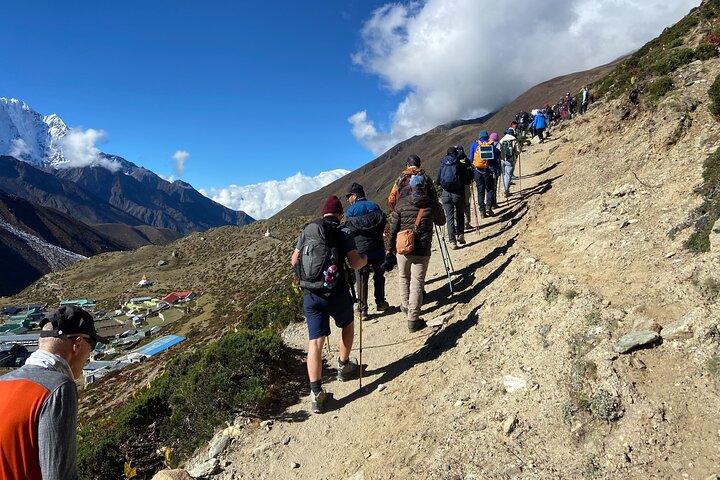
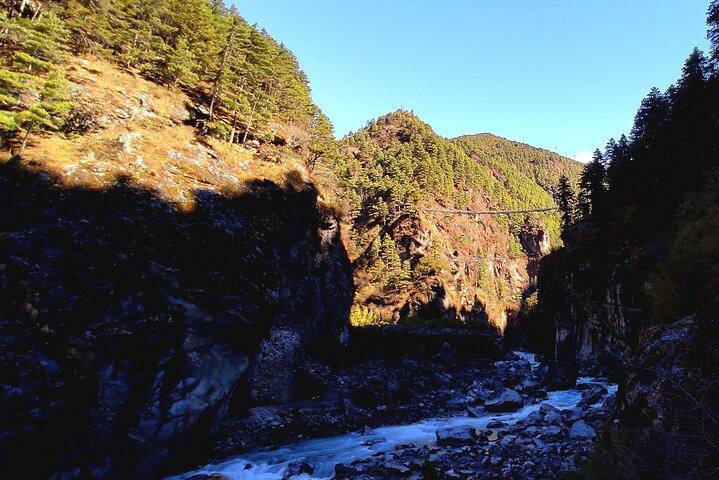
Nestled beside the Dudh Koshi River, Phakding is a scenic village where the day begins. After breakfast and some stretching, trekkers set off on a steadily rising trail, surrounded by pine forests and distant snowy peaks. The trek follows the western bank of the roaring Dudh Koshi River. Suspension bridges, prayer flags, and the sound of cascading water accompany you along this scenic and energizing route.
15 minutes
Benkar
A small village where many trekkers pause to enjoy a tea break or sample its famous apple pies. A nearby waterfall adds a tranquil touch to the trail.
15 minutes
Monjo
This is where permits are checked before entering Sagarmatha National Park. The trail transitions into a more pristine alpine environment here, often spotted with Himalayan wildlife like musk deer and mountain birds
30 minutes
The last village before the steep ascent to Namche. Trekkers typically stop here for lunch. The trail then continues through rhododendron forests and crosses multiple suspension bridges.
30 minutes
Namche Bazaar
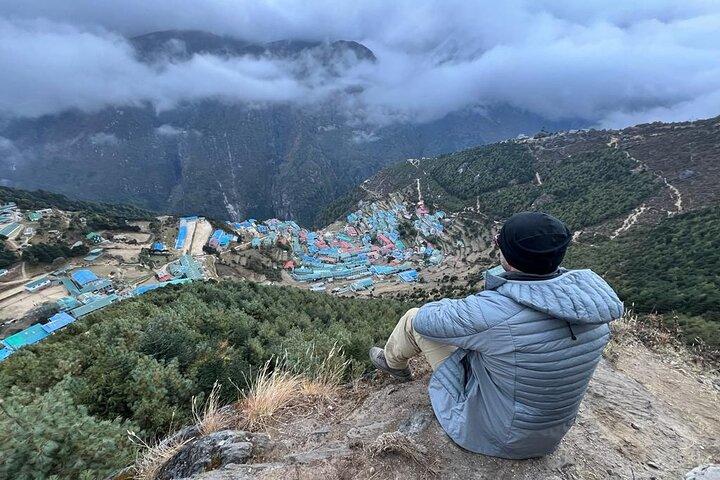
Namche is a lively and colorful hub of the Khumbu region. Surrounded by majestic peaks, it offers cozy lodges, cafes, bakeries, and stunning views—perfect for acclimatization and rest.
720 minutes
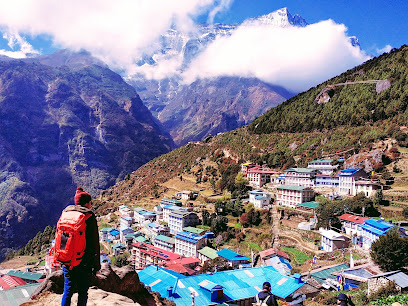
Begin the day exploring the vibrant Sherpa town of Namche. Visit the local museum to learn about the region's history, mountaineering heritage, and Sherpa culture. Enjoy the bustling Saturday market (if it coincides), and take in panoramic views of Thamserku and Kongde Ri.
120 minutes
Admission Not Included
Hotel Everest View
A scenic acclimatization hike leads you to Everest View Hotel, one of the highest-altitude hotels in the world. The hike offers stunning views of Mt. Everest, Lhotse, Ama Dablam, and surrounding peaks. Many trekkers enjoy tea or coffee here while soaking in the panoramic Himalayan vista.
60 minutes
Admission Not Included
Khumjung
Visit the peaceful Sherpa village of Khumjung, home to a monastery that houses a "Yeti scalp" and the Khumjung School built by Sir Edmund Hillary. The stone houses and traditional Sherpa lifestyle offer an authentic cultural experience.
30 minutes
Just a short walk from Khumjung, Khunde is home to the Hillary Hospital, founded in 1966. The hospital continues to serve local communities and honors Hillary’s lasting impact in the region. Khunde also offers great mountain views and cultural immersion.
30 minutes
Namche Bazaar
After completing the side-trip loop, return to Namche for rest, gear checks, bakery visits, or light shopping before continuing your trek the next day.
1080 minutes
Shortly after departing Namche, pause at the stupa built in honor of Tenzing Norgay Sherpa. This scenic viewpoint offers the first clear panorama of Ama Dablam, Lhotse Shar, Kangtega, Taboche, and Thamserku, making it an excellent photo stop and rest point.
15 minutes
Phunki Thanga
This riverside settlement is a typical stop for lunch. Rest here before beginning the steady uphill climb to Tengboche. You may also refill water and enjoy peaceful views of the Dudh Koshi River.
45 minutes
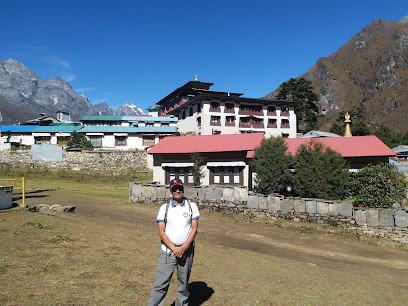
Upon reaching Tengboche, visit the iconic Tengboche Monastery, the largest monastery in the Everest region. The rich murals, intricately painted interior, and spiritual ambiance make it a must-visit. The backdrop of Ama Dablam rising behind the monastery is nothing short of breathtaking
720 minutes
Dingboche
The trek to Dingboche (4,410 m) begins with a gradual descent from Tengboche, crossing the river and passing through beautiful Sherpa villages and yak pastures. Along the way, enjoy breathtaking views of the majestic Ama Dablam and Lhotse peaks. As we near Dingboche, the landscape opens up to reveal dramatic Himalayan vistas. Upon arrival in Dingboche, the village welcomes us with its stone houses and protective stone walls around the fields, built to shield from harsh winds. The village is a peaceful spot where the Sherpa culture thrives, and the day's end provides a perfect opportunity to relax and soak in the surrounding beauty.
900 minutes
Chukhung
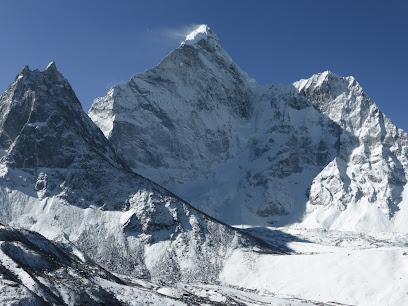
Chhukung (4,730 m) is a charming Sherpa village that offers an easier trek compared to the more challenging ascent ahead. The village is surrounded by impressive peaks and provides a peaceful atmosphere for trekkers to rest and acclimatize. As you walk through the village, you'll be able to enjoy the stunning scenery, including views of Island Peak and other nearby mountains.
900 minutes
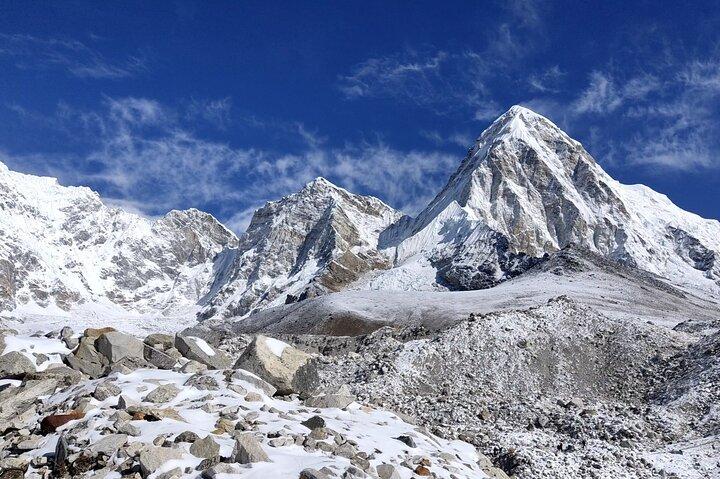
The real challenge begins with the trek to Chhukung Ri (5,550 m), which is significantly more demanding due to the higher altitude. The trail becomes steeper as you ascend, and the risks of altitude sickness increase. However, the reward at the top is unparalleled. From the summit, you can take in breathtaking panoramic views of Makalu, Lhotse Shar, Pumori, Cho Oyu, and the towering icy walls of Baruntse. These awe-inspiring views make the challenging hike worthwhile. After spending time enjoying the vistas, we descend back to Chhukung for a well-deserved rest.
30 minutes
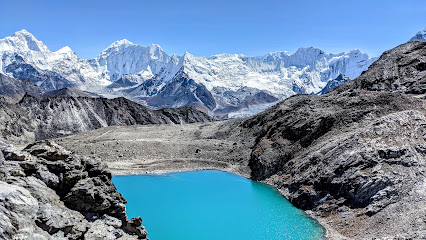
From Chhukung, we begin our ascent towards the Kongma La Pass, the highest of the three passes in the Everest region. The trail starts out relatively well-defined, but the real challenge comes as we approach the pass. The rocky terrain becomes steeper, and the stunning views of the lower mountain valleys start to emerge once you reach the halfway point. A steep final ascent brings us to the summit of Kongma La, where the panorama is nothing short of spectacular. The towering glacier walls of Nuptse and Lhotse take center stage, while the high peaks of Makalu and Island Peak form a breathtaking backdrop. But the most awe-inspiring sight is the majestic Mt. Everest, which rises magnificently against the clear blue sky, its snowy peak gleaming in the sunlight. The eastern flank of Kongma La is bordered by an unforgiving ice slope, making it one of the most impressive places to witness the wild beauty of the region.
30 minutes
Lobuche
After crossing the pass, we descend carefully towards Lobuche, taking in the stunning views of the Khumbu Glacier along the way. The descent requires attention to acclimatization, so we move slowly to ensure a safe arrival. On clear days, the sight of Nuptse’s towering peak greets us as we reach Lobuche, marking a rewarding end to a challenging day.
960 minutes
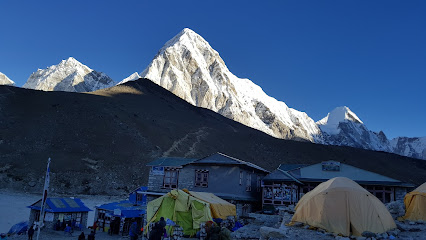
From Lobuche, the trail follows the ridge, with a series of ups and downs, before reaching Gorakshep. The journey offers wonderful views of the snowy peaks to the west, which provide a scenic backdrop along the way. Upon reaching Gorakshep, we will take a side trip to the stunning viewpoint of Kalapatthar. After spending time soaking in the mesmerizing views, we will return to Gorakshep for an overnight stay, reflecting on the incredible scenery we’ve experienced.
960 minutes
Kala Patthar
While many trekkers opt to hike Kalapatthar early the next morning, we will take advantage of the afternoon light for our hike, as the sunset views are far more dramatic than the sunrise. The southern face of Mt. Everest stands proudly in the background, while countless other peaks create a panoramic range of awe-inspiring beauty. This viewpoint is often considered one of the most beautiful in the world.
30 minutes
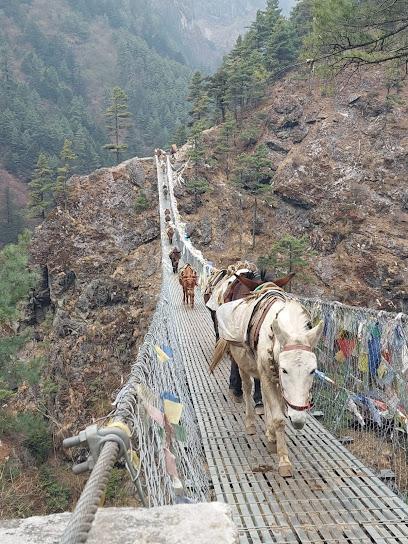
Early in the morning, we will set out for a hike to Everest Base Camp. Upon arrival, the base camp offers a vast expanse of snow, with mountains looming in the background, partially shrouded by thick mist. Despite the haze, the experience of standing at the foot of the world’s highest peak is incredibly rewarding. At base camp, you'll also see mountaineers preparing for their ascent to Everest’s summit, providing a glimpse into the epic challenges faced by climbers.
45 minutes
After soaking in the views, we will descend back to Gorakshep for lunch, then continue our journey towards Dzongla. On the way, we will pass by the stunning Tshola Lake, a beautiful turquoise body of water that adds a refreshing touch to the day's trek.
900 minutes
The trek begins from Dzongla and ascends towards the Cho La Pass, one of the most challenging sections in the Everest region. The trail takes trekkers through steep inclines and rocky boulders, demanding careful footing and preparation. As you reach the top of Cho La Pass, the reward is truly breathtaking. The pass offers panoramic views of some of the highest peaks in the world, including Everest, Lhotse, Ama Dablam, and many other surrounding giants. This pass connects the Khumbu Valley with the Gokyo Valley, and crossing it provides an unforgettable experience, showcasing the raw beauty and grandeur of the Himalayas.
30 minutes
After crossing Cho La Pass, the descent towards Dragnag begins. The downward trail can be tricky, with slippery sections that require careful navigation. Upon arrival in Dragnag, trekkers can take much-needed rest and acclimatize before continuing on their journey. Dragnag serves as an important stopping point to rejuvenate, with stunning mountain views that make this quiet village a serene and peaceful place to rest after the challenging trek over Cho La Pass.
900 minutes
From Dragnag, we will embark on a steep and icy path that leads us across the Ngozumpa Glacier, Nepal's longest glacier. This challenging stretch is marked by jagged ice formations and dramatic, towering peaks that create a truly mesmerizing and rugged landscape. As we navigate this icy terrain, the immense scale and beauty of the glacier will leave a lasting impression, offering an unparalleled sense of adventure.
20 minutes
Gokyo
After crossing the glacier, we will arrive at Gokyo and visit the Gokyo Lakes System, which consists of six major freshwater lakes. These crystal-clear lakes, with their striking turquoise blue color, offer a sense of tranquility and wonder. The lakes are considered sacred and are believed to be the abodes of snake gods. During the Janai Purnima festival in August, Hindu pilgrims visit to take a spiritual dip in the cold, pristine waters. Exploring this serene and sacred lake system is a surreal experience, providing both natural beauty and a deep spiritual connection to the land.
900 minutes
Gokyo Ri
Gokyo Ri is often referred to as the Kalapatthar of the Gokyo region due to the spectacular panoramic views it offers. The trek to the top is challenging as the path is steep and icy, so caution is essential. It's crucial to ascend slowly and breathe regularly to assist with acclimatization. As you make your way up, the breathtaking views of Gyangchung Kang and Cho Oyu will start to unfold, leaving you in awe of their grandeur. Some trekkers even argue that the views from Gokyo Ri are more impressive than those from Kalapatthar, as it provides a more comprehensive perspective of the surrounding peaks. Once at the summit, you’ll be rewarded with an incomparable vista that stimulates all your senses.
45 minutes
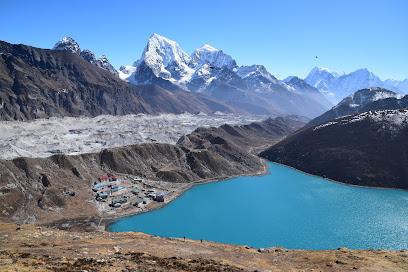
After soaking in the views from Gokyo Ri, we will descend back to Gokyo for the night.
1080 minutes
Admission Not Included
Leaving Gokyo behind, the trail to Renjo La begins with a gentle walk along the edge of the third lake before ascending sharply on a rugged, stony path. As you gain elevation, the terrain becomes increasingly challenging, with stone steps carved into the hillside and occasional icy patches. Though yaks can cross this pass, the final ascent is strenuous even for experienced trekkers, especially with the thin air at high altitude. The reward for your effort is immense—at the top of Renjo La, the view opens up to a spectacular sweep of the Himalayas. Everest, Makalu, and other towering peaks rise majestically behind the shimmering Gokyo Lakes, creating a surreal and unforgettable panorama.
30 minutes
The descent from Renjo La to Lungden is steep and demanding, with slippery trails and uneven stone staircases that require caution and patience. As you descend deeper into the valley, the landscape shifts to a more barren, alpine terrain. The trail winds down through quiet, open hillsides, eventually bringing you to the small, peaceful settlement of Lungden. Tucked away in the remote Bhote Koshi Valley, Lungden offers a serene place to rest, with distant views of snow-covered ridges and a calm atmosphere—an ideal spot to relax and reflect after a rewarding yet physically challenging day.
900 minutes
From Lungden, the trail gently descends through a wide, open valley, eventually crossing the Langmuche Khola. The path is well-defined and scenic, offering not just mountain views but also dramatic river valleys, deep gorges, and traditional stone walls that line the route. As we continue downhill, the sound of the Bhotekoshi River accompanies us, flowing rapidly through the valley below. After a peaceful walk along the river’s edge, we arrive in Thame—a quiet Sherpa village that has preserved its authenticity over the years. Unlike the busy Everest Base Camp trail, Thame sees far fewer trekkers, making it a hidden gem in the Khumbu region. It is also famously known as the birthplace of Tenzing Norgay Sherpa, one of the first two men to summit Mount Everest.
30 minutes
Namche Bazaar
Leaving Thame, the trail gently curves around forested ridgelines and crosses small streams as it leads back toward Namche Bazaar. The walk is relatively short and less demanding compared to previous days, allowing time to relax and explore upon arrival. In Namche, you’ll have the chance to revisit or explore for the first time the bustling local market, the historic Namche Monastery, and the Sherpa Culture Museum. These cultural sites offer insight into the region’s mountaineering legacy, including displays of gear used by the first Everest climbers and artifacts from Sherpa heritage. After days in the remote wilderness, Namche feels lively and welcoming—a perfect place to unwind before continuing your descent.
840 minutes
Lukla
The trail from Namche to Lukla retraces the familiar path we followed on the way up. Though it’s mostly downhill, the long hours of walking can still be physically demanding, especially on tired legs. Along the way, you'll pass through charming villages, suspension bridges draped in prayer flags, and lush pine forests, with glimpses of snow-capped peaks behind you. Once in Lukla, take time to relax and explore the surroundings. This final stop in the Khumbu region is perfect for reflecting on your incredible journey before flying back to Kathmandu.
900 minutes
Manthali
After finishing breakfast in Lukla, we board a short 15-minute flight to Manthali Airport, located in Ramechhap district. This airport serves as the main transit point during the peak trekking seasons of Autumn (September to November) and Spring (March to May) when direct flights to Kathmandu are limited due to heavy air traffic. Though brief, this flight offers a final aerial view of the Himalayas—an impressive farewell to the mountains.
60 minutes
Kathmandu
Upon landing at Manthali Airport, our journey continues with a 5 to 6-hour drive back to Kathmandu, covering a distance of approximately 131 kilometers. The road winds through terraced hillsides, riverside villages, and scenic valleys, allowing you to absorb Nepal’s diverse landscapes one last time. Once we arrive in Kathmandu, you will be transferred to your hotel for a well-earned rest. The remainder of the day is yours to relax, reflect on the adventure, or enjoy the bustling charm of Thamel and the capital city.
720 minutes
The experience can be subject to change due to bad weather or unforseen circumstances. We always endeavour to give you the best possible experience.
Additional Information
-
 Not recommended for pregnant travelers
 -
Not recommended for travelers with poor cardiovascular health
-
Not recommended for travelers with spinal injuries
-
Travelers should have a high level of physical fitness
What our experts say
-
 Stay hydrated, altitude affects all.
 -
Explore local bakeries in Namche.
-
Visit Tengboche Monastery for culture.
-
Pack warm layers for chilly evenings.
-
Take it slow, acclimatization is key.

More About this Experience
Introduction
The Everest Three Passes Trek 16 Days is not just a trek; it's an expedition into the heart of the majestic Himalayas. Designed for experienced trekkers, this challenging journey spans 384 hours, crossing three high-altitude passes—Renjo La, Cho La, and Kongma La. Each step unveils breathtaking views of the world's highest peaks, including Everest, Lhotse, Makalu, and Cho Oyu. Along the way, trekkers will immerse themselves in the rich Sherpa culture, visiting remote villages and witnessing the traditions that have shaped this stunning region for centuries. With expert guides prioritizing safety and acclimatization, as well as eco-friendly practices, this trek promises not only adventure but also a deep connection with nature and local heritage. Whether you are seeking thrilling challenges or serene landscapes, this trek offers a uniquely transformative experience in one of the most beautiful places on Earth.What to expect?
Adventurers embarking on the Everest Three Passes Trek can expect a blend of exhilarating challenges and mesmerizing beauty. From the moment you land in Lukla, the excitement begins. The trek unfolds with scenic trails winding through lush forests, alongside roaring rivers, and across rugged mountain passes. Each day brings a new vista, with towering peaks and glistening glaciers as constant companions. Trekkers will have the chance to explore the stunning Gokyo Lakes, famed for their turquoise waters, and ascend to Kala Patthar for some of the most iconic views of Everest. The itinerary is thoughtfully designed to allow for proper acclimatization, ensuring trekkers can safely relish the high-altitude thrills. Expect to encounter the warmth of Sherpa hospitality, savor delicious local cuisine, and share stories around the teahouse hearth as you forge friendships that transcend borders. This trek isn't just a physical journey; it's a profound exploration of natural wonders and cultural richness.Who is this for?
The Everest Three Passes Trek is crafted for seasoned adventurers who possess a high level of physical fitness and a passion for exploration. It’s perfect for those who revel in the thrill of pushing their limits while soaking in some of the world's most stunning landscapes. Whether you're a solo traveler seeking personal growth, a group of friends on a quest for shared memories, or a couple looking for a romantic adventure, this trek accommodates all. While the route is demanding, it welcomes anyone with the determination to conquer it. Those with an adventurous spirit and a love for nature will find themselves captivated by the unspoiled beauty and rich culture of the Himalayas. However, it's important to note that this trek is not recommended for pregnant travelers or those with poor cardiovascular health, as the high altitudes can pose significant challenges.Why book this?
Booking the Everest Three Passes Trek means investing in an unforgettable adventure that is more than just a trek; it’s a life-changing experience. This journey offers exclusive access to some of the most breathtaking vistas on the planet, where each pass crossed is a milestone conquered. The well-curated itinerary allows for cultural immersion in remote Sherpa villages, providing insight into a way of life that remains deeply connected to the mountains. The expert guides at Trek Mania Nepal are not only knowledgeable but also passionate about ensuring your safety and comfort throughout the journey. The trek is designed with careful acclimatization in mind, reducing the risks associated with high-altitude trekking. Plus, the eco-friendly practices adopted during the trek mean that your adventure leaves a minimal footprint on this pristine environment. If you're searching for an authentic connection with nature and culture, and a chance to challenge yourself in one of the world's most awe-inspiring landscapes, this trek is the perfect choice.Good to know
Before embarking on the Everest Three Passes Trek, it’s essential to be well-prepared. Proper gear is crucial, including sturdy trekking boots, warm clothing, and a good quality sleeping bag. Although the trek is catered to experienced trekkers, fitness training prior to the journey will enhance the experience and overall enjoyment. Travelers should also note that due to the high altitudes, it’s vital to stay hydrated and listen to your body regarding acclimatization. The trek includes accommodations in local teahouses, offering a cultural glimpse into Sherpa life, but it’s wise to be aware of the basic amenities available. Given the remote nature of the trek, certain luxuries may be limited, and trekkers should pack accordingly. Finally, travel insurance is a must, especially for high-altitude trekking, ensuring peace of mind throughout the journey.Reviews
Feedback from trekkers who have embarked on the Everest Three Passes Trek is overwhelmingly positive, often highlighting the extraordinary beauty and sense of accomplishment they felt upon completion. Many travelers rave about the breathtaking views, particularly from the summits of the passes and Kala Patthar, which left them speechless. The warm hospitality of the Sherpa people and the delicious local cuisine have also garnered praise, with many sharing memorable interactions with the guides. Trekker reviews often express gratitude for the expert guidance and support received, emphasizing how the guides’ knowledge and experience enhanced their trekking experience. While the trek is undoubtedly challenging, it’s this very challenge that many have described as transformative, pushing them beyond their limits and fostering a deep appreciation for the majesty of the Himalayas. Overall, the Everest Three Passes Trek is celebrated not just as a physical journey, but as an emotional and spiritual adventure that resonates long after the trek has ended.


Your all‑in‑one travel companion app
Explore expert travel guides, compare and book tours, experiences, hotels, and more—all from the palm of your hand. Download now for seamless trip planning wherever your wanderlust takes you.


This is a popular product and the date you are looking for just sold out. Next available date is
