


Private Tour : Transylvania from Bucharest 3 Days
 Sinaia, RO
 100% of travellers recommend this

Highlights
- Explore majestic castles with rich history
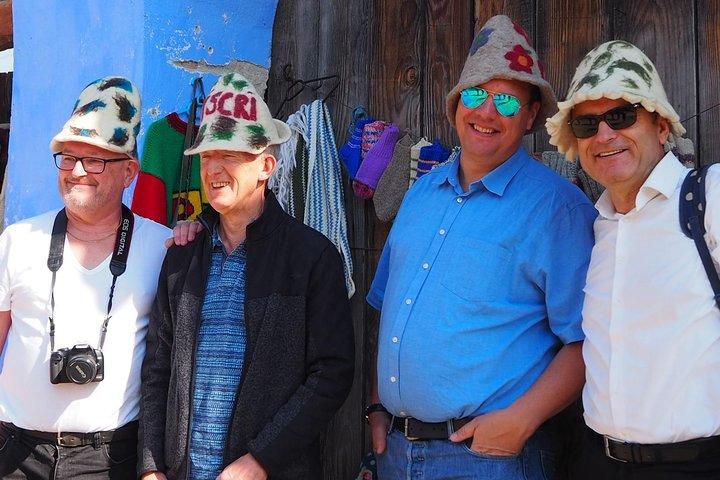
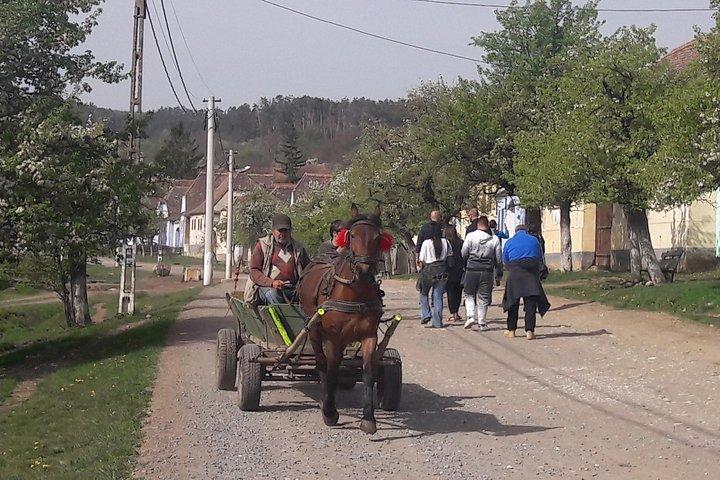
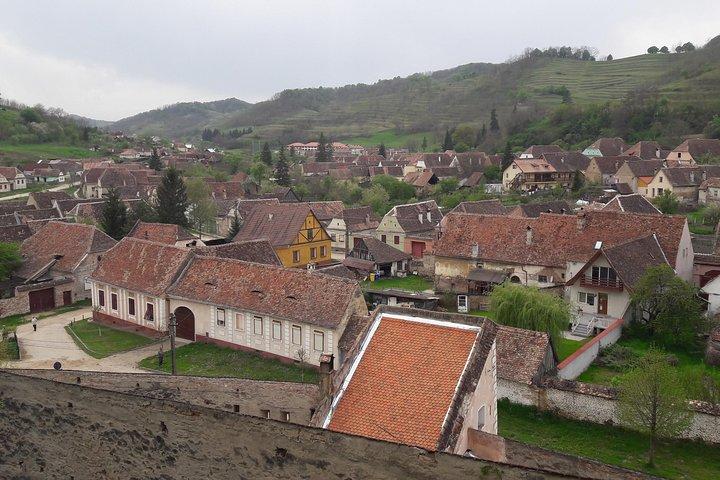
- Experience charming Saxon villages and churches
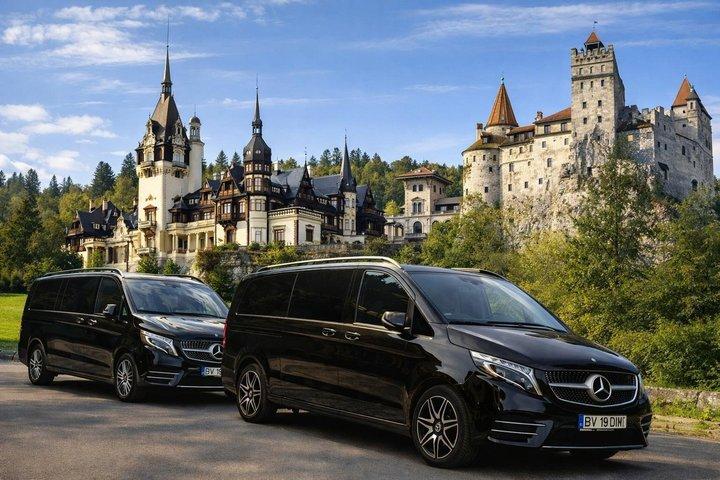
- Travel in a luxurious Mercedes Vklass van
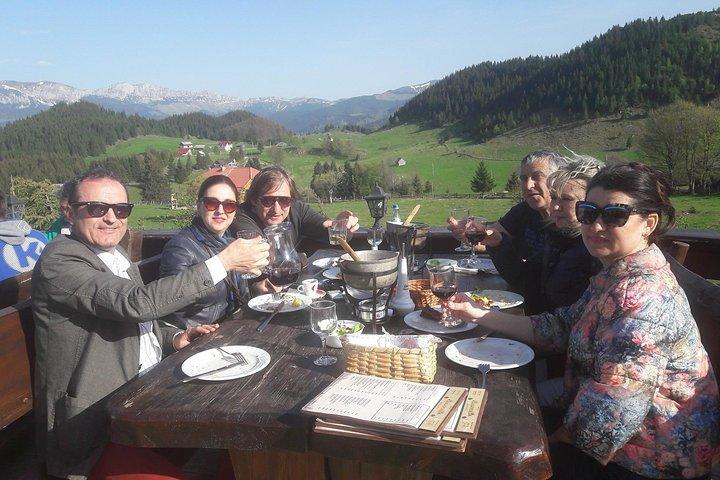
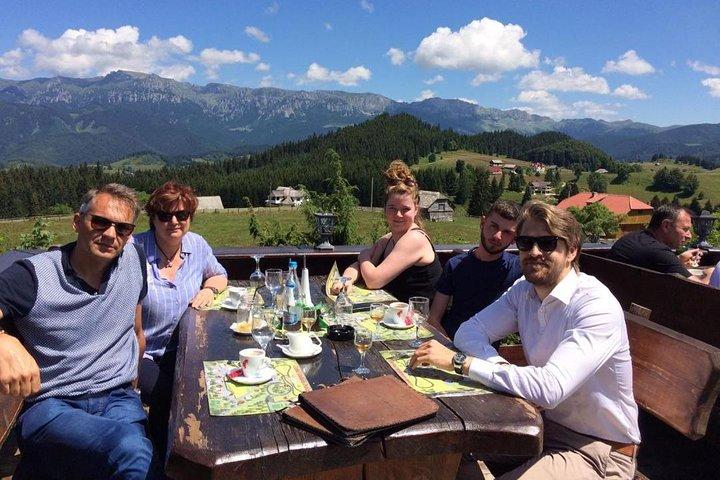
- Enjoy breathtaking views and scenic landscapes
- Visit the well-preserved medieval citadel Sighisoara
-
Private Tour for up to 6 people
-
Duration 3 days, 2 nights
-
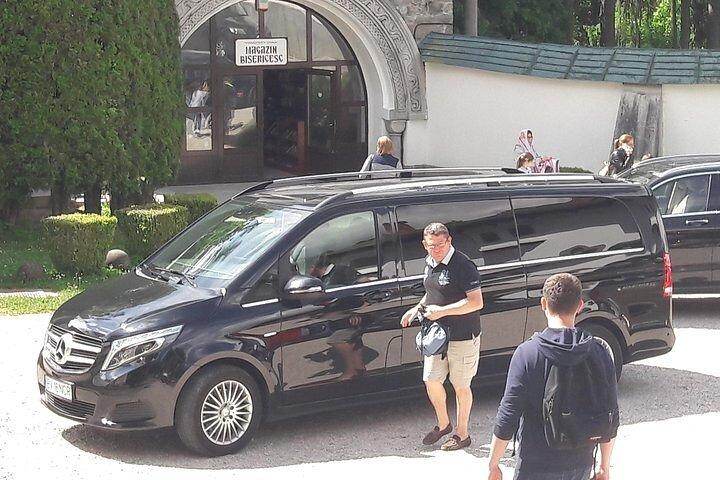
Luxury Mercedes V-Class van
-
Includes breakfast daily
-
Free Wi-Fi in the vehicle
-
Skip-the-line at castles
They embark on a captivating 3-day adventure through the enchanting landscapes of Transylvania, where history and legend intertwine. Their journey begins in Bucharest, whisked away in a luxurious Mercedes V-Class van, equipped with comfort and amenities like free Wi-Fi and refreshing beverages. They will explore the majestic Peles and Bran Castles, marveling at their stunning architecture and rich histories, including the tales of Dracula. The tour weaves through picturesque Saxon villages, where fortified churches stand as testaments to a bygone era. Travellers will immerse themselves in the vibrant culture of Brasov, savoring local charm and breathtaking scenery. With two nights in a cozy hotel, this unforgettable experience offers the perfect blend of adventure, relaxation, and the allure of Transylvania’s storied past.
At a Glance
-
 Free cancellation
-
 3 days
-
 Instant Confirmation
-
 Available in English
-
 Mobile voucher
-
 Private Tour
-
 Guided
-
 Family friendly

Featured Reviews

Explore the enchanting Transylvania on a private 3-day tour from Bucharest, visiting castles, fortified churches, and charming villages.
Included
-
 Other"Skip the line" at the ticket office for Bran Castle and Peles Castle
 -
Breakfast
-
OtherFree Wi-Fi available from hot spot while in the private car
-
OtherRefrigerator with water bottles in the van
-
Other2 Nights accommodation in 3 * hotel in Brasov with breakfast included
-
OtherTransport with luxury van mercedes Vklass , or similars cars
Excluded
-
 Entrance feesEntrance fees for the 3 days
 -
OtherMeals
Pickup
Check if pick-up is available from your location, you will select during checkout (providers may allow other pickup locations)

What to expect

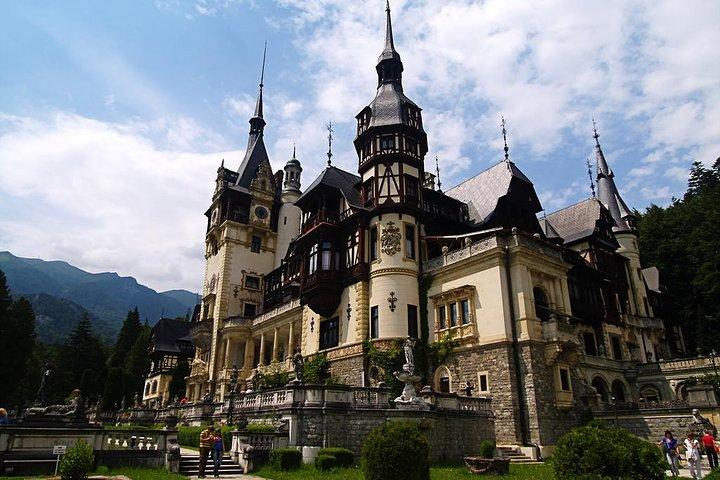
The Peles castle- summer residence belonging to the royal family of Romania, build in the 19th century by Carol the First. It is the most beautiful castle of Romania and maybe of Europe.The castle if build predominantly in a german renaissance manor. It has 160 rooms and 30 bathrooms.The main caracteristic of the castle is its detailed woodwork made by Bernhard Ludwig from Vienna .
120 minutes
 Admission Not Included
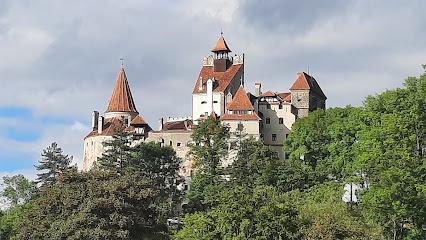
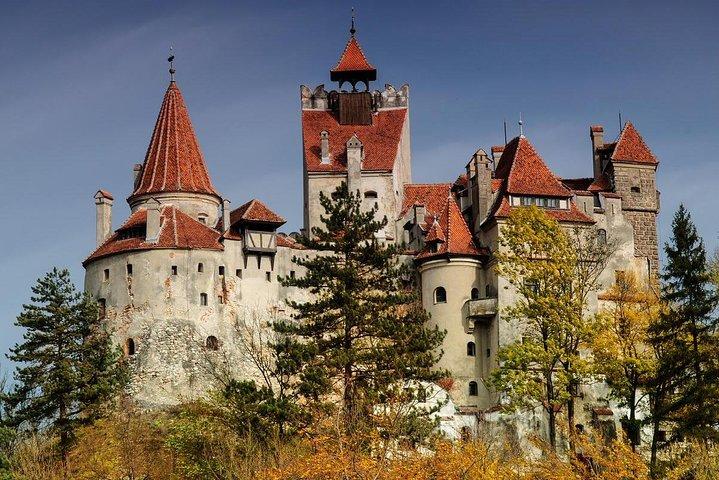
The Bran castle will take you back to the 14th century when times where much simpler.Here we will encounter the gotic architecture of the castle. Build on a bolder in a valley having the roll to look over the border and protect the entrance into Transylvania.It was later connected, in 1897, to Dracula by the Irish writer Bram Stoker. Tall walls, cold,robust towers, rooms surrounded in mistery offer the perfect ambience to take you back to the medieval times when the castle was patrolled by guards and where Dracula tortured thousands.
120 minutes
Admission Not Included
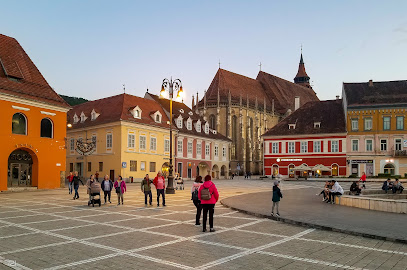
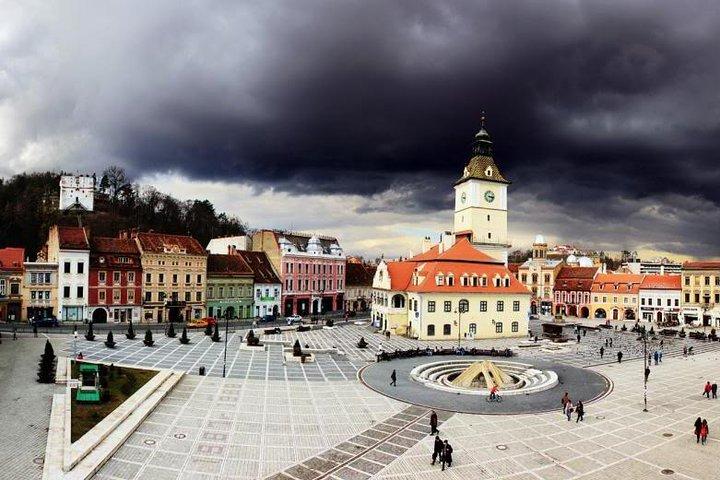
Brasov is one of the most visited cities in Romania, offerings its tourists a rich mix of history, architecture, culture, urban fun and impressive natural surroundings. A top tourist attraction in Romania, the city was for centuries a key commercial center and a strong industrial hub during the long decades of communism when its name changed for 10 years to the City of Stalin. Discover our Brasov Walking Tour. More tours on www.uncover-romania-tours.com Brasov is one of the most visited cities in Romania, offerings its tourists a rich mix of history, architecture, culture, urban fun and impressive natural surroundings. A top tourist attraction in Romania, the city was for centuries a key commercial center and a strong industrial hub during the long decades of communism when its name changed for 10 years to the City of Stalin. Brasov The Black Church The city of many names Brasov is the core of the historical Country of Barsei, donated in 1211 by the Hungarian King Andrei the 2nd to the Teutonic Knights who settled the area and founded the city of Brasov a few years later. First documented in writing, in 1235, under the Latin name of Corona, Brasov was also known as Krondstat in German or Brassso in Hungarian. Its strategic location on the commercial route that linked the three Romanian provinces and the Balkans to the Baltic States made it a fast-developing economic center, especially after the second part of the 14th century. Its commercial importance meant also political leverage, acknowledged through its status of a free royal city that empowered the rights of local Saxons. However, Brasov was not spared the destruction caused by the medieval attacks of the Tatars, the Ottomans or the expansion of regional empires. In 1541, Transylvania was proclaimed an autonomous principality under Ottoman control, and more than one century later it was conquered by the Habsburg Empire. Yet, Brasov continued its development under both empires, and – until the Great Union with Romania from 1918 – the local Romanian population enjoyed more freedoms than in most parts of Transylvania. Powered up by the accelerated industrial development during communism, Brasov became the city of Stalin, a city that, nonetheless, found the courage to revolt against the shortages and absurdity of the regime in 1987. Brasov has plenty of attractions to offer and you need at least one full weekend to explore it properly. The medieval sites and the old churches are on the list of every visitor, but Brasov has even more options in store. The Black Church is the most famous medieval monument in Brasov. Over 600 years old, this is the largest hall-church east of Vienna and one of the most impressive Gothic-style buildings from this corner of Europe. The church was seriously damaged by the great fire of 1689 that destroyed much of the city. Its walls were blackened by the flames and the church, originally named Saint Mary, became known as the Black Church. Discover our Brasov Walking Tour. More tours on www.uncover-romania-tours.com Brasov is one of the most visited cities in Romania, offerings its tourists a rich mix of history, architecture, culture, urban fun and impressive natural surroundings. A top tourist attraction in Romania, the city was for centuries a key commercial center and a strong industrial hub during the long decades of communism when its name changed for 10 years to the City of Stalin. Brasov The Black Church The city of many names Brasov is the core of the historical Country of Barsei, donated in 1211 by the Hungarian King Andrei the 2nd to the Teutonic Knights who settled the area and founded the city of Brasov a few years later. First documented in writing, in 1235, under the Latin name of Corona, Brasov was also known as Krondstat in German or Brassso in Hungarian. Its strategic location on the commercial route that linked the three Romanian provinces and the Balkans to the Baltic States made it a fast-developing economic center, especially after the second part of the 14th century. Its commercial importance meant also political leverage, acknowledged through its status of a free royal city that empowered the rights of local Saxons. Brasov The Honterus Court However, Brasov was not spared the destruction caused by the medieval attacks of the Tatars, the Ottomans or the expansion of regional empires. In 1541, Transylvania was proclaimed an autonomous principality under Ottoman control, and more than one century later it was conquered by the Habsburg Empire. Yet, Brasov continued its development under both empires, and – until the Great Union with Romania from 1918 – the local Romanian population enjoyed more freedoms than in most parts of Transylvania. Powered up by the accelerated industrial development during communism, Brasov became the city of Stalin, a city that, nonetheless, found the courage to revolt against the shortages and absurdity of the regime in 1987. Attractions in Brasov Brasov has plenty of attractions to offer and you need at least one full weekend to explore it properly. The medieval sites and the old churches are on the list of every visitor, but Brasov has even more options in store. Brasov View from the fortification walls Medieval landmarks The Black Church is the most famous medieval monument in Brasov. Over 600 years old, this is the largest hall-church east of Vienna and one of the most impressive Gothic-style buildings from this corner of Europe. The church was seriously damaged by the great fire of 1689 that destroyed much of the city. Its walls were blackened by the flames and the church, originally named Saint Mary, became known as the Black Church. Black Church The Black Church Next to the Black Church, you’ll see the Council Tower, another iconic attraction from the old city center. The headquarters of the court of law back in the 15th century, the Council Tower was restored many times, being used until 1923 as an administrative building. Today, it serves as the Museum of History, offering a panoramic view over the Council Square.Only a short walk from the Council Square, you’ll discover the ruins of the medieval fortifications. Partly demolished during the systematization of the city from the end of the 19th century, the fortification ensemble still conserves a few walls, bastions and towers that partly recreate the image of a medieval well-enclosed and powerful citadel. The existent fortifications border the Lower Walls – the Black Tower, the White Tower and the Graft Bastion – and the Upper Walls – the Weavers’ Bastion, the Drapers’ Bastion, the Red Tanners’ Bastion – from the foothills of Tampa Mountain. The only access gate still preserved from the initial system is the Renaissance-style Ecaterina’s Gate from 1559. Very close to the Upper Walls and the Synagogue, you’ll find one of the narrowest streets in Europe: Sforii Street. With a varying width between 111 and 135 centimeters, this street was originally just a space between two lines of houses. Today, it’s a popular and photogenic tourist attraction.
60 minutes
Admission Not Included
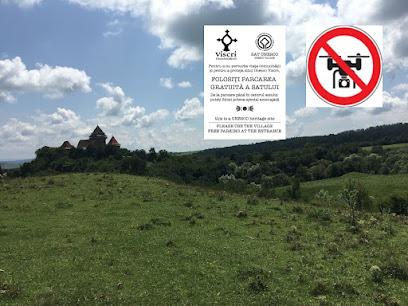
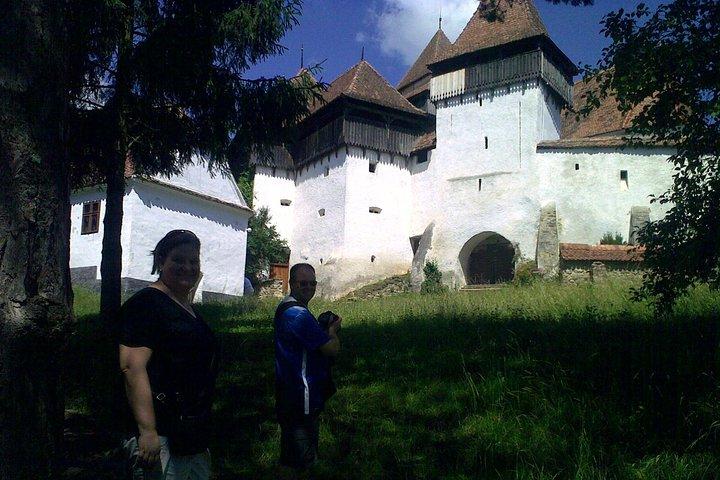
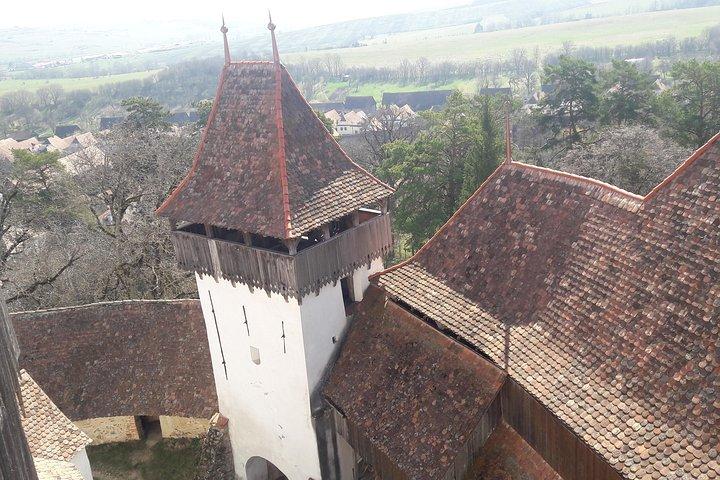
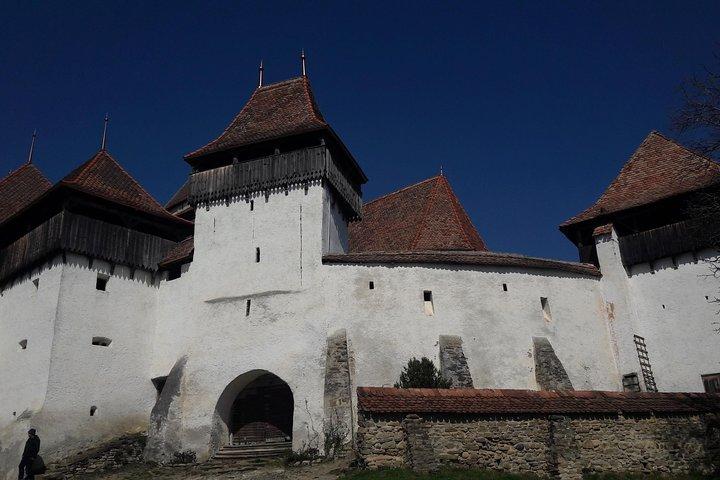
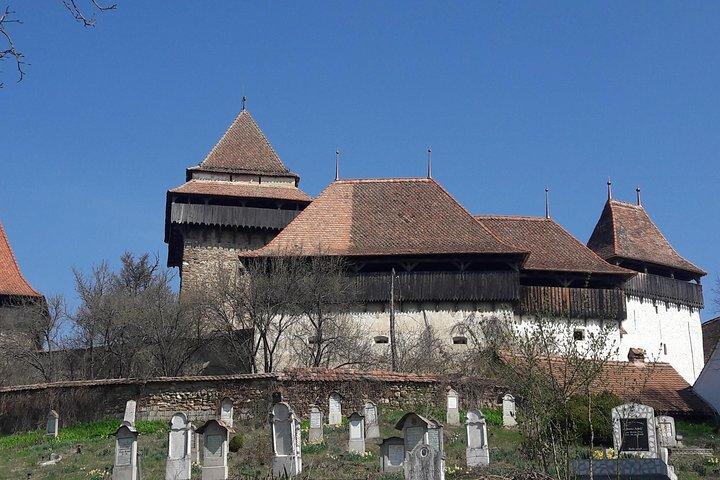
With a history that goes back to the 12th century, Viscri is today one of Romania’s most famous villages. Prince Charles’ repeated visits, its UNESCO World Heritage fortified church and the ceaseless activity of the local foundation Mihai Eminescu Trust have helped this small village dust off its last decades of oblivion. Viscri is right now one of Romania’s most popular off the beaten track attractions with plenty of activities for all those curious to discover the typical rural life from Transylvania. Besides its many traditional houses, part of the Saxon heritage of the community, Viscri is best-known for its white fortified church, first mentioned in 1400 as Alba Ecclesia. Historically, the church went through three construction phases. Its earliest foundations date back to the beginning of the 12th century when the local Szekler population built a small church. At the end of the same century, the Saxons took over this church while settling in the region. During the second phase that started sometime in the 13th century, the Saxons built the main tower on the west side and enlarged the nave of the church towards east. It’s during the third construction phase of the 15th century that the church was fortified, partially preserved until today as some of its fortifications were demolished after the Ottoman threat disappeared. .
120 minutes
Admission Not Included
Centrul Istoric Sighisoara
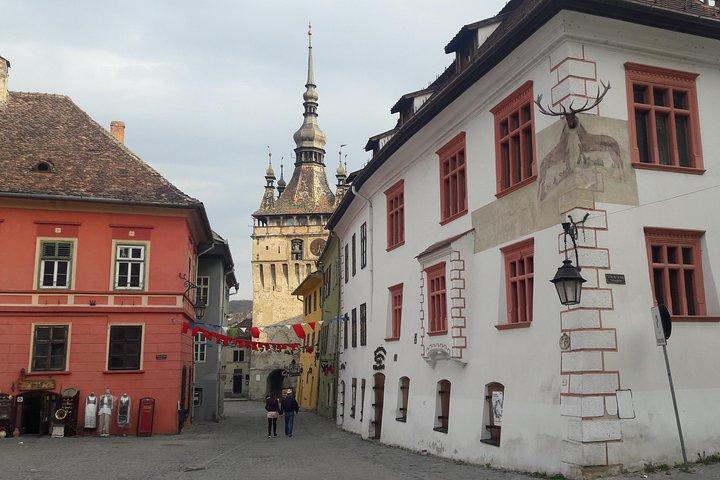
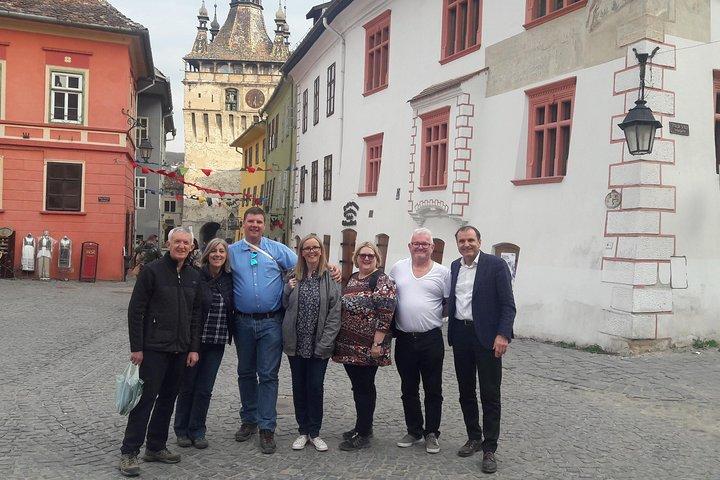
Sighisora is considered to be the most beatiful and well preserved inhabited citadel in Europe , with an authentic medieval arhitecture .Is one of the few fortified towns wich are still inhabited .Vlad Tepes, alias Dracula, was born in this city in 1431 and we will visit the house where the mysterious print was born.Central Sighisoara has preserved in a exemplary way the featuress off a small medieval fortified city ,it is been listed by the UNESCO as a World Heritage Site .
240 minutes
Admission Not Included
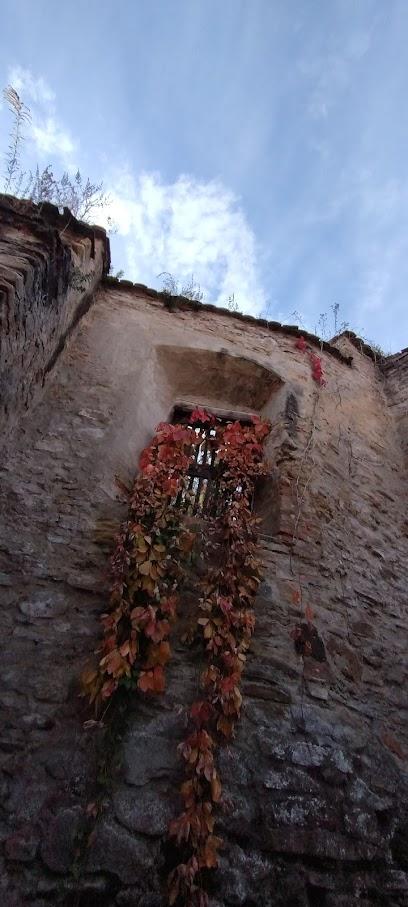
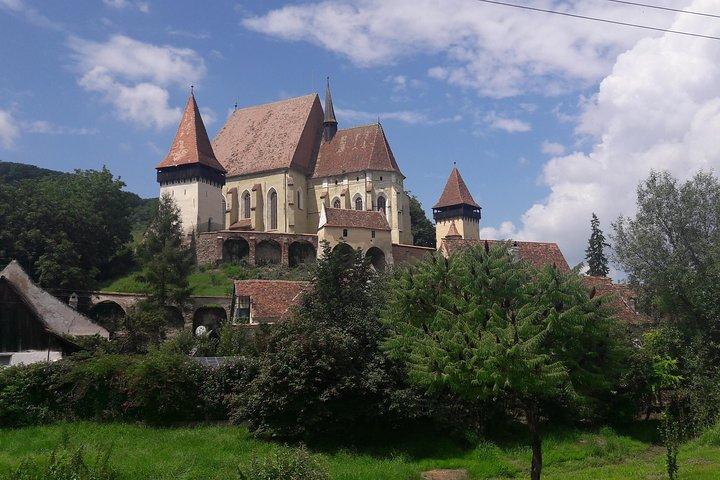
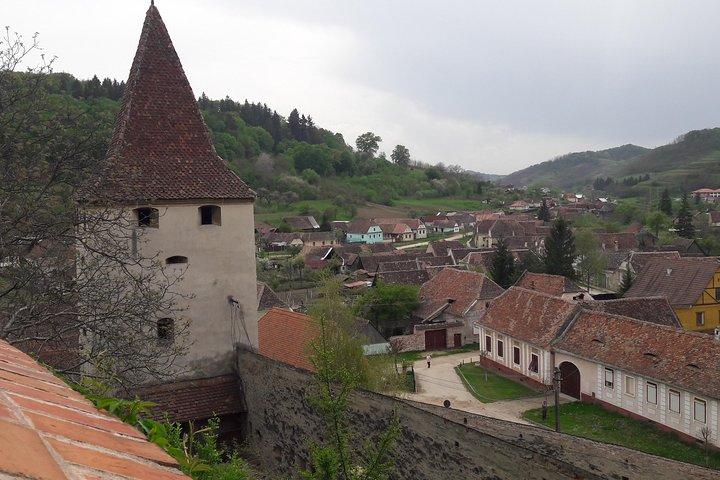
We will visit Biertan village built by Saxon colonists In the middle of the village is the largest and most imposing Saxon fortified church in Transylvania.It was built in the late 16th century in the late Gothic style.
60 minutes
Admission Not Included
Libearty Bear Sanctuary Zarnesti
Established in 2005, occasionally open to the public in 2008, located in the forest on the hill at the entrance in Zarnesti city, 2 km from national Park Piatra Craiului, on the road 73A Rasnov – Zarnesti – Sibiu in the former military camp, Zarnesti Libearty with an area of 69 hectares is the first nature reserve for captive bears in Romania. The Libearty Sanctuary was created in the memory of Maia, the bear and now it is home for 100 bears, rescued from a cruel and abusive life of captivity. The most of the bears in the Sanctuary were saved from the most miserable and small cages where they were only a reason of fun for restaurants, hotels, factories, gas stations, circuses or, even monasteries. For safety reasons, for the smooth running of the visits and for the welfare of the bears, children under 5 will not be allowed in the Libearty Bear Sanctuary. Please, be ready to present a document that certifies the age of your child/children.
60 minutes
Admission Not Included
Rasnov Citadel: Garden and Panoramic View
The Rasnov fortress has a very stratigical positioning the fortress was protected by its tall walls that are still standing even after almost 700 years. The fortress had the roll to protect the villagers in chase of attacks. Here you will be able to see the ruins of a catholic chapel, the defence towers and also the ruins of the aprox 80 houses, the school and the water well that was dug by 2 prisoners and is 146 m deep.
60 minutes
Admission Not Included
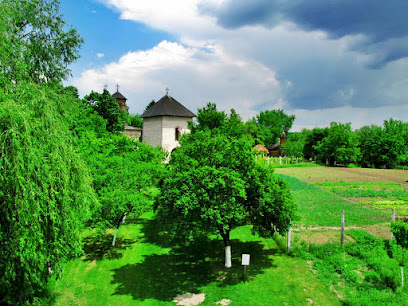
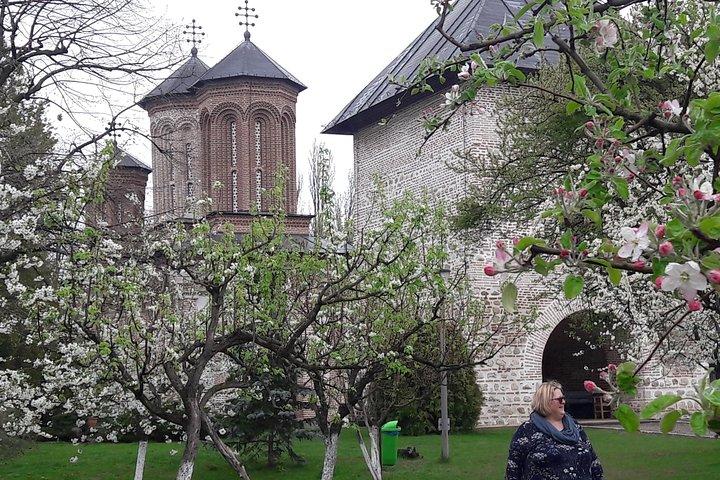
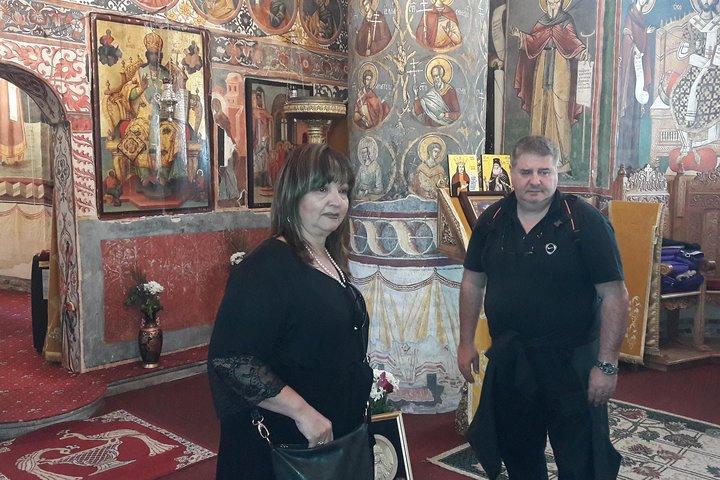
Located on a small island outside Bucharest, Snagov Church is considered to be one of the most important religious monuments in Southern Romania. The church, originally part of a monastery, enjoys this status since the medieval centuries when local princes endowed, strengthened and enlarged it in their effort of supporting the Orthodox Church. Strongly connected to the time of Vlad the Impaler who over the centuries inspired more or less accurately the myth of Dracula, Snagov Church was supposedly built on an ancient Dacian site. The religious monument was, however, mentioned for the first time in the second half of the 14th century when a local prince donated an entire village to the monastery. This practice was not unusual at the time, and more documents indicate even more donations in the next century from medieval princes like Mircea the Old or Vlad Dracul. The monastery’s church went through many changes over the centuries and it’s one the few parts of the monastery still standing today. The original frescoes done by Dobromir the Young in 1563 are only preserved in the narthex, the rest of the paintings dating from the 19th century. The importance of the medieval frescoes, beyond their artistic value and richness of detail, is enhanced by the large gallery of local princes painted on the walls of the church, this ensemble being one of the most beautiful in Southern Romania. Besides the church, only the belfry, the fountain and some ruins still stand today from what was once the powerful Monastery of Snagov. Built in a Byzantine style with local influences, the church has four towers, two above the altar, one above the nave and one above the narthex. The exterior of the church still has its original brick decorations, while some of the authentic decorative religious objects are exhibited today at the National Art Museum from Bucharest. The church of Snagov is also part of the many legends surrounding Vlad the Impaler. Although never proved, this famous medieval prince was supposedly buried here by the monks who found his body and kept the secret afraid of the Ottomans’ revenge. A symbolic tomb of the prince is placed inside the church, in front of the altar. True or not, the church is still one of the most beautiful places near Bucharest, its frescoes and scenic location on Snagov Lake making it a perfect destination for a trip outside the capital.
60 minutes
Admission Not Included
The experience can be subject to change due to bad weather or unforseen circumstances. We always endeavour to give you the best possible experience.
Additional Information
-
 Infants are required to sit on an adult’s lap
 -
Peles Castle is closed from 04.11 to 26.11
-
Peles Castle is closed Mon and Tue from 30.09.2019 to 10.05.2020
-
Peles Castle is closed on 28.04
-
Peles Castle is opened on 29 and 30.04.
-
Peles Castle is opened Wed to Sunday from 7.05 to 29.09
-
Public transportation options are available nearby
-
Suitable for all physical fitness levels
What our experts say
-
 Try local cuisine at Bella Muzica.
 -
Visit the Black Church in Brasov.
-
Explore the medieval streets of Sighisoara.
-
Don't miss the views from Rasnov Citadel.
-
Bring a camera for beautiful landscapes.

More About this Experience
Transylvania, the land of legends and enchanting landscapes, awaits adventurers with its Private Tour: Transylvania from Bucharest over three unforgettable days. This meticulously crafted experience invites travelers to immerse themselves in a tapestry of history, culture, and breathtaking scenery. Guests will be whisked away from their Bucharest hotel in a luxurious Mercedes V-Class van, ensuring the utmost comfort throughout their journey. The tour showcases magnificent castles like Peles and Bran, along with charming medieval citadels and old Saxon villages, each with its own story to tell. With an English-speaking guide leading the way, every moment is filled with captivating insights and local tales, making this not just a tour, but a journey through time. From the architectural wonders to the warm hospitality of the region, this experience is perfectly tailored for those seeking adventure, culture, and a touch of magic in the heart of Romania. Expect an enchanting blend of history and modern comfort on this private tour. Travelers will explore the architectural marvels of Peles Castle, a stunning summer residence of the Romanian royal family, and the iconic Bran Castle, steeped in the lore of Dracula. Along the way, guests will venture into the heart of Transylvania, visiting picturesque Saxon villages, fortified churches, and the charming city of Brasov, where stunning medieval architecture meets vibrant urban life. Each day is filled with delightful experiences, from savoring local cuisine (breakfast included) to enjoying the scenic landscapes of the Carpathian Mountains. The luxurious van is equipped with a refrigerator stocked with refreshments and free Wi-Fi, ensuring a comfortable and connected journey. The tour promises to create lasting memories, shared stories, and a profound appreciation for the cultural richness of Romania. This tour is designed for a diverse range of travelers, from history enthusiasts and architecture aficionados to families and solo explorers. Whether one is seeking a romantic getaway, a family adventure, or a solo quest for discovery, this experience caters to all. It is not just for the seasoned traveler but also for those looking to take their first leap into exploring new cultures and landscapes. With a focus on inclusivity, this tour welcomes individuals of all ages and fitness levels, ensuring everyone can partake in the wonders of Transylvania. Those who appreciate immersive experiences and authentic interactions with local history will find this tour particularly rewarding, making it a perfect fit for anyone with a sense of adventure. Booking this private tour means embracing the uniqueness of Transylvania in a way that large group tours simply cannot offer. With a personal guide dedicated to catering to individual interests and needs, travelers can enjoy a tailored experience that goes beyond the typical tourist path. The luxury of a private van allows for spontaneous stops and deeper explorations of hidden gems that are often overlooked. Additionally, the "skip the line" access at major attractions like Bran Castle and Peles Castle means more time savoring the sights and less time waiting in queues. This tour combines the allure of historical landmarks with the comfort of modern amenities, ensuring that every aspect of the journey is as enjoyable as it is enriching. Travelers rave about their experiences on this tour, praising the knowledgeable guides who bring the stories of Transylvania to life. Many highlight the seamless organization and the luxury of traveling in a comfortable van, which enhances the overall experience. Guests often mention the breathtaking views and the fascinating insights into Romania’s history and culture shared by their guide. The accommodations in Brasov receive positive feedback for their quality and convenient location, allowing for easy exploration of the city. Overall, the feedback reflects a deep satisfaction with the blend of adventure, relaxation, and cultural immersion, making it clear that this tour leaves a lasting impression and a desire to return to this magical region.



Your all‑in‑one travel companion app
Explore expert travel guides, compare and book tours, experiences, hotels, and more—all from the palm of your hand. Download now for seamless trip planning wherever your wanderlust takes you.


This is a popular product and the date you are looking for just sold out. Next available date is
