

San Salvador Island Travel Guide - Free Web & App
Your ultimate guide to San Salvador Island. Discover top landmarks, proposed trips, and local tips. Free on the web or via the Evendo companion app.


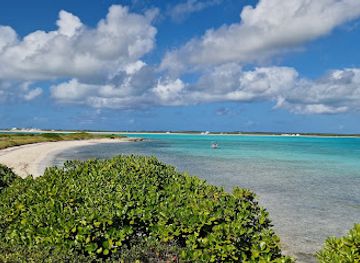
San Salvador Island, The Bahamas, pairs Columbus history with clear reefs, quiet beaches, lakes, diving and Lucayan heritage across a remote tropical island.
An Island of Reefs and Quiet Shores
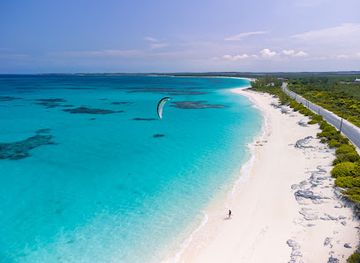
San Salvador Island lies in the eastern Bahamas, a relatively remote island of low limestone ridges, pale beaches, inland lakes and clear Atlantic water. It measures roughly 19 kilometres from north to south and is narrower across much of its length, making the landscape feel open and lightly settled. The main community is Cockburn Town, while scattered roads lead towards beaches, salt ponds, archaeological sites and the island's celebrated diving grounds. San Salvador is not a conventional resort destination: its appeal lies in space, exceptionally clear water, quiet roads and a strong sense of historical importance.Read more about San Salvador Island
History Above and Below the Water
Exploring San Salvador
When is the best time to visit San Salvador Island?
Best: January–March · 27–28°C| Month | High (°C) | Rainfall (mm) |
|---|---|---|
| January (best) | 27 | 61 |
| February (best) | 27 | 58 |
| March (best) | 28 | 56 |
| April | 29 | 50 |
| May | 30 | 45 |
| June | 31 | 40 |
| July | 31 | 39 |
| August | 31 | 39 |
| September | 31 | 44 |
| October | 30 | 50 |
| November | 29 | 56 |
| December | 28 | 61 |
Getting to and around San Salvador Island
How to get there
Transportation
Best attractions in San Salvador Island
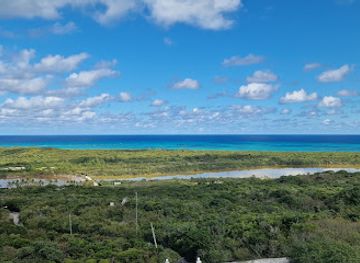
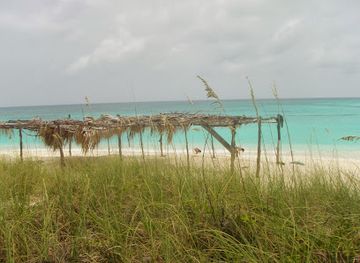
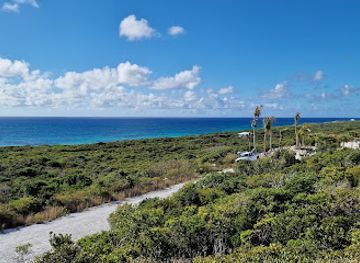
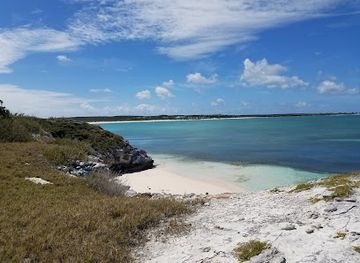
San Salvador's attractions combine historical sites with a largely undeveloped coastal and inland landscape. Long Bay is associated with Christopher Columbus's 1492 landfall and is marked by a commemorative monument, while nearby coastal stretches offer quiet beaches and open Atlantic horizons. Cockburn Town provides the island's main concentration of community buildings and historical interest, and the ruins of Watling's Castle reveal the remains of a plantation-era estate. Dixon Hill Lighthouse, set on the island's highest ground, is a prominent navigation landmark and viewpoint subject to local access conditions. Great Lake and Pigeon Creek introduce a different environment of shallow water, wetlands and bird habitat, with Great Lake National Park protecting part of the island's natural character. Offshore, coral reefs, walls and clear channels form San Salvador's principal diving and snorkelling attractions, although currents and weather determine what can safely be visited. Smaller coves, ponds and archaeological locations are best explored with local guidance rather than treated as fully serviced visitor sites.
-
Tourist attraction
Dixon Lighthouse
Discover the charm and maritime history of Dixon Lighthouse, a picturesque gem on the Bahamian coastline offering stunning views and rich heritage.
-
Hiking area
Grotto Bay Pavilion
Explore the breathtaking trails and serene landscapes of Grotto Bay Pavilion, a natural gem in Sugar Loaf Settlement, perfect for hikers and nature lovers.
-
Observation deck
Blue Hole Overlook
Experience the stunning vistas of the Caribbean at Blue Hole Overlook, a must-visit observation deck in Sugar Loaf Settlement.
-
Hiking area
North Point
Explore North Point in Dixons, a stunning hiking area with breathtaking views and diverse trails for all levels of adventurers.
Best landmarks in San Salvador Island
The most celebrated landmark on San Salvador is the Columbus monument at Long Bay, which commemorates the island's traditional identification with Guanahani and the 1492 landfall while sitting within a continuing historical debate. Dixon Hill Lighthouse is another defining feature: its elevated position and nineteenth-century maritime purpose distinguish it from the island's generally low limestone terrain. Watling's Castle, near Cockburn Town, consists of plantation-era ruins whose surviving walls evoke the island's colonial agricultural past rather than a defensive castle. Great Lake and the surrounding protected landscape are natural landmarks of ecological importance, linking shallow inland waters with wetland habitat and birdlife. Offshore reefs, coral formations and underwater walls are equally central to San Salvador's identity, although they are changing marine environments to be viewed responsibly rather than touched or collected from.
-
Historical landmark
Christopher Columbus First Landfall
Explore the rich history at Christopher Columbus First Landfall, a captivating landmark in Sugar Loaf Settlement celebrating Columbus's arrival in the New World.
-
Museum
Watling’s Castle
Discover the history and beauty of Watling's Castle, a serene museum in Cockburn Town, showcasing the rich culture of the Bahamas.
-
Historical landmark
San Salvador islas
Explore San Salvador Islas, a historical landmark in the Bahamas, where history meets breathtaking natural beauty for an unforgettable travel experience.
Explore San Salvador Island on the map
Plan your trip on one map. See where the top attractions, landmarks, restaurants and hotels are, and book hotels and experiences in a few clicks.
Best hotels in San Salvador Island
Best restaurants in San Salvador Island
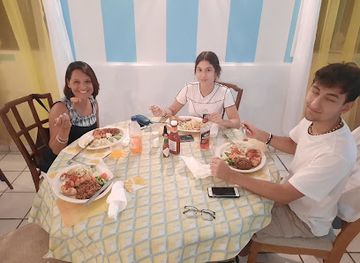
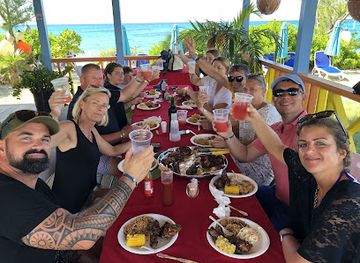
San Salvador's dining scene is small and closely connected to its accommodation providers and local community rather than organised around a restaurant district. Visitors can expect Bahamian cooking built around seafood, conch, fish, peas and rice, maize-based sides, fresh vegetables and fruit, with menus and availability varying according to supplies and the number of guests staying on the island. Cockburn Town is the main place to look for local meals and everyday provisions, while resorts and guesthouses may provide advance-arranged breakfasts, dinners or packed food for excursions. Fresh conch and fish form an important part of Bahamian food culture, but visitors should ask about the day's availability rather than assume a dish will always be served. Because shops and dining options are limited, arranging meals with accommodation and carrying suitable snacks and drinking water is sensible when travelling to beaches, lakes or dive sites.
-
 Resort hotel
Riding Rock Resort & Marina
Discover adventure and relaxation at Riding Rock Resort & Marina, your ultimate tropical getaway in Cockburn Town.
-
Hotel
The Sands Hotel
Discover serenity at The Sands Hotel on San Salvador Island – where comfort meets Bahamian charm amidst stunning natural beauty.
-
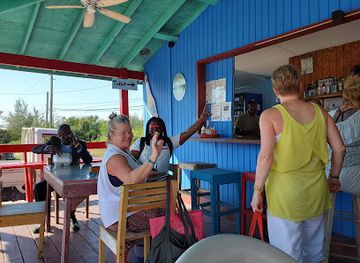
Bar
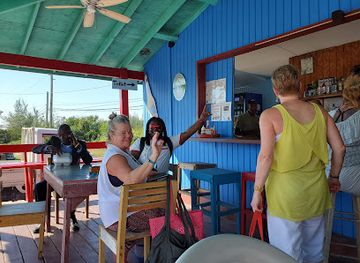
Wendy's Snack Bar And Liquor
Discover the laid-back charm of Wendy's Snack Bar And Liquor in Cockburn Town – your perfect stop for refreshing drinks and local flavors.
-
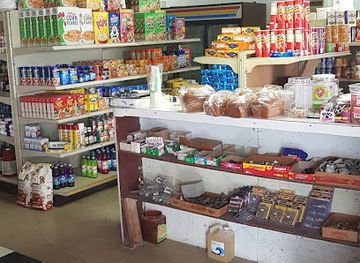
Grocery store
Dorette's
Discover local flavors at Dorette's in Cockburn Town - your ultimate grocery destination for authentic Bahamian treats.
Best bars in San Salvador Island
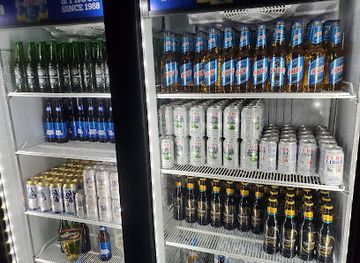
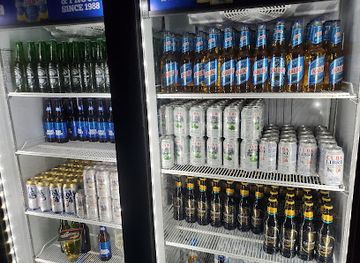
San Salvador has no substantial nightclub or late-night entertainment district, and evenings are generally quiet, social and tied to accommodation providers or local gathering places. Visitors may find a bar or drinks service at a resort, guesthouse or community venue, but opening arrangements and availability can be seasonal or dependent on resident guests. Cockburn Town offers the island's most likely setting for informal conversation and local hospitality, while evenings elsewhere are shaped by dark skies, sea air and the absence of urban noise. Organised cultural events and community occasions may provide entertainment when they take place, but they should not be assumed to run to a fixed visitor schedule. Those seeking extensive nightlife will need to look to larger Bahamian islands rather than San Salvador.
-
Hotel
The Sands Hotel
Experience tranquility and adventure at The Sands Hotel, your gateway to the stunning beaches and rich history of San Salvador Island.
-
Bar
Wendy's Snack Bar And Liquor
Discover the vibrant atmosphere of Wendy's Snack Bar And Liquor in Cockburn Town, where delicious snacks and refreshing drinks await every visitor.
-
Bar
Club Juice
Discover the vibrant nightlife at Club Juice, a must-visit bar in Cockburn Town offering delicious drinks and a lively atmosphere.
-
Restaurant
Columbus Tavern
Experience authentic Bahamian flavors at Columbus Tavern - a local favorite for delicious, affordable dining in Victoria Hill Settlement.
Best nightclubs in San Salvador Island
San Salvador has no substantial nightclub or late-night entertainment district, and evenings are generally quiet, social and tied to accommodation providers or local gathering places. Visitors may find a bar or drinks service at a resort, guesthouse or community venue, but opening arrangements and availability can be seasonal or dependent on resident guests. Cockburn Town offers the island's most likely setting for informal conversation and local hospitality, while evenings elsewhere are shaped by dark skies, sea air and the absence of urban noise. Organised cultural events and community occasions may provide entertainment when they take place, but they should not be assumed to run to a fixed visitor schedule. Those seeking extensive nightlife will need to look to larger Bahamian islands rather than San Salvador.
-
Bar
Club Juice
Discover the lively ambiance and refreshing cocktails at Club Juice, a top bar in Cockburn Town, perfect for unwinding and socializing.
-
Bar
The Shortstop
Experience the vibrant nightlife and local culture at The Shortstop, a lively bar in Dixons offering refreshing drinks and a welcoming atmosphere.
-
Resort hotel
Guanahani Beach Club
Discover luxury and relaxation at Guanahani Beach Club, a premier resort hotel in the stunning Bahamas, offering breathtaking views and unforgettable experiences.
-
Bar
Sunset Chill & Grill
Experience the vibrant atmosphere and stunning sunsets at Sunset Chill & Grill, the ultimate bar destination in Sugar Loaf Settlement, Bahamas.
Best shops in San Salvador Island
Shopping on San Salvador is limited and practical, with the greatest choice found around Cockburn Town and at businesses connected with local accommodation. Small shops may provide everyday provisions, drinks and basic travel needs, while visitors may encounter locally made crafts, artwork or souvenirs reflecting the island's marine environment and Bahamian culture. The most characteristic purchases are likely to be regional food products, handmade items and modest keepsakes rather than luxury goods or an extensive range of branded merchandise. There is no large permanent market or concentrated shopping quarter comparable with Nassau's commercial areas. Supplies for boat trips, beach visits and remote parts of the island are best obtained early, and visitors should avoid buying shells, coral, archaeological objects or wildlife-related products that may have conservation or export restrictions.
-
Island
San Salvador Island
Immerse yourself in the serene landscapes and rich history of San Salvador Island, a Bahamian paradise for beach lovers and adventure seekers.
-
Resort hotel
Only Blue - Diving Dreams
Experience the underwater wonders of the Bahamas at Only Blue - Diving Dreams, the ultimate diving resort in Cockburn Town, where adventure meets tranquility.
-
Resort hotel
Riding Rock Resort & Marina
Experience the enchanting beauty of Riding Rock Resort & Marina in Cockburn Town, Bahamas – where relaxation meets adventure on the stunning shores.
-
Grocery store
Dorette's
Discover the heart of Cockburn Town at Dorette's, a grocery store filled with local flavors and friendly faces.
Get your free copy of our complete guide to San Salvador Island, delivered straight to you.
Everything on this page, from attractions and restaurants to essentials and local phrases, in one PDF you can read offline, print or share.
Already have an account? Sign in
Your San Salvador Island guide is ready.
We'll send it to · Not you? Sign out

Getting your guide ready…
We are putting together a fresh copy of the San Salvador Island guide. This can take up to a minute.
This can take a few moments. If your browser asks, choose Allow so the download can start. You'll find the guide in your Downloads folder.
Nothing happened? Download it again
Sorry, the guide is taking longer than usual. Please try again in a minute, or get it by email instead.
San Salvador Island essentials
Currency and Payment
Safety
Emergency Situations
Do's and Don'ts
Local Tips
From Eve
Local phrases worth knowing
You don't need to get them perfect. A few words go a long way, and locals appreciate the effort.
Basics
| English | Local | Say it |
|---|---|---|
| Hello | Hey | [Hey] |
| Goodbye | Bye | [Bye] |
| Yes | Yeah | [Yeah] |
| No | Nah | [Nah] |
| Please/You're welcome | Please/You're welcome | [Please/You're welcome] |
| Thank you | Thank you | [Thank you] |
| Excuse me/Sorry | Excuse me/Sorry | [Excuse me/Sorry] |
| How are you? | How you doin'? | [How you doin'?] |
| Fine. And you? | I cool. You? | [I cool. You?] |
| Do you speak English? | You speak English? | [You speak English?] |
| I don't understand | I eh catch dat | [I eh catch dat] |
Eating & Drinking
| English | Local | Say it |
|---|---|---|
| I'd like to see the menu, please | I wan see di menu please | [I wan see di menu please] |
| I don't eat meat | I nah eat meat | [I nah eat meat] |
| Cheers! | Cheers! | [Cheers!] |
| I would like to pay, please | I wan pay please | [I wan pay please] |
Emergencies
| English | Local | Say it |
|---|---|---|
| Help! | Help! | [Help!] |
| Go away! | Go way! | [Go way!] |
| Call the Police! | Call de Police! | [Call de Police!] |
| Call a doctor! | Call a doctor! | [Call a doctor!] |
| I'm lost | I lost | [I lost] |
| I'm ill | I sick | [I sick] |
Shopping
| English | Local | Say it |
|---|---|---|
| I'd like to buy... | I wan buy... | [I wan buy...] |
| I'm just looking | I just looking | [I just looking] |
| How much is it? | How much dis is? | [How much dis is?] |
| That's too expensive | Dat too much money | [Dat too much money] |
| Can you lower the price? | Can you drop de price? | [Can you drop de price?] |
Time & Numbers
| English | Local | Say it |
|---|---|---|
| What time is it? | What time it is? | [What time it is?] |
| It's one o'clock | It one o'clock | [It one o'clock] |
| Half past (10) | Half past (10) | [Half past (10)] |
| Morning | Mornin' | [Mornin'] |
| Afternoon | Afternoon | [Afternoon] |
| Evening | Evenin' | [Evenin'] |
| Yesterday | Yestaday | [Yestaday] |
| Today | Today | [Today] |
| Tomorrow | Tomorra | [Tomorra] |
| 1 | 1 | [1] |
| 2 | 2 | [2] |
| 3 | 3 | [3] |
| 4 | 4 | [4] |
| 5 | 5 | [5] |
| 6 | 6 | [6] |
| 7 | 7 | [7] |
| 8 | 8 | [8] |
| 9 | 9 | [9] |
| 10 | 10 | [10] |
Transport & Directions
| English | Local | Say it |
|---|---|---|
| Where's a/the...? | Where dat...? | [Where dat...?] |
| What's the address? | What de address? | [What de address?] |
| Can you show me (on the map)? | Can you show me (on the map)? | [Can you show me (on the map)?] |
| When's the next (bus)? | When de next (bus)? | [When de next (bus)?] |
| A ticket (to ....) | A ticket (to ....) | [A ticket (to ....)] |
History of San Salvador Island
Limestone Island and Lucayan Settlement
San Salvador is a low limestone island formed from carbonate sediments and shaped by marine processes rather than mountains or rivers. Before European contact, the island was inhabited by Lucayan communities, part of the wider Taíno-speaking culture of the Bahamian archipelago. Archaeological evidence, including sites around inland lakes and coastal areas, shows that these communities used the island's marine resources and freshwater environments. Their history is central to understanding San Salvador, even though many traces are subtle and vulnerable to erosion, development and unauthorised disturbance.
Guanahani and the 1492 Landfall
San Salvador has traditionally been identified with Guanahani, the island recorded by Christopher Columbus as his first landfall in the Americas on 12 October 1492. Long Bay is commonly associated with this event and contains a monument commemorating the landing. The identification is not universally accepted: historians and navigators have proposed other Bahamian islands by interpreting Columbus's descriptions of distances, coastlines and neighbouring islands. San Salvador's historical importance therefore combines a powerful local tradition with an enduring scholarly debate rather than an uncontested geographical fact.
From Watling's Island to San Salvador
After European contact, the island's population and economy were affected by the wider upheavals of colonisation, including the destruction and displacement of Lucayan society. For centuries it was commonly known as Watling's Island, a name associated with the buccaneer George Watling in later tradition. Permanent settlement developed around Cockburn Town and nearby plantation properties, while salt-making, farming and maritime activity influenced local life. The ruins known as Watling's Castle preserve part of this plantation-era landscape, although the name refers to a historic estate rather than a medieval fortress.
Lighthouses, Communications and Island Life
San Salvador's elevated interior became important for navigation and communications in an otherwise low-lying archipelago. Dixon Hill Lighthouse, constructed in the late nineteenth century, remains one of the island's best-known landmarks and reflects the maritime infrastructure that supported shipping around the Bahamas. Cockburn Town continued as the island's principal settlement, with churches, homes and public buildings forming a modest community rather than a large urban centre. The island's isolation helped preserve a slower rhythm of life while also making transport, supplies and outside connections recurring practical concerns.
Conservation and Diving Heritage
During the twentieth century, San Salvador became increasingly known for scientific research, marine exploration and recreational diving as visitors recognised the clarity of its water, coral reefs and steep underwater walls. Protected areas, including the Great Lake National Park and marine conservation measures around the island, reflect efforts to safeguard wetlands, beaches, reefs and wildlife. Tourism remains small in scale, with accommodation and organised activities concentrated in a few locations. Conservation is consequently closely linked to the island's future, particularly where coral reefs, nesting beaches, freshwater habitats and archaeological sites are concerned.
San Salvador Island in Photos
Browse through our photo collection highlighting the charm and character of the destination.
Neighbouring destination travel guides
The closest destinations to San Salvador Island, if you have time for more than one.
-

-

-

-

-


Swipe for more destinations

