Traveling opens our eyes to new worlds, but it's often through the flavors of a place that we truly connect with its culture. For me, Amir Hosseini, a restorer of historical musical instruments and a passionate traveler, culinary arts have become an essential part of my journey. Together with my wife, Greta, our son, Kian, and sometimes even solo, I've discovered that learning to cook local dishes is more than just acquiring a new skill; it's a bridge to understanding and appreciating diverse traditions. Join me as I share my experiences and tips on how to blend cultures through cooking while traveling.
The Allure of Culinary Travel
Culinary tourism is on the rise, and for good reason. Food is a universal language. It transcends borders and speaks directly to our senses. It's a gateway to understanding the history, values, and customs of a place. I remember once being in a small village in Italy, where I was invited to help make pasta with a nonna. The way she kneaded the dough, the stories she told about her family, and the sheer joy of sharing the meal afterward – that was a profound cultural experience that no guidebook could ever replicate.
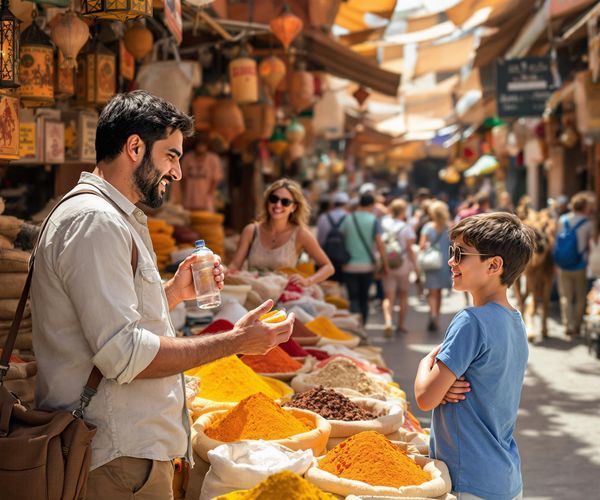
Another time, in Marrakech, the aromas of spices in the souks drew me into a world of vibrant colors and exotic flavors. Learning to prepare a tagine, from selecting the right spices to understanding the slow-cooking process, offered a deeper insight into Moroccan hospitality and family life. These culinary adventures have enriched my travels in ways I never imagined.
Finding Authentic Cooking Classes
The key to a truly immersive culinary experience is finding authentic cooking classes. I've learned that local tourism boards can be a great resource for finding classes that offer a genuine cultural immersion. Online platforms specializing in culinary experiences, like Cookly, Traveling Spoon, and EatWith, are also fantastic for connecting with local chefs and home cooks.
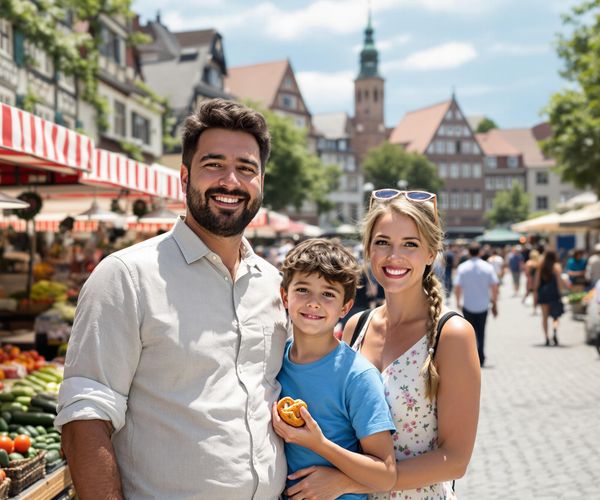
When choosing a class, look for those that focus on traditional techniques and local ingredients. A visit to the local market is often an integral part of these classes. Walking through the bustling aisles, seeing the colorful produce, and learning about regional specialties is an experience in itself. Don't hesitate to ask fellow travelers for recommendations, their firsthand experiences can be invaluable.
Engaging with Locals in the Kitchen
Cooking classes offer a unique opportunity to interact with local chefs and home cooks. Don't be shy! Ask questions, show genuine interest in their culinary traditions, and try to build a rapport. I've found that people are usually more than happy to share their knowledge and stories when they see your sincere curiosity.
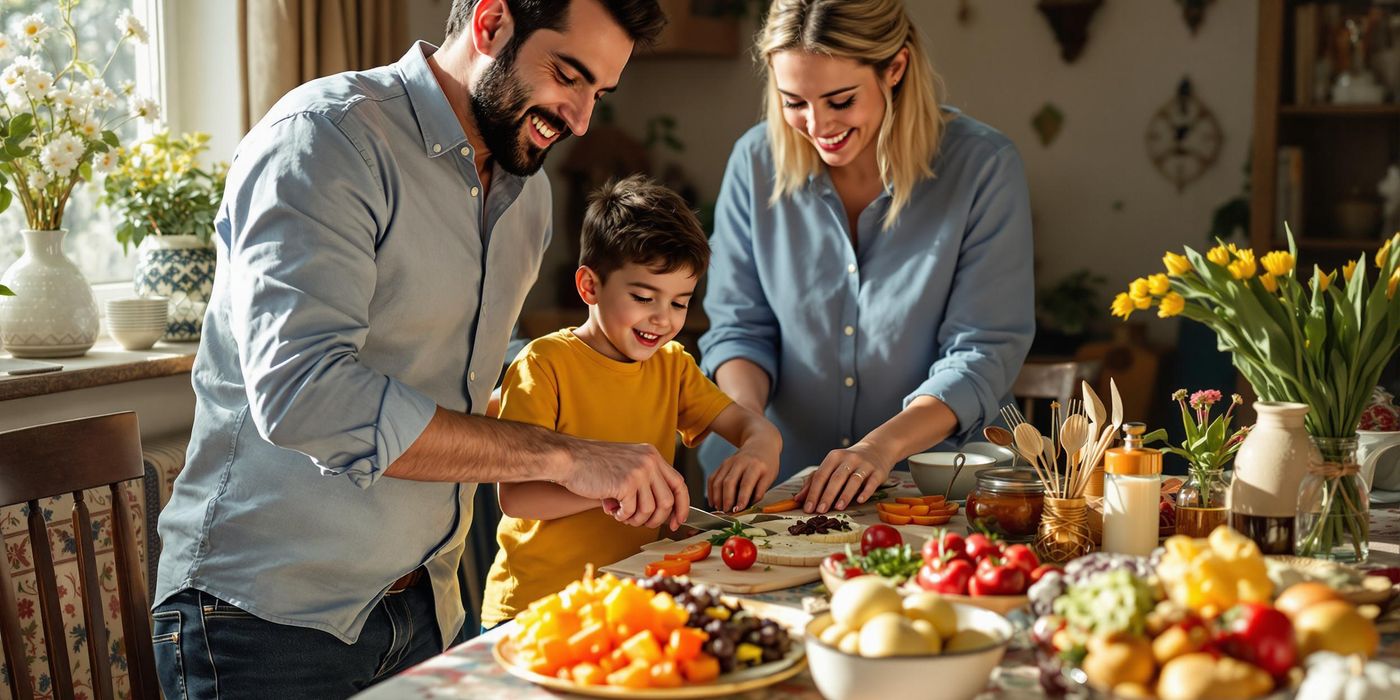
Learning about the stories behind the dishes and the cultural significance of ingredients can be just as rewarding as mastering the recipes themselves. During a recent trip to Thailand, Kian, my son, was fascinated by the art of carving vegetables. He spent hours learning from the chef, not just how to create beautiful garnishes, but also about the importance of presentation in Thai cuisine. It was a wonderful way for him to connect with the culture on a personal level.
Sharing Meals and Building Bridges
Sharing meals with locals is perhaps the most rewarding aspect of culinary travel. It's a chance to foster cultural exchange, build friendships, and create lasting memories. Before accepting an invitation to dine with a local family, it’s important to familiarize yourself with the local etiquette and customs related to dining. A little research goes a long way in showing respect and appreciation.
Reciprocating hospitality is always a nice gesture. Offer to help with the cooking, bring a small gift, or simply express your gratitude for their generosity. I remember once being invited to a traditional Persian Nowruz (New Year) celebration in a small town in Iran. I offered to help prepare ghormeh sabzi, a flavorful herb stew, and spent the afternoon chatting with the women in the kitchen. It was an incredibly special experience that I will always cherish.
Speaking of Persian cuisine, sharing it with new friends while traveling can be a unique cultural experience. The complex flavors and the art of slow cooking often spark interesting conversations and provide a glimpse into Iranian culture and history. I've often found that food is the best conversation starter.
Cooking as a Souvenir: Bringing Flavors Home
Don't let your culinary adventures end when your trip is over. Collect recipes and cooking techniques from your travels and bring those flavors home with you. Adapt the recipes to suit local ingredients and equipment, and don't be afraid to experiment.
Hosting international-themed dinner parties is a fantastic way to share your culinary experiences with friends and family. Recreating dishes learned during your travels and sharing them with loved ones is a way to keep those travel memories alive and fosters a deeper appreciation for other cultures. I often recreate the pasta dish I learned to make in Italy, and each time, I'm transported back to that small village and the warm hospitality of the nonna who shared her family's secrets with me.
Cooking international cuisine at home is more than just preparing a meal; it's a way to connect with the world, celebrate diversity, and keep the spirit of adventure alive in your everyday life. So, pack your bags, sharpen your knives, and get ready to embark on a culinary journey that will transform the way you see the world.
Discover how incorporating cooking into your travels can enhance cultural understanding. Learn tips on finding authentic cooking classes, engaging with locals, and sharing meals.