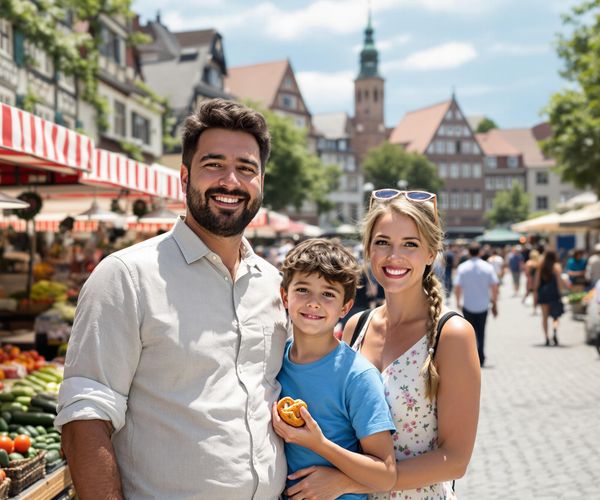
As a restorer of historical musical instruments, I find beauty and history in the most unexpected places. My travels with my wife, Greta, and our son, Kian, have taught me that local food markets are more than just places to buy ingredients; they are vibrant cultural hubs, echoing with stories and traditions. Here's how to navigate these flavorful destinations.
The Allure of Local Food Markets: A Cultural and Culinary Gateway
Local food markets are the heartbeats of their communities. They are much more than just places to purchase food; they offer a profound glimpse into the local way of life. You can observe regional culinary traditions, learn about local history, and experience the daily interactions of residents. These markets provide a sensory experience that goes beyond mere shopping.
During our travels, Greta, Kian, and I have stumbled upon some truly remarkable cultural insights within food markets. For instance, in a small village in Italy, we learned about the importance of family-run farms and the slow food movement simply by observing the vendors and their interactions with customers. These markets are living museums, preserving and showcasing the cultural heritage of a region.
Pre-Market Prep: Research and Planning
Before you even set foot in a local food market, a little research can go a long way. Knowing the market's opening days, hours, and specialties can significantly enhance your experience. Some markets are only open on certain days of the week, while others have specific items they are known for.
Identifying seasonal produce and regional delicacies is another crucial aspect of pre-market preparation. Knowing what's in season ensures you're getting the freshest and most flavorful ingredients. For example, if you're visiting a market in Germany during asparagus season (Spargelzeit), you'll know to look out for this local delicacy. Checking local blogs, social media, or tourism websites can also provide valuable information about market events or vendor highlights. These resources often feature insider tips and recommendations that can help you make the most of your visit.
Navigating the Market: Tips for a Successful Visit
Once you're at the market, there are several strategies you can employ to ensure a successful and enjoyable visit. Arriving early is often a good idea, as you'll have access to the freshest produce and a less crowded environment. Alternatively, going later in the day might present opportunities for bargains as vendors look to clear their stock.
Bringing cash in small denominations is essential, as many vendors may not accept credit cards. Reusable bags are also a must, both for carrying your purchases and for reducing your environmental impact. And of course, bring a sense of adventure! Be open to exploring new stalls, trying new foods, and engaging with the local culture.
Starting with a full loop of the market is a great way to get an overview of the offerings and prices before making any purchases. This allows you to compare products, identify the best deals, and plan your shopping strategy.
Engaging with Vendors: Building Connections and Discovering Stories
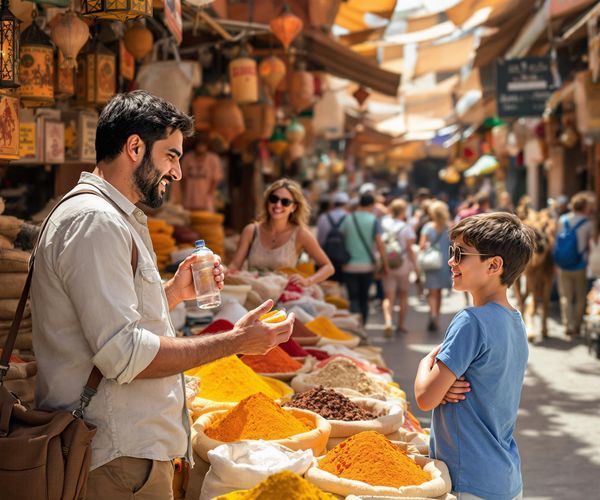
One of the most rewarding aspects of visiting local food markets is the opportunity to interact with vendors. Don't hesitate to ask about their products, their farming methods, or their production techniques. Most vendors are passionate about what they do and are happy to share their knowledge and stories.
When inquiring about ingredients and preparation techniques, be respectful and show genuine interest. You might be surprised by the wealth of information you uncover. Building relationships with vendors can also lead to insider tips and recommendations for future visits. In some cases, you might even make lifelong friends.
Tasting and Sampling: Experiencing Local Flavors
Sampling is an integral part of the market experience. Never hesitate to try new foods and take advantage of samples when offered. This is a fantastic way to discover new flavors and expand your culinary horizons. Be open to experimenting with unfamiliar ingredients and dishes; you might just find your new favorite food.
During our travels, we've discovered countless new favorite foods through market samples. In a market in Marrakech, we tried a variety of olives we had never seen before, each with its unique flavor and texture. These experiences have enriched our culinary repertoire and added to our appreciation of local cuisine.
Beyond the Food: Exploring Market Culture and Community
Local food markets often feature artisanal crafts, music, and other cultural experiences that go beyond the culinary realm. Take the time to explore these aspects of the market to gain a deeper understanding of the local culture. You might discover unique souvenirs, enjoy live music, or witness traditional performances.
During a visit to a market in Mexico, we were captivated by the vibrant atmosphere, complete with mariachi bands and traditional dance performances. These experiences added an extra layer of richness to our visit and provided a deeper connection to the local community.
Supporting Local and Sustainable Practices
By shopping at local food markets, you're not only enjoying fresh, delicious food but also supporting local farmers and producers. This is crucial for maintaining the economic viability of small-scale agriculture and preserving regional culinary traditions. Buying locally sourced food also has significant environmental benefits, as it reduces the carbon footprint associated with transportation and storage.
Local food markets play a vital role in promoting sustainable agriculture and preserving the cultural heritage of a region. By making conscious choices about where you shop, you can contribute to a more sustainable and equitable food system.
Explore the role of local food markets in cultural exploration and discover authentic local foods, interact with vendors, and enhance your culinary travel experience.