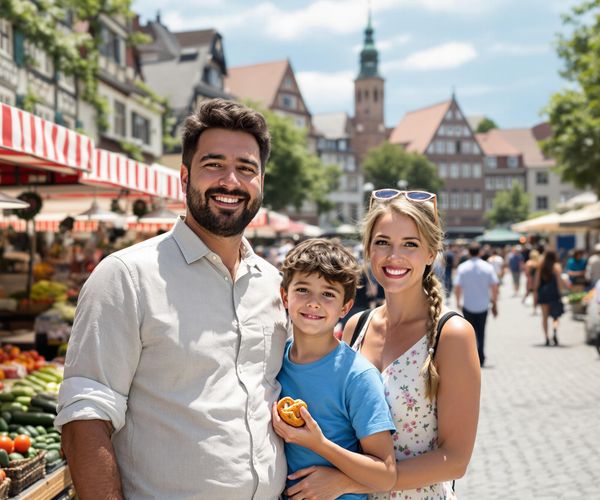

As a restorer of historical musical instruments, I’ve always been fascinated by the stories objects can tell. But nothing compares to the stories you hear directly from the people who keep traditions alive. Over the years, my travels with my wife, Greta, and our son, Kian, have become less about ticking off landmarks and more about truly connecting with the communities we visit. It's about understanding their culture, their history, and their daily lives. This approach, deeply rooted in cultural anthropology, has transformed our travel experiences in profound ways.
Understanding Cultural Anthropology in Travel
Cultural anthropology, at its core, is the study of human societies and cultures and their development. It’s about understanding the intricate web of beliefs, practices, values, and social structures that shape a community’s identity. When applied to travel, cultural anthropology encourages us to move beyond the surface level and delve into the heart of a place, fostering genuine connections and enriching our understanding of the world. It's not just about seeing; it's about understanding.
Engaging with local communities transforms travel from a mere sightseeing tour into an immersive learning experience. It allows us to witness firsthand how different cultures adapt to their environments, celebrate their heritage, and navigate the challenges of modern life. These interactions offer invaluable insights that no guidebook can provide. For example, in a small village in Iran, I learned about the intricate art of carpet weaving not just by observing the process, but by hearing the stories passed down through generations of weavers.
The benefits of cultural exchange are reciprocal. Travelers gain a deeper appreciation for diversity, challenge their preconceptions, and broaden their perspectives. Simultaneously, local communities have the opportunity to share their stories, preserve their traditions, and foster a sense of pride in their cultural identity. It’s a mutually beneficial relationship that promotes understanding and respect across cultures.
Building Trust and Rapport
Before embarking on any journey, it’s crucial to research the local customs and etiquette of the destination. Understanding the cultural norms, such as appropriate dress codes, dining customs, and social interactions, demonstrates respect and sensitivity towards the local community. This preparation can pave the way for more meaningful and authentic interactions.
Learning a few basic phrases in the local language is a simple yet powerful way to show respect and willingness to connect. Even a simple “hello” or “thank you” can go a long way in breaking down barriers and fostering goodwill. I remember attempting to speak a few words of Swahili during a trip to Tanzania; the smiles and warmth I received in return were incredibly rewarding.
Non-verbal communication plays a significant role in cross-cultural interactions. Being mindful of body language, gestures, and facial expressions can help avoid misunderstandings and build rapport. For instance, maintaining eye contact is considered respectful in some cultures, while it may be seen as confrontational in others. Paying attention to these nuances can greatly enhance communication and understanding.
Participating in Community Activities
Attending local festivals, events, and ceremonies provides a unique opportunity to immerse oneself in the cultural fabric of a community. These celebrations often showcase traditional music, dance, food, and crafts, offering a glimpse into the heart and soul of the local culture. Participating in these events allows travelers to connect with locals on a deeper level and share in their joys and traditions.
Volunteering for community projects and initiatives is a meaningful way to give back and contribute to the well-being of the local community. Whether it’s helping to build a school, clean up a park, or assist with a local charity, volunteering provides an opportunity to connect with locals, learn about their challenges, and make a positive impact. Greta and I once spent a week volunteering at a local library in a small town in Italy, and it was one of the most rewarding experiences of our travels.
Supporting local businesses and artisans is a tangible way to contribute to the economic sustainability of the community. Purchasing locally made products, dining at family-owned restaurants, and hiring local guides helps to ensure that tourism benefits the community directly. It also provides an opportunity to learn about traditional crafts, culinary techniques, and local ingredients.
Learning from Local Perspectives
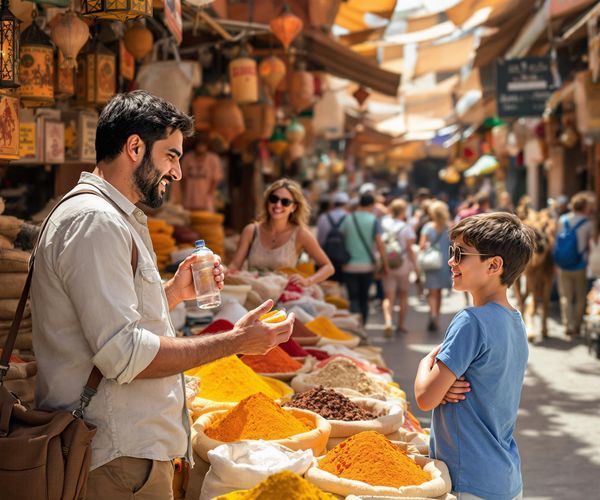
Engaging in conversations and storytelling with locals is perhaps the most enriching aspect of cultural immersion. Taking the time to listen to their stories, experiences, and perspectives can provide invaluable insights into their culture and way of life. These conversations can challenge our preconceptions, broaden our understanding, and foster empathy and connection. I've found that sharing a meal is a particularly effective way to encourage open and honest dialogue.
Seeking out local guides and community-led tours offers a unique opportunity to explore a destination through the eyes of a local. These guides can provide insider knowledge, share personal stories, and offer a perspective that is often missing from mainstream tourist experiences. Community-led tours also ensure that tourism benefits the local community directly, empowering them to preserve their heritage and share their culture with visitors.
Respecting local knowledge and traditions is paramount when engaging with local communities. Recognizing the value of their expertise, whether it’s traditional farming techniques, medicinal practices, or artistic skills, demonstrates humility and a willingness to learn. It also helps to preserve these traditions for future generations.
Responsible and Respectful Travel Practices
Dressing appropriately and respecting local norms is a fundamental aspect of responsible travel. Understanding the cultural expectations regarding attire, particularly in religious or conservative settings, demonstrates respect and sensitivity towards the local community. It also helps to avoid unwanted attention or offense.
Avoiding cultural appropriation and misrepresentation is crucial when engaging with other cultures. Cultural appropriation occurs when elements of a culture are taken out of context and used for commercial or entertainment purposes without understanding or respecting their original meaning. It’s important to be mindful of the potential harm caused by cultural appropriation and to instead seek to understand and appreciate the cultural significance of traditions and practices.
Being mindful of photography and obtaining consent is essential when capturing images of people and places. Always ask for permission before taking someone’s photo, and respect their wishes if they decline. Be particularly sensitive when photographing religious sites or ceremonies, and avoid taking photos that could be considered disrespectful or intrusive. A simple smile and a gesture can often work wonders.
Supporting sustainable tourism initiatives is a way to ensure that tourism benefits the environment and local communities in the long term. Choosing eco-friendly accommodations, participating in responsible tours, and supporting local conservation efforts helps to minimize the negative impacts of tourism and promote sustainable development. Look for certifications and accreditations that indicate a commitment to sustainability.
Minimizing environmental impact is a responsibility that all travelers should embrace. Reducing waste, conserving water and energy, and avoiding single-use plastics helps to protect the natural environment and preserve it for future generations. Consider packing reusable water bottles, shopping bags, and toiletries to minimize your environmental footprint.
Learn how to engage respectfully with local communities during travels for deeper cultural insights. Discover the benefits of cultural exchange and responsible travel practices.