
Why Learn Languages While Traveling?
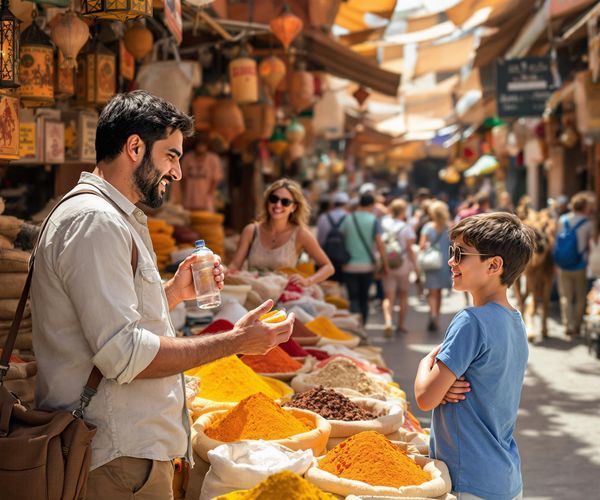
Imagine wandering through a bustling market in Marrakech, haggling for spices not just with your wallet, but with a few phrases of Darija. Or sharing a heartfelt conversation with a local artisan in Florence, discussing the history behind their craft in their native Italian. Learning a language while traveling isn't just about convenience; it's about unlocking a deeper level of cultural understanding and forging genuine connections.
Knowing the local language can transform your travel experience from a superficial observation to an immersive participation. It helps you navigate unfamiliar territories with greater ease, understand subtle cultural cues, and avoid unintentional cultural faux pas. Plus, it opens doors to unique experiences that are often inaccessible to those who don't speak the language. Whether it's getting invited to a family dinner in a remote village or uncovering hidden gems in a city, language skills can lead to unforgettable moments.
Beyond the practical benefits, learning a language boosts your confidence and fosters personal growth. It challenges you to step outside your comfort zone, embrace new perspectives, and develop a greater appreciation for linguistic diversity. Each new word learned is a small victory, contributing to a sense of accomplishment and empowerment.
Essential Phrases: Your Travel Starter Pack
Before embarking on any trip, I always equip myself with a few essential phrases in the local language. These phrases act as a bridge, allowing you to connect with locals on a basic level and show respect for their culture. Think of it as your travel starter pack – a collection of linguistic tools that can make your journey smoother and more rewarding.
Here are a few key phrases that every traveler should learn:
- Greetings: Hello (Hallo in German, Hola in Spanish, Bonjour in French), Goodbye (Auf Wiedersehen, Adiós, Au revoir)
- Basic Questions: Where is...? (Wo ist...? ¿Dónde está...? Où est...?), How much does it cost? (Wie viel kostet das? ¿Cuánto cuesta? Combien coûte? )
- Polite Expressions: Please (Bitte, Por favor, S'il vous plaît), Thank you (Danke, Gracias, Merci), You're welcome (Bitte, De nada, De rien)
Pronunciation is key! Don't be afraid to ask locals to correct you. Most people appreciate the effort and are happy to help. There are also many online resources and apps that can assist with pronunciation, allowing you to practice before and during your trip.
Language Learning Apps: A Digital Swiss Army Knife
In today's digital age, language learning apps have become indispensable tools for travelers. They offer a convenient and accessible way to learn new vocabulary, practice grammar, and improve pronunciation on the go. I like to think of them as a digital Swiss Army knife for language learners.
Here are a few popular language learning apps that I recommend:
- Duolingo: A gamified app that makes learning fun and engaging. It covers a wide range of languages and focuses on vocabulary building and basic grammar.
- Babbel: Offers structured courses designed to help you achieve conversational fluency. It focuses on practical dialogues and real-life scenarios.
- Memrise: Uses mnemonic techniques and spaced repetition to help you memorize vocabulary. It also features user-generated content, allowing you to learn from native speakers.
- Pimsleur: An audio-based program that focuses on pronunciation and conversational skills. It's a great option for learning while commuting or doing other activities.
- HelloTalk: Connects you with native speakers for language exchange. You can chat, video call, and correct each other's language skills.
Each app has its pros and cons, so it's important to find one that suits your learning style and goals. Experiment with different apps and see which one resonates with you the most.
Immersive Techniques: Dive into the Deep End
While language learning apps are a great starting point, nothing beats the effectiveness of cultural immersion. Immersing yourself in the local culture allows you to learn the language in a natural and authentic context. It's like diving into the deep end of the pool – challenging, but ultimately rewarding.
Here are a few practical immersion techniques that you can try:
- Engage in conversations with locals: Don't be afraid to strike up conversations with people you meet. Ask them about their lives, their culture, and their perspectives. Even a simple chat can be a valuable learning experience.
- Watch local TV and movies: This is a great way to improve your listening comprehension and learn about local customs and traditions. Start with subtitles and gradually reduce your reliance on them.
- Listen to music: Music is a universal language that can help you connect with a culture on an emotional level. Pay attention to the lyrics and try to understand their meaning.
- Read local media: Reading newspapers, magazines, and blogs can expose you to new vocabulary and provide insights into current events and cultural trends.
- Participate in cultural activities and events: Attend local festivals, concerts, and workshops. This is a great way to meet people, learn about local traditions, and practice your language skills in a fun and engaging environment.
Classroom on the Road: Language Classes and Workshops
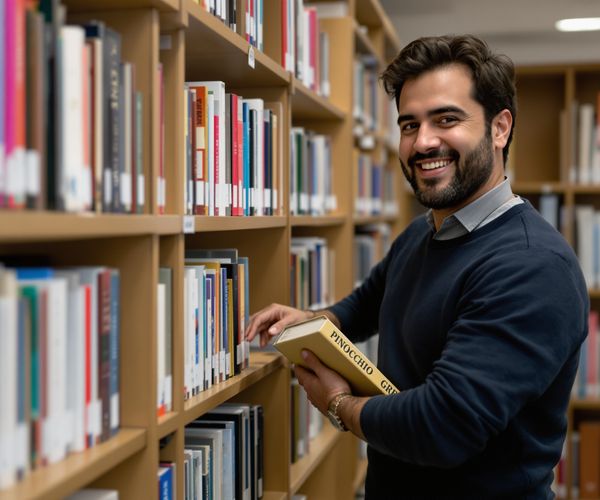
For a more structured approach to language learning, consider taking local language classes or workshops while traveling. These classes offer a focused learning environment with personalized feedback from instructors. It's like having a classroom on the road!
Here are a few tips on finding reputable language schools and courses:
- Research online: Look for language schools and courses that are accredited and have positive reviews.
- Ask for recommendations: Talk to locals and other travelers and ask for their recommendations.
- Visit the school in person: If possible, visit the school before signing up for a course. This will give you a chance to meet the instructors, see the facilities, and get a feel for the learning environment.
- Check the curriculum: Make sure the course covers the topics that you're interested in and that it's aligned with your learning goals.
The advantage of structured learning is that you receive personalized feedback and can address specific challenges with the guidance of an instructor, accelerating your learning process.
Beyond the Textbook: Real-Life Practice
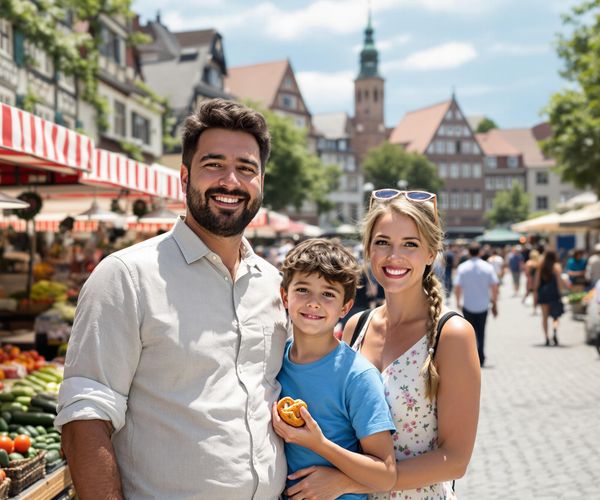
The real magic of language learning happens outside the textbook, in everyday situations. It's about applying what you've learned in real-life scenarios, such as ordering food, asking for directions, and shopping at local markets. These interactions provide valuable opportunities to practice your language skills and gain confidence.
Here are a few tips on how to practice language skills in everyday situations:
- Order food in the local language: Don't just point at the menu. Try to pronounce the names of the dishes and ask questions about the ingredients.
- Ask for directions: Even if you have a map or a GPS, ask a local for directions. This is a great way to practice your listening comprehension and learn new vocabulary.
- Shop at local markets: Interact with vendors, ask about the products, and haggle for prices. This is a fun and engaging way to practice your language skills and learn about local customs.
Embrace mistakes as learning opportunities and don't be afraid to communicate. Most people appreciate the effort and are happy to help you improve your language skills. Keep a travel journal to record new vocabulary and experiences, reinforcing your learning and creating a memorable record of your linguistic journey.
Leveraging Technology: AI and Translation Tools
While genuine language learning is always the goal, technology can be a helpful supplement, especially in tricky situations. Translation apps like Google Translate can be useful for quick communication, but should not be relied upon as a primary method of interaction. AI-powered language learning platforms can assist with grammar and vocabulary, offering personalized feedback and adaptive learning experiences.
Use these tools responsibly, and remember that the best way to learn a language is through human interaction and cultural immersion. Technology should enhance your learning, not replace it.
Maintaining Momentum: Keeping the Language Alive After Your Trip
The journey of language learning doesn't end when your trip is over. It's important to continue practicing and improving your language skills after returning home. This will help you retain what you've learned and prepare for future adventures.
Here are a few tips on how to maintain momentum:
- Join online language communities: Connect with other language learners and native speakers online. This is a great way to practice your language skills, share your experiences, and get support and encouragement.
- Watch foreign films: Continue watching foreign films and TV shows. This will help you maintain your listening comprehension and learn new vocabulary.
- Read books in the target language: Start with children's books or graded readers and gradually move on to more challenging material. This will help you improve your reading comprehension and expand your vocabulary.
- Plan future trips: The best way to stay motivated is to plan future trips to countries where the language is spoken. This will give you a goal to work towards and provide you with opportunities to use your language skills in real-life situations.
By incorporating language learning into your travels, you can transform your trips into enriching experiences. As I've learned through my own adventures, language is more than just a tool for communication; it's a key to unlocking cultural understanding and forging lasting connections.
Discover how to enhance your travels by learning new languages on the go. From essential phrases to immersive techniques, unlock deeper cultural connections and unforgettable experiences.