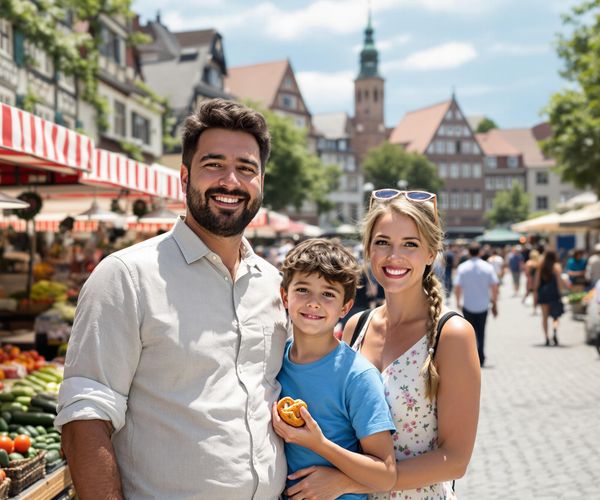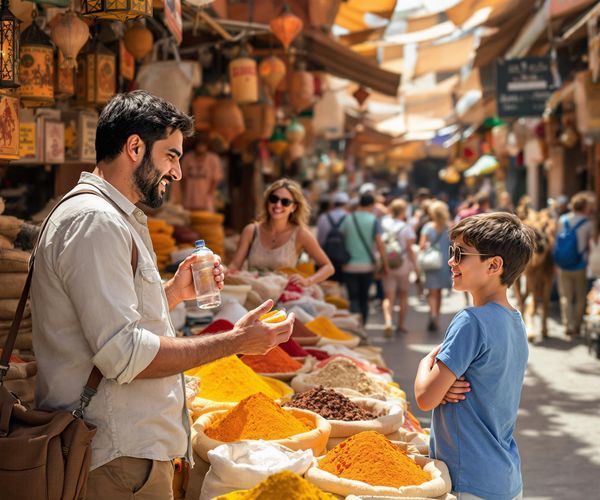

The allure of the open road, the freedom to work from anywhere, and the opportunity to expose your children to diverse cultures – the digital nomad lifestyle holds immense appeal for families. My family and I have been navigating this path for a few years now, and while it's not always easy, the rewards are immeasurable. Join me as I share our experiences and insights on how to balance work and family while embracing the digital nomad life.
Embracing the Digital Nomad Lifestyle as a Family
The digital nomad lifestyle offers families a unique blend of flexibility, cultural immersion, and quality time together. Imagine waking up in a new city every few weeks, exploring ancient ruins one day and relaxing on a pristine beach the next. For children, this constant exposure to different cultures and languages can be incredibly enriching, fostering open-mindedness and adaptability.
However, the reality of digital nomad life isn't always as idyllic as it seems. Balancing work demands with family needs, ensuring your children's education, and dealing with the constant change of scenery can be challenging. It requires careful planning, a strong sense of teamwork, and a willingness to adapt to unforeseen circumstances.
Time Management Strategies for Work and Family
Effective time management is the cornerstone of a successful digital nomad family. A structured daily routine that incorporates work, education, and leisure is essential. We've found that setting specific work hours and sticking to them as much as possible helps maintain productivity. Just as important is carving out dedicated family time, free from work distractions. This could be anything from a family game night to exploring a local market.
Prioritizing tasks and setting realistic goals is also crucial. It's easy to get overwhelmed by the sheer volume of things that need to be done, so breaking tasks down into smaller, more manageable steps can make a big difference. Greta and I use a shared online calendar to keep track of appointments, deadlines, and family activities, ensuring that everyone is on the same page.
Establishing clear boundaries between work and family time is paramount. When I'm working, I make it clear to Kian that I need uninterrupted time. Similarly, when we're engaged in family activities, I try to disconnect from work as much as possible. This helps prevent work from encroaching on valuable family time and allows everyone to fully enjoy the present moment.
Creating Effective Workspaces on the Go
Finding suitable workspaces is a key consideration for digital nomad families. When booking accommodations, we always look for family-friendly options with dedicated workspaces, such as a desk or a quiet corner. This allows me to focus on my work without being constantly interrupted.
Co-working spaces with childcare facilities are another great option, although they can be harder to find. These spaces provide a professional work environment while ensuring that your children are well-cared for. In certain cities, we have found ones that offer creative programs for children, which Greta and I both appreciate.
When neither of those options are available, setting up a portable workspace with essential items can be a lifesaver. A laptop stand, a portable monitor, and noise-canceling headphones can transform any space into a productive work environment. I also carry a small toolkit for making minor repairs to my musical instruments on the go.
Education on the Road: Options for Nomad Families
One of the biggest concerns for digital nomad families is ensuring their children's education. Fortunately, there are several options available, each with its own advantages and disadvantages.
Homeschooling with online curriculum providers is a popular choice, offering flexibility and customization. There are numerous platforms that provide structured lesson plans, virtual classes, and assessments. We supplement Kian's online learning with hands-on activities and real-world experiences, such as visiting museums, historical sites, and cultural events.
Virtual public and charter schools are another option, providing a more traditional educational experience with the added benefit of location independence. These schools typically follow a set curriculum and require regular attendance in online classes.
For families planning to stay in one location for an extended period, international schools and hybrid learning models may be a good fit. These schools offer a diverse learning environment and can provide a sense of stability for children who are constantly on the move.
Maintaining Family Well-being and Connection
The digital nomad lifestyle can be isolating, so it's important to actively build a support network with other digital nomad families. Online forums and social media groups can be a great way to connect with like-minded individuals, share experiences, and offer advice. We have met many wonderful families this way and have even arranged meetups in various locations around the world.
Prioritizing self-care and couple time is also essential. It's easy to get caught up in the demands of work and family, but it's important to remember to take care of your own needs as well. Greta and I make sure to schedule regular date nights, even if it's just a simple dinner at home after Kian goes to sleep. Taking time for ourselves allows us to recharge and reconnect, which ultimately benefits the whole family.
Dealing with homesickness and maintaining connections with loved ones back home can be challenging, but it's important to stay connected. Regular video calls, emails, and social media interactions can help bridge the distance. We also make sure to visit our families in Germany and Iran as often as possible.
Top Destinations for Digital Nomad Families
Choosing the right destination can make a big difference in the success of your digital nomad family adventure. Some cities are particularly well-suited to families, offering a combination of safety, education options, and community vibes.
Lisbon, Portugal, is a popular choice, with its beautiful beaches, family-friendly atmosphere, and growing digital nomad community. Chiang Mai, Thailand, is another favorite, offering a low cost of living, delicious food, and a rich cultural heritage. Barcelona, Spain, is a vibrant city with excellent schools, beautiful parks, and a thriving arts scene.
When choosing a destination, consider factors such as safety, education options, healthcare facilities, and the availability of family-friendly activities. It's also important to research the local culture and customs to ensure that it's a good fit for your family.
Addressing the Challenges: Practical Tips
Managing finances and creating a budget is crucial for digital nomad families. It's important to track your income and expenses carefully and to create a realistic budget that takes into account the cost of living in different locations. We use a budgeting app to monitor our spending and to ensure that we're staying on track.
Staying healthy with proper diet, exercise, and mental health practices is also essential. It's easy to fall into unhealthy habits when you're constantly on the move, so it's important to prioritize your well-being. We try to eat healthy meals, exercise regularly, and get enough sleep. We also make sure to take time for relaxation and mindfulness, such as meditation or yoga.
Avoiding burnout by slowing down travel and prioritizing rest is crucial for long-term sustainability. The constant change of scenery can be exciting, but it can also be exhausting. It's important to listen to your body and to take breaks when you need them. We've found that spending longer periods in one location can help us recharge and reconnect as a family.
Explore strategies for maintaining a work-life balance while traveling with family as a digital nomad, ensuring productivity and quality family time.