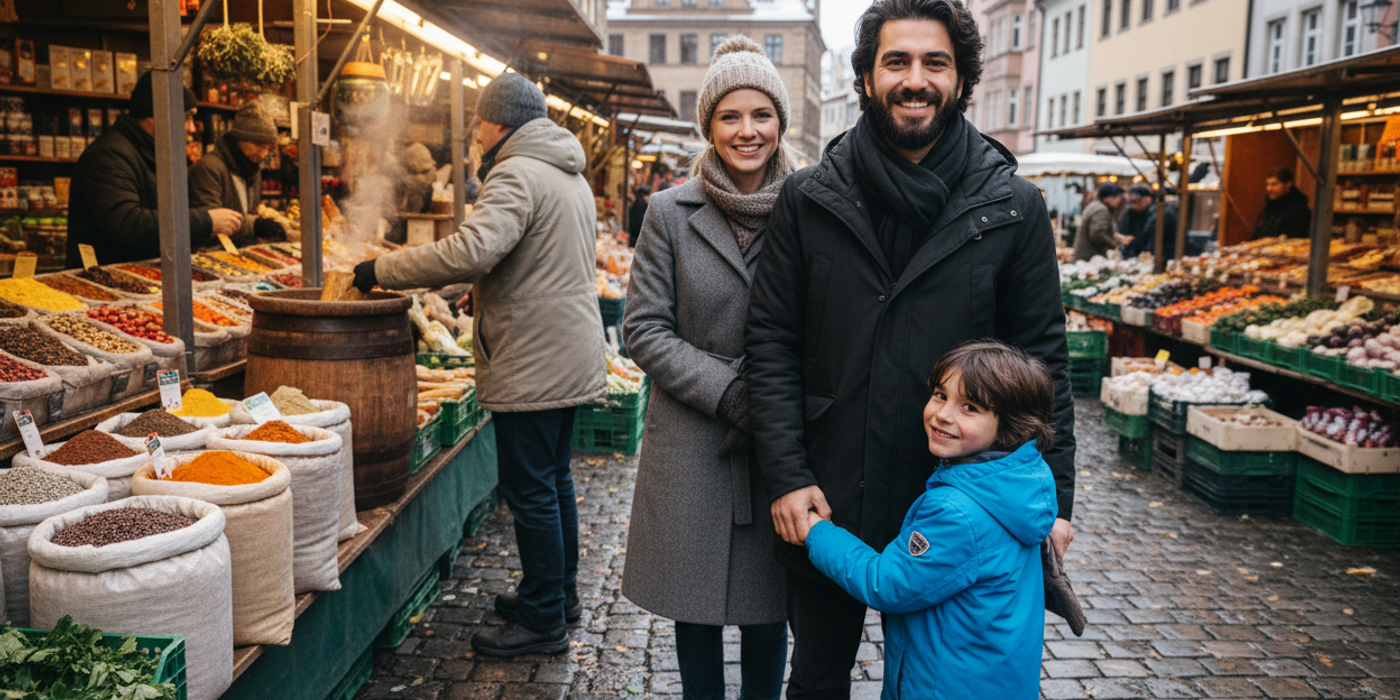
As a restorer of historical musical instruments, I've always been drawn to the stories objects and places hold. Travel, for me, is about connecting with different cultures and sharing those experiences. Photography has become my way of documenting these journeys, not just as a tourist, but as someone seeking to understand and appreciate the world's diverse tapestry. This guide is for those who, like me, want to capture the essence of a culture through their lens.
Choosing the Right Gear for Your Cultural Photography Journey
When embarking on a cultural photography journey, the gear you choose can significantly impact your experience. It's a balance between quality and portability, especially when you're navigating bustling markets or ancient ruins. For beginners, I often recommend starting with a versatile camera system, such as a mirrorless or DSLR, depending on your preference and budget. These offer a good balance of image quality and user-friendliness.
Lens selection is crucial. A versatile zoom lens, like a 24-105mm or an 18-55mm (depending on your camera's sensor size), is an excellent starting point. These lenses allow you to capture wide landscapes, detailed portraits, and everything in between without constantly swapping lenses. This is particularly useful when you want to be discreet and respectful in cultural settings.
Don't forget essential accessories. A comfortable camera strap is a must, especially for long days of walking and exploring. Extra batteries are non-negotiable – you don't want to miss a crucial moment because your camera died. Invest in high-quality SD cards with sufficient storage capacity to avoid running out of space. A small, lightweight camera bag or backpack is also essential for carrying your gear comfortably and securely.
Understanding Light: Capturing the Essence of a Place
Light is the soul of photography. Understanding how light interacts with your subject is essential for capturing the essence of a place. Natural light is your best friend when shooting cultural scenes. Pay attention to how the light changes throughout the day and how it affects the mood of your photos.
The golden hour, the period shortly after sunrise and before sunset, is a magical time for photography. The warm, soft light during these hours can add a dramatic and inviting feel to your images. Buildings glow, faces soften, and the world seems to come alive. Plan your shoots around these times to take full advantage of the beautiful light.
Don't shy away from shooting on overcast days. Overcast light can be incredibly flattering, especially for portraits. It provides a soft, even light that reduces harsh shadows and highlights colors and details. Use overcast days to capture the subtle nuances of a place, such as the intricate details of a building or the vibrant colors of a market.
A simple accessory that can make a big difference is a lens hood. A lens hood blocks stray light from entering the lens, reducing flare and improving contrast. This is especially useful when shooting in bright sunlight or when there are multiple light sources in the scene.
Composition Techniques: Framing Your Cultural Story
Composition is the art of arranging elements within your frame to create a visually appealing image. A well-composed photograph can draw the viewer in and tell a story without words. There are several composition techniques that can help you improve your travel photography.
The rule of thirds is a fundamental composition guideline. Imagine dividing your frame into nine equal parts using two horizontal and two vertical lines. Place key elements of your scene along these lines or at the points where they intersect. This creates a balanced and dynamic composition that is pleasing to the eye.
Leading lines are lines that guide the viewer's eye through the image. They can be roads, rivers, fences, or any other linear element that leads to the main subject. Use leading lines to create depth and draw the viewer into the scene.
Framing is another effective composition technique. Use natural elements like doorways, arches, or trees to frame your subject. This adds context and depth to the image, creating a sense of place. It also helps to isolate the subject and draw attention to it.
Symmetry can create a sense of balance and harmony in your photos. Look for symmetrical scenes, such as reflections in water or architectural details. Symmetrical compositions can be very powerful and visually striking.
Approaching People: Respect and Consent in Photography
When photographing people in different cultures, respect and consent are paramount. Always remember that you are a guest in their community, and it's essential to approach them with sensitivity and understanding. Before you even pick up your camera, take the time to research local customs and traditions. Understanding their values and beliefs will help you avoid unintentionally causing offense.
If you want to photograph someone, always ask for permission first. A simple smile and a polite request can go a long way. Be prepared for people to say no, and respect their decision. If they agree, take the time to interact with them and learn a little about their lives. This will not only make them feel more comfortable but also add depth to your photographs.
Learning a few basic phrases in the local language can be incredibly helpful. It shows that you're making an effort to connect with the community and build trust. Even simple phrases like hello, thank you, and may I take your picture can make a big difference.
When photographing children and vulnerable populations, it's essential to be extra cautious. Always obtain permission from their parents or guardians before taking their picture. Be mindful of their privacy and dignity, and avoid taking photos that could be exploitative or harmful.
Telling Stories: Capturing Authentic Cultural Moments
Travel photography is about more than just capturing pretty pictures. It's about telling stories and sharing experiences. Focus on capturing moments and interactions rather than just places. Look for the small details that make each culture unique, such as the way people greet each other, the food they eat, or the clothes they wear.
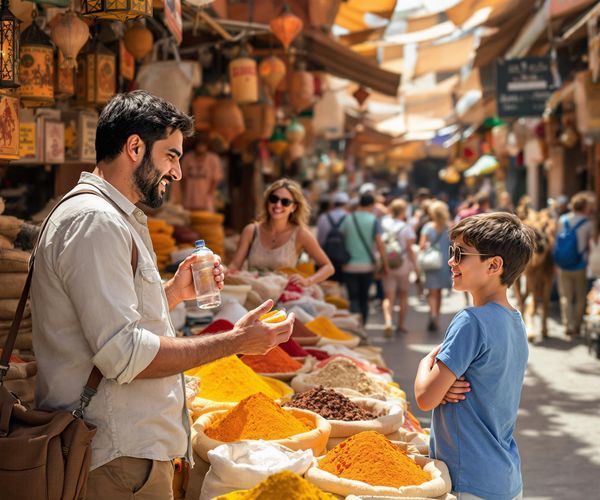
Capture the details that reflect the culture. The intricate patterns on a traditional textile, the vibrant colors of a spice market, or the unique architecture of a building can all tell a story. Pay attention to these details and use them to add depth and context to your photographs.
Spend time with locals to gain a deeper understanding of their lives. Attend a local festival, visit a family's home, or simply strike up a conversation with someone in a café. These experiences will give you a unique perspective and allow you to capture more authentic moments.
Finally, show respect by sharing your work with your subjects. If you take someone's picture, offer to send them a copy. This is a simple gesture that can go a long way in building relationships and showing your appreciation for their culture.
A beginner's guide to travel photography, focusing on capturing the essence of cultures and communities. Learn about gear, lighting, composition, and ethical considerations.