As a restorer of historical musical instruments, I've always been fascinated by the stories objects can tell. This fascination extends to my travels, where I strive to capture the essence of different cultures through my lens. Photography, for me, is more than just taking pretty pictures; it's about documenting moments, preserving memories, and sharing unique perspectives. Join me as I delve into the art of capturing culture through photography, offering tips and insights gleaned from my own adventures.
The Art of Visual Storytelling
Photography transcends mere documentation; it's a powerful tool for storytelling. A single image can evoke emotions, spark curiosity, and transport viewers to another time and place. When traveling, aim to capture not just landmarks but also the emotions, interactions, and daily life that define a culture. These are the elements that truly convey the essence of a place and its people.
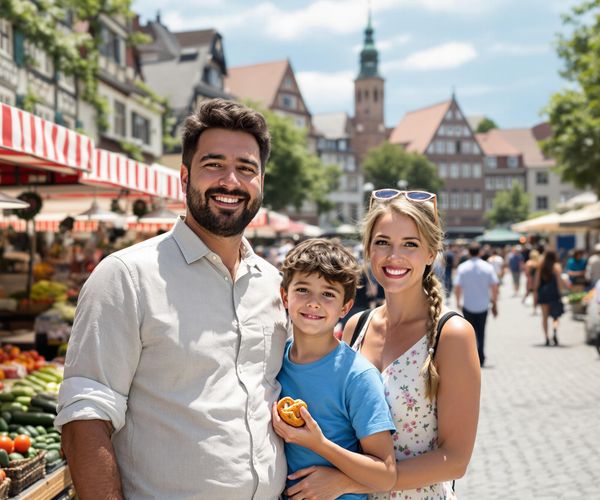
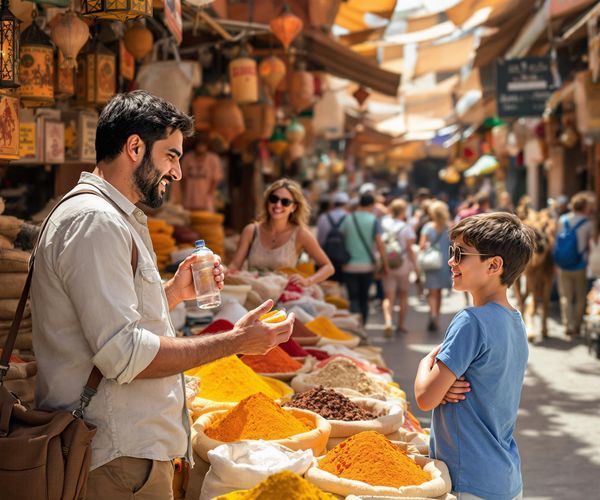
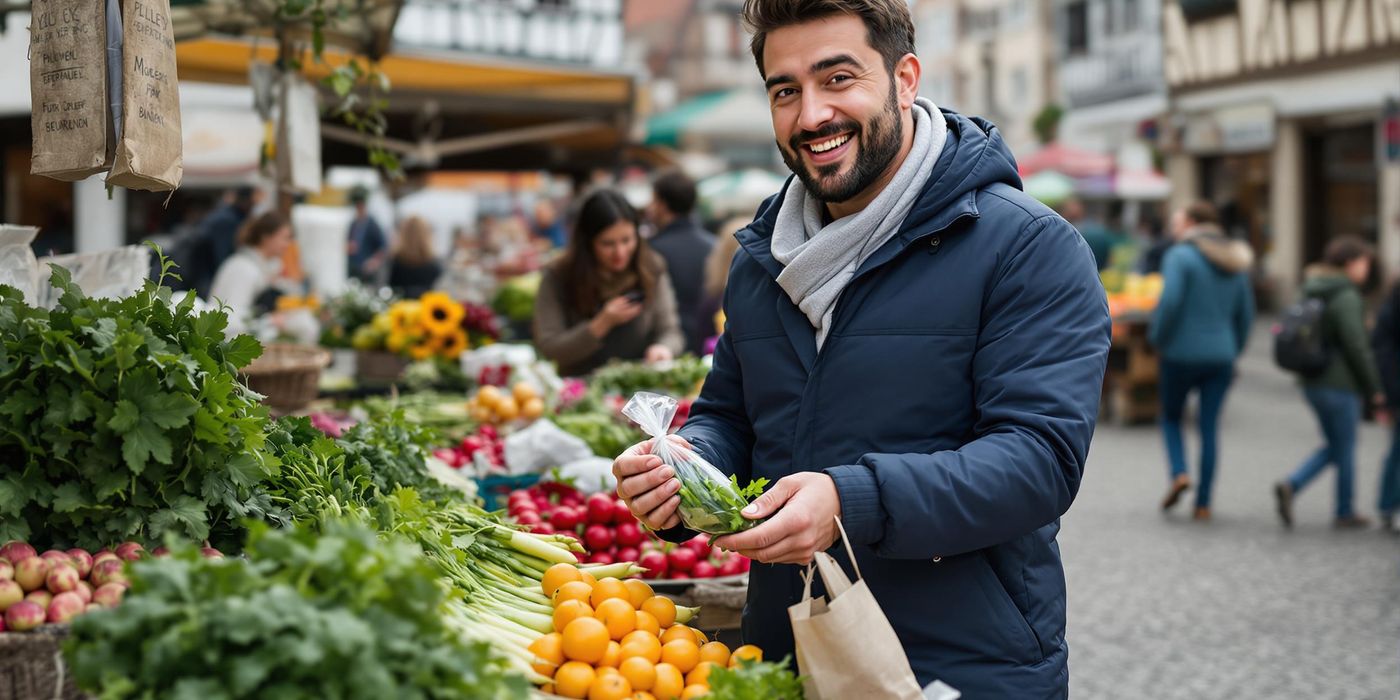
Consider how a series of photographs can create a narrative. For example, documenting a local market from dawn till dusk can tell a story about the community's economic life, social interactions, and culinary traditions. Or, following a craftsman through their daily routine can reveal the intricacies of their art and the cultural values embedded within it.
Gear Essentials for Cultural Photography
Choosing the right equipment is crucial for capturing compelling cultural photographs. While professional gear can be tempting, versatility and discretion are key when traveling. I've found that mirrorless cameras offer a great balance of image quality and portability, making them ideal for navigating crowded streets and bustling markets.
A zoom lens, such as a 24-70mm or 24-105mm, provides flexibility for capturing both wide-angle scenes and close-up portraits. A telephoto lens can also be useful for capturing details from a distance, but be mindful of its size and weight. Don't forget essential accessories like extra batteries and memory cards – you don't want to miss a crucial moment due to technical limitations.
Equally important is a good travel bag that can protect your equipment while remaining comfortable to carry. Opt for a discreet bag that doesn't scream 'expensive camera gear' to avoid unwanted attention. Remember, the best camera is the one you have with you, so prioritize portability and ease of use.
Composition Techniques to Highlight Culture
Composition is the language of photography, and mastering it is essential for creating visually compelling images. Techniques like leading lines, symmetry, and the rule of thirds can transform ordinary scenes into captivating photographs that draw the viewer's eye and tell a story.
Leading lines can guide the viewer's gaze through a scene, creating a sense of depth and direction. For example, a winding road leading to a hilltop village or a row of market stalls stretching into the distance can add dynamism to your photographs.
Symmetry, on the other hand, can create a sense of balance and harmony. Look for symmetrical patterns in architecture, landscapes, or even in the arrangement of objects in a market. The rule of thirds involves dividing your frame into nine equal parts and placing key elements along these lines or at their intersections. This technique can create a more visually appealing and balanced composition.
Don't forget the power of foreground elements. Adding a foreground element, such as a flower, a piece of architecture, or even a person, can add depth and context to your cultural scenes. Experiment with different angles and perspectives to find the most compelling composition.
Working with Light to Evoke Mood
Light is the lifeblood of photography, and understanding how to work with it is crucial for evoking the desired mood in your images. Different lighting conditions can dramatically affect the way a scene is perceived, so pay attention to the time of day and the quality of light.
The golden hour, the period shortly after sunrise and before sunset, is renowned for its warm, soft light that can add a magical touch to your photographs. The blue hour, the period just before sunrise and after sunset, offers a cool, ethereal light that can create a sense of mystery and tranquility.
Midday sun, on the other hand, can be harsh and unflattering, creating strong shadows and washing out colors. If you must shoot during midday, try to find shade or use a diffuser to soften the light. Natural light is your best friend when capturing authentic cultural images. Avoid using flash whenever possible, as it can be disruptive and create unnatural-looking results.
In low-light situations, such as religious ceremonies or night markets, you'll need to get creative. Use a tripod to stabilize your camera and allow for longer exposures. Increase your ISO setting, but be mindful of noise levels. Experiment with different shutter speeds and apertures to find the right balance between brightness and sharpness. Pay attention to how light and shadow can add contrast and emphasis to your photographs.
Respectful Engagement: Ethics in Cultural Photography
Cultural sensitivity and ethical considerations are paramount when photographing people and sacred sites. Remember that you are a guest in their community, and it's essential to respect their customs and traditions.
Always ask for permission before taking photos, especially in more conservative cultures. A simple gesture and a smile can go a long way. Be mindful of religious sites and ceremonies, and avoid photographing them if it's prohibited or disrespectful. Dress modestly and behave respectfully in these settings.
Avoid perpetuating stereotypes and misrepresentations in your visual storytelling. Seek to capture the diversity and complexity of the cultures you encounter. Be mindful of personal space and boundaries. Don't get too close to people without their consent. If someone asks you not to take their photo, respect their wishes.
Capturing Authentic Moments: Tips for Spontaneity
Some of the most captivating cultural photographs are those that capture unexpected moments of spontaneity. To capture these moments, you need to be observant, patient, and ready to react quickly.
Blend in with the local environment to become less obtrusive. Dress like the locals, learn a few basic phrases in their language, and try to adopt their customs. Interact with locals to gain their trust and capture more genuine expressions. Ask them about their lives, their traditions, and their perspectives. Be genuinely interested in what they have to say.
Be patient and wait for the right moment. Sometimes, it takes time to capture the perfect shot. Don't be afraid to linger in a place and observe the interactions around you. Keep your camera ready and be prepared to capture fleeting moments of cultural significance.
Post-Processing: Enhancing, Not Altering
Post-processing can play a role in enhancing the mood and clarity of your cultural photographs, but it's important to maintain authenticity and avoid excessive manipulation. Use editing software to adjust exposure, contrast, and color balance. Correct imperfections, such as dust spots or chromatic aberration.
However, avoid making drastic changes to the colors or composition of your photographs. The goal is to enhance the existing elements, not to create false representations. Be mindful of the ethical implications of post-processing. Don't use it to distort reality or to create misleading impressions of a culture.
Remember, the most important aspect of cultural photography is to capture authentic moments and to share them in a respectful and ethical manner. By following these tips, you can create photographs that not only document your travels but also tell meaningful stories about the cultures you encounter.
Discover how to use photography to tell stories and capture the essence of the cultures you experience. Learn about gear, composition, lighting, and ethical considerations.