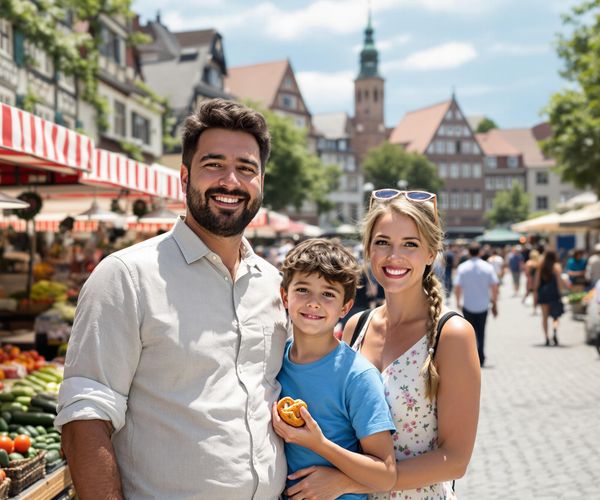

As a restorer of historical musical instruments, I've always believed that music is more than just sound; it's a portal to understanding cultures, histories, and the very soul of a place. Traveling with my family, my wife Greta and our son Kian, has only deepened this conviction. Music isn't just something we listen to; it's an active participant in our adventures.
The Universal Language: How Music Connects Us
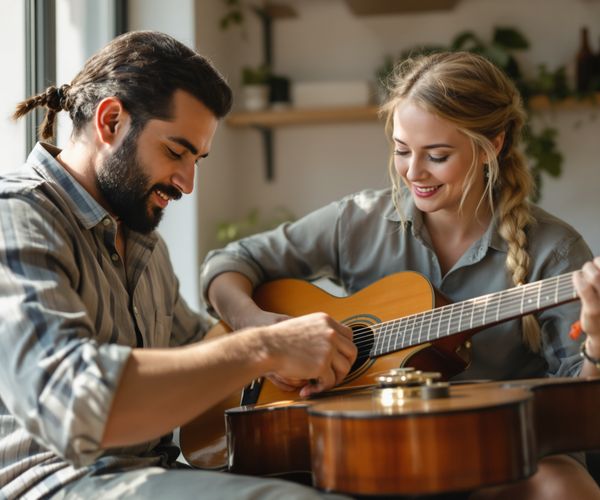
Music truly is a universal language. It transcends the barriers of spoken words and connects people in profound ways. I remember once in a small village in Italy, I couldn't speak a word of Italian, but when I started humming a familiar tune on my Tar (a traditional Iranian instrument), an elderly gentleman joined in, playing along on his mandolin. We communicated through the music, sharing a moment of pure connection that bypassed any linguistic divide. These experiences underscore music's power to act as a cultural bridge, fostering understanding and empathy between people from different backgrounds.
Finding the Local Beat: Tips for Discovering Authentic Music Scenes
Discovering authentic local music scenes requires a bit of adventurous spirit and a willingness to venture off the beaten path. Forget the typical tourist traps; the real gems are hidden in local listings, community cultural centers, and, most importantly, word-of-mouth recommendations. Ask locals where they go to listen to music. Chat with shopkeepers, café owners, and fellow travelers. Often, the best experiences are found in unassuming venues tucked away in side streets. Don't be afraid to explore! A little curiosity can lead you to a truly unforgettable musical experience.
Immersing Yourself: Attending Local Music Festivals and Events
Attending local music festivals is like stepping into the heart of a culture. The energy is palpable, the atmosphere is vibrant, and the music is infectious. Take, for example, the Galway International Arts Festival in Ireland, where traditional Irish music fills the streets and pubs, creating an immersive cultural experience. Or consider the Notting Hill Carnival in London, a celebration of Caribbean culture with pulsating rhythms and vibrant costumes. These festivals offer a deep dive into regional musical traditions, providing a unique opportunity to connect with the local community and experience their music firsthand.
Beyond the Concert Hall: Exploring Music in Everyday Life
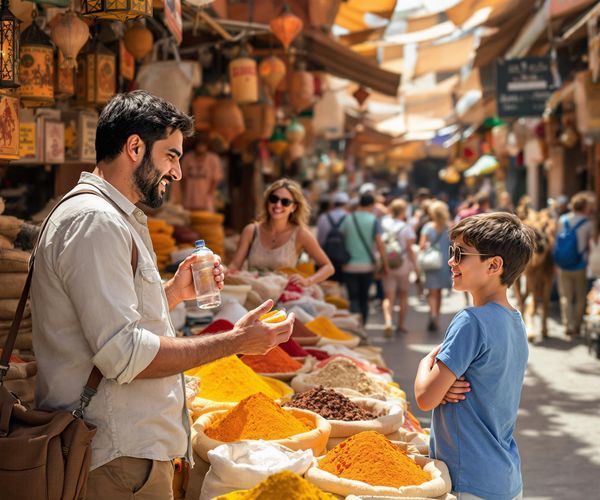
Music isn't confined to concert halls; it permeates everyday life. Keep your ears open in cafes, public spaces, and even religious ceremonies. During a trip to Morocco, I stumbled upon an impromptu gathering in a small courtyard where musicians were playing traditional Gnawa music. The hypnotic rhythms and soulful melodies transported me to another world. These unexpected musical moments are often the most memorable, offering a glimpse into the authentic culture of a place. Embrace the spontaneity and allow yourself to be surprised by the music that surrounds you.
A Family Affair: Sharing Musical Experiences with Loved Ones
Sharing musical experiences with family, especially children, adds a new dimension to travel. My son, Kian, has developed a keen ear for music, and he loves discovering new sounds and rhythms. When we travel, we make it a point to involve him in the local music scene. We might attend a children's concert, visit a musical instrument museum, or simply listen to street musicians together. These experiences not only expose him to different cultures but also create lasting memories that we cherish as a family. For example, Kian still talks about the time he got to play a traditional drum during a festival in Spain. These moments are priceless.
Preserving the Sound: Supporting Local Musicians and Traditions
It's crucial to support local musicians and preserve regional musical traditions. As travelers, we have a responsibility to contribute to the cultural heritage of the places we visit. One way to do this is by buying local music. Purchase CDs, vinyl records, or digital downloads directly from the musicians or local shops. Attend concerts and performances, and consider donating to cultural organizations that support music education and preservation. By investing in the local music scene, we help ensure that these traditions continue to thrive for generations to come. Tourism can play a vital role in sustaining cultural heritage, but it requires conscious effort and a commitment to responsible travel.
The Soundtrack of a City: Music as a Reflection of Place
The music of a place is a reflection of its history, culture, and identity. Take, for example, the city of New Orleans, where jazz music is deeply ingrained in the city's DNA. The soulful melodies and improvisational spirit of jazz tell a story of resilience, creativity, and cultural fusion. Or consider the vibrant tango scene in Buenos Aires, Argentina, where the passionate music and dance reflect the city's romantic and melancholic soul. By listening to the music of a place, you can gain a deeper understanding of its character and connect with its people on a more meaningful level. Music provides a unique lens through which to view and appreciate the world.
Explore how immersing in local music scenes can enhance your travel experience and cultural understanding.