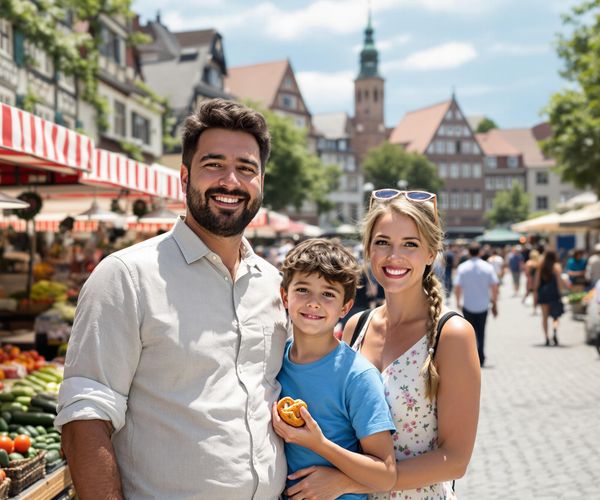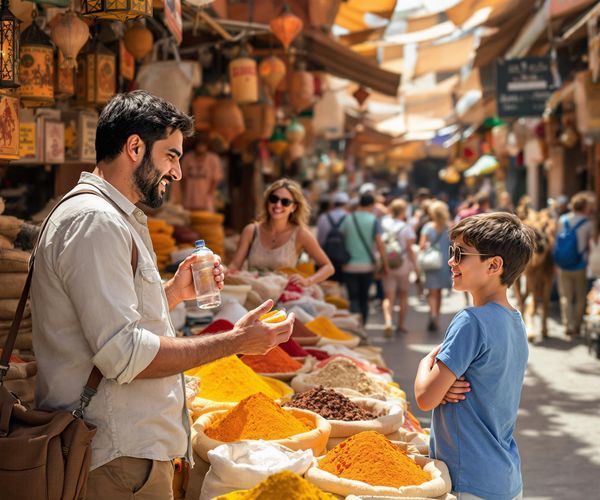

As a restorer of historical musical instruments, I've always been drawn to the stories and traditions embedded within different cultures. Now, as a father, I'm eager to share that passion with my son, Kian. Traveling with young children can be challenging, but it's also an incredible opportunity to open their eyes to the world and foster a lifelong appreciation for diversity. Here are some tips I've learned on how to make travel a culturally immersive experience for the whole family.
Planting the Seeds of Cultural Curiosity Before You Go
Preparation is key to sparking a child's interest in a new culture. Before our trips, I make sure to involve Kian in the planning process.
We start by exploring our destination through age-appropriate books, documentaries, and online resources. For instance, before our trip to Italy last year, we watched a cartoon about Roman history and read a picture book about Venice. This gave Kian a basic understanding of what to expect and made him excited to see these places in person.
Learning a few basic phrases in the local language together is another fun and educational activity. Even simple greetings like Buongiorno or Gracias can enhance interactions with locals and show respect for their culture. Kian loves practicing these phrases and using them when we arrive.
Finally, I try to explain the concept of culture to Kian in a way he can understand. We talk about how different people have different customs, traditions, and ways of life, and why it's important to be open-minded and respectful of these differences.
Choosing Destinations with Cultural Immersion in Mind
When planning a family trip, I always consider destinations known for their rich history, unique traditions, and opportunities for cultural exchange. Europe is a treasure trove of such places, with its diverse cultures and fascinating historical sites.
However, cultural immersion isn't limited to famous landmarks and tourist attractions. In fact, some of the most authentic experiences can be found off the beaten path. Smaller towns, rural areas, and community-based tourism initiatives often offer a more intimate glimpse into local life. For example, instead of just visiting Rome, consider spending a few days in a small Tuscan village to experience the Italian countryside and connect with local artisans.
It's also important to consider your family's interests when choosing a destination. If your child is passionate about music, like Kian, consider visiting Vienna, the city of Mozart and Strauss. If they're fascinated by history, explore the ancient ruins of Greece or the medieval castles of Germany. Aligning your destination with your family's interests will make the experience more engaging and memorable for everyone.
Engaging Activities for Little Explorers
Once you've chosen your destination, it's time to plan some engaging activities that will immerse your child in the local culture. Museums and historical sites can be a great starting point, but it's important to seek out interactive exhibits and guided tours designed for children.
Many museums offer special programs and activities that make learning fun and memorable. For example, the Deutsches Museum in Munich has a dedicated children's area where kids can conduct science experiments and learn about technology in a hands-on way. Local festivals and celebrations are another fantastic way to immerse yourselves in the local culture. Whether it's a traditional dance performance, a religious procession, or a harvest festival, these events offer a glimpse into the heart and soul of a community.
Don't forget about culinary experiences! Taking a cooking class, visiting local markets, and trying new dishes together can be a delicious way to explore the destination's cuisine. Kian and I once took a pizza-making class in Naples, and it was one of the highlights of our trip to Italy. We learned about the ingredients, the techniques, and the history of this iconic dish, and we got to eat our creations afterward!
Finally, don't underestimate the power of storytelling and folklore. Sharing stories and legends related to the places you visit can bring the past to life for your child and spark their imagination. Before visiting the Black Forest in Germany, I told Kian tales of mythical creatures and magical forests, which made our hike through the woods even more enchanting.
Making Connections with Locals
One of the best ways to experience a culture is to connect with the people who live there. Encourage your child to interact with local children by visiting parks, playgrounds, or community events. Kian loves playing soccer with kids in different countries, and it's a great way for him to make new friends and learn about their lives.
Supporting local businesses and artisans is another way to connect with the community and contribute to the local economy. Instead of buying souvenirs from chain stores, shop at markets and craft fairs where you can find unique, handmade items. You'll not only get a special memento of your trip, but you'll also be supporting local artists and entrepreneurs.
If possible, arrange a visit to a local school or community center to learn about daily life and traditions. This can be a eye-opening experience for both you and your child, and it can help to break down stereotypes and foster understanding.
Embracing Flexibility and Spontaneity
Traveling with children requires flexibility and a willingness to adapt to unexpected situations. Be prepared to adjust your plans based on your child's interests and energy levels. Some days, Kian might be eager to explore every museum in town, while other days he might just want to relax by the pool or play in the park.
Embrace unexpected opportunities for cultural exchange, such as a chance encounter with a local musician or an invitation to a family gathering. These spontaneous moments can often lead to the most memorable and meaningful experiences.
Remember that the most important thing is to have fun and enjoy the journey together. Don't get too caught up in ticking off all the items on your itinerary. Instead, focus on creating lasting memories and fostering a love of travel in your child.
Documenting and Reflecting on Your Adventures
Encourage your child to keep a travel journal with drawings, photos, and stories about their experiences. This is a great way for them to process their memories and reflect on what they've learned. Kian loves drawing pictures of the places we've visited and writing about his favorite moments.
Share your travel stories with friends and family to inspire others to explore the world with their children. You never know, your adventures might encourage someone else to embark on their own cultural journey.
Finally, take time to reflect on how these cultural experiences have shaped your child's understanding of the world and their appreciation for diversity. Traveling with children is not just about seeing new places; it's about fostering empathy, curiosity, and a lifelong love of learning.
Traveling with young children can be challenging, but it's also an incredible opportunity to open their eyes to the world and foster a lifelong appreciation for diversity. Here are some tips on how to make travel a culturally immersive experience for the whole family.