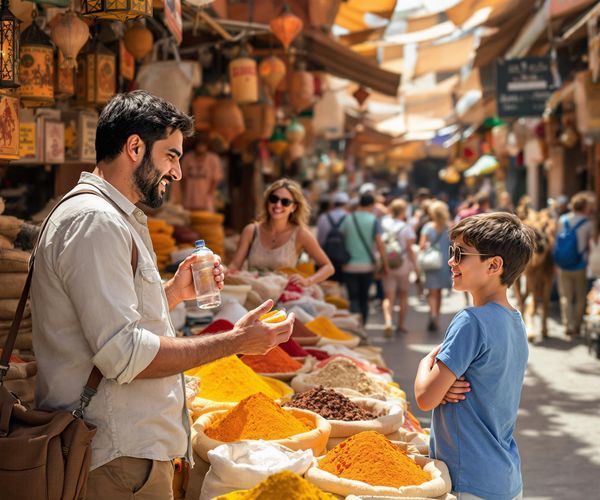

As a restorer of historical musical instruments, I've always felt a deep connection to the past. My wife, Greta, a librarian specializing in rare books, shares this passion, and we've instilled it in our son, Kian. Together, we embark on adventures that weave history into the fabric of our lives. I want to share some tips on how you can maximize your historical experiences when visiting museums and historical sites.
Planning Your Historical Adventure
The journey begins long before you set foot in a museum or wander through ancient ruins. Thorough research is key to a rewarding experience.
- Start by researching museums and historical sites that pique your interest. Websites are your best friend here. Look beyond the main attractions and discover hidden gems that align with your specific historical passions.
- Check websites for details on current exhibits, special activities, and family programs. Many museums offer interactive experiences that bring history to life, especially for children.
- Consider your interests. Are you fascinated by ancient civilizations, the Renaissance, or perhaps the history of music? Aligning your museum choices with your personal interests ensures a more engaging and memorable visit.
- Always check for discounts and special offers. Many museums offer reduced admission for students, seniors, and children. Look into library passes or programs like 'Museums for All' for potential savings.
- Timing is everything. Check opening hours, closure days, and any special events that might impact your visit. Consider visiting during off-peak times to avoid crowds and have a more intimate experience.
- Buy tickets online to skip the queues, especially during popular seasons. This simple step can save you valuable time and energy.
- Estimate tour time to plan your day effectively. Rushing through exhibits can detract from the experience. Allow ample time to absorb the information and appreciate the artifacts.
- Don't forget to pack essentials like snacks, water, comfortable shoes, and a camera to capture your memories.
Engaging with Exhibits and Artifacts
Once you're inside, it's time to immerse yourself in history. Don't just passively observe; actively engage with the exhibits and artifacts.
- Encourage questions and discussions about what you're seeing. This is especially important when traveling with children. Ask them what they find interesting and why.
- Use open-ended questions to stimulate their curiosity and critical thinking. For example, instead of asking Is this old?, ask What do you think this was used for?
- Explore exhibits online beforehand to identify key interests. Many museums offer virtual tours and detailed information on their websites. This can help you prioritize what you want to see in person.
- Consider creating scavenger hunts or challenges to make the experience more fun, especially for younger travelers. This encourages them to actively seek out specific information and artifacts.
- Allow flexibility and follow personal interests. If something captures your attention, don't hesitate to deviate from your planned route and explore it further.
- Make the visit interactive by touching, exploring, and playing with exhibits where possible. Many museums now offer hands-on displays and interactive technology to enhance the learning experience.
- Don't forget to look around at the building itself. The architecture, gardens, and outdoor spaces often hold historical significance and can provide additional context to the exhibits inside.
Connecting with Local History and Experts
To truly understand the history of a place, it's essential to connect with the local community and tap into their knowledge and expertise.
- Engage with local history organizations and experts. These groups often offer unique insights and perspectives that you won't find in guidebooks.
- Find local history hubs and community groups. These groups are passionate about preserving and sharing their local history.
- Attend local history events and conferences. These gatherings provide opportunities to learn from experts and connect with other history enthusiasts.
- Visit local libraries and archives. These repositories hold a wealth of primary source materials, such as letters, diaries, and photographs, that can bring history to life.
- Follow historical sites' social media accounts. Many museums and historical sites use social media to share behind-the-scenes information, announce special events, and engage with their audiences.
- Find primary source material related to the site. Seeking out original documents and artifacts can provide a deeper understanding of the historical context.
- Connect with local historians or knowledgeable community members for guided walking tours. Their personal stories and insights can add a unique dimension to your experience.
Tips for Family Visits
Traveling with family, especially young children, requires careful planning and consideration. Here are some tips to ensure a smooth and enjoyable experience for everyone:
- Set expectations and explain the rules of the museum before you enter. This will help avoid misunderstandings and ensure that everyone is on the same page.
- Plan visits that suit children's age and energy levels. Don't try to cram too much into one day. Shorter, more focused visits are often more effective.
- Allow time for breaks and rest. Museums can be overwhelming, especially for young children. Regular breaks will help prevent fatigue and meltdowns.
- Involve children in planning the visit. Let them choose which exhibits they want to see and research the topics beforehand. This will make them feel more invested in the experience.
- Pack a bag with essentials like snacks, water, and books. This will help keep everyone comfortable and entertained, especially during long waits or breaks.
- Use museum's educational facilities and family audio tours. These resources can provide valuable insights and enhance the learning experience for both children and adults.
- Set a time limit to avoid fatigue. It's better to leave wanting more than to overstay your welcome and leave everyone feeling exhausted and overwhelmed.
- Consider developmental stage of children when planning. Different age groups have different attention spans and interests. Tailor your visit accordingly.
- Ensure space for buggies and seating for families. Navigating a crowded museum with a stroller can be challenging. Check if the museum offers stroller rentals or has designated seating areas for families.
Making History Relevant
History is not just about dates and facts; it's about understanding the human experience and connecting the past to the present. Here are some ways to make history relevant and meaningful:
- Connecting past events to present-day values and interests. Explore how historical events have shaped the world we live in today and how they continue to influence our lives.
- Using storytelling and narrative approaches. History is full of fascinating stories. Focus on the human element and bring the past to life through compelling narratives.
- Incorporating technology to enhance the experience: virtual reconstructions, augmented reality tours, interactive exhibits. Technology can make history more accessible and engaging for all ages.
- Adding excitement by changing the visitor's view angle. Look for unique perspectives and alternative interpretations of historical events.
- Highlighting the impact of national events on local communities. Explore how major historical events have affected the lives of ordinary people in specific places.
- Linking written records to tangible local places. Connect historical documents and artifacts to the physical locations where they originated.
- Encouraging empathy and understanding of different cultures and time periods. History can help us develop a greater appreciation for the diversity of human experience and foster a more inclusive and compassionate worldview.
Maximize your historical experiences when visiting museums and historical sites with these tips on planning visits, engaging with exhibits, and connecting with local history experts.