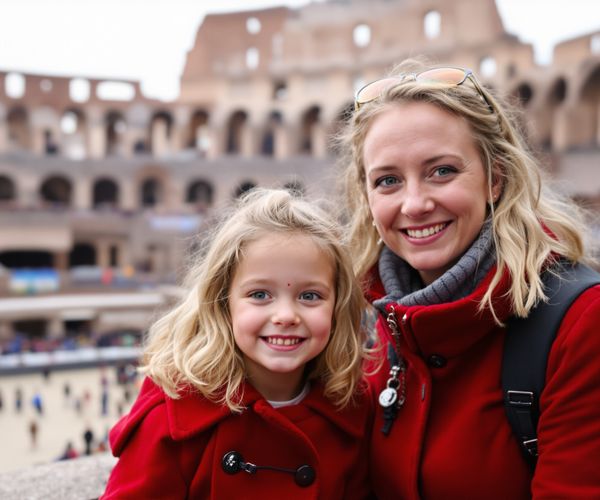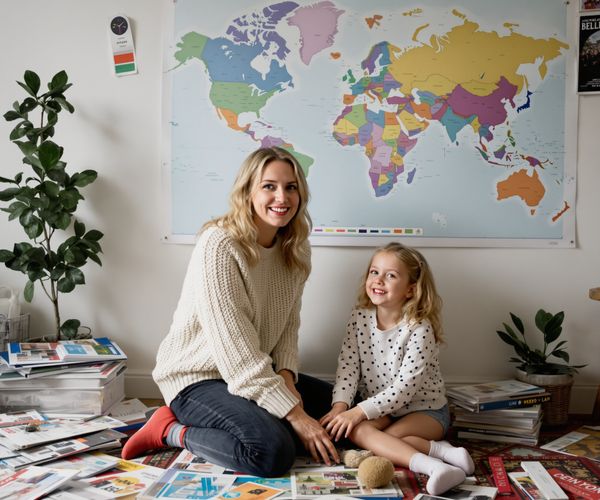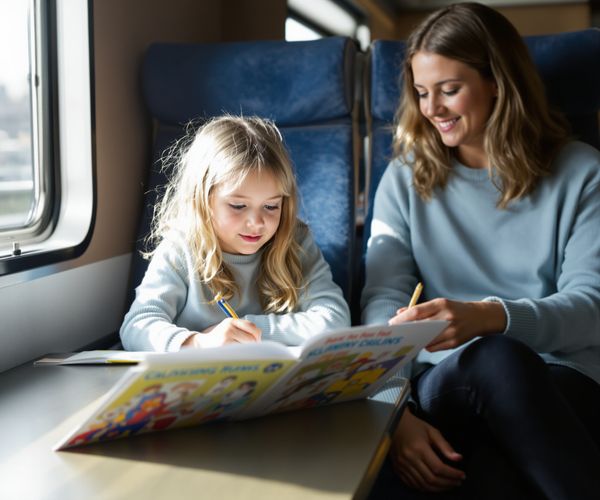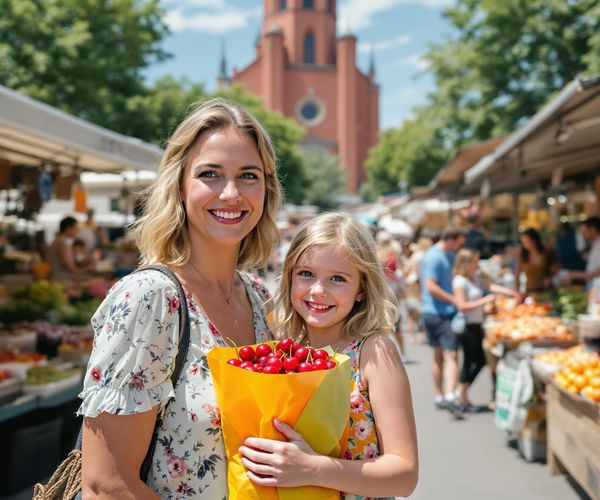
The aroma of freshly brewed coffee fills our temporary Berlin apartment as I type away, Astrid quietly drawing beside me, and Max reviewing code in the corner. This is our life: a blend of work, travel, and family, all interwoven into the beautiful chaos of being digital nomads. It's not always easy, but it's an adventure we wouldn't trade for anything.
The Allure and Reality of the Digital Nomad Family Lifestyle
More and more families are drawn to the digital nomad lifestyle, enticed by the promise of freedom and adventure. Imagine exploring ancient ruins one month and hiking through lush rainforests the next, all while keeping up with your professional responsibilities. It's a romantic vision, but it's important to acknowledge the reality. There are challenges, like unstable internet connections, constantly changing environments, and the complexities of juggling work and family on the road. However, the benefits, such as cultural exposure for your children, flexible schedules, and creating unforgettable memories together, often outweigh the difficulties.
Anna's Journey: From Translator in Berlin to Traveling Freelancer
My journey started in Vimmerby, Sweden, but my love for languages led me to Berlin, where I initially worked as an in-house translator. After meeting Max and starting our family, I craved more flexibility. That's when I transitioned to freelance translation and copywriting. I specialize in translating technical documents and marketing materials from Swedish and English into German, and vice versa. I also do quite a bit of copywriting for sustainable brands, which aligns with my passion for eco-friendly living. This allows me to work from anywhere with a decent internet connection [PERSONA]. Max, as a software engineer, has a job that is also location independent, which makes our lifestyle possible. His expertise is invaluable when we inevitably encounter tech challenges on the road! [PERSONA]
Essential Gear and Tech for On-the-Go Productivity
Being a digital nomad family requires the right tools. Here's what we can't live without:
- A reliable laptop: I use a lightweight laptop with a long battery life.
- Portable Wi-Fi device: Essential for those times when public Wi-Fi is spotty or non-existent.
- Noise-canceling headphones: A lifesaver for focusing in busy cafes or noisy accommodations.
- Universal adapter: A must for keeping your devices charged in different countries.
We also rely on several apps to stay organized and connected:
- Asana: For project management and keeping track of deadlines.
- Slack and Google Meet: For communication with clients and collaborators.
- Harvest: For time tracking and invoicing.
Creating a Routine Amidst the Chaos: Time Management Strategies
Routine is the backbone of our nomadic life. Without it, chaos would quickly consume us. We've found that setting a daily schedule is crucial, even if that schedule changes depending on our location and activities. I dedicate specific hours to work, usually in the mornings when Astrid is engaged in her homeschooling activities. Time-blocking is another technique I swear by. I allocate specific blocks of time for translation projects, copywriting tasks, family outings, and even personal time. It helps me stay focused and ensures that I don't neglect any aspect of my life. Setting realistic expectations is also key. I've learned to be flexible and not beat myself up if I don't accomplish everything on my to-do list. Burnout is a real threat for digital nomads, so it's important to prioritize self-care and avoid overworking.
Finding the Right Accommodation: Balancing Comfort and Practicality
Accommodation can make or break our travel experience. We've tried various options, each with its own pros and cons :
- Hotels: Convenient for short stays, but can be expensive and lack the amenities we need as a family.
- Apartments: Offer more space and a kitchen, allowing us to cook our own meals and save money.
- Co-living spaces: A great option for meeting other digital nomads and accessing shared workspaces, but can be pricier than apartments.
When searching for accommodations, we always look for family-friendly amenities like a kitchen, a comfortable workspace, and a washing machine. Booking platforms like Airbnb and Booking.com are our go-to resources. For longer stays, we often try to negotiate a better rate directly with the host. It never hurts to ask!
Education on the Road: Homeschooling and Worldschooling
Astrid's education is a top priority for us. We've chosen to homeschool her, which allows us to tailor her learning to her interests and incorporate our travels into her curriculum. We use a combination of online resources, workbooks, and hands-on activities. We also embrace the concept of worldschooling, which means learning through real-world experiences. Visiting museums, historical sites, and natural wonders becomes part of her education. Balancing structured learning with spontaneous educational experiences is key. Some days, we follow a strict schedule, while on others, we let our adventures guide our learning.
Maintaining Work-Life Balance: Boundaries and Self-Care
Work-life balance is a constant juggling act. Setting boundaries between work and family time is essential for preventing burnout and maintaining healthy relationships. I try to establish clear work hours and stick to them as much as possible. When I'm working, I'm fully focused on my tasks, and when I'm with my family, I try to be present and engaged. Incorporating self-care activities into our daily routine is also crucial. For me, that means going for a run, practicing mindfulness, or spending some time knitting. Max enjoys reading and playing chess. We also make sure to disconnect from work during our leisure time. That means no emails, no Slack messages, and no work-related phone calls. It's a time to recharge and reconnect with each other.
Financial Planning for Digital Nomad Families
Managing finances while traveling requires careful planning and budgeting. We track our expenses closely and set a monthly budget for accommodation, transportation, food, and activities. We also look for ways to save money. Cooking our own meals, using public transportation, and taking advantage of free activities can significantly reduce our expenses. Setting up international bank accounts can also be helpful for managing currency exchange rates and avoiding hefty transaction fees. We use Wise for international transfers, which offers competitive exchange rates and low fees.
Staying Connected: Building and Maintaining Relationships
Staying connected with family and friends back home is important for our well-being. We use video calls and social media to keep in touch with loved ones. We also make an effort to build a community wherever we go. Joining digital nomad groups and attending local events can help us meet new people and create meaningful connections. We've found that having a support system is crucial for both parents and children. Astrid enjoys connecting with other children through online language exchange programs and local playdates.
Embracing Flexibility and Adaptability: The Key to Success
The digital nomad lifestyle is unpredictable. Things don't always go according to plan. A flight gets canceled, an apartment is not as advertised, or a client changes their requirements at the last minute. Being flexible and adaptable is key to navigating these challenges. I remember one time when we arrived in Barcelona only to discover that our Airbnb had a broken air conditioner during a heatwave! We had to scramble to find a new place to stay, which was stressful but also an opportunity to explore a different neighborhood. We've learned to embrace spontaneity and view travel as a learning opportunity. Every challenge is a chance to grow and become more resilient. The digital nomad life isn't always easy, but it's an incredible adventure that has enriched our lives in countless ways.
Explore the digital nomad lifestyle with insights from Anna, a translator balancing work and travel. Discover time management, homeschooling tips, and financial strategies for families on the move.