Hello fellow travelers! Anna here, ready to whisk you away on a flavorful journey. Food, in my humble opinion, is so much more than just sustenance. It's a vibrant tapestry woven with culture, history, and the unique spirit of a place. Today, I want to share my tips on how to uncover those authentic culinary gems that will truly connect you with your destination.
The Essence of Culinary Travel
Think about it: a simple dish can tell a story. It can whisper tales of generations past, of trade routes and migrations, of celebrations and traditions. When we seek out authentic culinary experiences, we're not just filling our bellies; we're opening ourselves up to a deeper understanding of a place and its people. I'll never forget the first time I tried Kartoffelpuffer (potato pancakes) at a Christmas market in Berlin. The crispy, golden exterior, the soft, savory interior, the sweet apple sauce – it was a symphony of flavors that instantly transported me to a cozy winter scene, surrounded by laughter and twinkling lights. That single bite sparked a fascination with German cuisine and culture that continues to this day.
Decoding 'Local': What Does Authentic Cuisine Really Mean?
Now, let's talk about what we mean by 'local.' It's not always as straightforward as it seems. Cuisine is a living, breathing thing, constantly evolving and adapting. Immigration, trade, and historical events all leave their mark on the culinary landscape. Take Berlin, for example. While it's known for its traditional German fare like Currywurst and Schnitzel, you'll also find a vibrant array of international influences, from Turkish Döner Kebab to Vietnamese Pho. These dishes have become integral parts of Berlin's food scene, reflecting the city's diverse population and history. Understanding the story behind the food – its origins, ingredients, and preparation methods – is key to appreciating its authenticity.
Venturing Beyond Tourist Hotspots: Finding Hidden Culinary Gems
Ready to embark on your culinary adventure? My first piece of advice is to step away from the tourist-heavy areas. While those restaurants might offer a taste of the local cuisine, they often cater to a more generic palate. To find the real gems, you need to venture into the backstreets and neighborhoods where locals dine. Look for restaurants that are bustling with locals – that's usually a good sign that the food is both delicious and authentic. Don't be afraid to get lost in the maze of side streets; you never know what culinary treasures you might discover!
Tapping into Local Knowledge: Asking the Right People
When in doubt, ask a local! Hotel staff, taxi drivers, shopkeepers – they're all potential sources of valuable dining recommendations. Engage with them, strike up a conversation, and ask about their favorite dishes and eateries. You might be surprised at the hidden gems they reveal. I've had some of my best culinary experiences thanks to recommendations from friendly locals. While online reviews can be helpful, they shouldn't be your sole source of information. Personal recommendations from people who know and love the local food scene are invaluable.
Embracing Street Food and Markets: A Taste of Daily Life
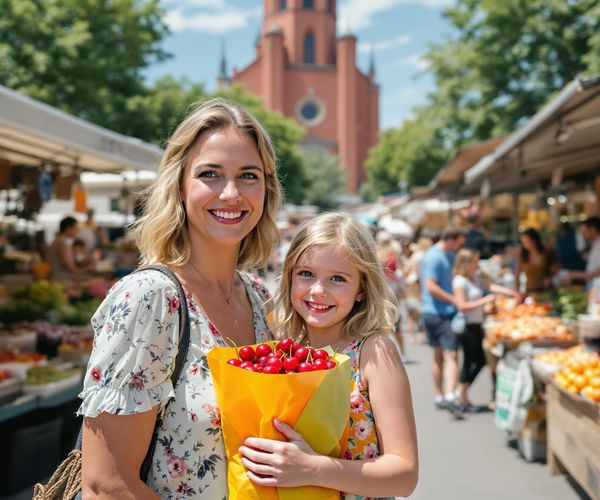
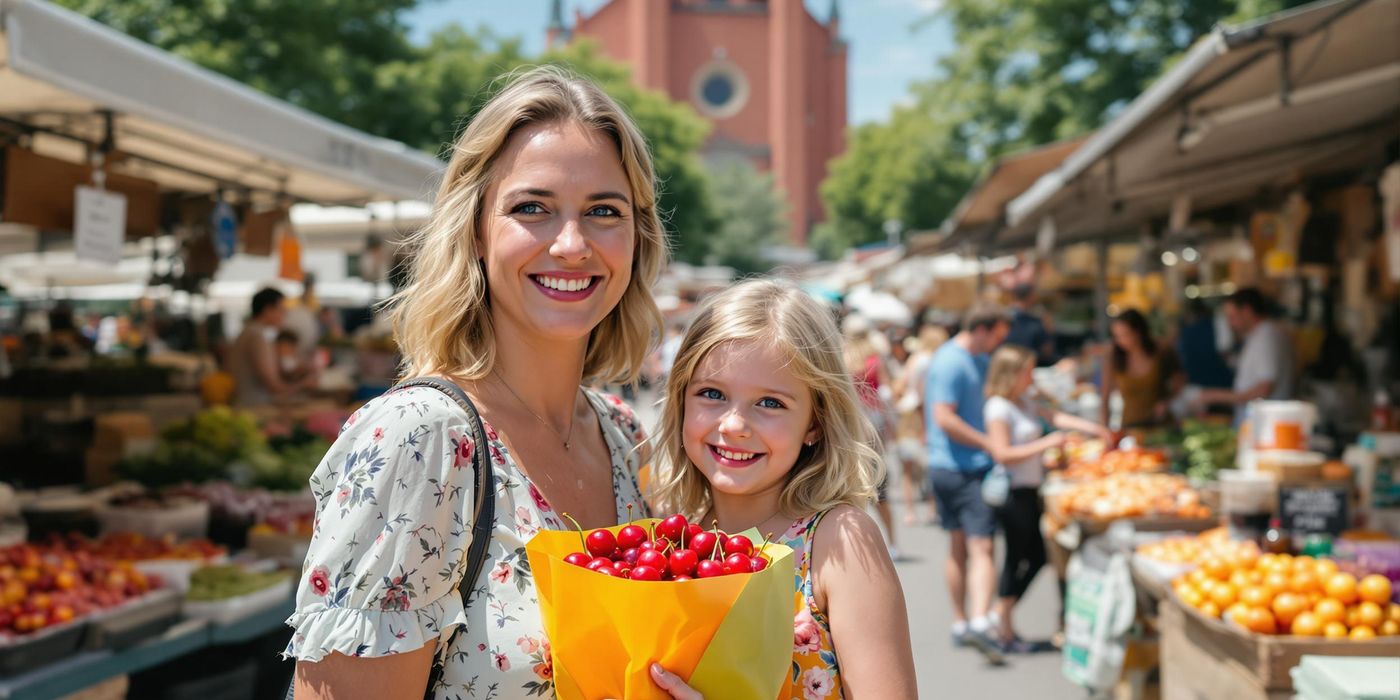
Street food and local markets are vibrant hubs of authentic culinary experiences. They offer a glimpse into the daily life of a place, a chance to sample a variety of dishes, and an opportunity to interact with vendors and fellow food lovers. Berlin's markets are a feast for the senses, with stalls overflowing with fresh produce, artisanal cheeses, cured meats, and a tempting array of local and international treats. From the Turkish Market on the Maybachufer to the Winterfeldt Market in Schöneberg, there's a market to suit every taste. Don't be afraid to try new things and engage with the vendors – they're usually happy to share their knowledge and passion for food.
Learning Through Experiences: Cooking Classes and Food Tours
For a truly immersive culinary experience, consider taking a cooking class or joining a food tour. These activities offer a chance to learn about local cuisine and culture from the experts. Cooking classes allow you to get hands-on with ingredients and techniques, while food tours take you on a guided journey through the city's culinary landscape. I've taken several cooking classes in Berlin, learning how to make everything from Spätzle (German noodles) to Apfelstrudel (apple strudel). These experiences have not only expanded my culinary skills but have also given me a deeper appreciation for the traditions and stories behind the food.
The Language of Food: Overcoming Communication Barriers
Don't let language barriers deter you from exploring the local cuisine. Food is a universal language that transcends verbal communication. Even if you don't speak the local language, you can still point, gesture, and smile your way to a delicious meal. Learning a few basic food-related phrases can also enhance your experience and show respect for the local culture. I've had countless successful food experiences despite not speaking the language fluently. Locals are usually more than willing to help you navigate the menu and recommend their favorite dishes. A little bit of effort and a genuine interest in the local cuisine can go a long way.
Beyond the Plate: Understanding Cultural Nuances
Food is more than just what's on the plate; it's also about the dining etiquette and customs that surround it. Understanding these cultural nuances can enhance your dining experience and show respect for the local culture. In some cultures, it's considered rude to start eating before everyone else at the table. In others, it's customary to leave a small amount of food on your plate to indicate that you're satisfied. Food traditions often reflect a country's history, social structure, and values. By being mindful of these customs, you can gain a deeper understanding of the culture and avoid unintentional faux pas.
Sustainable Eating: Supporting Local Economies
Finally, let's talk about sustainable eating. When you travel, you have the opportunity to support local economies by choosing locally-owned restaurants and businesses. This not only benefits the local community but also reduces your environmental impact. Look for restaurants that prioritize sustainability and local sourcing, using seasonal ingredients and reducing food waste. Berlin has a growing number of restaurants that are committed to sustainable practices, from farm-to-table eateries to zero-waste cafes. By making conscious choices about where you eat, you can contribute to a more sustainable and responsible form of tourism.
Explore authentic local cuisine while traveling. Discover hidden gems beyond tourist hotspots, embrace street food, and learn through cooking classes. Support local economies and savor cultural nuances.