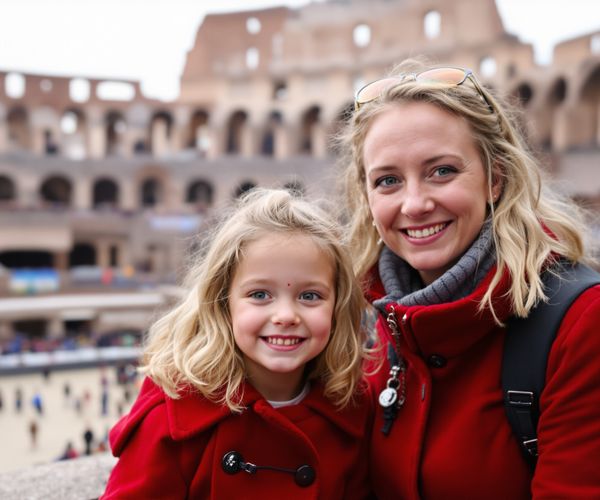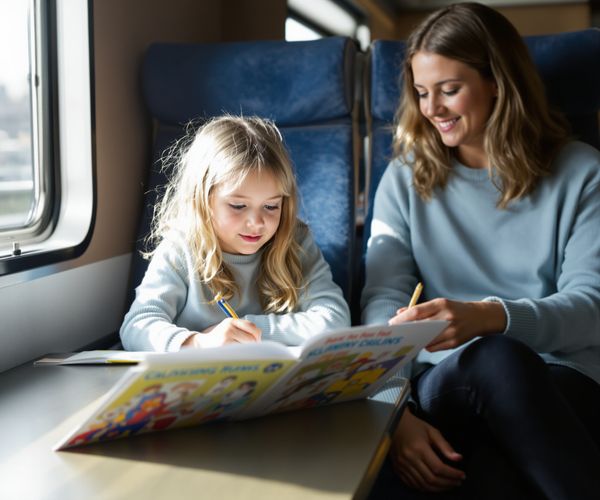
As a family, we've always believed in the power of shared experiences. For us, travel isn't just about seeing new places; it's about creating lasting memories and strengthening our bond. That's why, a few years ago, we decided to create a family travel bucket list. It's been an incredible journey, and I'm excited to share our approach with you, hoping to inspire your own family adventures.
Dreaming Big: Brainstorming Your Family's Travel Desires
The first step in creating a family travel bucket list is to dream big! It's essential to involve every family member in the brainstorming process, even our little Astrid. We gathered around the kitchen table one evening, armed with colorful pens, paper, and a stack of travel magazines. The goal? To unleash our travel fantasies without any limitations.
I highly recommend creating a 'dream board.' We used a large corkboard and pinned images of potential destinations – majestic mountains, sun-kissed beaches, historical landmarks, and vibrant cityscapes. Astrid, with her boundless enthusiasm, added drawings of her favorite cartoon characters visiting different places. This visual representation helped us to connect with our travel aspirations on a deeper level.
Don't shy away from thinking about different types of travel experiences. Consider cultural immersion in bustling cities, peaceful nature escapes in serene landscapes, thrilling adventures in theme parks, and everything in between. The more diverse your ideas, the richer your bucket list will be.
Setting Realistic Goals: Balancing Dreams with Practicalities
While dreaming big is important, it's equally crucial to set realistic goals. This involves carefully considering your family's budget, time constraints, and other practicalities. Travel can be expensive, so it's essential to establish a budget that covers transportation, accommodation, activities, and food. We use a shared spreadsheet to track potential costs and adjust our plans accordingly.
Prioritizing experiences and making compromises as a family is also key. Perhaps one child dreams of visiting Disneyland, while another wants to explore ancient ruins. Finding a balance that satisfies everyone requires open communication and a willingness to compromise. We often use a points system, where each family member gets a certain number of points to allocate to their preferred destinations or activities.
Don't forget to explore opportunities for finding deals and discounts. Family packages, 'kids stay free' offers, and booking in advance can significantly reduce costs. We also subscribe to travel newsletters and follow social media accounts that share travel deals. For example, many airlines and hotels offer discounts for families during off-peak seasons.
Mapping It Out: Researching and Shortlisting Destinations
Once you have a list of potential destinations, it's time to dive into research. Consider factors such as safety, accessibility, and age-appropriateness. What might be suitable for older children may not be ideal for younger ones. We always check travel advisories and read reviews from other families before making any decisions.
There are numerous resources available to help you research potential destinations. Family travel blogs and association guides offer valuable insights and tips. We often consult websites like Lonely Planet and TripAdvisor for information on attractions, accommodation, and transportation. It's also helpful to connect with other families who have traveled to the destinations you're considering.
Balancing different interests within the family is essential to ensure everyone has something to look forward to. Perhaps one child is fascinated by history, while another is passionate about animals. Look for destinations that offer a variety of activities and attractions to cater to everyone's preferences. In Berlin, for instance, we alternate between visiting museums and exploring the city's many parks and playgrounds.
Making It Visual: Creating a Family Travel Map
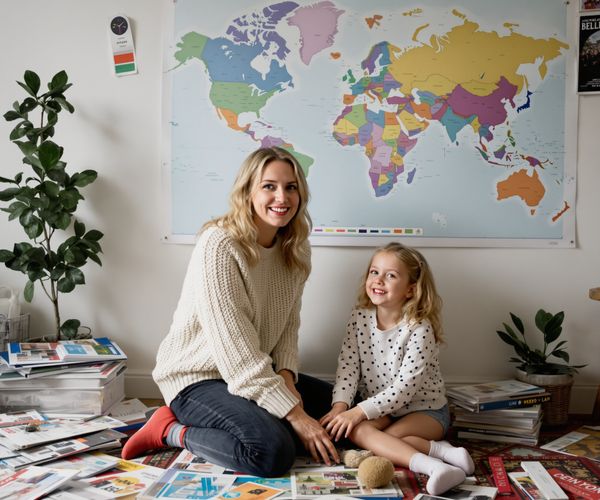
To make our travel bucket list more tangible and exciting, we created a family travel map. We printed a large map of the world and pinned it to the wall in our living room. Then, we used different colored pins to mark potential travel destinations. Each color represented a different type of trip or interest – blue for beach vacations, green for nature escapes, red for city adventures, and so on.
To make the map more engaging for Astrid, we added photos and drawings. She drew pictures of herself visiting different landmarks and pasted them onto the map. We also used stickers and glitter to add a touch of sparkle. The map serves as a constant reminder of our travel dreams and inspires us to plan our next adventure.
If you prefer a digital approach, there are many online tools and apps that allow you to create virtual travel maps. These tools often offer additional features, such as the ability to add notes, links, and photos to each destination.
Involving the Kids: Assigning Roles and Responsibilities
One of the best ways to get your children excited about your travel bucket list is to involve them in the planning process. Assign each child a specific role, such as researching activities or accommodations. Astrid, for example, loves looking at pictures of hotels and choosing the ones with the best swimming pools.
Consider letting each child plan a day of the trip, including activities and meals. This gives them a sense of ownership and responsibility. Astrid is already planning our visit to Legoland, and she has a detailed itinerary that includes all her favorite rides and attractions.
By giving children a sense of ownership and responsibility, you're not only making the planning process more fun but also teaching them valuable life skills. They'll learn how to research, budget, and make decisions – skills that will serve them well in the future.
Flexibility is Key: Preparing for the Unexpected
Finally, it's important to remember that flexibility is key when creating a family travel bucket list. Acknowledge that plans can change, and be prepared to adapt to unforeseen circumstances. Flights get delayed, hotels get overbooked, and weather conditions can disrupt even the best-laid plans.
Having backup plans for activities and destinations is always a good idea. If a particular attraction is closed or crowded, have an alternative in mind. We always research several options for each day of our trip, so we can easily switch gears if necessary.
Travel insurance is also essential to cover medical emergencies, lost luggage, and itinerary changes. It provides peace of mind knowing that you're protected against unexpected events. We always purchase travel insurance before embarking on any major trip.
Learn how to create an inspiring and achievable travel bucket list for your family, turning dreams into reality.