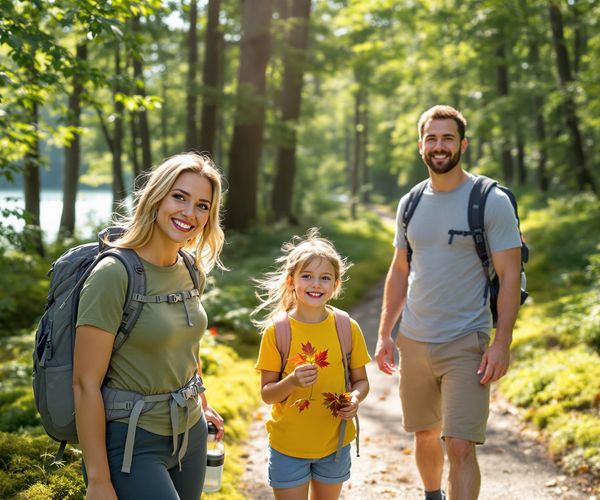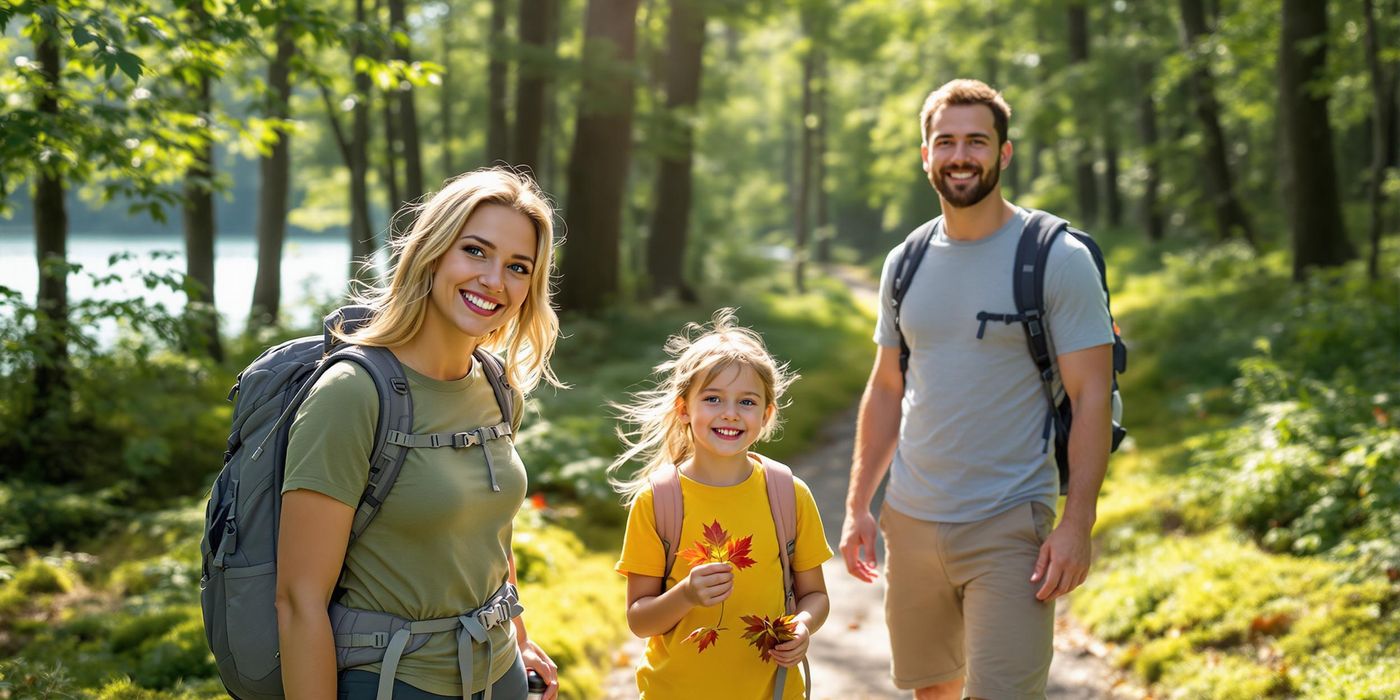
As the leaves begin to turn and the air gets that crisp, invigorating bite, my family and I find ourselves drawn to the trails. Hiking isn't just an activity for us; it's a way to connect with nature, each other, and create lasting memories. Over the years, we've learned a thing or two about making these adventures enjoyable and safe, especially with our little Astrid in tow. Let me share some insights on planning the perfect family hiking adventure, drawing from our experiences in the beautiful Brandenburg countryside and beyond.
Choosing the Right Trail for Your Family
The key to a successful family hike is selecting a trail that matches your family's abilities. Before you even lace up your boots, take stock of everyone's hiking experience and fitness levels. What might be a leisurely stroll for one family could be a challenging trek for another.
Consider the ages and abilities of your children. A six-year-old's stamina is quite different from that of a teenager. Opt for trails with easy to moderate difficulty ratings, gentle slopes, and well-defined paths. These are especially important when you're just starting out or if you have younger children. Start with shorter distances and gradually increase the length and difficulty as your children grow more comfortable and confident on the trail.
Here in Brandenburg, we're spoiled for choice when it comes to kid-friendly trails. I fondly remember Astrid's first real hike near Scharmützelsee. The trail was mostly flat, winding through a forest that felt like something straight out of a fairytale. Another favorite is the Müggelsee area, with its numerous trails offering stunning lake views and plenty of opportunities for birdwatching.
To truly capture a child's imagination, look for trails with interesting features. Streams, lakes, waterfalls, or unique rock formations can transform a simple hike into an exciting exploration. Astrid is always thrilled when we stumble upon a hidden waterfall or a quirky-shaped tree root. These little discoveries keep her engaged and motivated throughout the hike.
Essential Gear and Preparation
Proper gear can make or break a hiking experience, especially for children. Comfortable and well-fitting hiking shoes are non-negotiable. Blisters can quickly ruin a child's enthusiasm for the outdoors, so invest in quality footwear that provides adequate support and cushioning.
Clothing is another crucial aspect. Breathable, moisture-wicking fabrics are ideal, as they help regulate body temperature and keep sweat at bay. Layering is key, as weather conditions can change rapidly, especially in the mountains. A light fleece or jacket can be easily added or removed as needed.
Consider getting kid-sized backpacks for your children to carry their own water, snacks, and small items. This not only lightens your load but also gives them a sense of responsibility and ownership over the adventure. Just be sure the backpack fits properly and isn't too heavy.
A well-stocked first-aid kit is an absolute must, and it should include items specific for kids, such as children's pain relievers and antiseptic wipes. Don't forget sunscreen, insect repellent, maps, and a compass (or a GPS device) for navigation.
Here's a quick checklist of essential items:
- Hiking shoes
- Moisture-wicking clothing
- Layering options (fleece, jacket)
- Kid-sized backpacks
- Water bottles or hydration packs
- Snacks (trail mix, fruits, energy bars)
- First-aid kit
- Sunscreen
- Insect repellent
- Maps and compass/GPS
Safety First: Hiking with Children
Safety is paramount when hiking with children. Before you even set foot on the trail, establish clear ground rules and boundaries. Make sure everyone understands the importance of staying on the trail and being aware of their surroundings.
Teach your children basic outdoor safety and survival skills. Show them how to identify potential hazards, such as poisonous plants or slippery rocks. Explain what to do if they encounter wildlife, such as bears or snakes (though thankfully, we don't have to worry too much about that in Brandenburg!).
Emphasize the importance of staying together as a group and maintaining constant supervision, especially for younger children. Designate a lead hiker and a sweep to ensure no one gets left behind. Regular headcounts can also help keep track of everyone.
Discuss what to do if a child gets lost. The most important thing is for them to stay in one place and use a whistle to signal for help. A brightly colored piece of clothing can also make them more visible to rescuers.
Always check the weather forecast before heading out and be prepared for sudden changes in weather conditions. Pack rain gear, extra layers, and a fully charged cell phone (though remember that cell service can be spotty in some areas).
Making Hiking Fun and Engaging for Kids
Hiking with children shouldn't feel like a chore; it should be an adventure! Turn the hike into a game with scavenger hunts, nature bingo, or alphabet searches. These activities can keep children entertained and engaged while also encouraging them to observe their surroundings more closely.
Encourage children to explore and discover by examining plants, insects, and animal tracks. Bring along a magnifying glass or a field guide to help them identify different species. Astrid loves collecting leaves and rocks (though we always make sure to leave them where we found them).
Let children take turns leading the hike and making choices along the way. This gives them a sense of ownership and responsibility. Just be sure to set some boundaries and guidelines beforehand.
Share interesting facts about the local flora and fauna to spark curiosity. Before our hikes, I often read up on the area's natural history and share tidbits with Astrid along the way. She's always fascinated to learn about the different types of trees or the habits of local birds.
Plan frequent energy stops with snacks and drinks to keep children motivated. A well-timed snack break can work wonders for morale. Astrid is particularly fond of trail mix and apple slices.
Involve children in the planning process by asking for their input on the destination and activities. This makes them feel like they're part of the team and increases their enthusiasm for the hike. Astrid loves looking at maps and helping me choose which trail to explore next.
A comprehensive guide on planning family-friendly hiking trips, ensuring safety and enjoyment for all. Includes tips for trail selection, gear, safety, and engaging children.