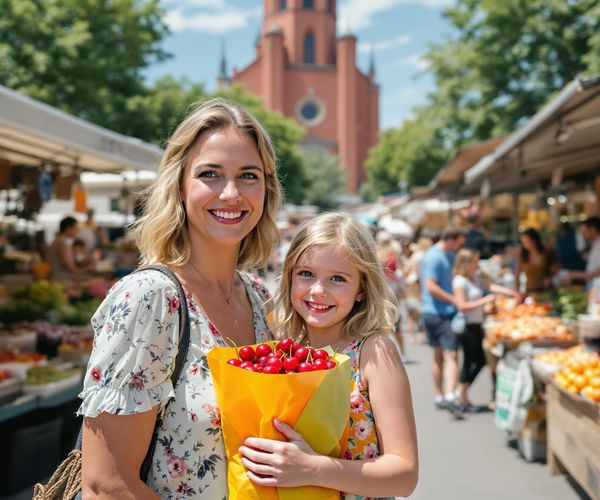
As a family, we've always believed that the world is the greatest classroom. There's something incredibly special about watching Astrid's eyes light up when she experiences a new culture, explores a historical site, or discovers the wonders of nature. It's this joy of discovery that fuels our family's passion for ‘edu-ventures’ – travels that combine learning with unforgettable memories. Join us as we share some of our favorite ways to make travel an enriching experience for the whole family!
Embracing 'Edu-Ventures': A Family Travel Trend
More and more families are seeking travel experiences that offer educational value. It's about more than just ticking off landmarks; it's about immersing ourselves in new cultures, understanding history, and fostering a love of learning in our children. We call these trips ‘edu-ventures’ because they blend education with adventure, creating lasting memories and sparking curiosity that extends far beyond the vacation itself. We've also been exploring the idea of 'roots travel,' visiting places connected to our heritage, which has been an incredibly rewarding experience for our family.
Planning for Learning: Turning Every Trip into a Classroom
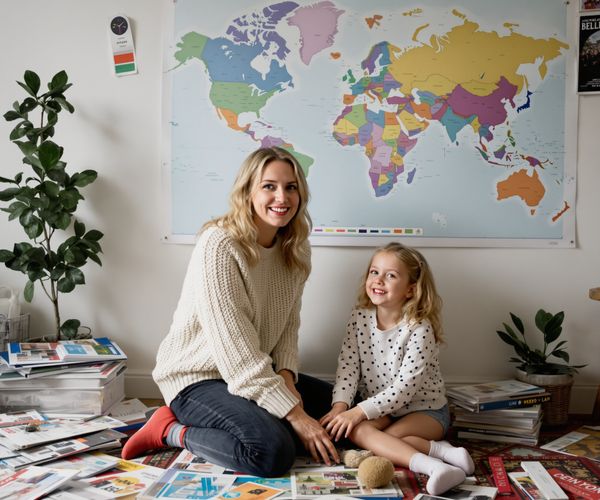
The key to a successful edu-venture is planning. Before we even book our flights, Maximilian and I spend hours researching our destination. We look for museums, cultural sites, and historical landmarks that will appeal to Astrid's interests. Interactive exhibits and kid-friendly tours are always a hit, as they make learning fun and engaging. Don't underestimate the power of a good guidebook or travel blog – they can be invaluable sources of information and inspiration.
Europe: A Continent of Living History
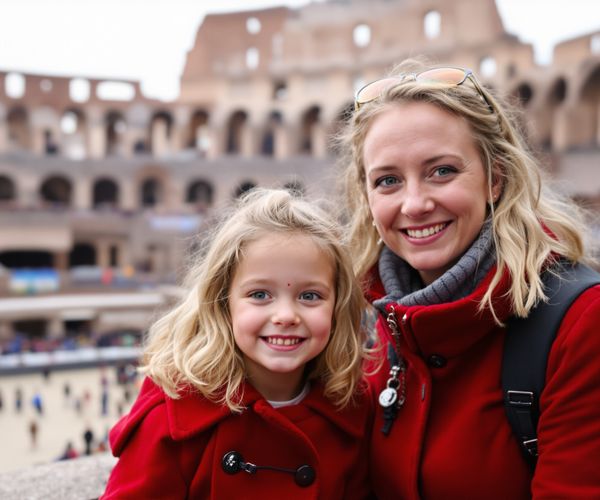
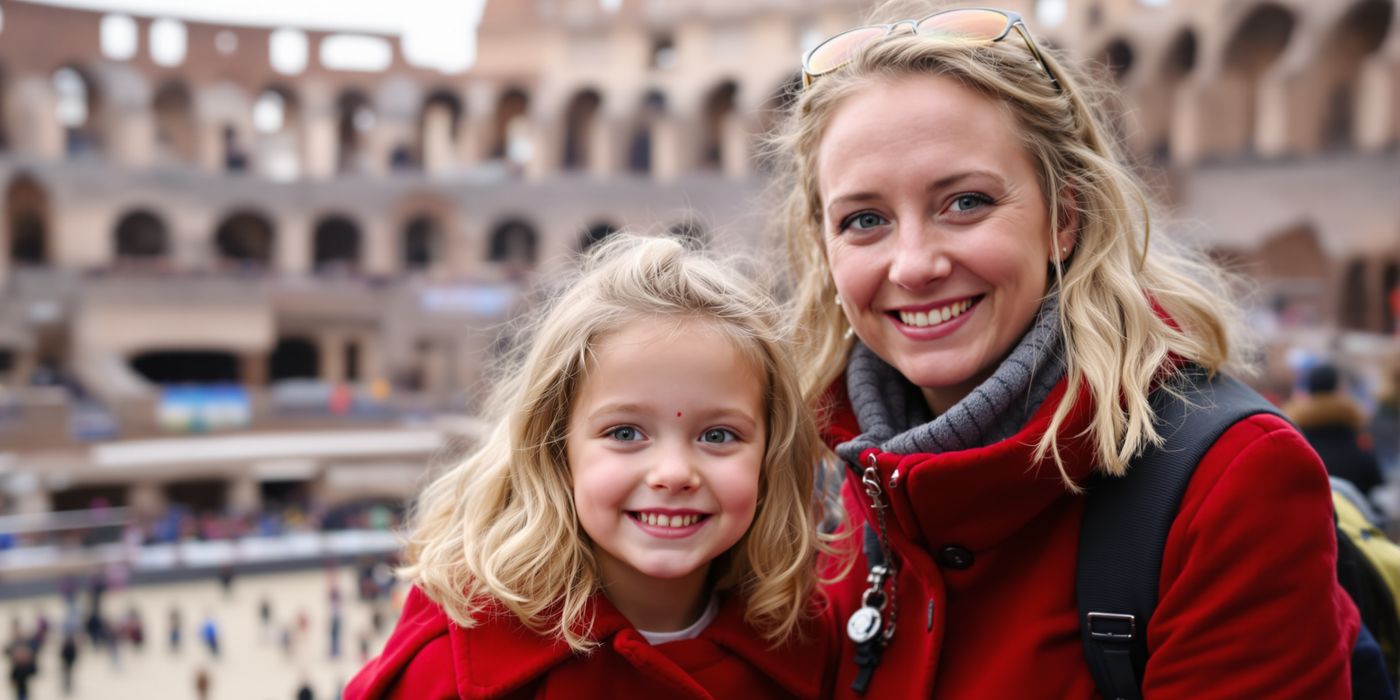
Europe is a fantastic destination for families seeking educational travel experiences. From the ancient ruins of Rome and Athens to the medieval castles of Edinburgh, the continent is brimming with history and culture. We recently took Astrid to Rome, where she was fascinated by the Colosseum and the Roman Forum. To make history come alive, we attended a historical reenactment, which was a huge hit with her. Many museums offer child-focused activities and tours, making it easy to engage young learners.
Hands-On Experiences: Immersing in Local Culture
One of our favorite ways to learn about a new culture is through hands-on experiences. We love participating in local workshops and classes. Cooking classes are a great way to learn about regional cuisine, while art workshops offer a chance to express creativity. We once took a chocolate-making class in Belgium, which was not only delicious but also taught us about the history of chocolate. In Italy, we participated in a pasta-making class, where Astrid learned to roll out dough and shape different types of pasta.
Beyond Sightseeing: Engaging with Stories and Traditions
It's not enough to simply visit historical sites; it's important to engage with the stories behind them. Before our trip to Scotland, we read books about Scottish history and watched documentaries about the country's traditions. We also tried to learn a few basic words in Gaelic, which was a fun way to connect with the local culture. Engaging with stories and traditions brings a destination to life and makes the learning experience more meaningful.
Nature as a Classroom: Exploring the Outdoors
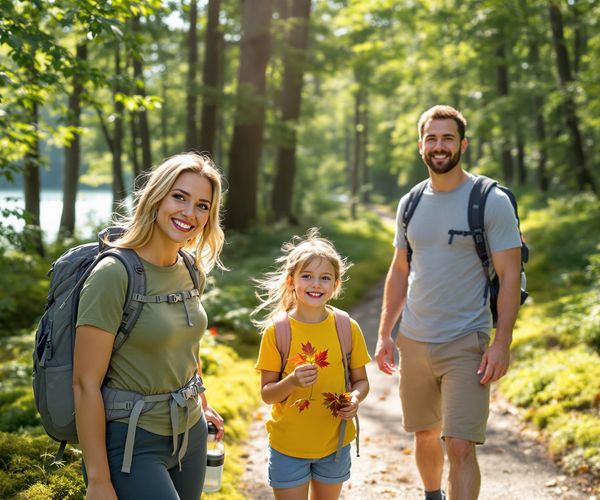
Education isn't limited to museums and historical sites; nature can also be a powerful teacher. Spending time outdoors allows children to connect with the natural world and learn about different ecosystems. We love visiting national parks and wildlife sanctuaries. Costa Rica and the Everglades are excellent destinations for eco-adventures, offering opportunities to see exotic animals and learn about conservation efforts. A simple hike in the forest can turn into a lesson about botany and ecology.
Documenting the Journey: Creating Lasting Memories
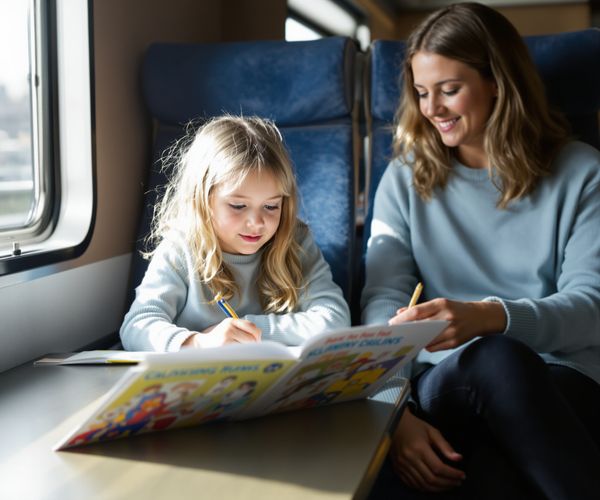
We encourage Astrid to keep a travel journal or scrapbook during our trips. She takes photos, collects souvenirs, and writes about her experiences. This not only helps reinforce her learning but also creates a lasting keepsake of the trip. Looking back at these journals years later brings back wonderful memories and reminds us of all the things we learned together.
Reflecting and Discussing: Consolidating Learning
At the end of each day, we take time to reflect and discuss what we learned. We ask Astrid about her favorite parts of the day and what she found most interesting. This helps consolidate her learning and provides us with insight into her interests. It's also a great way to spark further discussion and encourage her to ask questions. These conversations are some of our most cherished memories from our travels.
Discover how to incorporate educational experiences into your family travels, making learning a fun and integral part of the journey.